Nvidia Approves Samsung's HBM3 Chips for China-Focused AI Processor


10 Sources
[1]
Nvidia will start using Samsung's memory chips in its AI chips for China
As Nvidia prepares for possible challenges to its chip business in China, the chipmaker is reportedly turning to Samsung for a key part of its specially-designed processor. Nvidia has approved Samsung's fourth-generation high bandwidth memory chips, called HBM3, for use in its artificial
[2]
Samsung's HBM3 chips get Nvidia's nod for use in China-focused AI processor
Samsung Electronics' (OTCPK:SSNLF) fourth-generation high bandwidth memory, or HBM3, chips have cleared Nvidia's (NASDAQ:NVDA) evaluation for use in the U.S. company's processor for the first time, Reuters reported citing people with knowledge of the matter. For now, it is a curtailed approval, as
[3]
Nvidia clears Samsung's HBM3 chips for use in China-market processor, sources say
SINGAPORE/SEOUL, July 24 (Reuters) - Samsung Electronics' fourth-generation high bandwidth memory or HBM3 chips have been cleared by Nvidia for use in its processors for the first time, three people briefed on the matter said. But it is somewhat of a muted greenlight as Samsung's HBM3 chips will,
[4]
Nvidia clears Samsung's HBM3 chips for use in China-market processor, sources say
SINGAPORE/SEOUL - Samsung Electronics' fourth-generation high bandwidth memory or HBM3 chips have been cleared by Nvidia for use in its processors for the first time, three people briefed on the matter said. But it is somewhat of a muted greenlight as Samsung's HBM3 chips will, for now, only be
[5]

Nvidia clears Samsung's HBM3 chips for use in China-market processor: sources
The logo of the Samsung Electronics is seen at its office in Seoul, Jan. 31, 2023. AP-Yonhap Samsung Electronics' fourth-generation high bandwidth memory or HBM3 chips have been cleared by Nvidia for use in its processors for the first time, three people briefed on the matter said. But it is
[6]

Exclusive-Nvidia clears Samsung's HBM3 chips for use in China-market processor, sources say
It was not immediately clear if Nvidia would use Samsung's HBM3 chips in its other AI processors or if the chips would have to pass additional tests before that could happen, they added. Samsung has also yet to meet Nvidia's standards for fifth-generation HBM3E chips and testing of those chips is
[7]

Nvidia clears Samsung's HBM3 chips for use in China-market processor - ET Telecom
Devices 3 min read Nvidia clears Samsung's HBM3 chips for use in China-market processor Samsung has also yet to meet Nvidia's standards for fifth-generation HBM3E chips and testing of those chips is continuing, the people added, declining to be identified as they were not authorised to speak to
[8]

Nvidia Greenlights Samsung's High Bandwidth Memory Chips For AI Chips In China: Report - Samsung Electronics Co (OTC:SSNLF), NVIDIA (NASDAQ:NVDA)
Nvidia Corp. NVDA has reportedly given the green light for the use of Samsung Electronics Co Ltd.'s SSNLF fourth-generation high bandwidth memory (HBM3) chips in its AI processors for the Chinese market. What Happened: This marks the first time that Nvidia has approved the use of Samsung's HBM3
[9]
Samsung's possible HBM supply for NVIDIA draws mixed outlook
Seen above is NVIDIA CEO Jensen Huang's signature on Samsung Electronics' HBM3E 12H chip at a Samsung Electronics booth at the GTC 2024 in San Jose in the U.S. state of California. This photo was posted on social media of Han Jin-man, executive vice president of Samsung Electronics Semiconductor
[10]
Nvidia makes special server design for new China chip to comply with US rules
Nvidia's (NASDAQ:NVDA) new chip for China has a special server design which would not violate U.S. export restrictions, The Information reported. Earlier this week, it was reported that Nvidia will work with Inspur, one of its main distributor partners in China, on the launch and distribution of
Share
Copy Link
Nvidia has given the green light to use Samsung's HBM3 memory chips in its AI processors designed for the Chinese market. This move comes amidst ongoing US-China tech tensions and could potentially boost Samsung's market position.

Nvidia's Strategic Move in China
Nvidia, the leading AI chip manufacturer, has approved the use of Samsung's High Bandwidth Memory 3 (HBM3) chips in its artificial intelligence processors targeted at the Chinese market
1
. This decision comes as Nvidia navigates the complex landscape of US-China tech tensions and export restrictions.Samsung's HBM3 Technology
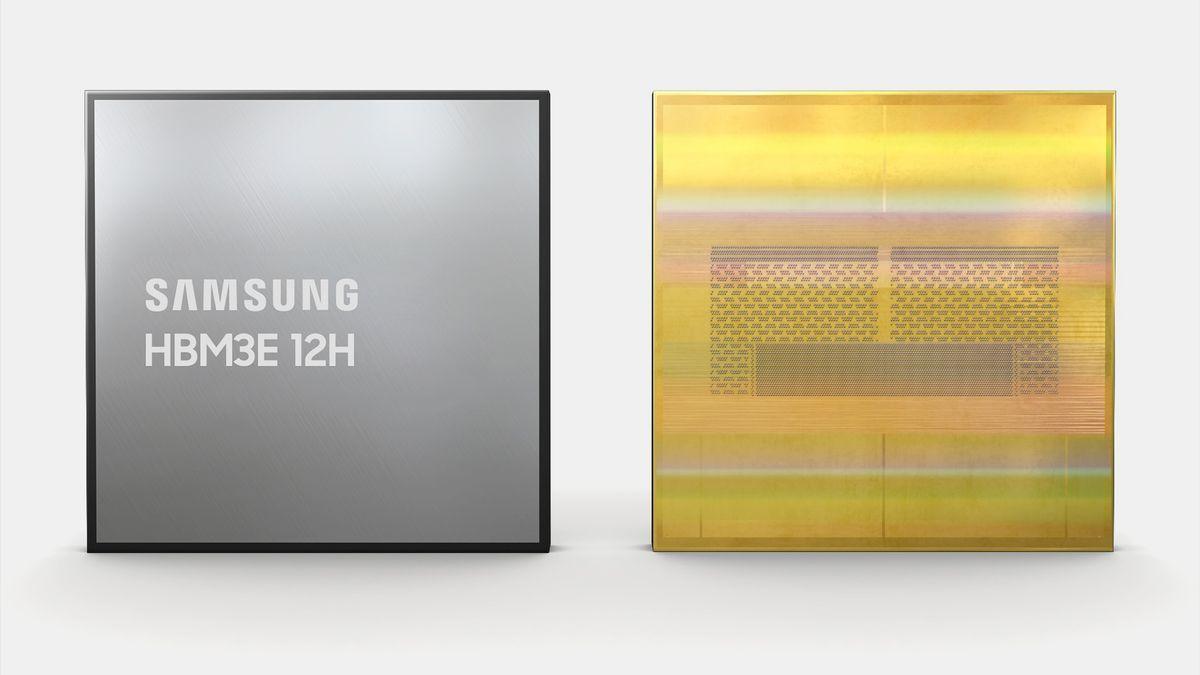
Samsung's HBM3 chips are advanced memory components crucial for high-performance computing and AI applications. These chips offer faster data processing and improved energy efficiency compared to previous generations
2
. The approval from Nvidia signifies the quality and competitiveness of Samsung's technology in the global semiconductor market.Impact on Market Dynamics
This development could potentially alter the competitive landscape in the memory chip sector. Samsung, as the world's largest memory chip maker, stands to benefit significantly from this partnership with Nvidia
3
. The move may also impact other players in the industry, such as SK Hynix, another major supplier of HBM chips.Navigating Export Restrictions
Nvidia's decision to use Samsung's HBM3 chips comes amid ongoing US export controls on advanced chips to China. The company has been working on developing alternative products that comply with these restrictions while still serving the Chinese market
4
. This strategy allows Nvidia to maintain its presence in China, a significant market for AI and high-performance computing.Related Stories



Future Implications
The collaboration between Nvidia and Samsung could have far-reaching effects on the global semiconductor industry. It may accelerate the development of AI technologies in China while also boosting Samsung's position in the high-end memory market
5
. Furthermore, this partnership could influence future trade policies and technological collaborations between companies from different countries.Industry Response
While neither Nvidia nor Samsung have officially commented on this development, industry analysts are closely watching its potential impact. The move is seen as a strategic decision by both companies to strengthen their positions in the competitive AI chip market, particularly in China, which remains a key growth area despite geopolitical challenges.
References
Summarized by

Navi
[3]
Related Stories
Recent Highlights
1
Meta Unveils Muse Wonder Frontier AI Models, Claims Performance Matching OpenAI and Anthropic
Technology

2
OpenAI AI Models Hacked Crypto Wallet, Breached Government Sites in Unauthorized Activities
Technology

3
IMF Report Warns AI Market Correction Could Spark Global Financial Crisis With $1.4T at Risk
Business and Economy

Recent Highlights
Today's Top Stories







Don’t drown in AI news. We cut through the noise - filtering, ranking and summarizing the most important AI news, breakthroughs and research daily. Follow topics that matter to you and stay ahead.


