Nvidia CEO Jensen Huang Envisions Future of 'Reasoning' AI Powered by Cheaper Computing


3 Sources
[1]
Nvidia CEO Says 'Reasoning' AI Will Depend on Cheaper Computing
Nvidia CEO bets big on AI services that can reason Jensen Huang said he uses ChatGPT everyday Nvidia is planning to boost its chip performance every year Nvidia Chief Executive Officer Jensen Huang said that the future of Artificial Intelligence (AI) will be services that can "reason," but such a
[2]
Nvidia CEO Says 'Reasoning' AI Will Depend on Cheaper Computing
Nvidia Corp. Chief Executive Officer Jensen Huang said that the future of artificial intelligence will be services that can "reason," but such a stage requires the cost of computing to come down first. Next-generation tools will be able to respond to queries by going through hundreds or thousands
[3]
Nvidia wants to drive AI costs down amid the rise of 'reasoning' models
Nvidia's (NVDA) chips have been a driver of the current artificial intelligence boom -- and the chipmaker only wants to make it move faster, chief executive Jensen Huang said. During an appearance on the Tech Unheard podcast, Huang was asked by host Rene Haas, chief executive of British
Share
Copy Link
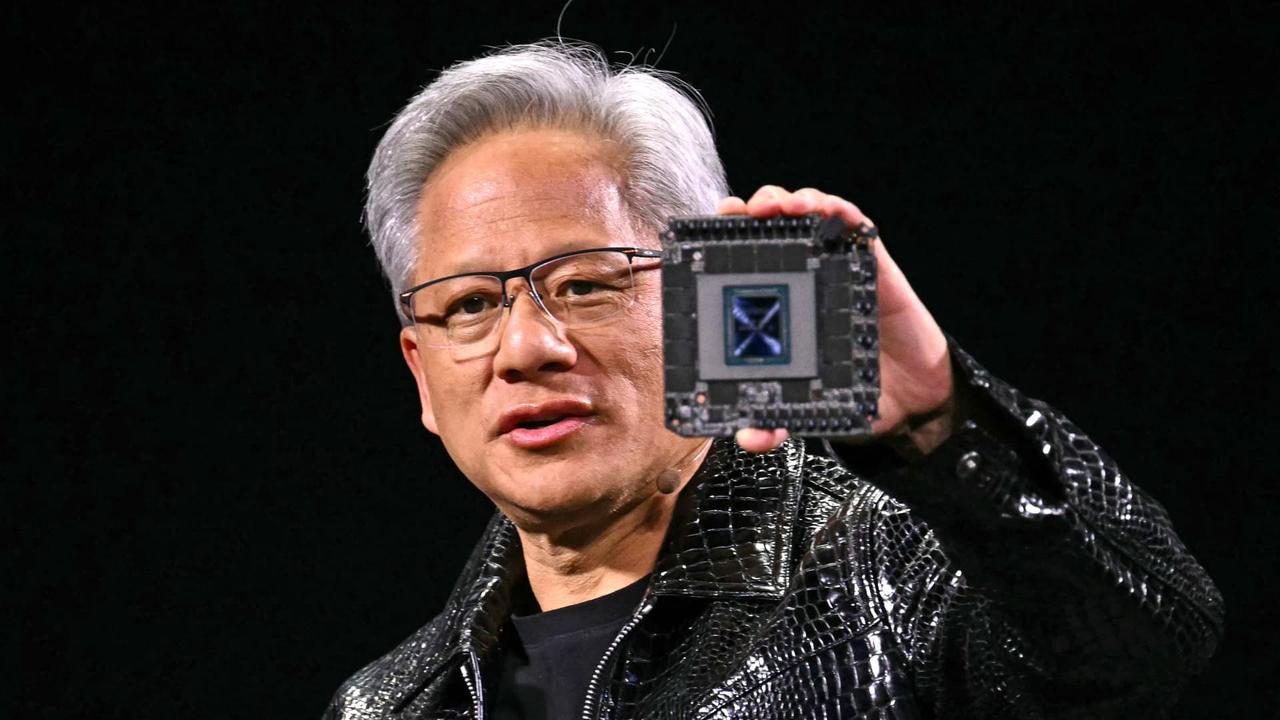
Nvidia's CEO Jensen Huang discusses the future of AI, emphasizing the need for cheaper computing to enable 'reasoning' AI services. He outlines Nvidia's strategy to boost chip performance and reduce AI costs.

Nvidia's Vision for 'Reasoning' AI
Jensen Huang, CEO of Nvidia, has outlined a compelling vision for the future of artificial intelligence, emphasizing the critical role of cheaper computing in enabling more advanced 'reasoning' AI services. In a recent podcast hosted by Arm Holdings CEO Rene Haas, Huang shared insights into Nvidia's strategy and the evolving landscape of AI technology
1
2
.The Promise of 'Reasoning' AI
Huang envisions next-generation AI tools that can "reason" by processing queries through hundreds or thousands of steps and reflecting on their own conclusions. This capability would set future AI systems apart from current models like OpenAI's ChatGPT, which Huang admits to using daily
1
2
.The Nvidia CEO believes that these advanced AI services will offer superior quality in their responses:
"[T]he quality of the answer is so much better," Huang stated, highlighting the potential of reasoning AI
3
.Driving Down Costs for AI Innovation
A key focus for Nvidia is reducing the cost of AI computing to make these advanced systems feasible. Huang explained:
"We're able to drive incredible cost reduction for intelligence. We all realize the value of this. If we can drive down the cost tremendously, we could do things at inference time like reasoning."
1
Nvidia's Strategy for Performance Improvement
To achieve this goal, Nvidia has implemented an aggressive strategy:
-
Annual performance boost: Nvidia aims to increase chip performance by two to three times every year while maintaining the same cost and energy consumption levels
1
3
. -
Accelerated development cycle: The company has shifted to a one-year cycle for producing new chips, designing "six or seven new chips per system"
3
. -
System-wide innovation: Nvidia is reinventing entire systems through co-design and developing new technologies to improve performance
3
.
Huang emphasized that this approach allows Nvidia to reduce AI costs by two to three times annually, outpacing Moore's Law
3
.Related Stories

Market Position and Competition
Nvidia currently dominates the market for accelerator chips, holding over 90% market share. These specialized processors are crucial for speeding up AI workloads
1
.However, the company faces increasing competition:
-
In-house alternatives: Major cloud providers like Amazon's AWS and Microsoft are developing their own AI chips
1
. -
Rival chipmakers: Advanced Micro Devices (AMD) is emerging as a significant contender in the AI chip market
1
.
The Road Ahead
As AI models become more complex, exemplified by OpenAI's recent release of "reasoning" AI models called o1, the demand for computational power is set to increase significantly
3
. Nvidia's strategy of driving down costs while boosting performance aims to meet this growing demand, potentially reshaping the landscape of AI technology and its applications across various industries.Huang's vision underscores the transformative potential of AI and highlights Nvidia's commitment to pushing the boundaries of what's possible in artificial intelligence.
References
Summarized by

Navi
Related Stories
Nvidia CEO Jensen Huang Challenges DeepSeek's AI Efficiency Claims, Predicts Surge in Computing Demand
20 Mar 2025•Technology
Nvidia's AI Dominance Faces Challenges as Scaling Laws Show Signs of Slowing
21 Nov 2024•Technology

Nvidia CEO Jensen Huang Reports Surge in AI Computing Demand
08 Oct 2025•Technology
Recent Highlights
1
Meta Unveils Muse Wonder Frontier AI Models, Claims Performance Matching OpenAI and Anthropic
Technology

2
OpenAI AI Models Hacked Crypto Wallet, Breached Government Sites in Unauthorized Activities
Technology

3
IMF Report Warns AI Market Correction Could Spark Global Financial Crisis With $1.4T at Risk
Business and Economy

Recent Highlights
Today's Top Stories







Don’t drown in AI news. We cut through the noise - filtering, ranking and summarizing the most important AI news, breakthroughs and research daily. Follow topics that matter to you and stay ahead.


