Nvidia DLSS 5 Gets Major Performance Boost with 2x Faster AI Model and Reduced VRAM Usage


8 Sources
[1]
DLSS 5 gets toned down for its Hogwarts Legacy debut next month
When Nvidia originally showed off DLSS 5 earlier this year, the technology immediately got branded as gen AI for video games. To gamers, Nvidia had lost the plot. I personally couldn't get over how faces were transformed using DLSS 5. The 15-year-old student from Hogwarts Legacy suddenly looked
[2]
Nvidia's New DLSS Frame Generation Mode May Boost Your FPS Even More
(Credit: Long Wei/ Feature China/Future Publishing via Getty Images) Nvidia has given its frame-generation tech a boost with a new performance mode, available now in the beta release of the Nvidia app. As VideoCardz reports, the new Preset C mode uses an alternative algorithm to the optical flow
[3]
Nvidia doubles DLSS 5 performance, reduces 4K VRAM usage by 20% with latest model -- October update cuts footprint by 24% to roughly 118 million parameters
Nvidia has today announced that its somewhat controversial DLSS 5 technology -- AI-powered neural rendering for gaming -- is now two times faster than the current model, marking a 10x performance leap since March. The model is also now smaller and uses up to 20% less VRAM. Nvidia says it has
[4]
'Half the GPU overhead' with 'comparable visual fidelity': Nvidia dramatically improves DLSS 5, which is great -- but gamers want it on more GPUs
* Nvidia has considerably improved the AI model for DLSS 5 * This means the tech now offers up to 40% faster frame rates * Team Green has also improved frame generation, and is bringing DLSS 5 to two new games: Hogwarts Legacy and Where Winds Meet If you were wondering how soon Nvidia might
[5]

NVIDIA DLSS 5 Gets 2X Faster AI Model With Lower VRAM Usage
NVIDIA has announced an optimized DLSS 5 AI model that reduces GPU processing overhead and video memory consumption while improving game performance. The revised neural rendering model contains 24% fewer parameters and uses 20% less VRAM at 4K resolution. According to NVIDIA, the changes make DLSS
[6]

NVIDIA says DLSS 5 model is now 2x faster and uses 20% less VRAM at 4K
NVIDIA has announced significant efficiency improvements to DLSS 5, claiming its 3D-Guided Neural Rendering model now delivers twice the performance of the September version while using 20% less VRAM at 4K. The optimizations come just weeks after the technology debuted publicly in NBA
[7]

DLSS 5 Controversy: NVIDIA Makes Character Faces Look More Natural in Hogwarts Legacy
NVIDIA is making changes to DLSS 5 ahead of its arrival in Hogwarts Legacy, following criticism that the AI-powered graphics technology altered characters' appearances too dramatically. Updated comparison images released on Tuesday (October 13, 2026) show more restrained visual changes, with
[8]

Nvidia Brings DLSS 5 to Hogwarts Legacy, But Some Fans Can't Tell The Difference
About a month after it debuted in NBA 2K27, DLSS 5 is now being added to Hogwarts Legacy, with a newer, faster model. In a blog post, Nvidia announced that it is launching a new model for DLSS 5 that's -- according to Team Green -- twice as fast as the model that debuted in NBA 2K27 last month.
Share
Copy Link
Nvidia has dramatically improved its DLSS 5 neural rendering technology, doubling performance while cutting the AI model footprint by 24% to 118 million parameters. The update reduces 4K VRAM usage by 20% and introduces a new Frame Generation Performance Mode that boosts frame rates by up to 35% on RTX 50-series GPUs.
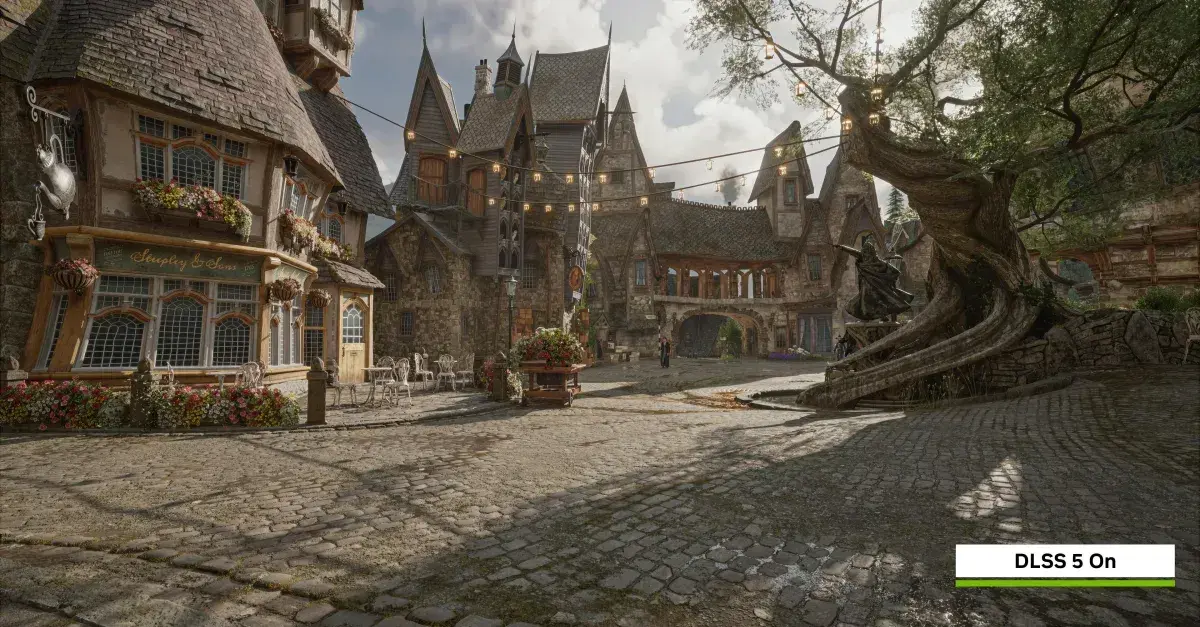
Nvidia has announced significant performance improvements to its DLSS 5 neural rendering technology, marking a pivotal refinement just weeks after the AI-powered graphics technology officially launched in NBA 2K27. The updated AI model delivers twice the performance of the September release while substantially reducing hardware demands on RTX 50-series GPUs and upcoming RTX Spark laptops.
1
DLSS 5 AI Model Achieves 2x Performance Gains
The October update to Nvidia DLSS 5 represents a dramatic leap in efficiency for the AI-powered graphics technology. Nvidia has reduced the neural rendering model's footprint by 24% to approximately 118 million parameters, down from roughly 155 million in the previous implementation.
3
This streamlined faster AI model achieves comparable visual fidelity while cutting GPU overhead in half compared to the September version.4
According to Nvidia's Andrew Burnes, the company achieved these performance improvements through "systematic pipeline optimizations and neural model refinements."
3
The reduced 4K VRAM usage of 20% makes the technology less demanding on graphics cards, addressing one of the primary criticisms since DLSS 5's controversial debut earlier this year.5
The neural rendering technology now runs 10x faster than the original version demonstrated in March 2026, when it required a pair of RTX 5090 GPUs to function.
4
In NBA 2K27, where the optimized model debuts on October 16, frame rates improve by up to 40%.5
Frame Generation Performance Mode Delivers Additional Speed
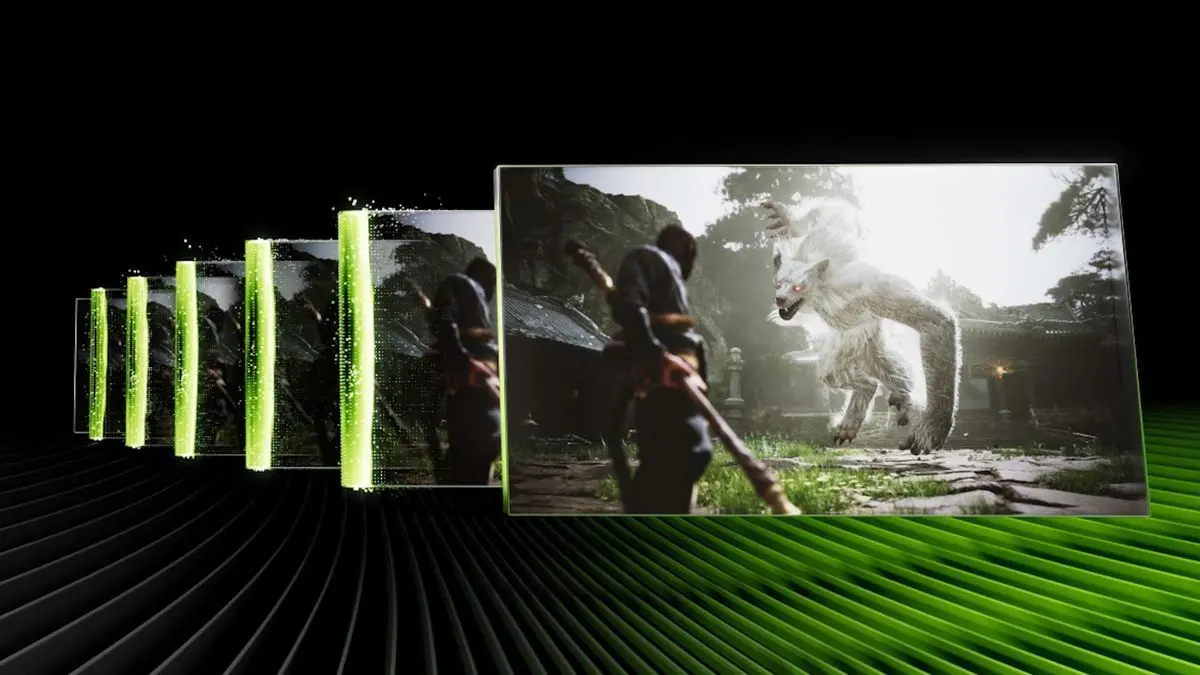
Beyond the core DLSS 5 optimizations, Nvidia introduced a new Frame Generation Performance Mode called Preset C through the Nvidia app beta. This feature works on both RTX 40 Series and RTX 50-series GPUs, using a lighter algorithm that replaces the secondary AI model previously used to calculate optical flow for elements like UI or ray-traced effects.
2
The new DLSS frame generation algorithm boosts performance by up to 35% on the RTX 5060, according to Nvidia's internal testing.
1
In Cyberpunk 2077 running at Medium RT with DLSS at Balanced on a 9800X3D system with 64GB DDR5, frame generation set to 2x achieved 132 FPS compared to 120 FPS with the original algorithm. At 4x, performance jumped from 197 to 244 FPS, while 6x mode increased from 255 to 348 FPS.2
Nvidia acknowledges the faster algorithm involves "minor trade-offs in image quality," though the company maintains these effects are subtle.
1
The streamlined approach reduces the impact on native rendering, potentially resulting in higher underlying frame rates and fewer typical frame generation artifacts.2
Hogwarts Legacy and Visual Refinements Address Early Criticism
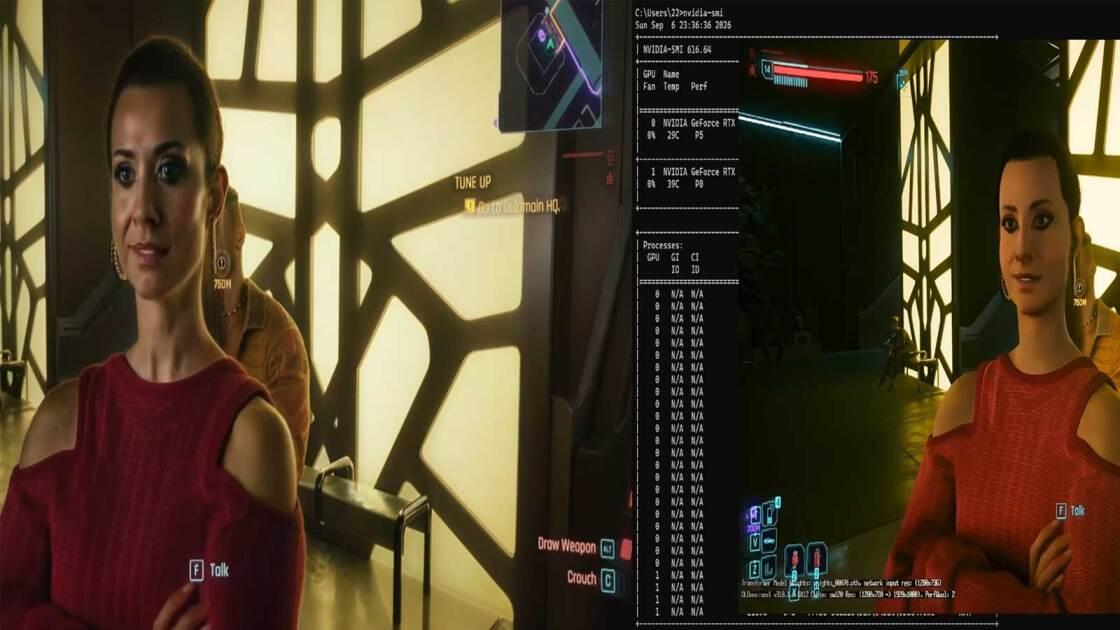
When Nvidia first showcased DLSS 5 earlier this year, the neural rendering technology faced immediate backlash from gamers who felt the company had "lost the plot" by bringing generative AI into video games. The most glaring issues involved facial transformations—a 15-year-old student from Hogwarts Legacy appeared much older, while Grace from Resident Evil Requiem looked artificially enhanced.
1
Nvidia DLSS 5 arrives in Hogwarts Legacy on November 5 with significantly toned-down visual changes. New comparison screenshots show facial alterations are now as subtle as those in NBA 2K27, with teenagers no longer resembling middle-aged adults and environmental modifications appearing more restrained.
1
Developer Avalanche Software adjusted the integration to maintain the game's intended visual style.5
The technology will also come to Where Winds Meet in late November, and RTX Remix gains support for the optimized model on October 23, allowing modders to apply neural rendering to compatible remastering projects.
5
Nvidia maintains that developers retain "detailed artistic control" over DLSS 5 implementation in their games.1
Related Stories
What These Changes Mean for Gamers
The rapid performance improvements signal Nvidia's responsiveness to criticism about DLSS 5's hefty resource requirements. The technology initially demanded powerful RTX 50-series GPUs to run smoothly, creating accessibility concerns as graphics card prices continue climbing.
4
However, questions remain about backward compatibility. Gamers are asking whether the optimized AI model will enable official support for RTX 40 Series cards, given the dramatic efficiency gains. Nvidia has promised to work on bringing support to last-generation GPUs after optimizing RTX 5000 performance, though this likely won't materialize until early next year.
4
The Frame Generation Performance Mode proves particularly valuable for RTX Spark laptops and users with modest GPUs like the RTX 5060, where every frame rate boost matters. While some users report increased glitching and artifacts with Preset C, experiences vary by game and individual sensitivity to visual anomalies.
4
As DLSS 5 matures, these early optimizations represent where the largest gains occur. Future performance improvements will likely become more incremental as the neural rendering technology approaches optimization limits. Independent benchmarks will determine real-world performance gains and image quality trade-offs across different games and GPU configurations.
5
The technology's expansion to GeForce Now and upscaling applications through RTX Remix suggests Nvidia views neural rendering as central to its graphics strategy moving forward.References
Summarized by

Navi
[3]
Related Stories
Nvidia DLSS 5 Officially Launches Sept 3 With NBA 2K27 Despite Leaks and Uncanny Valley Backlash
28 Aug 2026•Technology
Nvidia DLSS 4.5 launches with 6x frame generation and dynamic mode for RTX 50 series GPUs
31 Mar 2026•Technology

Nvidia DLSS 4.5 brings Dynamic Multi-Frame Generation to RTX 50-series GPUs on March 31
10 Mar 2026•Technology
Recent Highlights
1
OpenAI Drops 722 AI-Generated Math Proofs on Unsolved Problems, Sparking Existential Crisis
Science and Research

2
Meta Unveils Muse Wonder Frontier AI Models, Claims Performance Matching OpenAI and Anthropic
Technology

3
Microsoft and Nvidia Launch Surface Laptop Ultra: A $2,599 AI-Ready PC With RTX Spark Chip
Technology

Recent Highlights
Today's Top Stories








Don’t drown in AI news. We cut through the noise - filtering, ranking and summarizing the most important AI news, breakthroughs and research daily. Follow topics that matter to you and stay ahead.


