NVIDIA DLSS 5 Arrives in Hogwarts Legacy & RTX Remix Amid Ongoing Performance Controversy


5 Sources
[1]
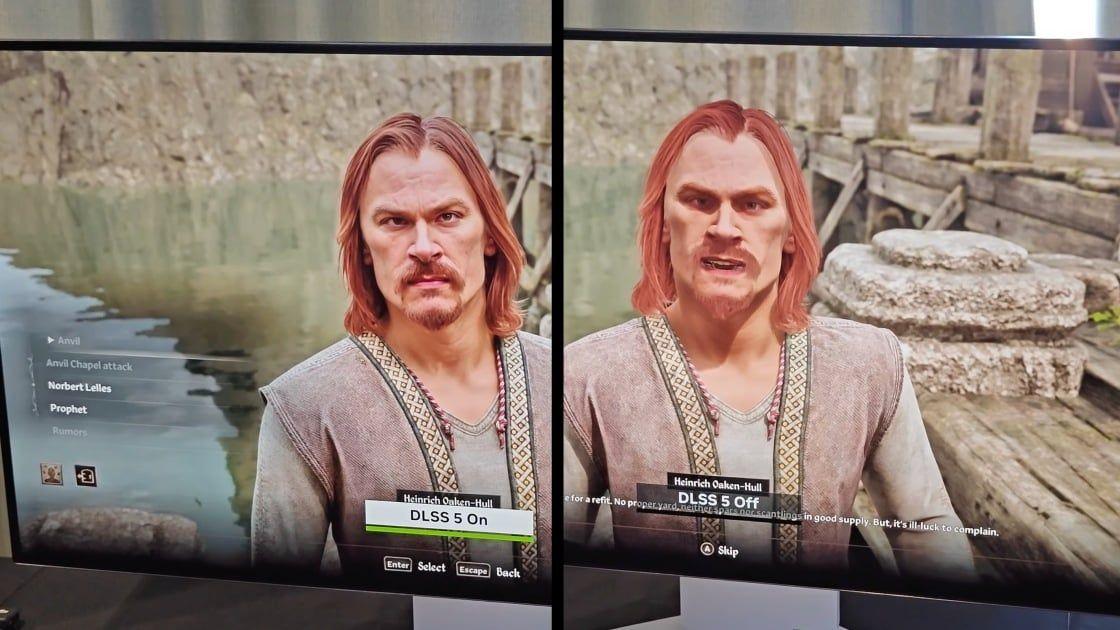
NVIDIA's controversial DLSS 5 is coming to RTX Remix to 'enhance' older games
The NVIDIA modding platform lets you remaster classic games with modern graphics. In case you've been hibernating under a boulder for the past six months, you probably know that the internet utterly hates DLSS 5 with a flaming passion. NVIDIA's DLSS 5 launched with NBA 2K27, and people really
[2]
Nvidia's DLSS 5 learned a new spell for Hogwarts Legacy: restraint
Hogwarts Legacy is just the second game to get Nvidia's controversial AI-powered graphics technology. This time, DLSS 5 knows when to leave things alone. endif; ?> Nvidia's controversial DLSS 5 technology is working its magic on Hogwarts Legacy today, but this time the AI isn't trying quite so
[3]
Official DLSS 5 support arrives in more games, including Hogwarts Legacy this week, so prepare to see how game devs are really harnessing Nvidia's AI-enhancing tool
Modders have been putting DLSS 5 in everything lately, but now more developers are showing how they'll harness the AI for the games they've created You might have seen headlines all over the place saying that DLSS 5 is working in all sorts of video games and applications, but it's important to
[4]
Nvidia DLSS 5 in Hogwarts Legacy has sparked a whole different controversy
As if Potterheads didn't have enough to worry about amid the controversy around the design changes in HBO's Harry Potter series, Hogwarts Legacy now has Nvidia DLSS 5 enhancements. The next generation of Nvidia's AI-driven neural rendering and upscaling came to the game today, and those following
[5]

NVIDIA DLSS 5 Comes to RTX Remix: What It Means for Older PC Games
NVIDIA is bringing DLSS 5 to RTX Remix, its modding platform for older games. The tech divides gamers, cuts frame rates and needs a powerful PC, though Engadget's tester likes its effect on character faces. NVIDIA is adding DLSS 5 to RTX Remix, its free modding platform for older PC games. RTX
Share
Copy Link
NVIDIA DLSS 5 officially launches in Hogwarts Legacy on November 5, marking the second game to support the AI-driven neural rendering technology. The update arrives alongside RTX Remix integration on October 23, though the AI-powered graphics enhancement continues to divide gamers over performance costs and artistic intent.
NVIDIA DLSS 5 Expands to Hogwarts Legacy and RTX Remix
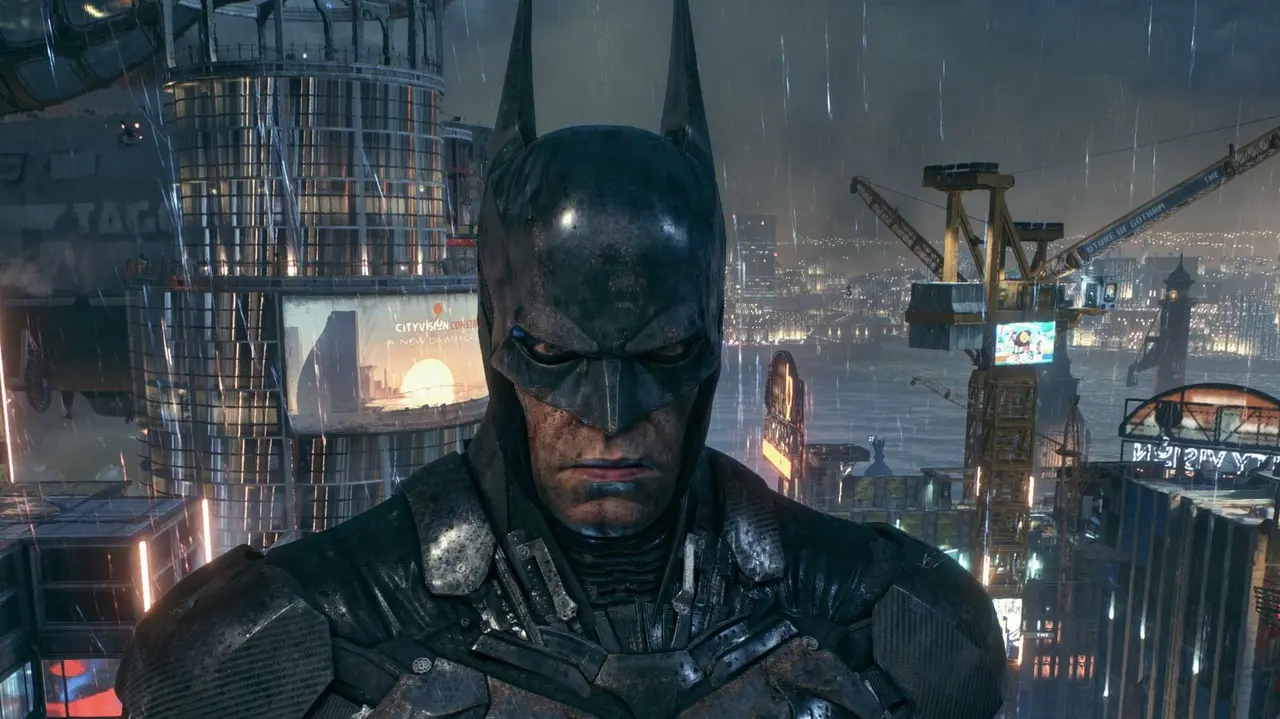
NVIDIA DLSS 5 is officially arriving in Hogwarts Legacy on November 5, becoming only the second game to support the controversial AI-powered graphics technology after NBA 2K27
2
. The wizarding adventure joins War Thunder (mid-November) and Where Winds Meet (November 23) in receiving official support for the AI-driven neural rendering system3
. Additionally, NVIDIA is integrating DLSS 5 into RTX Remix on October 23, its free modding platform that has been available since early 2024, allowing modders to inject the technology into classic games alongside ray tracing and AI-upscaled textures1
5
.A More Restrained Approach to AI Enhancement
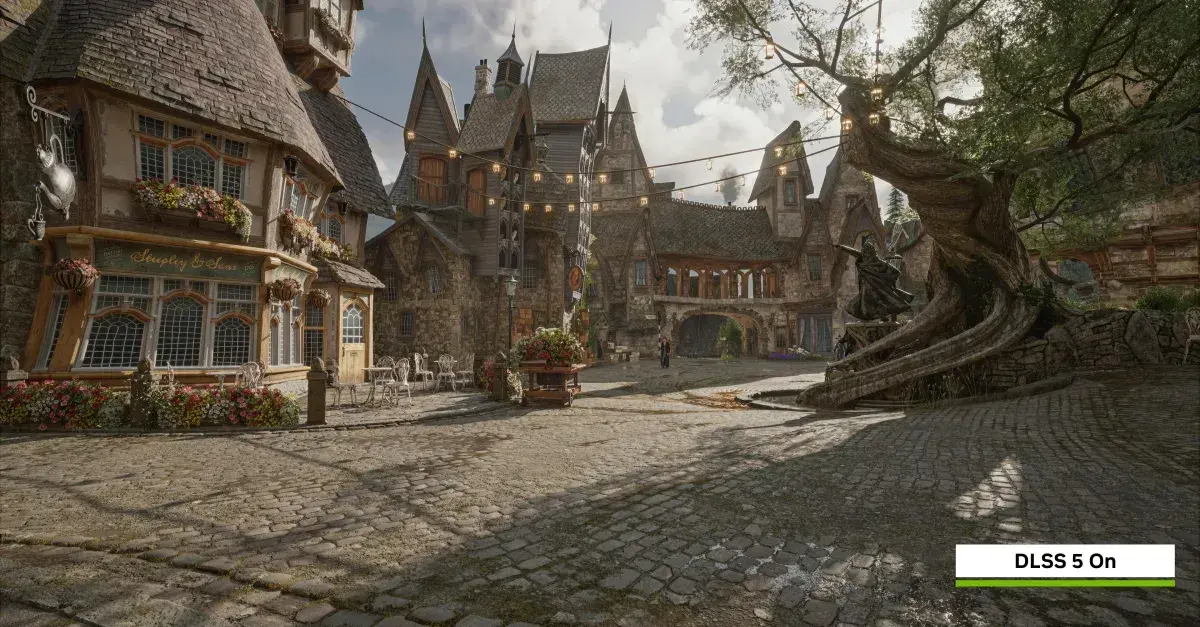
The Hogwarts Legacy implementation showcases a notably subdued version of NVIDIA DLSS 5 compared to the technology's controversial debut. Avalanche Software worked directly with NVIDIA to fine-tune environmental details, lighting, and skin characteristics while preserving the game's original artistic intent
2
. The AI-enhancing tool now offers developers independent control over lighting and structural detail, different neural models for specific scenes, and masking capabilities to protect particular objects or characters from AI modification2
. Official comparisons reveal richer lighting throughout Hogsmeade, deeper shadows, enhanced moss against weathered rooftops, and more convincing foliage shadows, while character transformations remain subtle—a stark departure from the dramatic facial makeovers that sparked the initial DLSS 5 controversy2
.Performance Improvements and Hardware Requirements
NVIDIA claims a tenfold performance improvement since the March showcase that originally required two RTX 5090 graphics cards to demonstrate DLSS 5
2
. The latest neural rendering model runs twice as fast as September's version while consuming 20 percent less VRAM at 4K resolution2
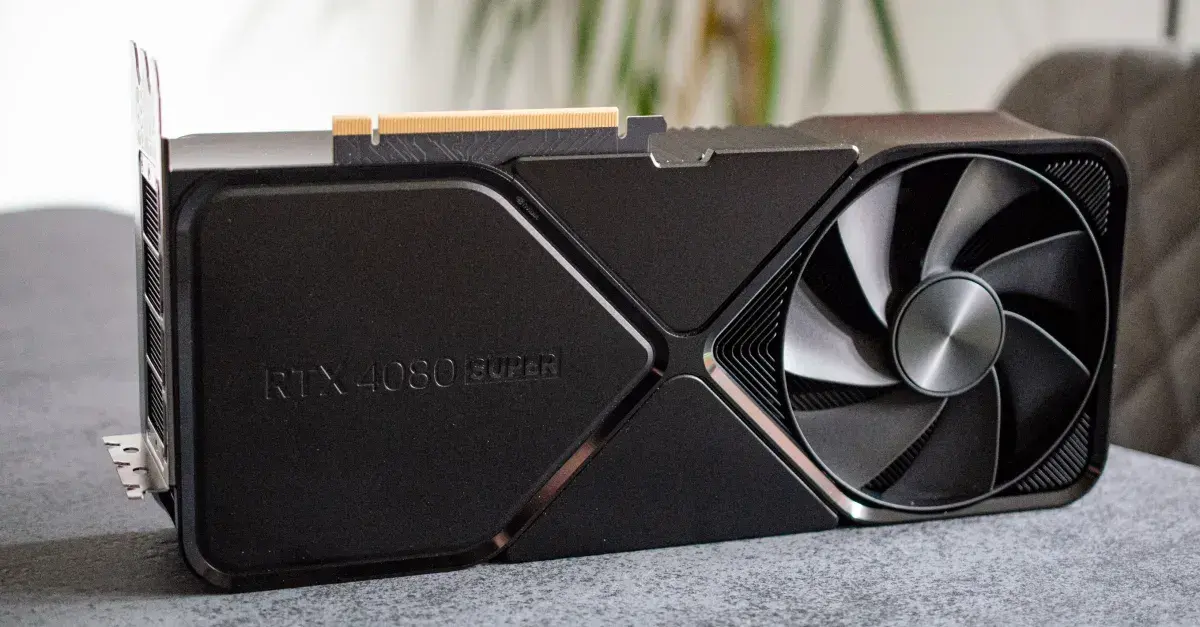
. The technology now supports GeForce RTX 50-series desktop and laptop GPUs, RTX Spark systems, and GeForce Now Ultimate2
. NVIDIA touts up to 300fps at 4K on an RTX 5090 with maximum settings and ray tracing enabled, though this figure relies on 6X Multi Frame Generation rather than traditionally rendered frames2
. Despite these gains, the technology still cuts frame rates by approximately 25% at 1440p in NBA 2K27, with earlier third-party implementations showing drops of 30% to 60%5
.Related Stories
Community Access Through Unofficial Tools
Following the leak of an early NBA 2K27 build, modders quickly developed community tools that enable DLSS 5 injection into virtually any PC game on RTX GPU systems
1
. Applications like DLSS 5 Manager and DLSS 5 Swapper automatically scan game libraries and install necessary DLL files for Vulkan and DirectX titles spanning DX9 through DX121
. The DLSS 5 Swapper tool detects rendering APIs automatically and allows users to restore original files with a single click1
. However, games employing anti-cheat software like GTA V Enhanced Edition with BattlEye prevent the modded technology from launching1
5
.Divided Reception Over Visual Fidelity and Artistic Intent
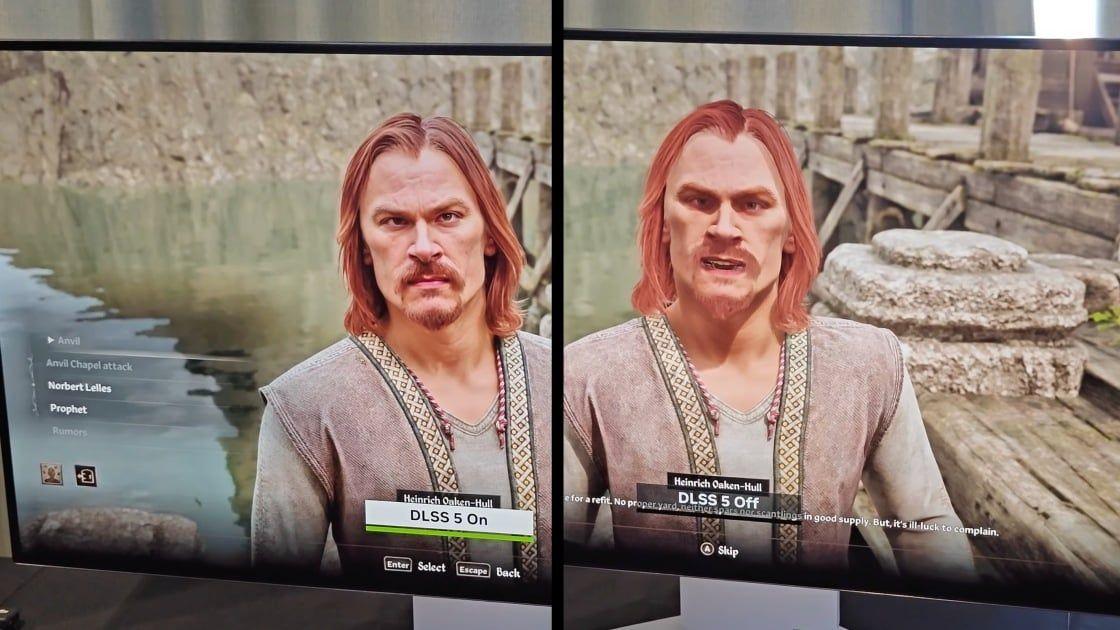
The gaming community remains sharply divided on NVIDIA DLSS 5's value proposition. Critics argue the generative AI technology fundamentally betrays artistic intent by drastically altering lighting on thousands of titles at the press of a button
1
. Unlike previous DLSS generations that boosted frame rates, DLSS 5 can slash performance by 50 percent or more in certain games, making it expensive to run even on high-end hardware1
5
. Some observers now claim the Hogwarts Legacy implementation has been over-corrected, with YouTube commenters struggling to identify meaningful differences in side-by-side comparisons and questioning whether the visual uplift justifies demanding an additional 100-200 watts of power4
. Testing in NBA 2K27 revealed that while lighting and character detail appeared startling, the enhanced photorealism made stiff animations painfully obvious, creating an uncanny valley effect where improved graphics highlighted animation limitations2
. Engadget's Dave Meikleham, describing himself as a reluctant defender, reports preferring the upscaling technology in Cyberpunk 2077, Control, and Resident Evil 2 and 3 remakes, suggesting selective activation in games featuring frequent close-ups of character faces1
5
. Watch how developers leverage DLSS 5's versatility across the upcoming trio of officially supported games, particularly in titles like Hogwarts Legacy and Where Winds Meet that employ stylized takes on photorealism rather than the broadcast-style realism of NBA 2K273
.References
Summarized by

Navi
[5]
Related Stories
Nvidia DLSS 5 Officially Launches Sept 3 With NBA 2K27 Despite Leaks and Uncanny Valley Backlash
28 Aug 2026•Technology
NVIDIA DLSS 5 brings Hollywood-level AI graphics to gaming this fall amid controversy
17 Mar 2026•Technology
Nvidia's DLSS 5 AI tool sparks fierce backlash over beauty filter effects on game characters
25 Mar 2026•Technology
Recent Highlights



Recent Highlights
Today's Top Stories






Don’t drown in AI news. We cut through the noise - filtering, ranking and summarizing the most important AI news, breakthroughs and research daily. Follow topics that matter to you and stay ahead.


