Nvidia in Talks to Acquire Reflection AI, Signaling Major Shift in AI Model Competition


2 Sources
[1]
Nvidia in talks to acquire or invest further in Reflection AI
The discussions are at an early stage and could result in an acqui-hire, additional chips, or an increased equity stake Nvidia $NVDA is in talks to acquire or further invest in Reflection AI, a startup focused on open-weight AI models, the Financial Times reported, according to Bloomberg. No terms
[2]
Nvidia's 'Reflection' move could put customers on edge
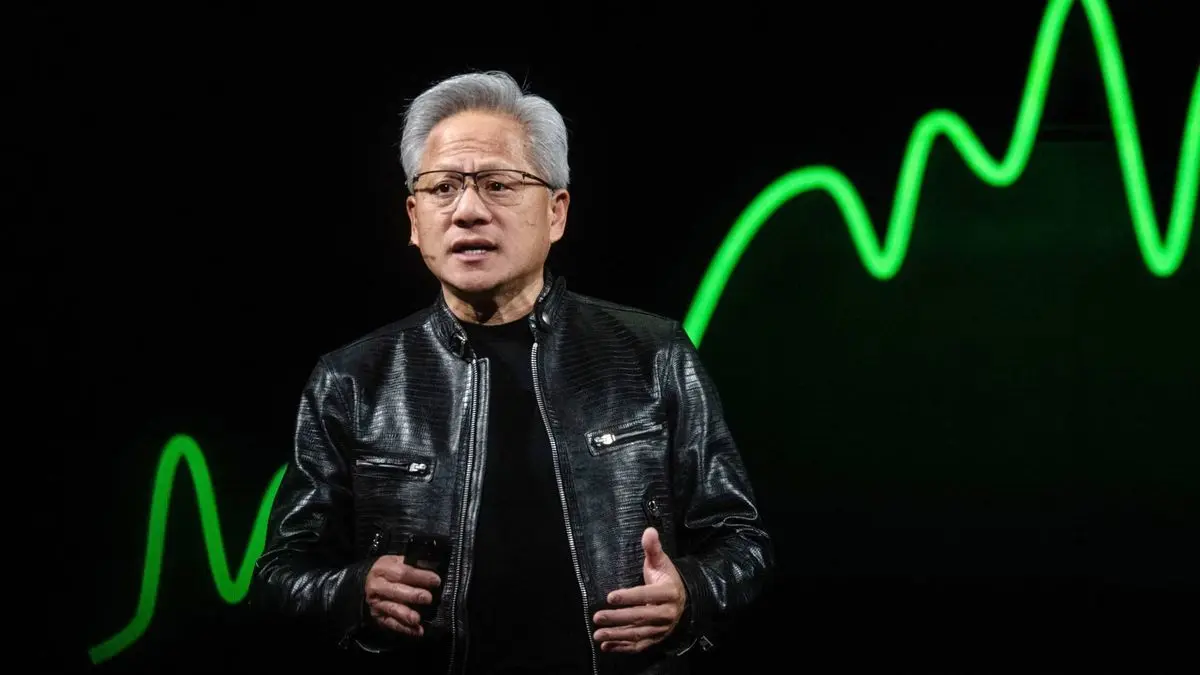
Selling the infrastructure that drove the artificial intelligence revolution allowed Nvidia to amass enormous profits. Jensen Huang, the CEO, could now want a larger portion of the intelligence operating on top of it. Nvidia (NVDA) is reportedly in early talks to buy Reflection AI, invest more
Share
Copy Link
Nvidia is negotiating to acquire or invest further in Reflection AI, a startup developing open-weight AI models for automating software development. The chipmaker already invested $800 million and the deal could value Reflection at $25 billion. This move would shift Nvidia from pure infrastructure provider into direct AI model competition.
Nvidia Explores Acquisition of Reflection AI in Strategic Pivot
Nvidia is in early-stage discussions to acquire or increase its investment in Reflection AI, a startup specializing in open-weight AI models, according to reports from the Financial Times and Bloomberg
1
. The chipmaker has already invested $800 million in Reflection and is now considering multiple deal structures, including an acqui-hire that would bring Reflection's staff and technology under Nvidia's control, additional chip supply agreements, or an expanded equity stake1
.Reflection AI was founded in 2024 by Misha Laskin and Ioannis Antonoglou, both former researchers at Google DeepMind
1
. The startup develops tools for automating software development and recently launched Beam, its first open-weight model designed for coding, reasoning, and AI-agent tasks1
. According to Reflection, Beam's performance on advanced reasoning benchmarks matches GLM-5.2, a flagship open model from China's Z.AI1
.Deal Structure and Valuation Details
The negotiations remain fluid, with no terms finalized. Earlier this year, Reflection CEO Laskin indicated the company was seeking investment at a $25 billion pre-money valuation
1
. A deal could materialize within weeks, though discussions could also collapse, Reuters reported1
. Reflection has secured substantial computing power through billion-dollar agreements with Elon Musk's SpaceX and cloud provider Nebius Group1
.This potential acquisition extends Nvidia's recent dealmaking spree in the AI stack. The company completed a $13 billion purchase of AI model company Hugging Face in September and established a licensing arrangement with chip startup Groq valued at roughly $20 billion
1
. Jensen Huang has publicly advocated for open-weight AI models, arguing that U.S. development of this technology could reduce dependence on cheaper Chinese alternatives1
.Strategic Implications for Nvidia's Business Model
This move represents a fundamental shift in Nvidia's positioning within the AI ecosystem. For years, Nvidia maintained a neutral stance as the infrastructure provider to all AI model developers—whether OpenAI, Anthropic, or Meta Platforms
2
. By acquiring deeper control of Reflection AI, Nvidia would enter direct AI model competition rather than simply enabling it2
.The timing proves significant. Reflection launched Beam on October 5, and acquisition reports surfaced days later
2
. Training Beam required thousands of Nvidia GB300 GPUs, creating a self-reinforcing cycle where Nvidia profits from both model training and subsequent deployment2
. This mirrors Apple's ecosystem strategy—controlling hardware, software, and services rather than just selling devices2
.Related Stories
Potential Risks to Customer Relationships
The acquisition introduces a competitive dynamic that hasn't existed during Nvidia's dominance. When the company that sells infrastructure to everyone starts mining for gold itself, customers may question which side Nvidia supports
2
. Companies developing their own AI models could view Nvidia-backed Reflection as a competitor, potentially straining relationships that have driven Nvidia's extraordinary growth2
.However, immediate defection seems unlikely. Few alternatives match Nvidia's scale for GPUs and AI infrastructure, giving the company significant leverage even as it expands into new territory
2
. The question becomes whether Nvidia can maintain its position as the neutral arms dealer while simultaneously competing in the AI model market.Open-Weight Models and Market Positioning
Reflection's focus on open-weight AI models addresses growing demand from enterprises, governments, and institutions requiring control over their AI deployments. Open-weight software makes a model's underlying parameters publicly available, allowing developers to build on or adapt it independently
1
. Banks handling sensitive financial data, militaries requiring secure systems, and corporations wanting to customize AI with proprietary information increasingly prefer this approach over closed systems from OpenAI and Anthropic2
.This strategic bet aligns with President Donald Trump's July 2025 AI action plan, which called for ensuring the U.S. maintains leadership in open models
1
. By controlling a major player in open-weight AI models, Nvidia positions itself at the intersection of national AI strategy and commercial opportunity, potentially winning at multiple levels of the AI stack simultaneously.References
Summarized by

Navi
[2]
Related Stories
Reflection AI Debuts Beam Model to Challenge Chinese Open Models at Lower Compute Cost
05 Oct 2026•Technology

Nvidia pursues Perplexity investment at $30B valuation as AI search startup triples revenue
24 Aug 2026•Business and Economy
Nvidia to Acquire Hugging Face for $13 Billion in Strategic Move to Dominate Open-Source AI
24 Aug 2026•Business and Economy

Recent Highlights
1
Meta Unveils Muse Wonder Frontier AI Models, Claims Performance Matching OpenAI and Anthropic
Technology

2
Microsoft and Nvidia Launch Surface Laptop Ultra: A $2,599 AI-Ready PC With RTX Spark Chip
Technology

3
Meta Muse AI Agent Surges to 6.6M Downloads Despite Privacy and Security Controversies
Technology

Recent Highlights
Today's Top Stories







Don’t drown in AI news. We cut through the noise - filtering, ranking and summarizing the most important AI news, breakthroughs and research daily. Follow topics that matter to you and stay ahead.


