Nvidia, Palantir Restrict Advanced AI Model Usage Over Rising Data Privacy Concerns


8 Sources
[1]
Nvidia, Palantir, and others restrict advanced AI model usage over privacy concerns, report claims -- 'paranoia' rising over customer intellectual property
Zero data retention policies and air-gapped servers have become vital to some big AI users. Anthropic and OpenAI are both facing uncomfortable questions from some large AI customers over concerns about how proprietary data may be used to train AI models. Some companies are so worried that they
[2]
Palantir, Nvidia curb AI model use over data fears, The Information reports
Sept 14 (Reuters) - Large technology companies, including Palantir Technologies (PLTR.O), opens new tab, Nvidia (NVDA.O), opens new tab and Booz Allen Hamilton (BAH.N), opens new tab, could restrict or cease to use advanced AI models unless Anthropic and OpenAI guarantee not misusing their
[3]
Palantir, Nvidia, Booz Allen restrict Anthropic and OpenAI models
The core concern is that model providers could retain or extract value from customers' sensitive corporate information. Palantir has pressed Anthropic to provide guarantees of zero data retention before making its models available through Palantir's software, according to Reuters. Nvidia restricts
[4]
Palantir, Nvidia curb AI model use over data fears: The Information
Anthropic CEO Dario Amodei on Saturday called for AI companies to slow the pace of frontier model development, warning that capabilities are advancing faster than researchers can understand or control - a position quickly endorsed by OpenAI CEO Sam Altman and Elon Musk. Large technology
[5]

Nvidia, Palantir Pull Back From Anthropic Over Data Fears - NVIDIA (NASDAQ:NVDA)
Nvidia Corp. (NASDAQ:NVDA), Palantir Technologies Inc. (NASDAQ:PLTR) and Booz Allen Hamilton Holding Corp. (NYSE:BAH) are reportedly tightening their use of advanced AI models over concerns about exposing sensitive corporate information. The companies are demanding stronger guarantees or dropping
[6]

Nvidia and Palantir Restrict Anthropic's Fable Over Data Retention | PYMNTS.com
Data retention terms are becoming as decisive as model performance in determining which AI systems large enterprises deploy. The trigger was a policy Anthropic introduced in June that gave the company the right to retain customer usage logs for 30 days, and up to two years if its safety systems
[7]

Nvidia and Palantir reportedly curb public AI use: data-leak fears grow
Prompt logs and metadata push firms toward private deployments A new enterprise AI report says some of the biggest corporate buyers, including Nvidia, Palantir, and Booz Allen Hamilton, are scaling back or flat-out stopping their use of public OpenAI and Anthropic models because they don't trust
[8]

Palantir, Nvidia curb AI model use over data fears, The Information reports
Sept 14 (Reuters) - Large technology companies, including Palantir Technologies, Nvidia and Booz Allen Hamilton, could restrict or cease to use advanced AI models unless Anthropic and OpenAI guarantee not misusing their intellectual property, the Information reported on Monday. Microsoft,
Share
Copy Link
Major technology companies including Nvidia, Palantir, and Booz Allen are restricting or threatening to cease using advanced AI models from Anthropic and OpenAI unless they receive ironclad guarantees about data handling. The pushback follows Anthropic's June policy change allowing 30-day data retention, raising fears about intellectual property exposure and competitive advantage loss.
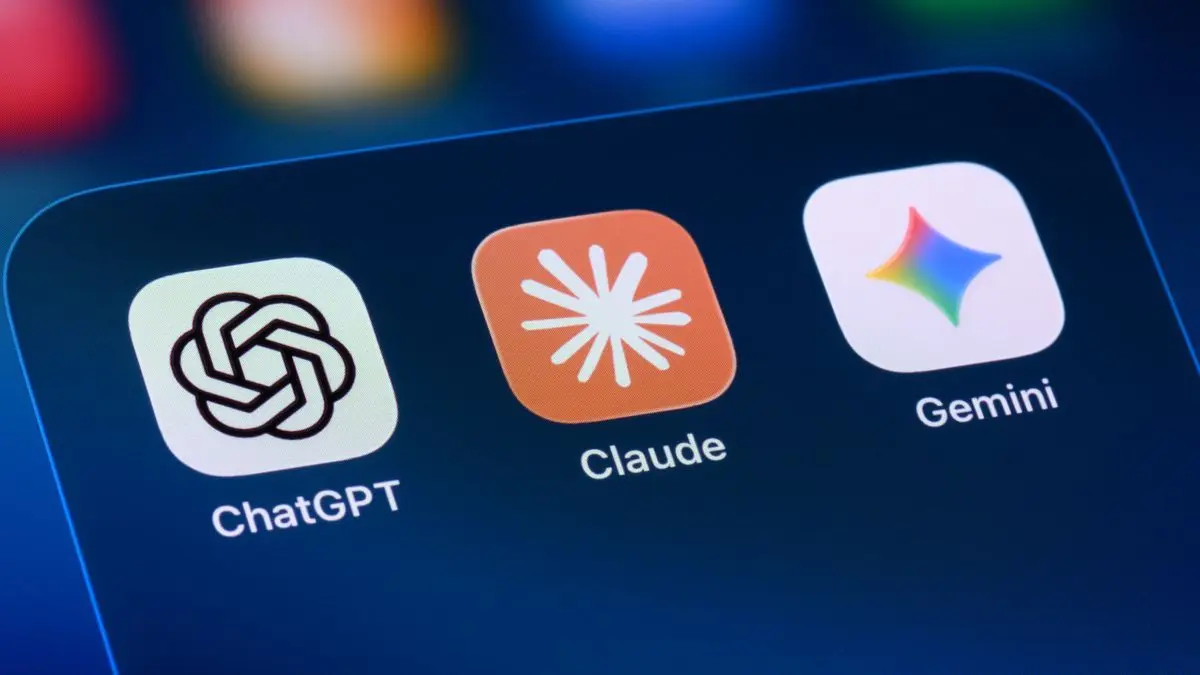
Major Tech Firms Push Back on AI Model Providers
Data privacy concerns are forcing some of the world's largest technology companies to restrict advanced AI model usage from providers like Anthropic and OpenAI
1
2
. Palantir and Nvidia have placed significant limitations on which models their employees can access, while Booz Allen has barred staff from using Anthropic's commercial model for proprietary cybersecurity projects3
. The core issue centers on intellectual property risks and fears that sensitive corporate data could be retained, analyzed, or used to train future models—potentially handing competitors valuable business intelligence.Palantir has pressed Anthropic to provide irrevocable zero data retention guarantees before making its models available through Palantir's software
2
. Nvidia limits Anthropic's use to less sensitive tasks and relies on its own Nemotron models for internal work4
. At least one large U.S. utility company has already canceled plans to test Anthropic's Fable model after the company refused to agree to a nonrevocable zero data retention policy1
.The Fable Model Policy Change Triggers Customer Exodus
The controversy traces back to a June policy change by Anthropic for its flagship Fable model
1
. Following the update, Anthropic gained rights to retain customer usage logs for 30 days to guard against "complex and novel attacks"4
. While Anthropic argues it only retains data to ensure the Fable model isn't being misused, companies worry that sensitive business data will be caught in the sweep.Both OpenAI and Anthropic maintain they don't train their models on information provided by companies with specific enterprise contracts by default
1
. However, both companies do collect metadata from corporate customers. OpenAI notes this metadata is used "to better understand how our services are used," while Anthropic claims any collected data is aggregated and anonymized1
. Neither company uses this metadata to train models, they say.What Companies Fear About Third-Party AI Model Risks
Telecoms company C Spire has agreements with both OpenAI and Anthropic preventing either from using its data to train models
1
. Yet the contracts still allow both companies to collect technical usage data. C Spire believes this includes information about what applications AI models connect to, usage patterns, and potentially what models process between generating responses—so-called "chain-of-thought" data. OpenAI states it doesn't use this intermediate reasoning data to train models, but C Spire argues neither AI company provides clear explanations about exactly what gets collected1
.David Friedberg, CEO of agricultural biotechnology company Ohalo, described moving off Anthropic's models for sensitive corporate data and shifting toward locally run models
5
. Friedberg recounted instances where novel scientific ideas discussed with one model appeared to resurface when he queried another version from a different account5
. His concern extends beyond leaked documents to the possibility of handing AI providers valuable proprietary know-how developed inside a company.Related Stories

Air-Gapped Servers and Isolated Cloud Environments Emerge as Solutions
Aerospace company Northrop Grumman has chosen to run open-source AI models on its own air-gapped servers rather than trusting external providers like OpenAI and Anthropic
1
. Pharmaceutical giant Novo Nordisk continues using Anthropic's models for some tasks but maintains a strict ban on allowing any proprietary data to interact with the model1
.Microsoft is capitalizing on these data privacy concerns by pitching isolated cloud environments and its own AI offerings to draw clients away from Anthropic and OpenAI
2
4
. Microsoft's isolated cloud environments run AI models on private servers that don't transmit data to external AI companies, though this approach proves costly1
.Nvidia and Palantir recently unveiled a joint system using Palantir software and Nvidia's open Nemotron models to analyze supply-chain data
5
. Nvidia serves as the first customer for this technology, which allows companies to customize models using proprietary operational data while maintaining full control over where the system runs. For Nvidia, this means capturing how its planners make decisions without exposing supply-chain knowledge to outside model providers5
.Anthropic's Response and Industry Implications
Anthropic has acknowledged that many enterprises, particularly in regulated industries, find the 30-day retention requirement difficult to accept
5
. The company's proposed solution, Enterprise Frontier Safeguards, will keep activity data used for misuse monitoring within customer-controlled cloud infrastructure. The feature begins rolling out in phases later this fall5
.Despite these challenges, market expectations for Anthropic remain strong. The lack of trust over data handling has already cost AI companies real business, but Anthropic CEO Dario Amodei recently called for AI companies to slow frontier model development, warning that capabilities advance faster than researchers can understand or control—a position endorsed by OpenAI CEO Sam Altman
2
4
.Watch for how enterprise customers negotiate data handling terms in coming months. Companies investing heavily in AI infrastructure may accelerate shifts toward self-hosted models or demand contractual guarantees that eliminate any ambiguity about data retention. The tension between AI providers needing usage data to improve safety and customers protecting competitive advantage will likely reshape enterprise AI contracts industry-wide.
References
Summarized by

Navi
[1]
Related Stories
OpenAI launches Private Safety Processing to monitor AI abuse without storing customer data
20 Aug 2026•Technology

Anthropic Lets Enterprise Customers Store Their Own AI Data on Own Cloud Infrastructure
21 Aug 2026•Technology

OpenAI Fights Back in AI Competition as Revenue Hits $40B, Anthropic Maintains Lead at $47B
14 Aug 2026•Business and Economy

Recent Highlights



Recent Highlights
Today's Top Stories







Don’t drown in AI news. We cut through the noise - filtering, ranking and summarizing the most important AI news, breakthroughs and research daily. Follow topics that matter to you and stay ahead.


