Open-Source UEFI Tool Unlocks Hidden AI Power on Nvidia RTX 20, 30, and 40-Series GPUs


8 Sources
[1]
Open-source USB tool unlocks Nvidia's half-speed GPU AI limiter on Windows -- lifts GPU's FP16 math performance up to 65%, UEFI unlocker covers RTX 20, 30, and 40-series desktops and laptops
It runs from a USB stick before Windows loads and has to run again on every boot. A new open-source UEFI tool boots from USB and unlocks significant extra tensor performance on RTX 20, 30, and 40-series desktop and laptop GPUs, making the half-speed AI throttle hack a whole lot easier to try on
[2]
Nvidia RTX 20, 30, and 40-series GPUs hacked to remove a half-speed AI throttle -- firmware exploit doubles RTX 4090's peak tensor rate, lifts RTX 3090 Ti matrix math up to 80%
Real workloads gain less than peak tensor rates, and chatbot token speeds stay about the same. Modders have discovered a way to remove imposed half-speed AI performance limits on Nvidia RTX 20, 30, and 40-series GPUs with a firmware exploit, VideoCardz reports. Without the limitation, the RTX 4090
[3]
Modders unlock hidden AI power on Nvidia RTX 20-, 30-, and 40-series GPUs, nearly doubling some benchmarks
Serving tech enthusiasts for over 25 years. TechSpot means tech analysis and advice you can trust. Sounding off: A used RTX 3090 has become the go-to card for running AI models at home, mostly because 24GB of memory costs far less on a gaming card than on a workstation one. That bargain comes
[4]
Modders report up to 75% higher AI compute on GeForce RTX 20, 30 and 40 cards
An open-source UEFI tool called NV UEFI Unlocker is bringing an earlier GPU modification technique to Windows and automating its setup for selected GeForce RTX 20-, 30- and 40-series cards. Its developer, physicsdolphin, says the tool changes firmware-level registers before NVIDIA's driver loads,
[5]
Modders unlock NVIDIA GeForce RTX 20, 30 and 40 series compute limits, nearly doubling some Tensor Core throughput
Modders unlock FP16 and BF16 limits on NVIDIA GeForce RTX 20, 30 and 40 series GPUs, while real-world AI workload gains range from 14% to 60%. Modders have found a way to remove the artificial compute limits NVIDIA places on consumer GeForce cards, making them nearly as capable as professional RTX
[6]

Free firmware unlock nearly doubles AI speed on your RTX 30 and 40 GPU
* Modders unlocked firmware limits, nearly doubling ML/AI tensor throughput on RTX 20/30/40 on Linux. * No gaming benefit; gains only affect FP16/BF16 AI math - helps local LLMs, upscalers, and ML workloads. * Linux-only, manual boot setup and warranty void; could spike secondary market demand
[7]

Open Source Exploit Unlocks 39% More Speed on Nvidia RTX 4090
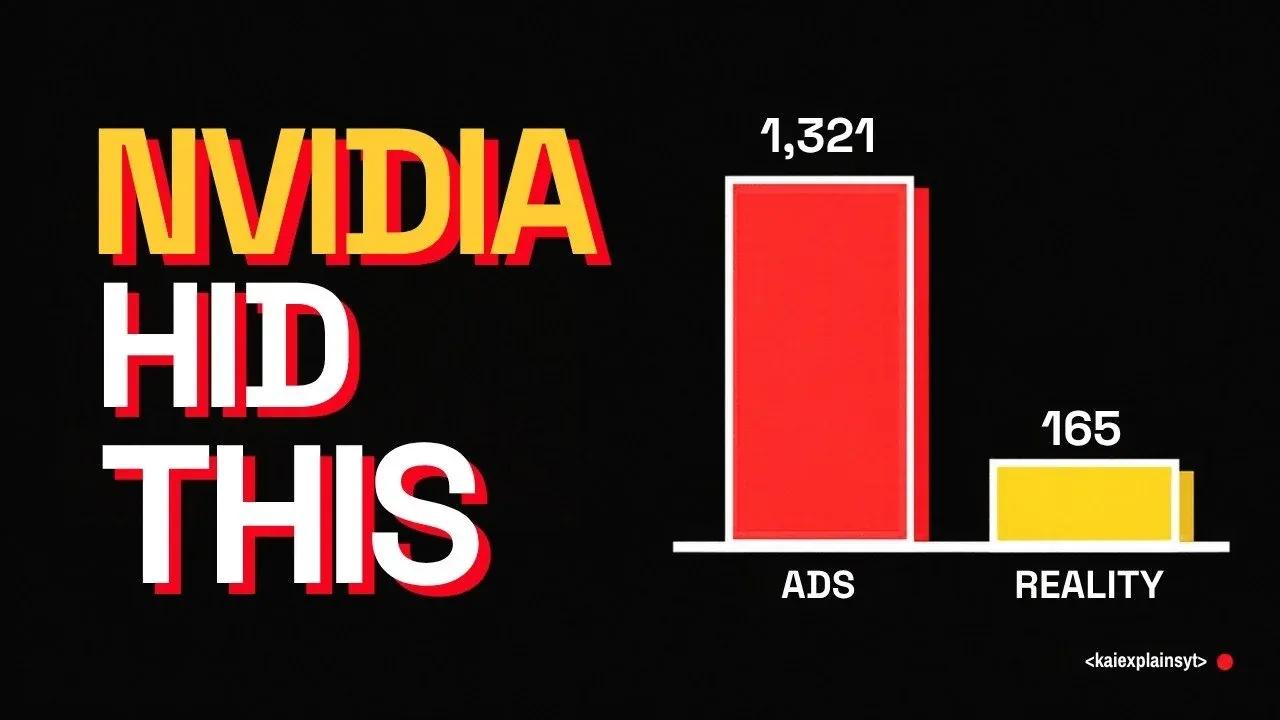
Nvidia's consumer GPUs, including high-end models like the RTX 4090, are often touted as ideal for AI workloads. However, as Kai explains, these GPUs come with hidden firmware-level restrictions that can significantly limit their performance in real-world scenarios. For instance, tasks requiring
[8]

New NVIDIA UEFI GPU Unlocker Brings Up To 75% Higher AI Compute Performance To RTX 20, 30 & 40 Series GPUs On Windows
A new open-source tool called NV UEFI Unlocker promises to unleash previously restricted Tensor Core compute performance on NVIDIA GeForce RTX 20, 30, and 40 Series GPUs, bringing functionality previously associated primarily with Linux-based modifications to Windows users. Developed by GitHub
Share
Copy Link
A new open-source UEFI tool called nv-uefi-unlocker removes Nvidia's artificial AI performance limits on RTX 20, 30, and 40-series GPUs, delivering up to 65% faster FP16 math performance. The tool runs from a USB stick before Windows loads, eliminating the need for VBIOS flashing or driver patches while making previously restricted Tensor Core throughput accessible to GeForce owners.
Open-Source UEFI Tool Brings AI Performance Unlock to Windows
A new open-source tool called nv-uefi-unlocker has made it significantly easier for owners of Nvidia RTX 20, 30, and 40-series GPUs to unlock hidden AI performance on Windows systems. The tool removes Nvidia's half-speed AI throttle without requiring VBIOS flashing or driver modifications, running entirely from a bootable USB drive before the operating system loads
1
. The developer's own laptop RTX 4060 achieved 65% higher FP16 math performance, jumping from 29.89 to 49.33 TFLOPS in testing4
.The nv-uefi-unlocker project builds on earlier community efforts like Zagitta's gpu-unlock and includes an RTX 40 fork called gpu-unlock-ada
1
. Previously, removing the AI limiter required manually installed Linux modules with only experimental Windows support, making the process intimidating for many users. This unified tool changes that by automating the setup process and providing compatibility across desktop and laptop systems.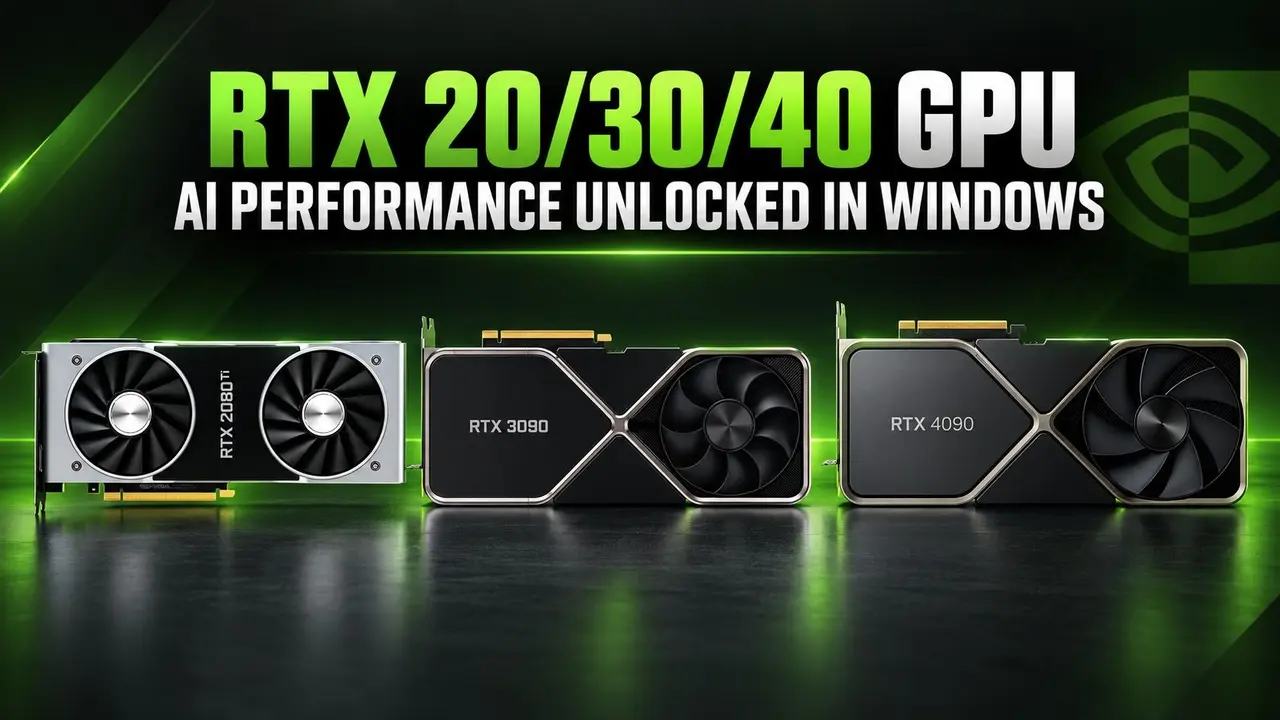
Source: Wccftech
How the Firmware Exploit Removes Nvidia's Tensor Core Restrictions
Nvidia artificially limits GeForce cards to run FP32-accumulate math at half the speed of FP16-accumulate operations, a restriction that doesn't apply to professional RTX workstation cards built on identical chips
3
. The unlock works by exploiting a stack buffer overflow in Nvidia's signed SEC2 Booter firmware, discovered after Nvidia published a debug Booter encrypted with a known public test key2
.The firmware exploit uses the V67 payload to trick Nvidia's signed Booter firmware into opening the write lock on two speed-selector registers, allowing Tensor Core units to run at full rate
1
. The tool runs in the UEFI firmware stage before the OS loads Nvidia's GPU driver, meaning the unlock doesn't persist through power loss and must be reapplied on every boot1
. Systems must boot in UEFI mode with Secure Boot disabled or configured to trust self-signed EFI files.Performance Gains Vary Significantly Across Workloads and GPU Models
The RTX 4090 achieved the most dramatic peak performance improvement, with FP16 instruction rates doubling from 165.6 to 331.6 TFLOPS and BF16 climbing from 165.5 to 330.6 TFLOPS
2
. However, real matrix math workloads showed more modest gains of 12% to 34% in cuBLAS GEMM medians for one independent owner's testing, though a separate RTX 4070 Ti on Windows saw larger improvements of 80.1% and 76.4%2
.For RTX 30-series cards, an RTX 3090 Ti at 450W showed FP16 gains of 35%, BF16 improvements of 80%, and TF32 increases of 94% in matrix multiply benchmarks
2
5
. User reports documented BF16 matrix multiply gains ranging from 25% to 67% for the RTX 3090, with power limits mattering significantly—the lowest 25% figure came from cards capped at 225W2
. The RTX 3070 saw 73% to 81% improvements, while the RTX 3060 12GB achieved around 80% gains2
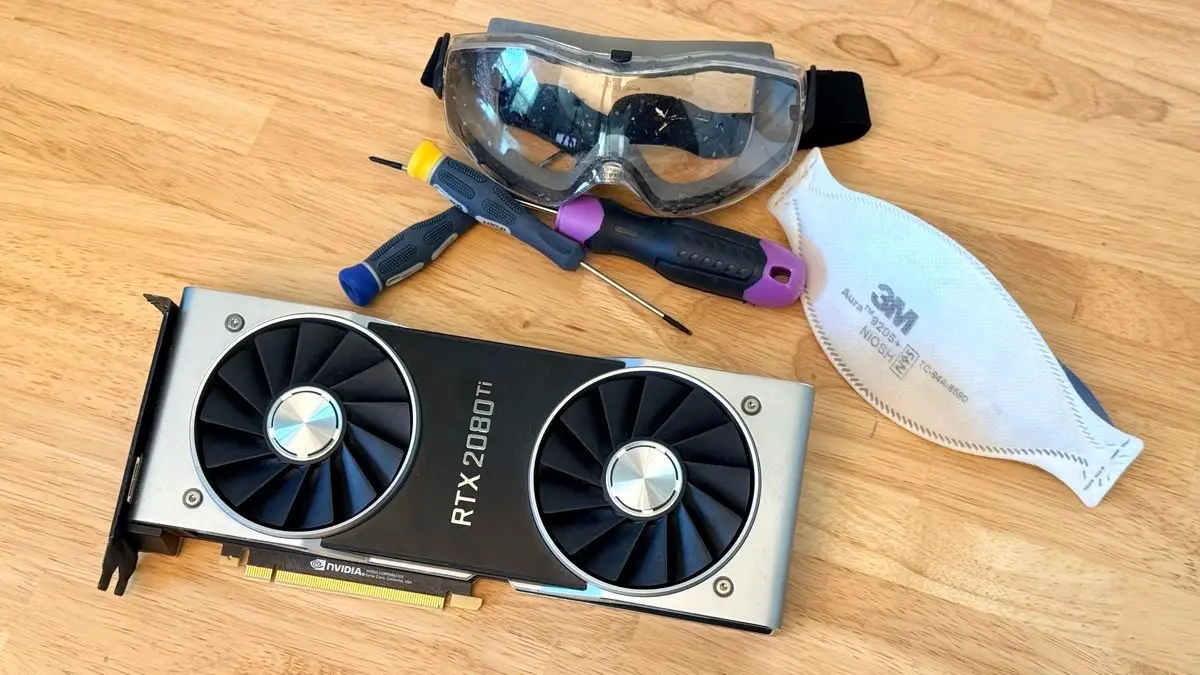
.RTX 20-series results showed an RTX 2080 Ti with 22GB memory modification achieving FP16 matrix multiply improvements between 36% and 64% depending on matrix size, with one variant at 260W seeing 59% gains
2
3
. The developer's desktop RTX 2070 jumped from approximately 34 TFLOPS to around 62 TFLOPS in FP16 matrix multiply operations1
, representing roughly 67% to 75% improvement4
.Real-World AI Applications See Mixed Results
While synthetic benchmarks show impressive TFLOPS increases, actual AI workload performance varies considerably. For LLM prefill operations, improvements ranged from 14% to 36%, with diffusion models and FlashAttention also seeing speedups
2
. However, chatbot token generation speeds remained largely unchanged because text generation is constrained by memory bandwidth rather than compute throughput2
3
.Image generation workloads showed more tangible benefits. One RTX 3080 LHR owner reported a 28.8% improvement in ComfyUI SDXL, substantially below some synthetic benchmark deltas but still meaningful for practical use
4
. An RTX 3090 Ti running ComfyUI saw roughly 56% to 59% higher throughput in BF16 image models, though INT8 operations barely moved5
. Gaming performance remains unaffected, as games rarely use the specific FP32-accumulate tensor operations targeted by the unlock3
.Related Stories

Setup Requirements and Compatibility Considerations
The setup process involves downloading the release, running a script that grabs Nvidia's public 610.43.03 driver packages and rebuilds firmware files locally, then copying the rebuilt files and BOOTX64.EFI to a FAT32-formatted USB stick
1
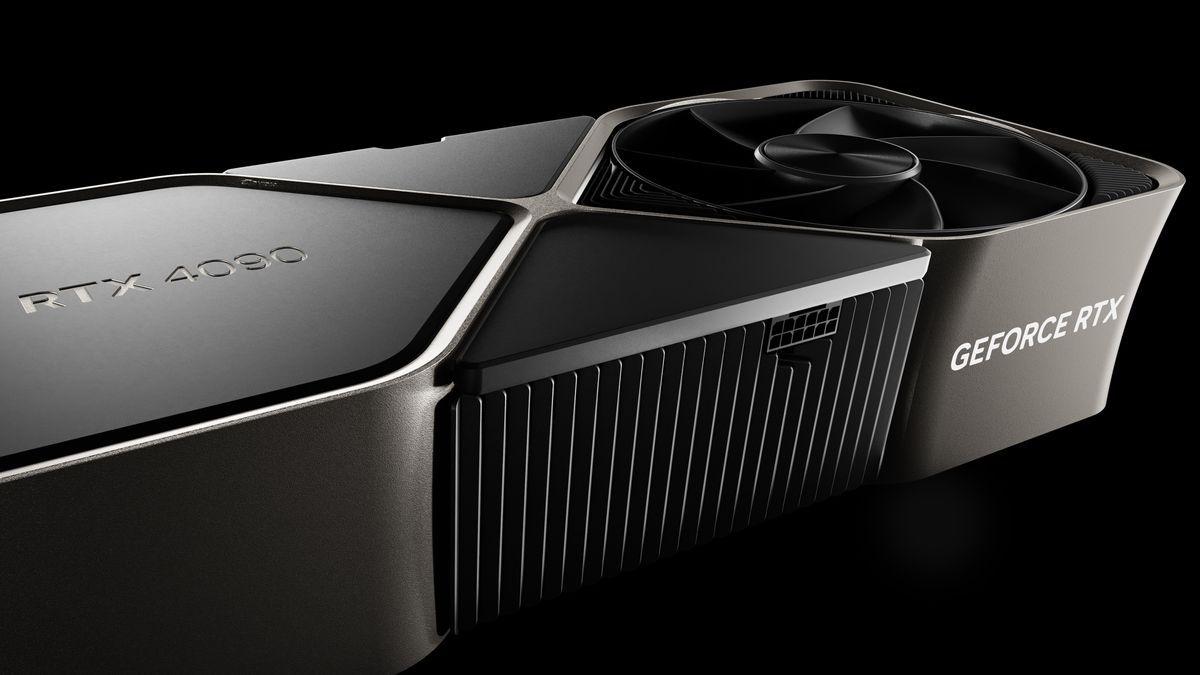
. Users boot from the USB drive using a one-time boot menu and confirm within 30 seconds using the spacebar before the system hands off to the OS loader.Compatibility spans RTX 20-series cards listed as fully compatible with some known issues, RTX 30-series cards as fully compatible, and RTX 40-series cards fully compatible on both laptops and desktops
1
. GTX 16-series support remains theoretical with verification pending, while pre-Turing cards, GA100, and RTX 50-series cards are unsupported1
. RTX 20 owners must run a bundled script once to switch the Windows Nvidia driver into GSP firmware mode before restarting1
.
Source: Tom's Hardware
For laptop configurations, the discrete Nvidia GPU must be powered at entry, making dGPU-only or MUX mode recommended
1
. On Linux distributions like Ubuntu, runtime power management can power down the GPU when idle and silently erase the unlock, though workarounds exist1
. The tool cannot bypass Secure Boot requirements for anti-cheat systems that mandate it1
.Risks and Limitations Users Should Consider
While the tool doesn't require VBIOS flashing and the unlock doesn't persist through power loss, several caveats exist
1
4
. Performance gains depend heavily on power and thermal limits, with results contingent on each card's ability to sustain higher power draw. The project warns that combining the unlock with the nvoc power-limit unlock can exceed factory power and thermal envelopes1
.Zagitta, whose gpu-unlock project formed the foundation for these tools, stated on Hacker News that hardware damage is unlikely since the card's usual throttling and power management remain active
3
. However, the turing-unlock README warns that the modification may damage hardware, while another project notes it can hang a GPU or host, prevent boot, corrupt data, or damage hardware2
. The nv-uefi-unlocker project acknowledges that a per-card ROM hash check required by its own safety rules isn't built yet, and unlock persistence on Thunderbolt eGPUs is not guaranteed1
.
Source: Geeky Gadgets
Zagitta has indicated that Windows support maintenance falls outside their scope, pointing Windows users to separate ports while cautioning about unofficial installers
1
. The project routes support by chip family, meaning card coverage doesn't guarantee that specific models have been tested1
. Any GPU modification voids warranties, and RTX 50 Blackwell series cards have no confirmed working unlock yet5
.References
Summarized by

Navi
[3]
Related Stories
Modified GPUs with doubled VRAM surface on eBay and Chinese markets as AI hobbyists chase memory
07 Aug 2026•Technology
Enthusiast Uses AI to Unlock AMD Fluid Motion Frames 3 on RDNA 3 and RDNA 4 GPUs Before Release
04 Nov 2026•Technology
Modders Enable NVIDIA Smooth Motion on RTX 30 GPUs Through Experimental Compatibility Mods
24 Sept 2026•Technology
Recent Highlights


Recent Highlights
Today's Top Stories





Don’t drown in AI news. We cut through the noise - filtering, ranking and summarizing the most important AI news, breakthroughs and research daily. Follow topics that matter to you and stay ahead.


