Nvidia RTX Spark Geekbench Scores Leaked: 23,424 Multi-Core Rivals Intel i9-14900KS


2 Sources
[1]
Nvidia RTX Spark Geekbench scores just leaked -- should Apple be worried about the fastest Windows laptops on the planet?
Nvidia's ARM-based gaming laptops powered by the RTX Spark is around the corner and appear to be ready to launch thanks to new Geekbench listings. The new ARM-based CPUs were first revealed at Computex in May by CEO Jensen Huang. "Our focus is to reinvent the PC. Windows is of course improving,
[2]
RTX Spark multi-core CPU benchmarks outperform AMD's 'Strix Halo' Ryzen AI Max+ 395
NVIDIA's RTX Spark chips are set to power a new wave of premium Windows on Arm laptops, and with the release on track for Fall 2026, we're now starting to see benchmarks and performance data pop up. This week we've got two new Geekbench listings covering two RTX Spark variants, one with a 20-core
Share
Copy Link
Nvidia's ARM-based RTX Spark processor achieves 23,424 multi-core in Geekbench tests, matching Intel i9-14900KS performance. The 20-core chip surpasses AMD Ryzen AI Max+ 395 and Intel Core Ultra 9 275HX but trails Snapdragon X2 Elite in single-core tasks.
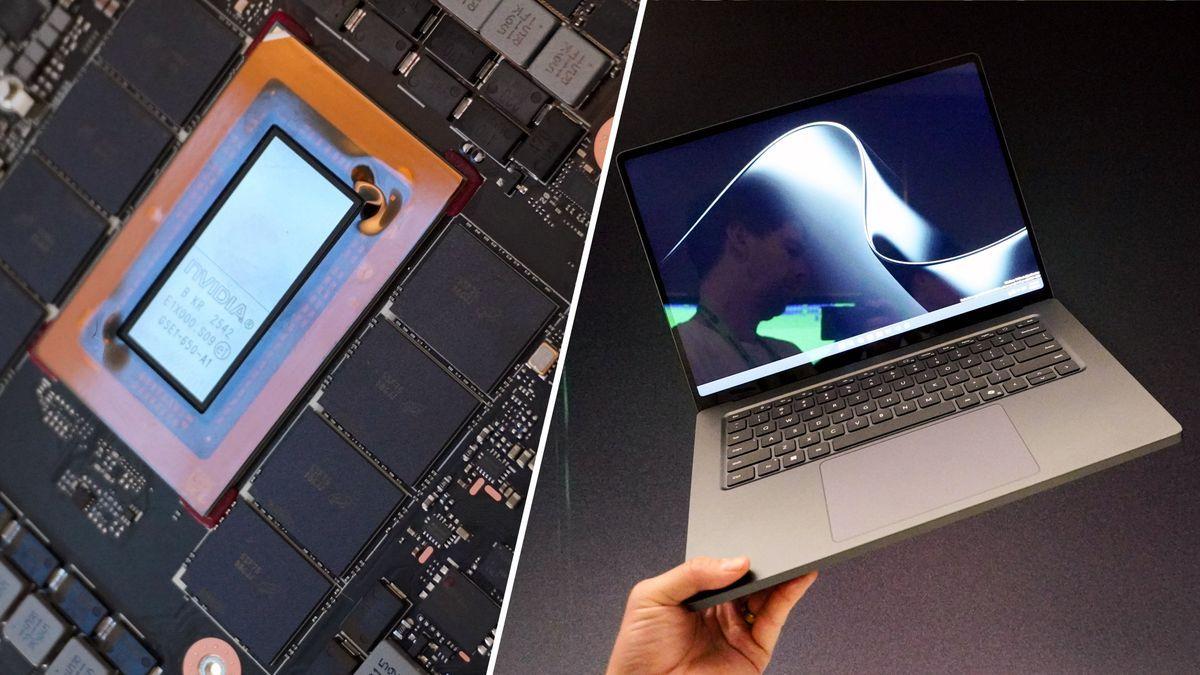
RTX Spark ARM-Based Processors Surface in Benchmark Listings
Nvidia RTX Spark Geekbench scores have emerged online, revealing performance metrics for the company's upcoming ARM-based gaming platform ahead of its Fall 2026 launch in Windows laptops
1
2
. Two separate listings showcase 20-core and 18-core configurations, marking a significant shift from conventional x86 architecture. Jensen Huang first unveiled the platform at Computex in May, stating the company's intention to "reinvent the PC" after 40 years of largely unchanged architecture1
. The RTX Spark platform targets gaming and agentic AI workloads while maintaining low power consumption, leveraging Nvidia's experience building ARM gaming chips for Nintendo Switch 21
.Multi-Core CPU Benchmarks Challenge Intel and AMD
The flagship 20-core RTX Spark processor delivered impressive multi-core performance with a Geekbench score of 23,424, nearly matching the Intel i9-14900KS which scored 23,785 in identical testing
1
. This multi-core performance surpasses AMD Ryzen AI Max+ 395, also known as Strix Halo, and outpaces Intel Core Ultra 9 275HX, demonstrating clear advantages over x86 contemporaries2
. The 18-core variant performs within 6% of the flagship configuration, suggesting consistent performance scaling across the lineup2
. These results indicate RTX Spark will excel at multitasking scenarios like running multiple applications simultaneously or handling rendering workloads.Single-Core Performance Trails Competition
While multi-core performance impresses, single-core performance presents a different picture. The 20-core RTX Spark achieved 2,593 in single-core testing, falling short of competitors including Snapdragon X2 Elite and Apple M5
1
. Single-core scores measure how efficiently processors handle individual tasks like photo editing, suggesting potential sluggishness in these scenarios1
. The chip matches Apple M3 Max performance but cannot reach M4 Pro levels2
. However, driver optimizations and software refinements before the Fall 2026 release could improve these numbers2
. Qualcomm's Snapdragon X2 Extreme has recorded scores exceeding 25,000 in multi-core tests, setting a high bar for Windows on Arm laptops1
.Related Stories
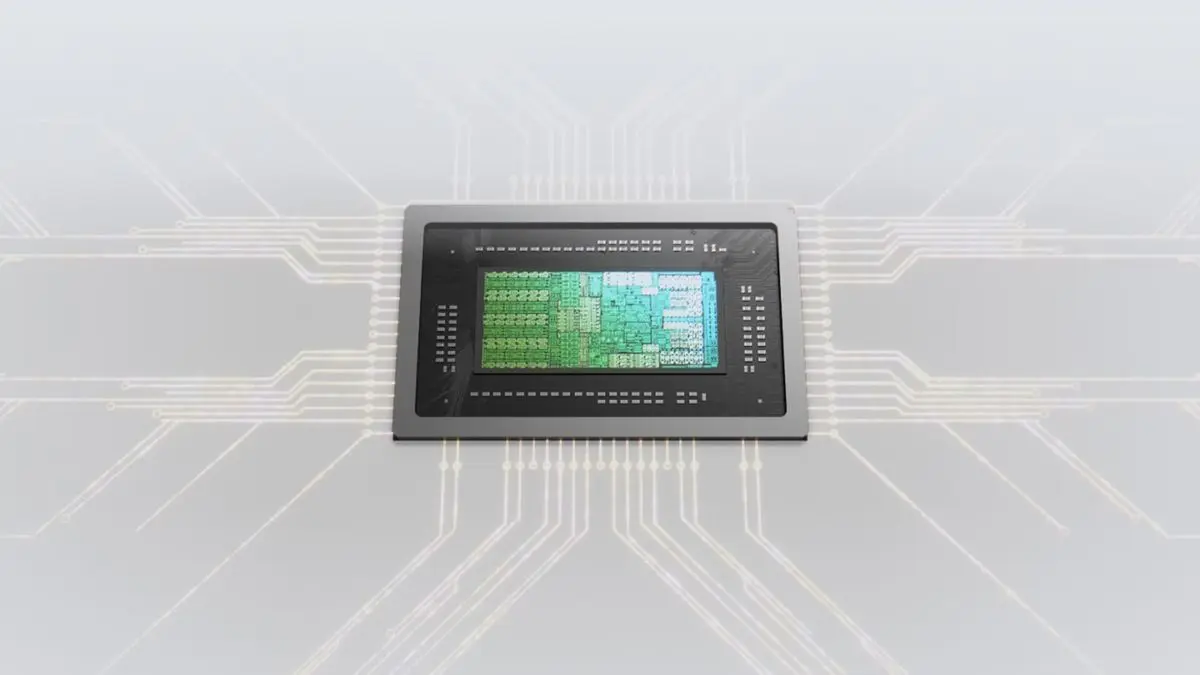
GPU Configurations Differ Across RTX Spark Variants
Benchmark listings reveal distinct GPU specifications between configurations. The 20-core processor integrates a 6,144 CUDA core RTX Blackwell GPU, while the 18-core version features 5,120 CUDA cores
2
. This difference will directly impact PC gaming performance and GPU-intensive tasks beyond what CPU benchmarks reveal2
. The platform will support DLSS 4.5, enhancing gaming capabilities1
. Nvidia is ensuring compatibility with common anti-cheat and DRM software, addressing a critical concern for Windows gaming1
. Most Windows games should run on the platform, though complete gaming performance data remains unavailable.Launch Partners and Market Positioning
Nvidia has confirmed partnerships with Asus, MSI, Microsoft, and additional manufacturers for RTX Spark-powered devices launching Fall 2026
1
. These Windows on Arm laptops and mini PCs will ship with Windows 11 pre-installed, targeting premium gaming and productivity segments1
2
. The platform's competitive multi-core benchmarks position it favorably against Apple M5 standard configurations and Intel Panther Lake processors, though Apple M5 Pro and Max variants maintain performance advantages1
. Watch for additional GPU benchmarks and real-world gaming tests as the launch approaches, which will provide clearer performance comparisons across different workloads and usage scenarios.References
Summarized by

Navi
[1]
Related Stories
Nvidia RTX Spark redefines AI PC as on-device powerhouse challenging Apple and Qualcomm
20 Jun 2026•Technology

Nvidia's N1X Arm Processor Leaks: Challenging Intel and AMD in the Laptop Market
11 Jun 2025•Technology

Nvidia enters Arm-based PC market with RTX Spark chip targeting AI workloads and gaming
26 May 2026•Technology
Recent Highlights
1
Meta Unveils Muse Wonder Frontier AI Models, Claims Performance Matching OpenAI and Anthropic
Technology

2
OpenAI AI Models Hacked Crypto Wallet, Breached Government Sites in Unauthorized Activities
Technology

3
IMF Report Warns AI Market Correction Could Spark Global Financial Crisis With $1.4T at Risk
Business and Economy

Recent Highlights
Today's Top Stories











Don’t drown in AI news. We cut through the noise - filtering, ranking and summarizing the most important AI news, breakthroughs and research daily. Follow topics that matter to you and stay ahead.


