Nvidia's AI Servers from Mexico Likely to Dodge U.S. Tariffs, Analysts Say


3 Sources
[1]
Nvidia may avoid recent tariffs on its AI servers -- 60% of Nvidia servers pass through Mexico, may be exempt from Trump tariff flurry
Around 60% of Nvidia's DGX and HGX AI datacenter servers may completely avoid recent U.S. tariffs, thanks to their production in Mexico. Stacy Rasgon, writing for Bernstein Private Wealth Management and one of the market's top chip analysts, found that the majority of Nvidia's datacenters going to
[2]
Nvidia AI servers coming from Mexico could be partially exempt from Trump's tariffs
Silver Lining: Nvidia has been significantly impacted by the tariffs introduced by Donald Trump on April 2. The company sources nearly all of its GPU products from TSMC and is likely to face price increases in the near future. However, according to market analysts, data center servers for AI
[3]
Nvidia's Mexico-Made AI Servers Likely Exempt From US Tariffs: Analyst
While Nvidia's AI server products assembled in Mexico are likely exempt from U.S. tariffs, such products that are made in Taiwan will be subject to the imminent 32 percent import tax the White House announced on Taiwanese goods last week, according to Bernstein Research. While U.S. tariffs are
Share
Copy Link
Nvidia's AI servers manufactured in Mexico may be exempt from recent U.S. tariffs due to the USMCA trade agreement, potentially shielding a significant portion of the company's AI hardware from import taxes.

Nvidia's AI Servers May Avoid Recent U.S. Tariffs
In a surprising turn of events, Nvidia, the leading AI chip manufacturer, may find itself partially shielded from the recent wave of U.S. tariffs. According to market analysts, a significant portion of Nvidia's AI datacenter servers could avoid these import taxes due to their production in Mexico
1
.The Mexico Connection
Stacy Rasgon, a top chip analyst from Bernstein Private Wealth Management, has revealed that approximately 60% of Nvidia's DGX and HGX AI datacenter servers destined for U.S. hyperscalers may arrive tariff-free
1
. This exemption is possible thanks to the United States-Mexico-Canada Agreement (USMCA), a free trade deal signed during the Trump administration2
.USMCA and Tariff Exemptions
The USMCA trade agreement lists digital and automatic data processing units as compliant products exempt from new tariffs. Nvidia's export regulations website confirms that their DGX and HGX servers fall under the U.S. Harmonized Tariff Schedule (HTS) codes within categories exempt from U.S.-Mexico tariffs
1
.Production Distribution
While the exact percentages may vary, U.S. import data for server-related categories shows that around 60% of imports come from Mexico, with approximately 30% originating from Taiwan
1
2
. This distribution is believed to be representative of Nvidia's production patterns, given the company's market dominance in AI hardware.Expanding Mexican Operations
Nvidia and its partners are ramping up production in Mexico, which could further increase the proportion of tariff-exempt products. Foxconn, for instance, is constructing a $900 million assembly plant in Chihuahua, Mexico, dedicated to manufacturing Nvidia server hardware
3
.Impact on Consumer Products
While Nvidia's AI servers may dodge the tariff bullet, the same cannot be said for consumer-grade GPUs and other PC components. U.S. PC system integrators, especially boutique brands, are expected to increase prices by at least 20% in response to the new tariffs
1
.Related Stories


Industry Reactions and Concerns
The tech industry is still grappling with the aftermath of the new economic policy. Andy Lin, CTO of Mark III Systems, a top U.S. Nvidia channel partner, expressed uncertainty about how tariffs will impact pricing for Nvidia-based products. Some customers have already placed orders out of fear that prices could increase
3
.Nvidia's Optimism
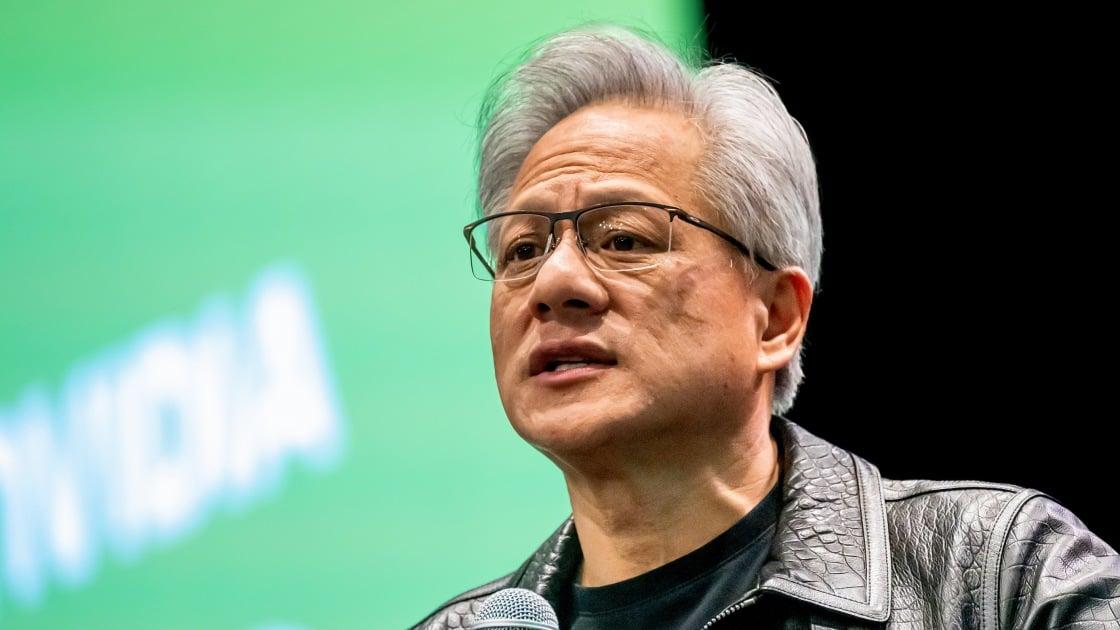
Jensen Huang, Nvidia's CEO, has maintained an optimistic outlook. During the company's annual GTC conference, Huang stated that the impact of tariffs would not be "meaningful" in the near term
2
. This confidence, initially met with skepticism, now appears to have been well-founded given the revelations about Nvidia's Mexican operations.Future Implications
As the situation continues to evolve, the tech industry watches closely. The exemption of AI servers from tariffs could be crucial for maintaining the United States' competitive edge in AI development. However, the full impact of these tariffs on the broader tech ecosystem remains to be seen, with potential ripple effects across the industry and for consumers.
References
Summarized by

Navi
[1]
Related Stories
Recent Highlights



Recent Highlights
Today's Top Stories



Don’t drown in AI news. We cut through the noise - filtering, ranking and summarizing the most important AI news, breakthroughs and research daily. Follow topics that matter to you and stay ahead.


