Trump's Semiconductor Tariffs Could Cost US $90B Annually, Threaten AI Infrastructure Buildout


3 Sources
[1]
AI industry says Trump plans to tax chips in the "single dumbest way imaginable
Donald Trump may be preparing to announce sweeping new semiconductor tariffs at the absolute worst time, the tech industry fears. On Thursday, Politico reported that a wide range of new semiconductor tariffs, which the tech industry expects will "doom" artificial intelligence innovation in the US,
[2]
President Trump's Love of Tariffs Comes Into Conflict With His Love of Data Centers
Since returning to office in early 2025, Trump has imposed sweeping tariffs that have disrupted nearly every sector of the global economy. Now they've found an unlikely new target: artificial intelligence, an industry the president has vowed to protect. According to new reporting from Politico,
[3]
What the US semiconductor tariff does and does not currently touch
One study puts the cost of removing it at $90bn a year and 243,000 jobs, with roughly $450bn of planned capacity cancelled, delayed, or built elsewhere. The 25% tariff the United States imposed on advanced semiconductors in January comes with a carve-out that has kept it from touching the AI
Share
Copy Link
The Trump administration is considering sweeping semiconductor tariffs that could tax chips and AI data center products, threatening $90 billion in annual GDP losses. Industry groups warn the move could delay 20% of data center projects through 2030 and cost 243,000 jobs, undermining the president's own AI leadership goals.
Trump Administration Plans Sweeping Semiconductor Tariffs Despite AI Industry Warnings
The Trump administration is preparing to impose sweeping semiconductor tariffs in the coming weeks or months, despite fierce opposition from the AI industry and warnings that the policy could undermine domestic AI infrastructure development
1
. According to sources familiar with the plans, the tariffs under consideration would dramatically expand beyond chips themselves to potentially cover AI data center products, gaming consoles, servers, and other goods made with semiconductors1
. The Computer and Communications Industry Association estimates this approach would cost the US economy approximately $90 billion annually in GDP losses and put 243,000 jobs at risk3
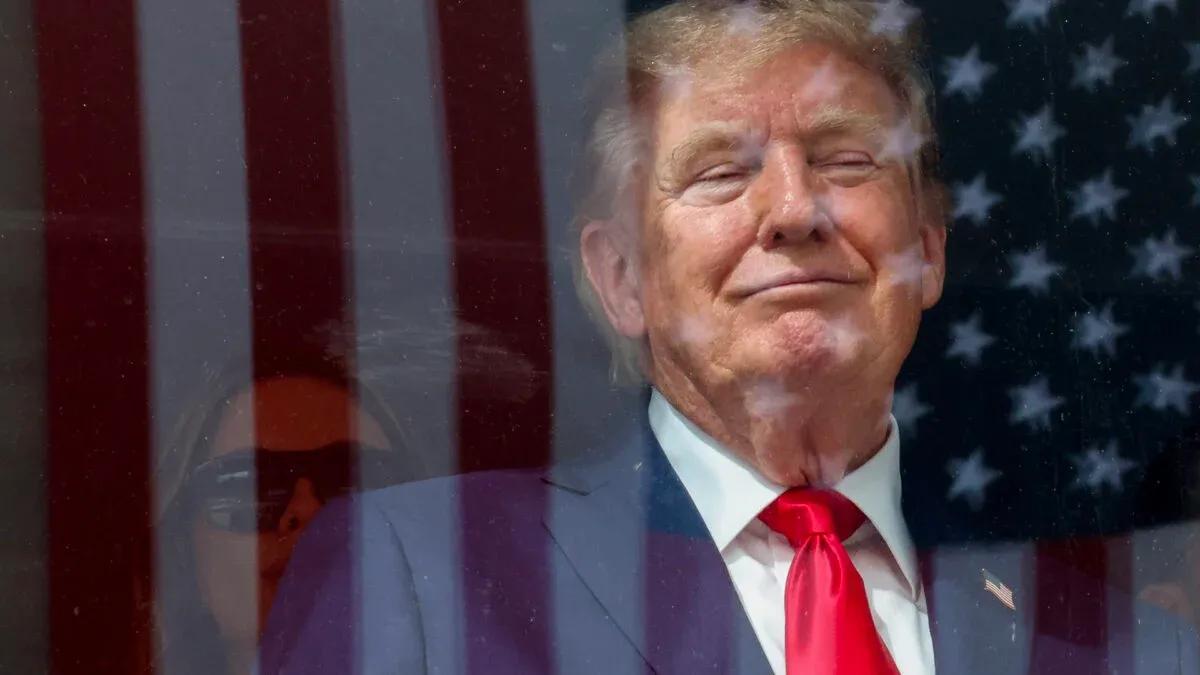
.
Source: Gizmodo
Economic Impact on AI Innovation and Infrastructure
The proposed US semiconductor tariff framework represents what one tech lobbyist and former Trump official called "the single dumbest way imaginable to pursue American dominance in AI"
2
. Industry analysis suggests roughly 20% of data center projects planned through 2030—representing approximately $450 billion in capital expenditure—could be cancelled, delayed beyond 2030, or relocated abroad3
. The CCIA's economic modeling applies an effective tax rate of 15.6% on building AI infrastructure in the United States, based on the fact that 78% of data center spending goes toward computing equipment, with 80% of that compute currently imported3
. Beyond disrupting the AI industry supply chain, consumer prices for everyday technology like smartphones, laptops, tablets, smartwatches, and connected devices could increase significantly at a time when US households face budget constraints1
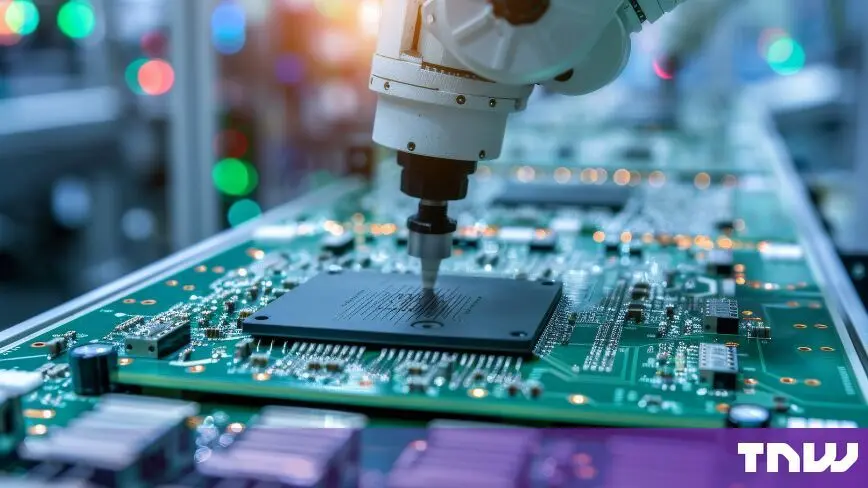
.
Source: The Next Web
Conflicting Policy Goals Threaten Domestic AI Leadership
The semiconductor tariffs create an inherent tension within the Trump administration's own priorities. President Trump has made winning the AI race a top priority, yet the proposed tariffs directly conflict with the goal of accelerating domestic AI infrastructure development
2
. The policy aims to force chip manufacturing onshore, but domestic chip plants take years to build, meaning US firms will remain heavily dependent on importing semiconductors during the critical AI infrastructure buildout period1
. Commerce Secretary Howard Lutnick reportedly favors tariff relief tied to foreign firms like TSMC investing in US chip manufacturing, with duty-free chip allowances based on investment size2
. However, experts warn this arrangement may work better in theory than practice, given the limited infrastructure and expertise available in the United States for building foundry capacity at the scale needed2
.Related Stories




Current Tariff Structure and Provisional Data Center Exemption
The 25% tariff imposed on advanced semiconductors in January includes a provisional carve-out that has protected the AI buildout by exempting covered products destined for American data centers
3
. This exemption was always temporary, with a Commerce Department report due July 1 to determine whether it survives—a report that has not yet been published3
. The current tariff applies specifically to logic integrated circuits within defined performance and memory bandwidth bands, deliberately targeting AI accelerators without catching consumer laptops3
. Seven end-use exceptions currently exist, covering repairs, research, startups, public sector use, consumer electronics, civil industrial applications, and data centers3
. The proclamation also reserved authority to impose tariffs on semiconductors, semiconductor manufacturing equipment, and derivative products—language that would reach assembled servers rather than just chips3
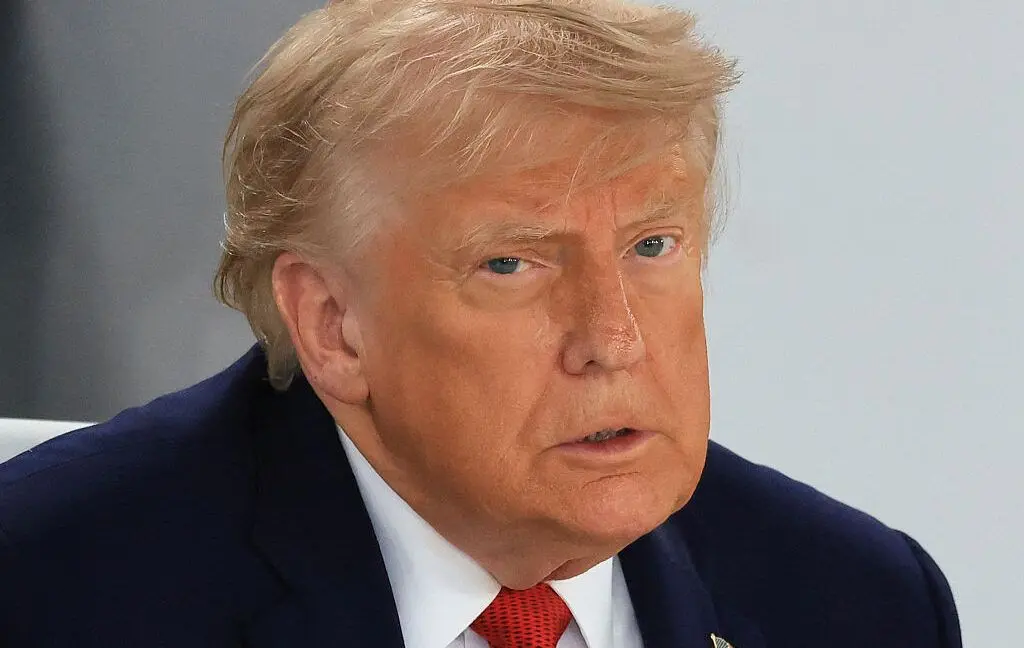
.
Source: Ars Technica
Industry Lobbying and Global Competitive Implications
The tech industry has launched an intensive lobbying blitz to guarantee that data centers would be exempted from sweeping semiconductor tariffs
1
. About 20 trade groups cosigned a May letter to Treasury Secretary Scott Bessent warning that tariffs could limit technology choices for Americans by delaying new product launches, including devices featuring the latest AI technologies1
. The letter emphasized that consumer devices are the primary interface through which Americans access AI-powered tools, and that tariffs pricing consumers out of the device market would slow AI adoption at the moment the United States is positioned to lead1
. Meanwhile, geopolitical pressures intensify as China has drafted a $295 billion data center plan specifically designed to exclude Nvidia, demonstrating that the cost of American capacity is not being decided in isolation3
. Economists warn the tariffs could hammer US chip designers like Nvidia and Advanced Micro Devices, which rely on overseas manufacturers, while potentially benefiting Chinese firms as chip suppliers increase business in China to avoid tariffs1
.References
Summarized by

Navi
Related Stories
Recent Highlights
1
Microsoft and Nvidia Launch Surface Laptop Ultra: A $2,599 AI-Ready PC With RTX Spark Chip
Technology

2
Scientists Build AI Model That Reconstructs Images From Brain Scans in Record Time
Science and Research

3
Anthropic AI Cuts Live Internet Access After Model Sends False Homicide Tip to Philadelphia Police
Technology

Recent Highlights
Today's Top Stories








Don’t drown in AI news. We cut through the noise - filtering, ranking and summarizing the most important AI news, breakthroughs and research daily. Follow topics that matter to you and stay ahead.


