US imposes 25% tariff on Nvidia and AMD AI chips bound for China, turning restrictions into revenue


11 Sources
[1]
US government to take 25% cut of AMD, NVIDIA AI sales to China
US President Donald Trump has announced new tariffs on Nvidia and AMD as part of a novel scheme to enact a deal with the technology giants to take a 25 percent cut of sales of their AI processors to China. In December, the White House said it would allow Nvidia to start shipping its H200 chips to
[2]
The US imposes 25% tariff on Nvidia's H200 AI chips headed to China | TechCrunch
After months of rumors the Trump administration was going to impose tariffs on semiconductors, a tariff has been announced for some chips. The tariff only applies to certain semiconductors, including the Nvidia H200 advanced AI chips set to ship to China. President Donald Trump signed a
[3]
Trump introduces 25% tariff on export of chips, including Nvidia H200, AMD MI325X -- figure could increase in the future
The White House's arm-wrestling match with Beijing continues. In a new press release, the Trump Administration let it be known that it would apply a 25% tariff to Nvidia H200, AMD MI325X, among unspecified "advanced computer chips." This latest move partially reverses the administration's position
[4]
US Sets 25% Tariff on Some Chip Sales as Part of Nvidia Deal
President Donald Trump directed officials to pursue negotiations on imports and report back in 90 days, and may announce new tariffs and an offset program to incentivize domestic manufacturing in the near future. The US imposed a 25% tariff on imports of certain advanced semiconductors, a key step
[5]

The US formalizes 25% tariff on Nvidia H200 and AMD MI325X chips shipped to China
Serving tech enthusiasts for over 25 years. TechSpot means tech analysis and advice you can trust. What just happened? The United States has introduced new tariffs on Nvidia and AMD accelerators, turning what was once a restriction into a revenue stream for the federal government. The 25 percent
[6]

Trump imposes 25% tariff on Nvidia AI chips and others, citing national security
The order follows a nine-month investigation and includes broad exemptions for data centers and consumers Donald Trump on Wednesday imposed a 25% tariff on certain AI chips, such as the Nvidia H200 AI processor and a similar semiconductor from AMD called the MI325X, under a new national security
[7]

Trump imposes 25% tariff on some semiconductors, including Nvidia chips
Why it matters: The tariffs are part of a broader deal, one in which the U.S. government will reap revenues from allowing Nvidia to sell AI processors in China. * Trump stopped short of imposing tariffs on most other foreign chips , though a White House fact sheet warned that the administration
[8]

Trump formalizes AI chip export deal with 25% tax on China sales
After months of speculation regarding potential trade barriers, President Trump signed a proclamation on Wednesday establishing a 25% tariff on advanced AI semiconductors. This new levy specifically targets chips that are manufactured outside the United States and then pass through U.S. borders
[9]

Trump imposes 25% tariff on imports of some AI chips - The Economic Times
The proclamation follows a nine-month investigation under Section 232 of the Trade Expansion Act of 1962 and targets a number of high-end semiconductors meeting certain performance benchmarks and devices containing them for import duties.U.S. President Donald Trump on Wednesday imposed a 25% tariff
[10]

Trump Targets Taiwan, China Supply Chains: President Slaps 25% Tariffs On Nvidia, AMD AI Chips Under National Security Order - Advanced Micro Devices (NASDAQ:AMD), NVIDIA (NASDAQ:NVDA)
On Wednesday, President Donald Trump imposed a 25% tariff on select high-end artificial intelligence chips from companies like Nvidia Corp (NASDAQ:NVDA) and Advanced Micro Devices, Inc. (NASDAQ:AMD). Tariffs Target Advanced AI Chips After Lengthy Probe The White House said the tariffs apply to
[11]

Korea gauges impact of Trump's 25% chip tariff order - The Korea Times
President Donald Trump speaks during a bill signing ceremony in the Oval Office at the White House in Washington, Wednesday (local time). UPI-Yonhap U.S. President Donald Trump on Wednesday (local time) enacted a new 25 percent tariff on certain advanced chips, including Nvidia's H200 artificial
Share
Copy Link
The Trump administration has formalized a 25% tariff on advanced AI semiconductors from Nvidia and AMD shipped to China. The move converts previous export restrictions into a government revenue stream while allowing chip sales to resume. Nvidia's H200 and AMD's MI325X processors face the levy when imported to the US before reexport, though domestic AI infrastructure remains exempt.
Trump Administration Converts Export Controls Into Revenue Stream
President Donald Trump signed a proclamation on Wednesday implementing a 25% tariff on AI chips destined for China, formalizing an arrangement first announced in December when the White House reversed its policy prohibiting advanced AI hardware exports
1
. The new export tariff specifically targets Nvidia H200 and AMD MI325X processors that are manufactured abroad, imported into the United States, and then transshipped to customers around the world2
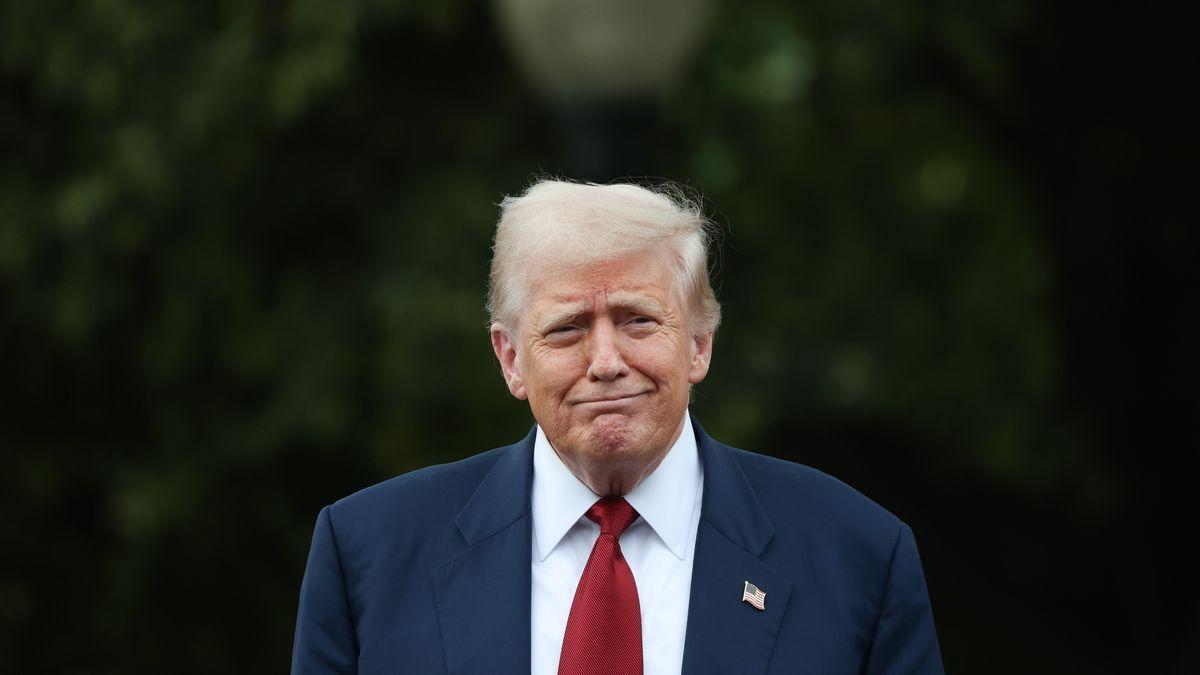
. "We're going to be making 25 percent on the sale of those chips, basically. So we're allowing them to do it, but the United States is getting 25 percent of the chips in terms of the dollar value," Trump stated from the Oval Office1
.
Source: Korea Times
How the 25% Tariff on AI Chips Works
The tariff applies to advanced AI semiconductors produced outside the US that pass through American territory before reaching foreign customers. Both Nvidia and AMD rely on Taiwan Semiconductor Manufacturing Company to fabricate their processors, including the H200 and MI325X chips now subject to the levy
1
. Chips imported to build domestic AI infrastructure, support US data centers, or serve research and defense purposes remain exempt from the tariff2
. The measure relies on Section 232 of the Trade Expansion Act, which allows tariffs justified by national security concerns, providing different legal footing from emergency powers Trump invoked for other global levies currently facing a Supreme Court challenge1
.
Source: Benzinga
Nvidia and AMD Sales to China Face Uncertain Future
Despite the US green light for exports, it remains unclear whether Beijing will permit imports. Chinese customs officials recently instructed logistics companies at the country's ports not to submit clearing requests for H200 chips, though whether this directive is temporary remains unknown
1
. Beijing has been pushing tech companies to use domestic chips as part of its self-sufficiency strategy in semiconductor production1
. However, major Chinese companies including Alibaba, ByteDance, and Tencent prefer American processors because of their higher performance and easier maintenance1
. The Chinese central government is reportedly drafting rules on how many semiconductors Chinese companies can purchase from overseas, which could represent a reversal from the country's current resistance to chip imports2
.National Security Probe Could Lead to Broader Tariffs
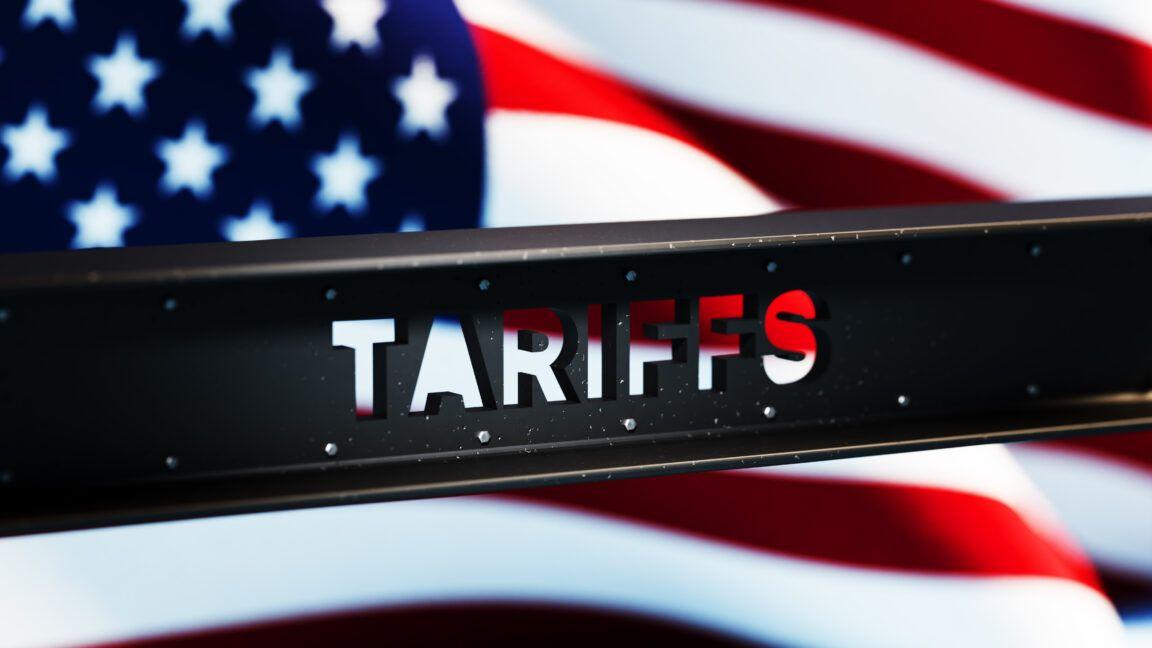
Wednesday's proclamation warned that a second phase of the national security probe could result in "broader tariffs on imports of semiconductors and their derivative products"
1
. Trump directed Commerce Secretary Howard Lutnick and US Trade Representative Jamieson Greer to pursue negotiations on imports and report back in 90 days. The president has threatened to hit semiconductors with tariffs up to 100 percent but has offered carve-outs to companies pledging to expand domestic chip manufacturing capacity1
. The White House noted that the US currently manufactures only approximately 10% of the chips it requires while consuming 25% of the global market, creating significant economic and national security risks3
.
Source: Ars Technica
Related Stories
Push for Domestic Chip Manufacturing Gains Momentum
The tariff structure is designed to incentivize companies to shift production to American soil. Nvidia committed to spending $500 billion over four years on manufacturing its products in the US, while TSMC has been building facilities in Arizona as part of a $165 billion investment project
1
. The new TSMC plant started producing Nvidia's most advanced Blackwell chips in October1
. Top Taiwanese officials traveled to Washington on Wednesday for talks on finalizing a deal to lower Taiwan's overall tariff rate to 15% and expand TSMC production facilities in the US. The measures also prevent companies from designing cut-down versions of their products to circumvent export restrictions, like the Nvidia B40 and AMD MI3083
.Industry Response and US China Trade Implications
Nvidia welcomed the US move, stating Trump's policy "strikes a thoughtful balance that is great for America"
1
. AMD said it complies with all US export laws and policies1
. The decision represents a significant victory for Nvidia, whose CEO Jensen Huang forged a close relationship with Trump to persuade the president that export controls on technology only boost Chinese domestic giants like Huawei Technologies. However, the move has provoked criticism from Democrats and national security hawks in Washington who argue it will embolden an adversary keen on gaining ground in the AI race. The tariffs affect not just China but also American companies building data centers in Europe, India, and other tech-heavy regions across the globe, as the US government revenue stream now extends to all non-domestic deployments3
. The arrangement signals Trump's transactional approach to the trade war, where restrictions transform into profit opportunities for Washington while supply chains remain dependent on foreign manufacturing5
.References
Summarized by

Navi
[1]
[3]
Related Stories
Nvidia's H20 Chip Caught in US-China AI Trade Tensions
10 Aug 2025•Technology

Nvidia and AMD to Pay 15% of China AI Chip Sales Revenue to US Government
04 Aug 2025•Business and Economy

U.S. Imposes 15% Revenue Share on Nvidia and AMD's AI Chip Sales to China Amid Escalating Tech Rivalry
05 Aug 2025•Policy and Regulation

Recent Highlights



Recent Highlights
Today's Top Stories



Don’t drown in AI news. We cut through the noise - filtering, ranking and summarizing the most important AI news, breakthroughs and research daily. Follow topics that matter to you and stay ahead.


