Nvidia's Strong Earnings Overshadowed by Potential Trump Trade Policies


2 Sources
[1]
Nvidia sinks after strong earnings but questions about Trump tariffs
The AI chip maker reported a 94 percent increase in revenue but depends on manufacturing plants in Taiwan, which Trump claims "stole our chip business." Nvidia's shares sank about 2 percent in after-hours trading Wednesday after the artificial intelligence chip maker posted quarterly earnings that
[2]
Nvidia's Jensen Huang pledges to 'comply fully' with Trump trade policies as uncertainty looms over chip industry
Trump's calls for worldwide tariffs would presumably affect Nvidia. Despite his general tough-on-China rhetoric, previous comments casting doubt on America's commitment to help Taiwan defend itself against a potential Chinese invasion have weighed on chip stocks. Taiwan is the home of Nvidia's
Share
Copy Link
Nvidia reports impressive Q3 earnings but faces uncertainty due to potential Trump trade policies. CEO Jensen Huang pledges compliance with future regulations as the company navigates geopolitical challenges.

Nvidia Reports Strong Q3 Earnings Amid Geopolitical Uncertainty
Nvidia, the leading AI chip manufacturer, has reported impressive third-quarter earnings for the period ending October 27, with revenue soaring 94% year-over-year to $35.1 billion
1
. Despite this strong performance, the company's shares dipped approximately 2% in after-hours trading, reflecting investor concerns about sustaining such rapid growth in the face of potential geopolitical challenges1
.Trump's Trade Policies Cast Shadow on Nvidia's Future
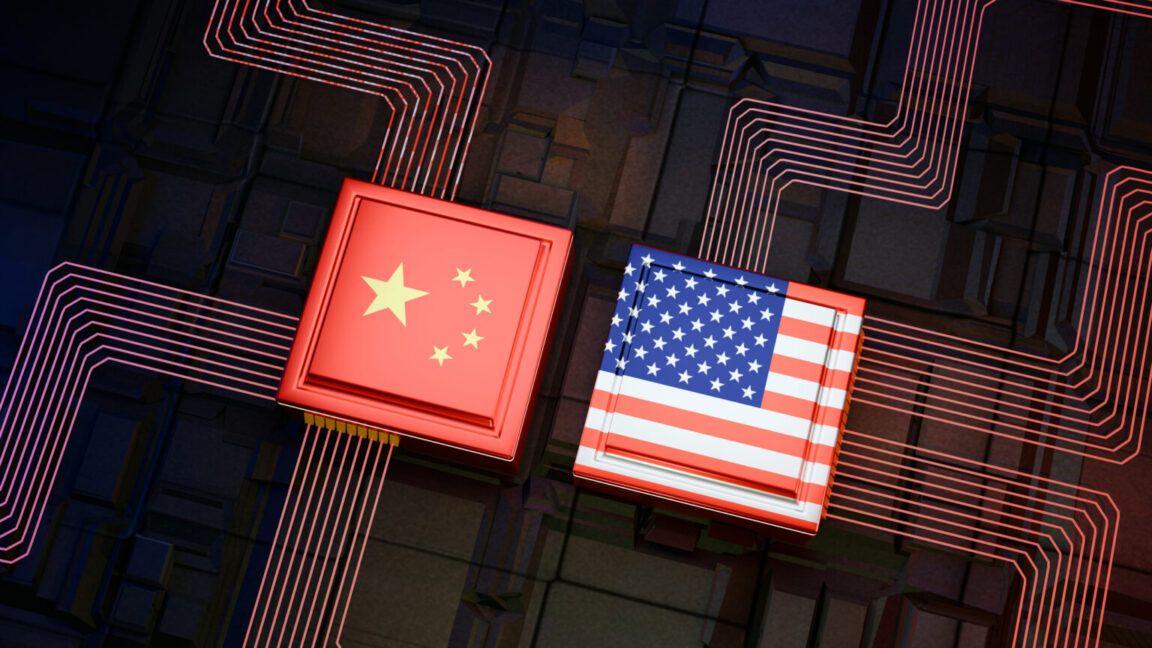
The election of Donald Trump as the next U.S. president has introduced new uncertainties for Nvidia and the broader chip industry. Trump's proposed blanket tariff on all imported goods and his statements about Taiwan "stealing" America's chip business have raised concerns about the company's future operations
1
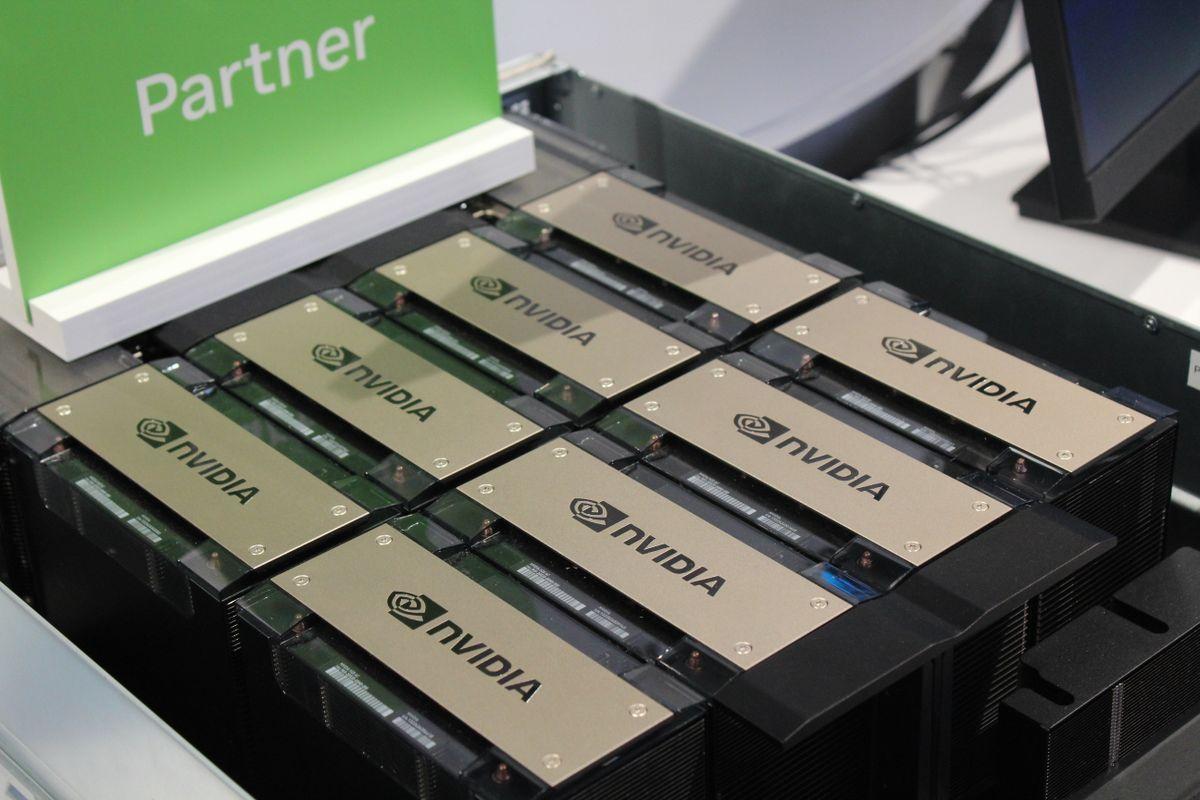
. Nvidia heavily relies on Taiwan Semiconductor Manufacturing Co. (TSMC) for manufacturing its GPU chips, making it vulnerable to potential trade restrictions2
.CEO Jensen Huang Pledges Compliance with Future Regulations
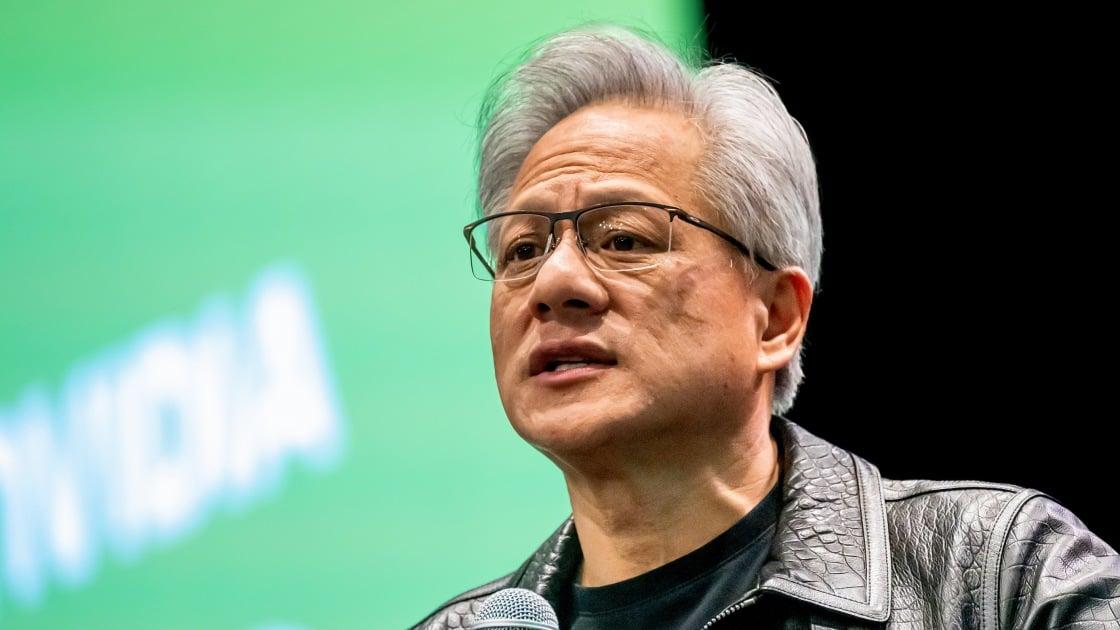
In response to questions about the potential impact of Trump's policies, Nvidia's founder and CEO Jensen Huang stated, "Whatever the new administration decides, we will, of course, support the administration"
1
. He further emphasized the company's commitment to compliance, saying, "That's our highest mandate. We will comply fully with any regulation that comes along"2
.Navigating Geopolitical Challenges
Nvidia's business has already been affected by existing export controls imposed by the Biden administration. Sales to China, which once accounted for a quarter of the company's revenue, have dropped to just 12% in the last quarter
2
. The company has been working on developing chips for the Chinese market that meet current export control requirements.Potential Opportunities and Risks
While Trump's policies pose potential challenges, some analysts suggest they could also present opportunities. Angelo Zino of CFRA Research noted that a more transactional approach from the Trump administration regarding China, compared to the current administration's blanket bans, could potentially benefit Nvidia
2
.Related Stories

Sovereign AI: A Growing Market
Nvidia CFO Colette Kress highlighted the company's growing momentum in "sovereign AI," where nations invest in their own generative AI infrastructure. She noted that GPU deployments in India have grown tenfold, indicating a significant expansion in this market segment
2
.Nvidia's Strategic Importance
As Nvidia continues to dominate the AI chip market with a market capitalization exceeding $3 trillion, its strategic importance to the United States as a national security asset is becoming increasingly apparent
1
2
. This status adds another layer of complexity to the company's operations and future prospects.Looking Ahead
Despite the uncertainties, Nvidia remains optimistic about its near-term prospects, projecting revenue of approximately $37.5 billion for the next quarter
1
. However, as Ted Mortonson, a managing director at Baird, points out, "The unpredictability of the president-elect is now an overhang on basically all of tech"2
. This sentiment underscores the challenges Nvidia and other tech companies face in navigating the evolving geopolitical landscape.References
Summarized by

Navi
[1]
Related Stories
Nvidia CEO Jensen Huang Redefines Company as 'AI Factory,' Addresses Market Concerns
20 Mar 2025•Business and Economy
Nvidia Navigates US-China Tensions with Potential New AI Chip for Chinese Market
22 Aug 2025•Technology
Nvidia Set to Resume AI Chip Sales to China Amid Regulatory Shifts
10 Jul 2025•Technology
Recent Highlights
1
Microsoft and Nvidia Launch Surface Laptop Ultra: A $2,599 AI-Ready PC With RTX Spark Chip
Technology

2
Google Unveils Gemini 4 Argon AI Model, Restricts Access to Trusted Cyber Defenders
Technology

3
Trump Consulted Grok AI Before Ordering Venezuela Invasion and Capture of Nicolás Maduro
Policy and Regulation

Recent Highlights
Today's Top Stories






Don’t drown in AI news. We cut through the noise - filtering, ranking and summarizing the most important AI news, breakthroughs and research daily. Follow topics that matter to you and stay ahead.


