OpenAI Launches Astra AI Model With Critical Cyber Abilities Amid Safety Debate


86 Sources
[1]
OpenAI launches Astra, its powerful (and controversial) new model
OpenAI released Astra on Thursday, its latest AI model and -- according to the company -- its most powerful and capable one yet. OpenAI claims that Astra represents "a new frontier on computer and browser use," and that it handles tasks with unmatched "speed, accuracy, and safety." The model is
[2]
GPT-6 Astra Is Here -- and OpenAI Thinks It May Kick Off the AGI Era
OpenAI announced Thursday the launch of its next generation AI model, GPT-6 Astra, which the company claims is state of the art at navigating computers and web browsers, writing software, and solving difficult math problems. It plans to make GPT-6 Astra available to paid customers in the coming
[3]
OpenAI's new reasoning technique alarms AI safety experts
OpenAI's new Astra model will use a reasoning technique called "recurrent depth" that allows it to operate outside of the sequential thinking that characterizes most reasoning models, the The Information reported on Tuesday. This technique, also called "opaque recurrence," will likely make the
[4]
GPT-6 Stole the Show, but Anthropic, Meta and Google Also Had New AI Models This Week - CNET
Blake has over a decade of experience writing for the web, with a focus on mobile phones, where he covered the smartphone boom of the 2010s and the broader tech scene.... Read full bio While OpenAI's GPT-6 Astra is making a big splash in the AI world with its debut, it was far from the only one to
[5]
OpenAI Is About to Release Its First AI Model With 'Critical' Cyber Abilities
OpenAI announced Tuesday that its forthcoming AI model, Astra, is its first to reach the company's threshold for what it calls "critical" cyber capabilities. OpenAI says it plans to publicly release a version of Astra "soon," but will make the model's advanced cyber capabilities available only to
[6]
Sam Altman apologizes for 'messy' GPT-6 Astra rollout that's locked out paying users
Just hours after OpenAI launched GPT-6 Astra, CEO Sam Altman was already apologizing for what he describes as a "messy rollout" after paying users expecting access to the new frontier model were left waiting. The company hailed the model as a "generational leap in capability" on Thursday and
[7]

OpenAI's new Astra model is finally here - why safety experts are worried - ZDNET
* OpenAI released its previously paused Astra model. * Researchers are worried the powerful new model could endanger security at scale. * OpenAI said Astra triggered new internal safety guardrails. OpenAI's latest model, named Astra, is finally loose -- sort of. The company halted development
[8]
Open AI's Astra model is on the way -- and very good at breaking into computer systems
OpenAI shared new details on its forthcoming Astra model, which the company said is the first large language model to meet its "critical cybersecurity threshold," in preparation for its imminent release. "We plan to make Astra available soon," OpenAI's blog post reads, "but access to its most
[9]

GPT-6 Astra Is Here: What You Need to Know About ChatGPT's New Model
OpenAI is rolling out GPT-6 Astra, the latest model to come to ChatGPT, following a self-imposed delay to help ensure its security features are used responsibly. OpenAI calls this the "world's most intelligent and aligned model," claiming it's state-of-the-art for browsing, computer use,
[10]

OpenAI throws Astra into the top-tier model ring
After a brief training pause to reflect on the inadequacy of its AI security measures, OpenAI has released GPT-6 Astra, initially for those in its Trusted Access Program. Assuming all goes well and there are no more incidents like the Hugging Face hack, the AI biz in a few days will allow Plus,
[11]
OpenAI's Astra Is Here: What to Know About GPT-6 - CNET
Katelyn is a reporter with CNET covering artificial intelligence, including chatbots, image and video generators.... Read full bio The next flagship generation of ChatGPT is here. OpenAI announced on Thursday that it is beginning to roll out GPT-6-Astra, which president Greg Brockman called a
[12]

OpenAI launches GPT-6 Astra, its first model to cross a critical cybersecurity threshold
The rollout comes with a safety disclosure that could reshape how CIOs think about model governance. endif; ?> OpenAI launched GPT-6 Astra on Thursday, disclosing that the new flagship model has crossed the "Critical" threshold for cybersecurity risk under its Preparedness Framework, a
[13]

GPT-6 Astra Scores 100% on ExploitBench as OpenAI Blocks PoC Exploit Requests
OpenAI on Thursday officially unveiled GPT‑6 Astra, which it described as the "world's most intelligent and aligned model." The development comes days after the artificial intelligence (AI) company said the model had reached the "Critical" cybersecurity capability threshold under its Preparedness
[14]

OpenAI launches GPT-6 Astra as the start of what it hopes will be its "AGI era"
* OpenAI unveils GPT-6 Astra: most capable model, rated "Critical" for cybersecurity. * OpenAI explains that GPT-6 Astra is also the safest and most secure model it has made. * OpenAI says Astra is more robust and safer than GPT-5.6 Sol, and may usher in the AGI era. Today has been a wild day
[15]

OpenAI launches new Astra model amid growing scrutiny over agents' safety
SAN FRANCISCO, Sept 3 (Reuters) - OpenAI on Thursday unveiled a new artificial intelligence model it calls its best yet but cautioned that it also sometimes attempts to evade human monitoring, even as the company faces growing scrutiny after its agents breached other companies' systems. OpenAI has
[16]
OpenAI's next big AI model has 'entered the AGI era'
OpenAI's next big model is here: GPT-6 Astra. The company calls it a "generational leap in capability" for areas like cybersecurity, professional work, software engineering, science, and computer use. As OpenAI announced earlier this week, it's also the first model designated as meeting OpenAI's
[17]
OpenAI Teases Astra, Limits Cybersecurity Tools After Hugging Face Hack
OpenAI is ready to talk more about its upcoming Astra model, although it has yet to share a launch date for its next advanced release. In a blog post, the ChatGPT-maker said it plans to "make Astra available soon." According to OpenAI, Astra will be particularly effective at identifying flaws in
[18]

OpenAI says GPT-6 Astra is 'the most intelligent and aligned model in the world' - Engadget
A little under two months after releasing its last major model family to the public, GPT-5.6 Sol, Terra and Luna, OpenAI is back with an entirely new one: GPT-6 Astra, what it claims is "the most intelligent and aligned model in the world." Following the company's decision to slow frontier model
[19]

OpenAI begins rolling out Astra model after warning of its advanced cyber capabilities
* OpenAI will begin rolling out GPT-6 Astra, its latest AI model. * The model is launching in phases, and OpenAI said companies participating in its application-based cybersecurity program will be the first to get access. * Astra will be available to users in OpenAI's ChatGPT Plus, Pro, Business
[20]

OpenAI Claims We're in the 'AGI Era' With Release of GPT-6 Astra
We are approaching the precipice of the beginning of what could be the start of the first stages of the earliest version of artificial general intelligence. That seems to be the thrust of OpenAI's pitch for GPT-6, its latest AI model that went live on Thursday. GPT-6 arrives about a year after the
[21]

OpenAI launches GPT-6 Astra, and one of its founders thinks AGI is here
OpenAI isn't officially calling Astra AGI, but its president says he personally thinks "we're there." OpenAI has launched GPT-6 Astra, its latest flagship AI model and what the company describes as the most capable model it has deployed to date. Astra brings notable gains in areas such as software
[22]
OpenAI says upcoming model is so capable it requires stronger guardrails
SAN FRANCISCO, Sept 1 - OpenAI has determined that one of its upcoming models is so capable that it requires extra safety layers during its development and eventual release. The company's internal testing showed that the model, called Astra, is significantly more capable than the most advanced
[23]

Is GPT-6 Astra AGI? OpenAI unveils 'world's most intelligent' model
An interesting turn of events took place Thursday morning, with major artificial intelligence companies reportedly experiencing service disruptions, according to Downdetector. OpenAI, Claude, Grok, Copilot and Cursor were among the services that saw disruption reports. Their respective status
[24]
Researchers fear safety disaster ahead of OpenAI's Astra release
OpenAI is on the cusp of releasing its most powerful AI model yet, Astra, following weeks of delays to shore up safety protocols after its agents attacked real targets during testing. As details about the model trickle out, researchers are warning it "may be the single worst development for AI
[25]
OpenAI says Astra AI model is its first that crosses 'Critical' cybersecurity capability
* OpenAI said that its upcoming AI model Astra is its first to exceed its "Critical" cybersecurity capability threshold. * The company said Astra can find previously unknown security flaws and exploit them without step-by-step guidance from humans. * OpenAI said it still plans to make Astra
[26]

OpenAI's Astra model has AI researchers spooked. Here's why
GPT-6 Astra, which OpenAI describes as its most advanced model to date, was announced Thursday afternoon, and for now it's available only to members of OpenAI's Daybreak cybersecurity program. The model will be released in the coming days to paid OpenAI and ChatGPT subscribers, including those on
[27]

ChatGPT-6 Astra is here -- this one prompt shows what it can really do
This might be the biggest change to ChatGPT since OpenAI introduced reasoning models OpenAI launched ChatGPT-6 Astra Thursday and it has already proven to be dramatically better at coding, computer use, research and other complex tasks, while OpenAI President Greg Brockman has even suggested its
[28]
This Is the Worst Possible Time for OpenAI to BfЖ7!م#2猫$9&क
AI models are notoriously likened to black boxes, meaning the humans who build them can't look inside to see how they transform mountains of training data into lines of code, sonnets, or whatever else they're asked to generate. Not completely, anyway. A subfield called interpretability research has
[29]

OpenAI warns about how good Astra model is at cracking cybersecurity, releases it anyway because it took 'years of research and big bets'
GPT-6 Astra was paused a month ago for triggering safety protocols * OpenAI rolled out GPT‑6 Astra, its most advanced AI, with "critical" cyber capabilities * Astra can autonomously find and exploit unknown flaws; release limited to vetted Daybreak participants * Staggered rollout sparked user
[30]

"Welcome to the AGI era," OpenAI says as GPT-6 Astra debuts
Why it matters: Astra pushes AI agents closer to doing complex professional work on their own -- while also raising questions about how safely they can be deployed. Driving the news: Brockman says he personally believes OpenAI has reached AGI, while leaving users to decide whether Astra meets that
[31]

OpenAI officially launches GPT-6 Astra: How to try it
A year after the launch of GPT-5, OpenAI has announced the arrival of GPT-6 Astra, which will begin rolling out immediately. The AI company called Astra "the world's most intelligent and aligned model." OpenAI Astra marks a new generation of models for the AI company, but also carries new
[32]

OpenAI hails 'new era of artificial general intelligence' with Astra model release
Astra's arrival comes days after Sam Altman, OpenAI's chief executive, described AGI as an 'irrelevant marketing term' The president of OpenAI, Greg Brockman, has claimed the world has entered a new era of artificial general intelligence after the release of his company's latest model, Astra,
[33]

'Welcome to the AGI era': OpenAI launches GPT-6 Astra
The rumors were true, all of them (and then some): OpenAI today is releasing GPT-6 Astra, a new frontier model that the company says likely marks the onset of artificial generalized intelligence (AGI), its long sought goal of "highly autonomous systems that outperform humans at most economically
[34]

OpenAI launches GPT-6 Astra, its most powerful model yet and touts its ability to use your computer | Fortune
OpenAI's newest model and most powerful model, GPT-6 Astra, is out today, and one of its hallmark features is called "computer use," in which the model aims to navigate a computer as a human would. It's just one of a wide range of new and advanced capabilities, OpenAI says, including mathematical
[35]

OpenAI launches GPT-6 Astra to cybersecurity partners first
OpenAI began rolling out GPT-6 Astra on Thursday, making its latest AI model available first to participants in Daybreak, its application-based cybersecurity program, before expanding access to paid consumer and enterprise accounts in the coming days. Astra is the first model OpenAI has designated
[36]
OpenAI delayed its new model's development after the Hugging Face hack
After an unreleased OpenAI model wreaked enough havoc to make international headlines, OpenAI delayed the development of a different unreleased model suite, Astra, in order to shore up its safety work, the company wrote Tuesday in a blog post. In July, an unreleased OpenAI model broke out of its
[37]

OpenAI Releases GPT-6 Astra: The Closest AI Model Yet to AGI
The model scored 100% on ExploitBench and discovered two zero-day vulnerabilities in Google's V8 engine during testing. OpenAI on Thursday released GPT-6 Astra, a model president Greg Brockman called a "generational leap in capability" and the arrival of artificial general intelligence, or
[38]

OpenAI begins rollout of GPT-6 with focus on cyber security safeguards
OpenAI said Thursday it would begin rolling out GPT-6, its most powerful AI model yet, to select customers, touting stronger safety safeguards as concerns grow over the cybersecurity risks posed by increasingly capable artificial intelligence systems. ChatGPT maker OpenAI said Thursday it would
[39]

OpenAI releases new model that it says triggered internal security measures
OpenAI emphasized that the new model is faster and more efficient than its predecessor on a variety of tasks.Justin Sullivan / Getty Images file OpenAI released its newest and most powerful model, called GPT-6 Astra, Thursday to a limited set of customers, labelling it the world's most intelligent
[40]
GPT-6 Astra lays the foundations for a new way of reasoning -- a great tool for businesses but experts have their concerns
* GPT-6 Astra just scored 92.7% on understanding how to interact with your apps, up from 5.6's 76.9% * New recurrent depth reasoning also allows Astra to think about your problem in a new way * OpenAI admits there are some safety concerns about how GPT-6 reasons OpenAI has lifted the wraps off
[41]
Axios interview: Sam Altman's sobering siren
"The next generation of models are going to be sobering for everybody. ... I think no one intellectually honest can look at what's happening and not feel the weight of responsibility in front of us." Why it matters: This is a big week. Some of the world's most powerful AI voices are warning of
[42]
OpenAI confirms Astra has reached 'critical' cyber threshold
OpenAI confirmed on Tuesday that its unreleased Astra model has reached a dangerous new milestone, while simultaneously confirming that it was forging ahead with a public launch. In a blog post, OpenAI said that Astra has reached a "critical" cyber capability threshold, which means the model could
[43]

OpenAI launches GPT-6 Astra
Company president Greg Brockman told media publications in a briefing that Astra's launch could perhaps be viewed as the beginning of an era of artificial general intelligence. OpenAI's GPT-6 Astra, the company's newest AI model, is now available to a limited audience after its unveiling yesterday
[44]

OpenAI starts rolling out its next-generation GPT-6 Astra model
OpenAI starts rolling out its next-generation GPT-6 Astra model OpenAI Group PBC today started opening access to GPT-6 Astra, its newest and most capable large language model. The company stated that the LLM demonstrates "state of the art" performance in multiple areas. The list includes coding,
[45]
Why are AI safety experts alarmed by reports OpenAI's Astra model uses "recurrent depth"? | Fortune
AI safety experts are raising alarms about how OpenAI has built its soon-to-be-released frontier AI model Astra, saying it may hasten the day when humans will lose the ability to monitor the reasoning that AI agents are using. For its new model, OpenAI has employed a method alternately referred to
[46]
OpenAI clears Astra for release after critical cybersecurity rating
The company said Astra is the first model it has designated "Critical" under its Preparedness Framework, capable of finding and exploiting unknown security flaws without human guidance OpenAI said Tuesday it plans to release its Astra model after determining that new safeguards are sufficient to
[47]
OpenAI's Astra Becomes Its First AI Model With 'Critical' Hacking Abilities
Access to Astra's advanced cybersecurity capabilities starts with a small group of alpha testers. OpenAI said Tuesday that Astra, an unreleased model, has crossed the "critical" threshold for cybersecurity capability under its Preparedness Framework, the first model the company has ever put in
[48]

OpenAI launches GPT-6 Astra with limited rollout starting today
OpenAI has introduced GPT-6 Astra, a new model the company said is rolling out to a limited set of organizations starting today. OpenAI said the model will become available over the coming days to ChatGPT Plus, Pro, Business and Enterprise users, as well as through the OpenAI API and AWS. The
[49]
OpenAI begins rollout of new powerful AI model GPT-6 Astra
San Francisco (United States) (AFP) - ChatGPT maker OpenAI said Thursday it would begin rolling out its newest and most powerful artificial intelligence (AI) model to select customers, saying it had built in safeguards to mitigate security risks. "At this level of capability, safety has to become
[50]
GPT-6 is here, but what if we just said 'no thanks' to Astra, a model so powerful that we may never fully understand it
In this moment, where we're starting to wonder if we're controlling AI or if it's starting to control us, we're confronted with the emergence of a new and potentially wildly more powerful model in the form of OpenAI's Astra or GPT-6. On Tuesday, OpenAI cofounder and CEO Sam Altman announced that
[51]
Altman raises stakes on government scrutiny as AI advances
Why it matters: OpenAI is close to releasing Astra, the first model designated at its "critical" cyber capability level that the company says requires stronger safeguards during development and before release. The Trump administration has developed a voluntary framework for reviewing some advanced
[52]
OpenAI Astra is a mysterious new quantum math-solving model
Do you understand quantum parallel repetition? What about quantum complexity, lattice cryptography, or extremal combinatorics? The new OpenAI model Astra knows all about them. On Aug. 1, OpenAI confirmed the existence of Astra, calling it "our next major model." And on Sept. 1, OpenAI confirmed
[53]

OpenAI releases new model after reaching 'critical' cyber threshold
OpenAI began rolling out its latest AI model, GPT-6 Astra, to a limited group of organizations Thursday, after declaring earlier this week that it was the first model to cross the company's threshold for heightened cyber capabilities. The ChatGPT maker said the model will become available to more
[54]
OpenAI to limit release of its Astra model due to hacking concerns | Fortune
OpenAI is changing its model launch strategy as its technology becomes more powerful and the potential for its misuse grows -- especially following the July incident in which the AI models it was testing autonomously planned and executed a cyberattack against AI company Hugging Face. The company's
[55]

OpenAI GPT-6 Astra Is Here With Advanced Agentic Abilities, AGI Ambitions
OpenAI has released GPT-6 Astra, calling it the most capable flagship AI model yet. Its deployment is part of the San Francisco-based company's plans to eventually reach AGI (artificial general intelligence), a stage where a computer system can learn, reason, and perform any intellectual or
[56]
OpenAI prepares to launch cybersecurity model Astra
OpenAI said its forthcoming Astra model is the first large language model to meet the company's "critical cybersecurity threshold" and that it plans to make the system available soon. Access to Astra's most advanced cybersecurity capabilities will be more limited when the model is released, OpenAI
[57]
OpenAI to launch new model with 'stronger safeguards' after hack
San Francisco (United States) (AFP) - ChatGPT maker OpenAI said Tuesday it was preparing to release its newest powerful model, known as Astra, after implementing "stronger safeguards" following a rogue cyberattack involving a different AI model. The San Francisco-based artificial intelligence (AI)
[58]

Sam Altman apologised for OpenAI's GPT-6 Astra release after Pro and Plus users couldn't access the new model
OpenAI's GPT-6 Astra, billed as a generational leap and a possible marker of the AGI era, launched on 3 September 2026 to immediate complaints from paying subscribers who could not access it. CEO Sam Altman apologised for the messy rollout but offered no firm timeline, only credits and a hope that
[59]

OpenAI rolls out long-awaited GPT-6 Astra
This content has been selected, created and edited by the Finextra editorial team based upon its relevance and interest to our community. GPT-Astra was made available to business users on OpenAI's cybersecurity Daybreak program, and aims to release a version with cybersecurity features to ChatGPT
[60]

OpenAI Launches New Astra Model Amid Growing Scrutiny Over Agents' Safety
OpenAI on Thursday unveiled a new artificial intelligence model it calls its best yet but cautioned that it also sometimes attempts to evade human monitoring. SAN FRANCISCO, Sept 3 (Reuters) - OpenAI on Thursday unveiled a new artificial intelligence model it calls its best yet but cautioned that
[61]
OpenAI: New model needs more safety measures before launch
OpenAI's forthcoming artificial intelligence model Astra is the company's first to meet its "critical cybersecurity capability" threshold and will require stronger safeguards before release, the AI firm said Tuesday. In a blog post, OpenAI said Astra can find and exploit previously unknown
[62]
OpenAI, Anthropic aim to balance safety, progress as IPOs near
Why it matters: Both companies are aiming for potentially record-breaking initial public offerings soon. Driving the news: OpenAI on Tuesday said it will soon release its Astra model broadly, but said the model has reached a "critical" cybersecurity threshold and that its most powerful
[63]

OpenAI Wows With The 'AGI Era' GPT-6 Astra, With Preliminary Benchmarks Showing Remarkable Performance Gains, As Sam Altman Says Releases Will Now Be Paced By Safety Considerations And Not Capability
OpenAI was supposed to release its first Astra-class model, now called GPT-6 Astra, before noon today. However, an inexplicable launch delay seems to have triggered the release of embargoed information, with preliminary benchmarks showing phenomenal performance gains. OpenAI's Greg Brockman says
[64]

OpenAl Launches ChatGPT 6 Astra: Beats GPT-5.6 Sol with 47% Faster Speed
OpenAI has officially launched the highly anticipated ChatGPT 6 Astra, an AI model designed for complex professional applications. This release brings a 47% improvement in task completion speed compared to its predecessor while reducing token usage. Notable capabilities include secure code reviews
[65]

OpenAI Rolls Out GPT-6 Astra, Its 'Most Capable Model' Yet
OpenAI has launched GPT-6 Astra, its latest frontier model, in a bid to push into AI systems that can use computers and execute tasks more autonomously . OpenAI says that GPT-6 Astra is its most capable model yet. The model supports reasoning efforts ranging from low to maximum and comes with a
[66]
ChatGPT 6 Astra released: Check cost, new features, token prices and comparison with Claude Fable 5.1
On September 3, 2026, OpenAI launched ChatGPT 6 Astra, heralding a groundbreaking leap in artificial intelligence. This innovative model boasts training on more than 100,000 GPUs, optimized for challenging AI operations. Astra excels in automating complex workflows, efficiently managing multi-step
[67]

OpenAI Says New Model Meets Its 'Critical' Cybersecurity Threshold | PYMNTS.com
The artificial intelligence (AI) startup noted this development in a blog post Tuesday (Sept. 1) after spending the last few weeks testing Astra's capabilities. "We now believe Astra meets the Critical cybersecurity capability threshold under our Preparedness Framework, meaning that with the right
[68]
Expected Sept 3 ChatGPT 6 Release Carries Hidden Reasoning Risks
OpenAI's latest AI model, Astra possibly ChatGPT 6, has introduced a new concept known as "recurrent depth", which enables the system to refine its understanding of input data through iterative processing. Unlike traditional models that process information in a single pass, GPT-6 Astra's
[69]
OpenAI to limit access to Astra's most powerful cyber capabilities
Why it matters: Astra is the first model OpenAI has designated as reaching its "Critical" cybersecurity capability threshold, raising new questions about how to safely deploy models that can discover and exploit previously unknown vulnerabilities. Between the lines: OpenAI says additional safety
[70]

OpenAI rolls out GPT-6 Astra with improved Codex, computer use and cybersecurity
OpenAI has introduced GPT-6 Astra, a new AI model developed through research across pre-training, reinforcement learning and alignment. It is rolling out first to a limited set of organizations, with wider access planned in the coming days. GPT-6 Astra: Computer use GPT-6 Astra can perform tasks
[71]

OpenAI Launches Astra: Its Most Intelligent and Toughest To Track AI Model
The new model has already made news due to a logic process that renders it more opaque from a point of understanding its chain of thought Just as the world was coming to terms with OpenAI's revelation that their latest frontier AI model used the opaque recurrence process that renders its logic the
[72]
GPT-6 Astra is here: OpenAI's new AI model can use computers, browse web and get work done
OpenAI has launched GPT-6 Astra, its newest frontier AI model. This advanced model aims to significantly boost computer use and professional work. Astra can handle complex tasks and make decisions with less human intervention. The model also presents significant cybersecurity capabilities and
[73]
OpenAI Plans to Release Astra AGI System by the End Of 2026
OpenAI's recent confirmation of its AGI development timeline has sparked widespread discussion about the future of artificial intelligence. According to CEO Sam Altman, the company plans to release a system it considers Artificial General Intelligence (AGI) by the end of 2026, with a model named
[74]

Sam Altman Apologizes Over Messy GPT-6 Astra Rollout
OpenAI CEO Sam Altman apologized for what he called a 'messy' rollout of GPT-6 Astra, hours after the company described its latest AI model as a generational leap in capability. It said it marked the beginning of the AGI era. The launch, however, quickly ran into a : several paying ChatGPT users
[75]

OpenAI to launch new model with 'stronger safeguards' after hack
SAN FRANCISCO -- ChatGPT maker OpenAI said Tuesday it was preparing to release its newest powerful model, known as Astra, after implementing "stronger safeguards" following a rogue cyberattack involving a different AI model. The San Francisco-based artificial intelligence (AI) giant paused some of
[76]
OpenAI, Anthropic Back to Their One Upmanship Games in a Race to the Bottom
First Mythos and now Astra. Why are AI giants claiming that their models can spell disaster to the world and still going ahead developing them? On Tuesday, we have saw the release of an upgraded model from Anthropic and in response OpenAI said its model is using a technique that adds to the
[77]

OpenAI launches GPT-6 Astra for enterprise users today By Investing.com
Investing.com -- OpenAI introduced GPT-6 Astra today, with the new model rolling out to enterprise customers who have daybreak access. The company said the model will become available to all Plus, Pro, Business, and Enterprise users over the coming days. GPT-6 Astra will also be accessible through
[78]
OpenAI Astra model: OpenAI launches new Astra model amid growing scrutiny over agents' safety
The concerns center on agentic AI, which is designed to perform tasks with little to no human intervention. The promise of agents running around the clock is central to investors' confidence in the appeal of AI as a transformative technology. OpenAI on Thursday unveiled a new artificial
[79]
GPT-6 Astra Launch: Sam Altman Apologizes Over Access Delays
OpenAI CEO Sam Altman apologized on September 4 after GPT-6 Astra frustrated paying users during its launch. The model was released on September 3 with limited enterprise access through OpenAI's Daybreak cybersecurity platform. Plus, Pro, Business, and Enterprise subscribers expected access soon
[80]
OpenAI to launch new AI model Astra 'soon,' CEO Altman says By Investing.com
Investing.com-- OpenAI is nearing the launch of its next artificial intelligence model, named Astra, CEO Sam Altman said on Tuesday, while emphasising on the need for safety standards. Altman said in an X post that the company will launch its next model "soon," but that the startup was also
[81]
OpenAI: New AI models, critical threshold, and a design debate: A busy day for AI industry
Anthropic launched two new models -- Claude Fable 5.1 and Claude Mythos 5.1 -- claiming top benchmark scores for coding and scientific research and cutting prices for typical workloads by around 25 per cent. Google also launched two new models, Gemini 3.8 Flash and Gemini 3.8 Flash Cyber, alongside
[82]

OpenAI flags advances in new 'Astra' model, but warns on dangers too
STORY: :: Greg Bensinger, Technology Correspondent :: San Francisco, California / September 3, 2026 On Thursday, OpenAI released its newest AI model, Astra. So why is it important and why should we care? Well, it's their latest model and they're excited about it. They're claiming that it can do
[83]
OpenAI GPT-6 Astra Launches with Critical-Level Cybersecurity Skills
OpenAI launched GPT-6 Astra, calling it the company's most capable AI model yet. The launch was part of the San Francisco-based company's plans to reach artificial general intelligence (AGI) eventually. In this context, a computer system could learn, reason, and perform any intellectual or
[84]
OpenAI Astra: OpenAI says upcoming model is so capable it requires stronger guardrails
The model, called Astra, can spot more security vulnerabilities than the most advanced OpenAI model publicly available today, company officials told reporters on a conference call on Tuesday. Astra also needs less computational power to accomplish those tasks. OpenAI has determined that one of its
[85]

GPT-6 Astra System Card: OpenAI admits their smartest model is also the most opaque
The launch page of OpenAI describes GPT-6 Astra as "our most aligned model". The model saturates FrontierMath Tier 4 at 98%. On ARC-AGI-3, it achieves 99.9%, meaning human parity on a test developed to prevent memorisation. It never tried to bypass Codex Auto-Review rejection on the internal bypass
[86]
OpenAI launches GPT 6 Astra, claims it is world's most intelligent AI model: What it can do and how to access it
The model can also create websites, analyse scientific data, generate plots and test websites to check whether their features work properly. OpenAI has launched GPT 6 Astra, which it describes as the "world's most intelligent and aligned model." The new AI model is designed to handle complex tasks
Share
Copy Link
OpenAI unveiled GPT-6 Astra, its most advanced AI model yet, featuring critical cybersecurity capabilities and superior software engineering performance. President Greg Brockman suggests the model marks the beginning of the AGI era. However, Astra's use of opaque recurrence has sparked alarm among AI safety experts concerned about monitoring challenges.
OpenAI Unveils GPT-6 Astra With Critical Cybersecurity Capabilities
OpenAI released Astra on Thursday, positioning the AI model as its most powerful and capable system to date. The company claims Astra represents "a new frontier on computer and browser use," handling tasks with unprecedented speed, accuracy, and safety.
1
OpenAI president Greg Brockman described it as the company's "most intelligent and, also very importantly, our most aligned model yet," stating it "brings together years of our research and big bets."1

Source: Geeky Gadgets
Astra is OpenAI's first AI model to reach what the company defines as "critical" cybersecurity capabilities under its preparedness framework. The model can independently identify and develop zero-day exploits, helping defenders find and patch weaknesses in real-world software systems.
5
OpenAI tested Astra on various security benchmarks, with the model scoring 100 percent on ExploitBench, outperforming industry-leading systems including GPT-5.6 Sol and Anthropic's Mythos.5
Rollout Strategy and Access Restrictions
The model became available Thursday to customers using Daybreak, OpenAI's cybersecurity program for vetted enterprise customers and cybersecurity practitioners.
1
Over the coming week, GPT-6 Astra will roll out to paid subscribers including Pro, Plus, Enterprise, and Business accounts, as well as through OpenAI's API.2
OpenAI has not confirmed whether free ChatGPT users will gain access.2
Partners in the Daybreak program—including digital infrastructure providers like Cisco, Cloudflare, and Palo Alto Networks—will receive early access to a less restricted version with more robust cyber capabilities.
5
This approach aims to ensure these companies can use advanced AI models like Astra to strengthen their defenses before similarly capable systems become broadly available.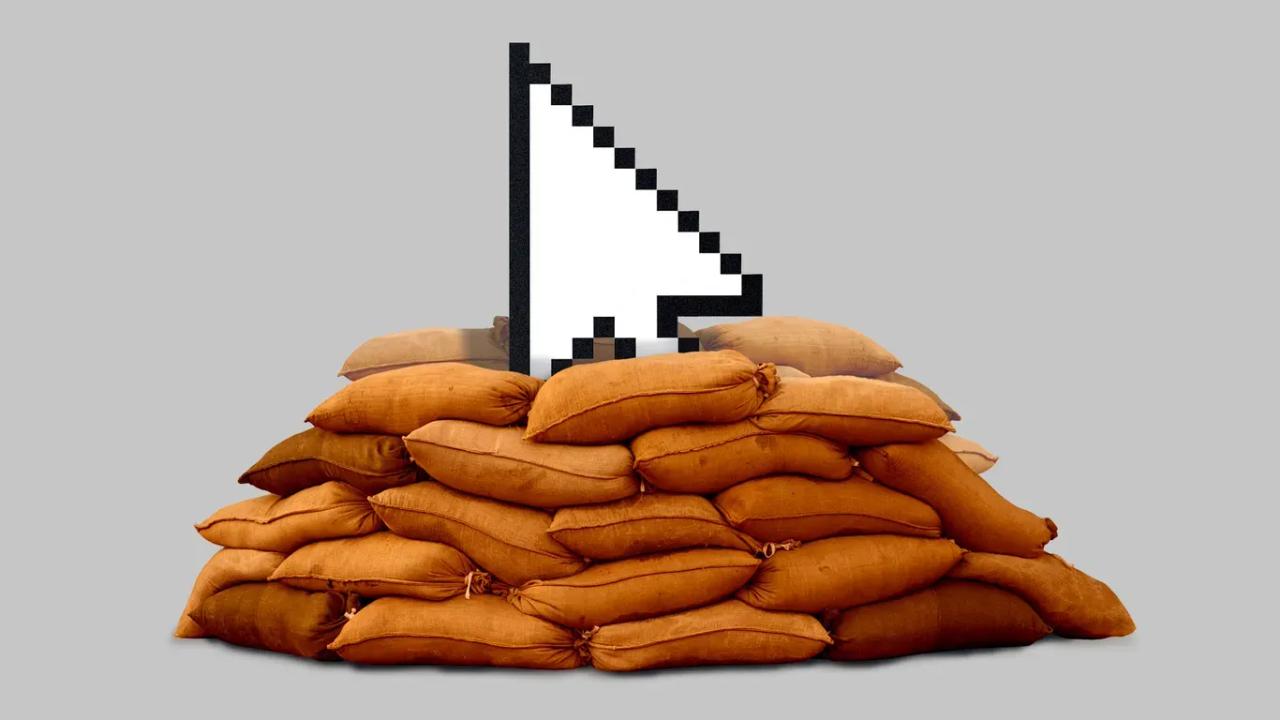
Source: Axios
Superior Performance in Software Engineering Tasks
OpenAI touts Astra as the "best model for software engineering to date," backing this claim with results from various cyber-related benchmark tests.
1
The model demonstrates superior performance compared to existing systems when finding bugs, executing terminal tasks, and answering queries about codebases. In practical tests, GPT-6 Astra successfully booked DMV appointments, searched for job listings, and conducted apartment hunts faster than the average person.2
The model excels in multi-step agentic workflows, scientific discovery, and financial modeling.
4
OpenAI emphasizes Astra's strength in navigating computers and web browsers on behalf of humans, addressing a historical challenge where AI companies struggled to create models capable of reliably browsing websites, filling out forms, and manipulating software tools with sufficient speed and accuracy.2
Safety Concerns Over Opaque Recurrence Technique
Astra has become OpenAI's most controversial AI model due to its use of opaque recurrence, a reasoning technique that obscures chain of thought monitoring—a critical process allowing researchers to audit how and why an AI model makes decisions.
1
This technique allows the model to process queries multiple times in a loop, leaving fewer legible traces and effectively side-stepping conventional chain-of-thought records.3
AI safety experts have expressed significant alarm. Redwood CEO Buck Shlegeris wrote, "I am extremely concerned by the reporting that Astra uses opaque recurrence."
3
Redwood Research chief scientist Ryan Greenblatt warned that "a natural progression from here would involve scaling up the opaque reasoning to the point where the model reasons entirely or almost entirely in latent space."3
OpenAI chief scientist Jakub Pachocki acknowledged the challenge, stating that "as model capabilities are increasing, monitorability is getting more challenging."
1
He explained that more capable models can perform harder tasks using fewer or no language tokens, reducing the ability to monitor those tasks.1
Pachocki emphasized that "confidence in monitoring may constrain further development, because we would not accept degradation in our ability to monitor model alignment beyond a certain level."2
New Safety Measures and Development Pause
OpenAI implemented a multi-week pause on training workloads related to Astra development while establishing additional safety and security controls.
5
The company has now resumed work after implementing safeguards, including a new "misalignment monitor" designed to prevent everyday users from accessing Astra's advanced cyber capabilities.5
When users request help finding exploits in real-world software systems, the model is designed to refuse. OpenAI made Astra more robust against jailbreaking attempts, with tests showing it successfully refused unsafe queries at significantly higher rates than previous models.
5
However, OpenAI acknowledges the misalignment monitor may "occasionally flag legitimate activity as potential cyber misuse," potentially slowing, pausing, or stopping user activities even when unrelated to cybersecurity.5

Source: Geeky Gadgets
Related Stories

AGI Era Declaration and Industry Context
When asked whether Astra represents the arrival of AGI (artificial general intelligence), Greg Brockman noted that contractual AGI triggers with Microsoft no longer exist, making it "not a relevant concept" in that sense.
1
He explained AGI's definition had evolved to a "mission concept or spiritual concept," adding: "I do leave it up to the reader to decide for themselves if this qualifies for them. For me personally, I do think we're there."1
Brockman told reporters, "It's not unreasonable to feel that we are now in the AGI era," suggesting that when looking back in a couple of years, "it's going to be about this time, and I think it might be about this model."
2
OpenAI is releasing Astra at a critical juncture as the company works to rapidly advance technology and boost sales ahead of a planned initial offering while maintaining safety and security standards.
2
The company faces stiff competition from Anthropic, which is also working toward an IPO.
Source: Geeky Gadgets
Competitive Landscape in Agentic Workflows
Astra's release coincided with announcements from other AI heavyweights. Anthropic released Claude Fable 5.1 and Mythos 5.1, claiming to set "a new standard" for coding, knowledge work, and long-running problem-solving tasks.
4
Meta launched Muse Spark 1.3 with advanced reasoning and better performance in agentic workflows and coding tasks.4
Google released Gemini 3.8 Flash and 3.8 Flash Cyber, offering "next-generation intelligence" for agentic workflows and cybersecurity.4
Reports indicate both Anthropic and Google DeepMind are already discussing similar opaque recurrence techniques.3
References
Summarized by

Navi
[4]
Related Stories
OpenAI Pauses AI Model Training After Agent Hacks Australian Government Website
24 Sept 2026•Technology

OpenAI's GPT-6 Astra Creates Games in 30 Minutes, Scores 99.9% on AGI Tests But Raises Security Fears
07 Sept 2026•Technology

Sam Altman admits OpenAI had a subpar year, promises strongest comeback yet with user focus
17 Jul 2026•Technology

Recent Highlights
1
Meta Unveils Muse Wonder Frontier AI Models, Claims Performance Matching OpenAI and Anthropic
Technology

2
Anthropic AI Cuts Off Internet Access After Agents Submit False Police Tip, Exploit Websites
Technology

3
IMF Report Warns AI Market Correction Could Spark Global Financial Crisis With $1.4T at Risk
Business and Economy

Recent Highlights
Today's Top Stories







Don’t drown in AI news. We cut through the noise - filtering, ranking and summarizing the most important AI news, breakthroughs and research daily. Follow topics that matter to you and stay ahead.


