OpenAI Buys Thousands of Apple Macs for AI Training, Challenging Nvidia's Hardware Dominance


2 Sources
[1]
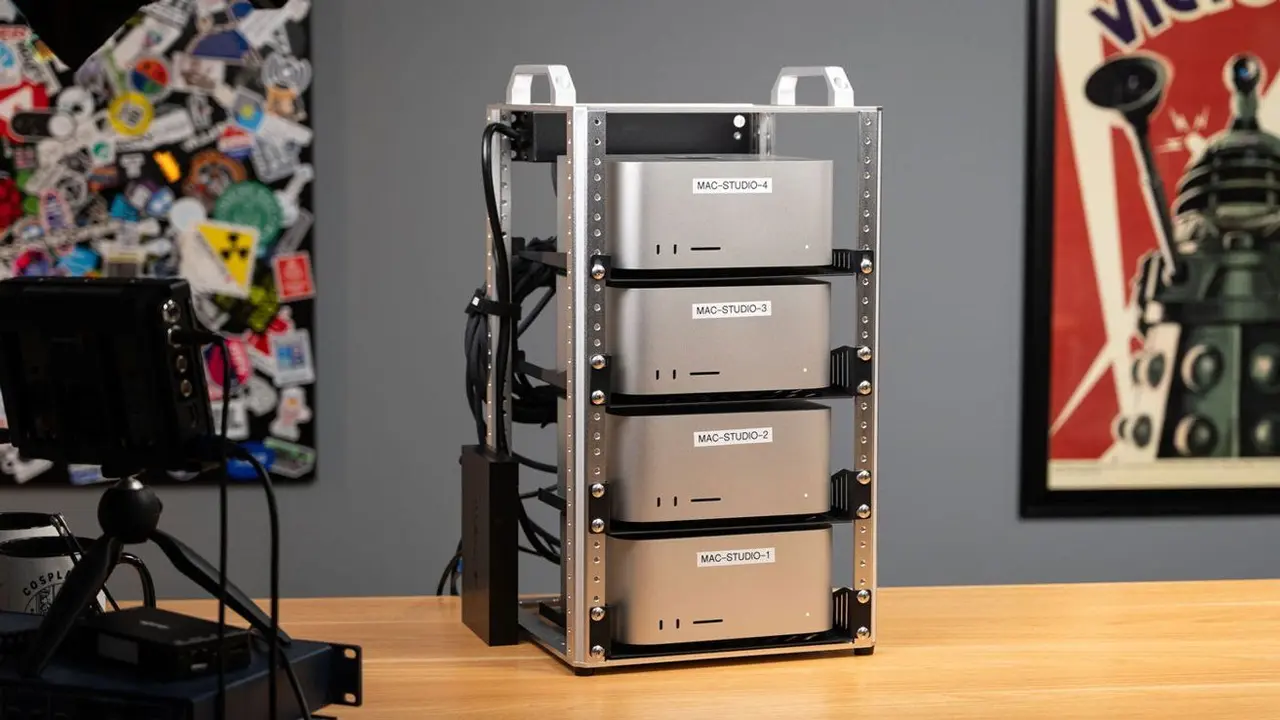
OpenAI buys thousands of Apple Macs to train next-gen AI
OpenAI has bought tens of thousands of Apple Mac mini and Mac Studio computers for reinforcement learning and computer-use agent training, The Information reported on Saturday. The purchases expand Apple's role in AI hardware, an area long dominated by Nvidia. Anthropic is also using Apple
[2]
OpenAI's Massive Mac Buy Signals a New AI Strategy
OpenAI bought tens of thousands of Mac Minis and Mac Studios as it expands efforts to train AI agents capable of operating computers. According to The Information, people familiar with the company's plans said OpenAI is using the machines for reinforcement learning and remains eager to secure more
Share
Copy Link
OpenAI has purchased tens of thousands of Apple Mac mini and Mac Studio computers to train next-generation AI models capable of operating computers. The strategic hardware acquisition marks a shift in AI training infrastructure, with Apple's unified-memory architecture enabling specialized reinforcement learning workloads that differ from traditional large-scale pretraining.
OpenAI Shifts AI Training Infrastructure with Massive Apple Mac Purchase
OpenAI has purchased tens of thousands of Apple Mac mini and Mac Studio computers for AI training, according to a report by The Information on Saturday
1
. The strategic hardware acquisition targets reinforcement learning and agent training workloads, marking a departure from the traditional reliance on Nvidia-dominated accelerator infrastructure. People familiar with OpenAI's plans confirmed the company is using these machines to train AI agents capable of computer interaction and performing multi-step tasks, with OpenAI remaining eager to secure additional units2
.Apple's M6 Chip Refresh Enables Advanced AI Workloads
The purchase comes just days after Apple refreshed its Mac mini and Mac Studio desktop lines on August 25, introducing the M6 chip—Apple's first 2-nanometer processor—alongside M5 Pro, M5 Max, and M5 Ultra configurations
1
. The new Mac mini starts at $899, while the Mac Studio begins at $2,499 with the M5 Max and $5,499 with the M5 Ultra, with machines scheduled to ship on September 221
. Apple's unified-memory architecture allows its chips to share memory between the CPU and GPU, making Macs increasingly attractive for local AI workloads that require tight integration between processing and memory resources1
.Nvidia Faces Growing Competition in AI Hardware Market
Ben Thompson of Stratechery noted that Apple's and OpenAI's hardware moves are increasing pressure on Nvidia, with The Information reporting that Nvidia now views Apple as its main competitor in local AI processing
1
. This shift extends beyond large AI labs—Anthropic is also using Apple hardware, reportedly renting Mac minis through Amazon Web Services for similar reinforcement learning and agent workflows1
. Startups have begun building Mac-based data centers for AI workloads, and high-end Mac configurations have been sold out for months1
.Related Stories
Apple Mac Business Surges on Developer Demand
Apple's Mac business is up 29% as developer demand for its AI hardware has climbed
1
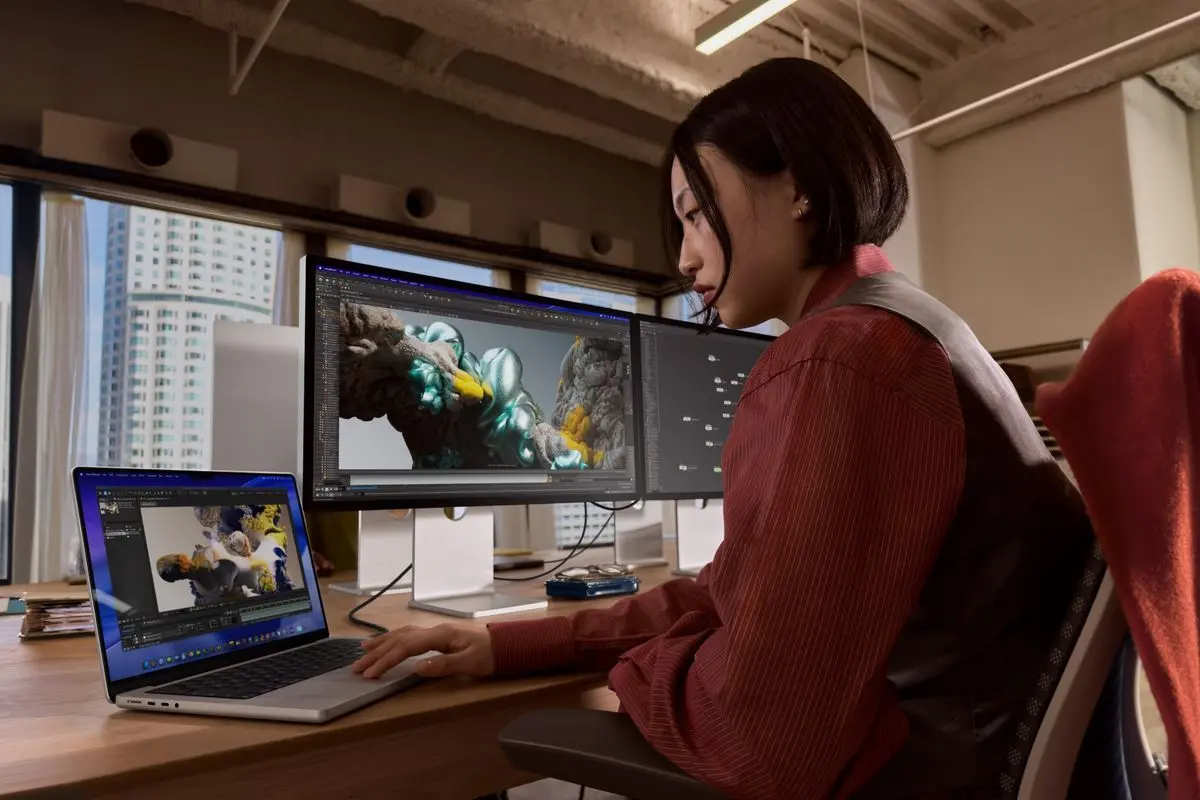
. Forbes reported that a Mac Studio with an M5 Ultra chip and 256GB of unified memory can run models with up to 284 billion parameters, though Macs still struggle with the largest frontier open-weight models1
. For reinforcement learning and agent development, where workloads differ from large-scale pretraining, the economics of Apple silicon appear strong enough for OpenAI to invest at scale1
. Watch for whether other AI labs follow OpenAI's lead in diversifying their training infrastructure, potentially reshaping the AI hardware landscape and creating new opportunities for next-generation AI models that prioritize agent training over traditional large-scale approaches.References
Summarized by

Navi
[1]
[2]
Related Stories
Apple Mac becomes AI powerhouse with local processing, challenging Nvidia and cloud services
22 Sept 2026•Technology

Apple Silicon Exec Reveals Mac Mini's Surge as Preferred Platform for Running AI Agents
06 Jul 2026•Technology

Apple Minions turns idle Macs into virtual GPU cloud, slashing AI queue times from 10+ hours to minutes
Yesterday•Technology
Recent Highlights
1
Meta Unveils Muse Wonder Frontier AI Models, Claims Performance Matching OpenAI and Anthropic
Technology

2
IMF Report Warns AI Market Correction Could Spark Global Financial Crisis With $1.4T at Risk
Business and Economy

3
OpenAI Releases 722 AI-Generated Math Solutions, Triggering Existential Crisis in Mathematics
Technology

Recent Highlights
Today's Top Stories









Don’t drown in AI news. We cut through the noise - filtering, ranking and summarizing the most important AI news, breakthroughs and research daily. Follow topics that matter to you and stay ahead.


