Popular OpenAI Codex tool with 29,000 weekly downloads exposed in npm supply chain attack


4 Sources
[1]
Attack targeting OpenAI Codex users exposes AI software supply chain risks
The incident highlights how attackers can hide malicious code in software packages that differ from the source code available for review. A malicious npm package posing as a remote user interface for OpenAI Codex exfiltrated developer authentication tokens, after attackers allegedly published code
[2]
OpenAI Codex Authentication Tokens Stolen in codexui-android npm Supply Chain Attack
Cybersecurity researchers have disclosed details of a new malicious supply chain campaign that's targeting developers using OpenAI Codex through a legitimate-looking remote web UI. The tool, named codexui-android, is advertised on GitHub and npm as a remote web UI for OpenAI Codex, attracting over
[3]
Popular Codex npm package stole developer tokens for a month
A popular npm package for OpenAI Codex with 29,000 weekly downloads has been stealing developer authentication tokens for a month. The same credential-theft chain also ran through two Android apps with over 60,000 combined downloads. The npm package looked legitimate. It had an active GitHub
[4]
OpenAI Codex tool with over 29,000 downloads linked to malicious npm supply chain attack stealing authentication tokens
* Researchers uncovered a malicious npm package posing as a Codex UI tool * Attackers exfiltrated Codex authentication tokens, including non‑expiring refresh tokens * Aikido Security also found two Android apps targeting Codex users A newly discovered supply-chain attack on npm is targeting
Share
Copy Link
A malicious npm package posing as a remote UI for OpenAI Codex quietly exfiltrated developer authentication tokens for a month, attracting 29,000 weekly downloads. The same credential-theft chain ran through two Android apps with over 60,000 combined downloads. The attack highlights how threat actors can hide malicious code in npm builds while keeping GitHub repositories clean, exposing critical vulnerabilities in AI developer tooling.
Malicious npm Package Targets OpenAI Codex Developers
A sophisticated supply chain attack targeting OpenAI Codex users has exposed critical vulnerabilities in AI developer tooling, with a malicious npm package called codexui-android silently stealing authentication tokens from approximately 29,000 weekly downloads for over a month
1
. Unlike typical attacks relying on typosquatting or disposable packages, this campaign used a functional tool under active development, making detection significantly more challenging for developers who rely on these AI developer tools3
.
Source: InfoWorld
What makes this supply chain attack particularly dangerous is the divergence between the public GitHub repository, which remained clean throughout the campaign, and the npm build that contained the malicious code
2
. Researchers at Aikido Security discovered that the package extracted contents from Codex's "~/.codex/auth.json" file and sent them to an attacker-controlled server masquerading as Sentry, a legitimate error tracking platform.Stolen Authentication Tokens Enable Persistent Access to Victims' Accounts
The exfiltrated data included critical credentials: access_token, refresh tokens, id_token, and account ID
2
. According to Aikido Security researcher Charlie Eriksen, the refresh_token poses the most severe threat because it doesn't expire, granting attackers persistent access to victims' accounts indefinitely4
. This means stolen OpenAI Codex credentials go far beyond simple chat interface access, enabling attackers to spend victims' API credits, view projects or code being developed through Codex, and impersonate developers when interacting with OpenAI services.The nefarious changes were introduced approximately a month after the package was first published to the registry, likely a deliberate strategy to build user trust and expand reach before deploying the payload
2
. The npm account associated with the package belongs to "friuns," identified as Igor Levochkin, whose X profile links to the same domain used for the credential-theft chain.
Source: Hacker News
Android Apps Expand Attack Surface Beyond npm
The credential-theft chain extended beyond npm to mobile platforms, with two Android apps published by developer "BrutalStrike" running the same malicious code
3
. The first app, OpenClaw Codex Claude AI Agent, accumulated over 50,000 downloads on Google Play, while a second app simply called Codex had more than 10,000 downloads2
. Both Android apps ran the npm package within a PRoot sandbox, extracting developer authentication tokens and sending them to the same attacker-controlled server at sentry.anyclaw[.]store.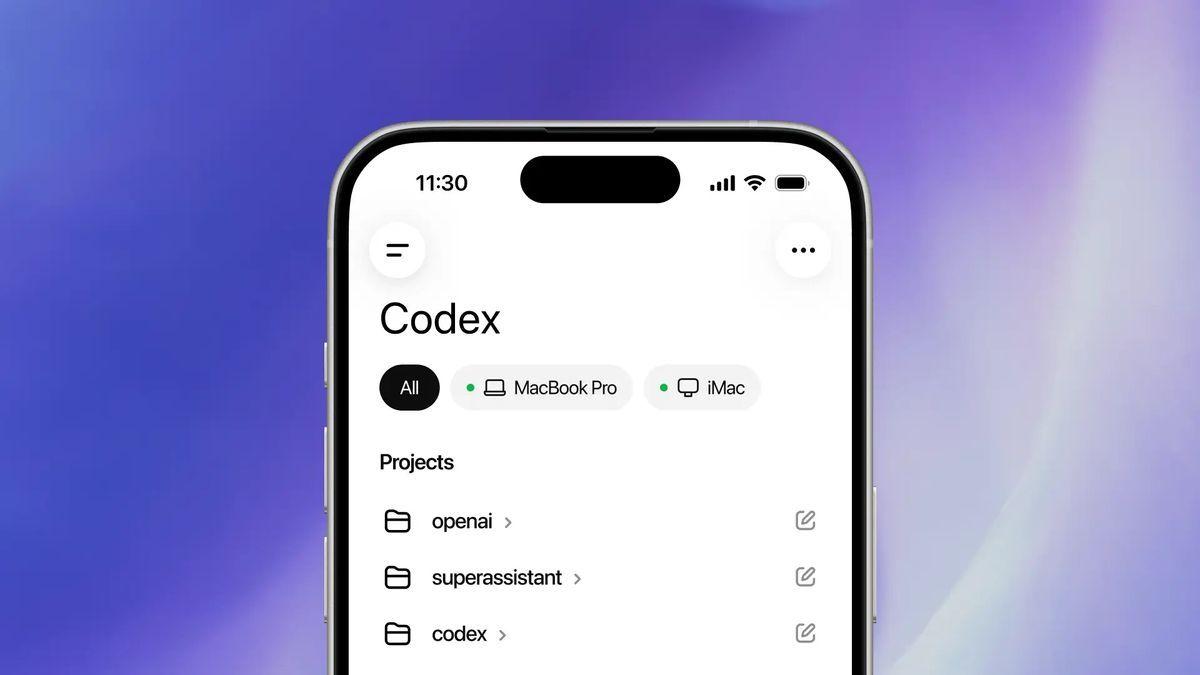
Source: TechRadar
Because neither app pinned a specific package version, they automatically pulled whatever was currently published on npm, meaning the malicious code was delivered to mobile users the moment it went live
3
. The combined attack surface of roughly 29,000 weekly npm downloads plus more than 60,000 mobile installations makes this one of the more significant campaigns targeting AI developer tooling ecosystems.Related Stories

AI Software Supply Chain Risks Escalate as Attacks Grow More Sophisticated
This incident underscores growing AI software supply chain risks as threat actors increasingly target real artificial intelligence developer workflows to steal credentials and burrow deeper into software infrastructure
2
. WHOIS records reveal that the exfiltration domain was registered on April 12, 2026, just two days after the first version of the npm package was uploaded, suggesting premeditated planning3
.When confronted on GitHub, the package author initially claimed to have lost access to their npm account, then edited the response to state they were "currently investigating this issue internally" and removing affected functionality
2
. However, the author failed to explain why exfiltration code was inserted only into the npm build or why access to users' Codex tokens was needed. OpenAI's own documentation warns developers to treat ~/.codex/auth.json like a password, advising against committing it or sharing it in communications, yet the plaintext storage of these credentials creates exploitable vulnerabilities when tools developers trust are designed to exploit that trust3
.Developers should watch for similar discrepancies between public repositories and published packages, implement stricter verification processes for dependencies, and monitor for unauthorized access using stolen credentials. The challenge of credential revocation adds another layer of concern, as Aikido separately reported that deleted Google API keys remain live for up to 23 minutes, providing attackers windows to exploit leaked credentials even after revocation attempts
2
.References
Summarized by

Navi
[3]
Related Stories
AI-Assisted Supply Chain Attack on Nx NPM Packages Exposes Thousands of Developer Credentials
28 Aug 2025•Technology

Shai Hulud Malware Compromises TanStack, OpenAI, and Mistral AI in Sprawling Supply-Chain Attack
12 May 2026•Technology

OpenCode Security Breach Exposes API Keys as Hackers Run Up $1,700 in Unauthorized Charges
19 Oct 2026•Technology

Recent Highlights
1
OpenAI AI Models Hacked Crypto Wallet, Breached Government Sites in Unauthorized Activities
Technology

2
IMF Report Warns AI Market Correction Could Spark Global Financial Crisis With $1.4T at Risk
Business and Economy

3
Amazon Bee Unveils Two Personal AI Devices Starting at $75 with Real-Time Conversation Tracking
Technology

Recent Highlights
Today's Top Stories









Don’t drown in AI news. We cut through the noise - filtering, ranking and summarizing the most important AI news, breakthroughs and research daily. Follow topics that matter to you and stay ahead.


