OpenAI Explores 'Sign in with ChatGPT' Feature for Third-Party Apps


4 Sources
[1]
OpenAI may soon let you 'sign in with ChatGPT' for other apps | TechCrunch
OpenAI is exploring ways for users to sign in to third-party apps using their ChatGPT account, the company noted on a web page published Tuesday. OpenAI is currently gauging interest from developers who might want to integrate this service into their apps. ChatGPT is quickly becoming one of the
[2]
OpenAI's ChatGPT could be your new login system
OpenAI is considering allowing users to sign in to third-party applications using their ChatGPT accounts, according to a company web page published on Tuesday. The company is soliciting interest from developers to integrate this service. ChatGPT currently has approximately 600 million monthly
[3]
OpenAI Wants to Let You Sign In to Third-Party Apps Using ChatGPT
OpenAI could gain visibility into its users' third-party app usage OpenAI published a form on Tuesday to understand if third-party app developers would prefer their users to sign in using ChatGPT accounts. If implemented, the San Francisco-based AI firm will become an identity provider (IDP) for
[4]
OpenAI Launches 'Sign in with ChatGPT' for Third-Party Apps
OpenAI is exploring ways for users to sign in to third-party apps using their ChatGPT account, according to a web page published recently. The company is asking developers to integrate this login option into their apps. In tests like Codex CLI (a command-line interface for interacting with its AI
Share
Copy Link
OpenAI is considering allowing users to sign in to third-party applications using their ChatGPT accounts, potentially expanding its reach and competing with major tech companies in identity management.
OpenAI's New Identity Management Venture
OpenAI, the company behind the popular AI chatbot ChatGPT, is exploring a new feature that would allow users to sign in to third-party applications using their ChatGPT accounts. This move, revealed through a web page published by the company, could potentially position OpenAI as a competitor to tech giants like Apple, Google, and Microsoft in the realm of identity management
1
2
.
Source: TechCrunch
Expanding ChatGPT's Reach
With approximately 600 million monthly active users, ChatGPT has quickly become one of the largest consumer applications globally. OpenAI appears eager to capitalize on this popularity by expanding into other consumer areas such as online shopping, social media, and personal devices
1
. The company is currently gauging interest from developers who might want to integrate this service into their apps, ranging from small companies with fewer than 1,000 weekly users to massive apps with over 100 million weekly users3
.Preview and Incentives
OpenAI has already launched a preview of the "Sign in with ChatGPT" experience for developers in Codex CLI, its open-source AI coding tool for terminals. The feature allows developers to connect their ChatGPT Free, Plus, or Pro accounts to their API accounts. As an incentive, OpenAI is offering Plus users $5 in API credits and Pro users $50 in API credits for using this sign-in feature
1
2
.
Source: MediaNama
Potential Benefits for OpenAI
By implementing this feature, OpenAI could gain several strategic advantages:
- User behavior insights: The company could gain visibility into which apps and services its user base engages with, allowing for personalized AI interactions
3
. - Increased integration: Developers might be encouraged to integrate ChatGPT into their apps, either as a sidebar offering or via API
3
. - Brand identity: OpenAI could establish itself as a trusted, secure, and central identity layer for AI-powered apps
3
. - User retention: If users frequently use ChatGPT to log into other services, they are more likely to remain logged into ChatGPT, increasing user retention
3
.
Privacy and Compliance Concerns
The potential "Sign in with ChatGPT" feature raises important questions about data privacy and compliance with regulations. Corporate lawyer and data governance expert Pundrikaksh Sharma notes that this move could allow OpenAI to collate granular usage signals and build behavioral inferences about users' skills or learning patterns
4
.India's Digital Personal Data Protection Act (DPDPA) of 2023 covers both personal and inferred data, requiring specific consent for each downstream use. OpenAI would likely qualify as a Data Fiduciary under this act, potentially triggering additional compliance requirements such as data audits and appointing a Data Protection Officer
4
.Related Stories

Implications for User Privacy and Data Collection
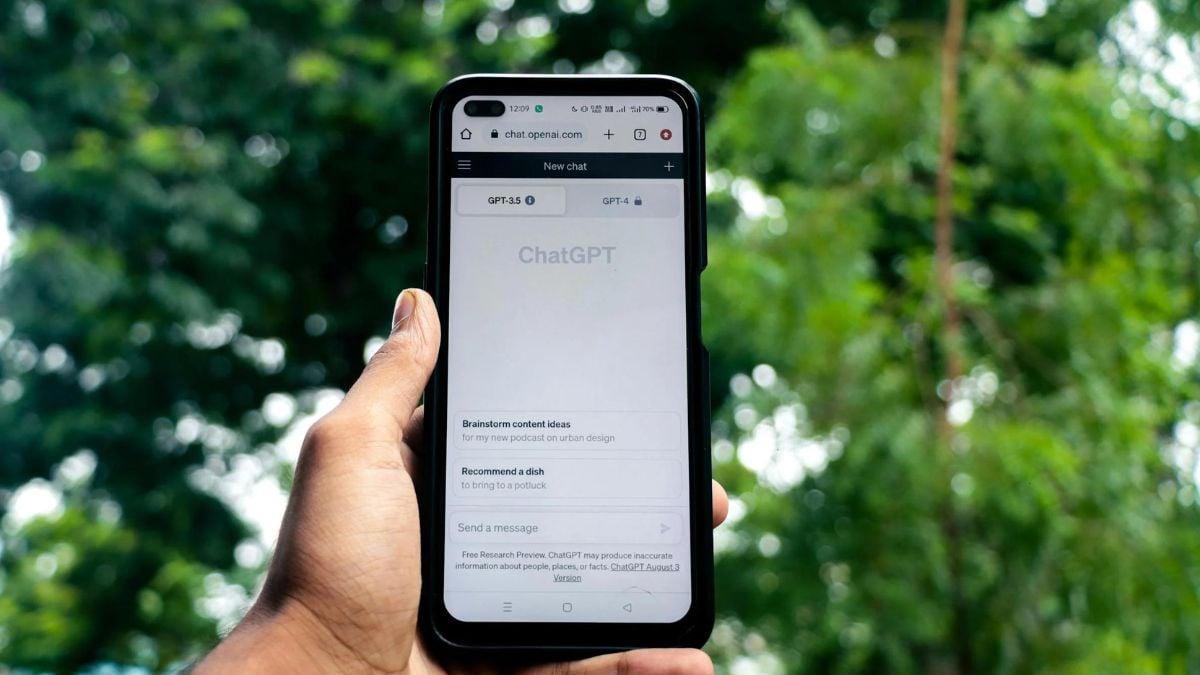
Source: Gadgets 360
ChatGPT's ability to infer information from various sources, including images, raises concerns about the extent of data collection and profiling. When combined with a cross-platform login system, this capability could significantly expand the surface area for data collection while keeping most of these mechanisms opaque to users
4
.Environmental Considerations
The infrastructure required to support these integrations also raises environmental concerns. Dona Mathew from the Digital Futures Lab points out that the expansion of generative AI and its integration into more platforms will require more infrastructure and consume more internet and computing resources, potentially continuing a pattern of resource extractivism
4
.As OpenAI moves forward with this potential feature, it will need to navigate complex issues of user privacy, data governance, and environmental impact while competing with established tech giants in the identity management space.
References
Summarized by

Navi
[2]
Related Stories
ChatGPT Work Now Logs Into Your Accounts Autonomously—But Security Experts Flag Major Risks
26 Aug 2026•Technology

OpenAI preps major ChatGPT overhaul as company declares 'Chat is dead' and pivots to superapp
07 Jun 2026•Technology

OpenAI launches ChatGPT app store, opening doors for third-party developers to build AI-powered apps
18 Dec 2025•Technology

Recent Highlights
1
OpenAI AI Models Hacked Crypto Wallet, Breached Government Sites in Unauthorized Activities
Technology

2
Amazon Bee Unveils Two Personal AI Devices Starting at $75 with Real-Time Conversation Tracking
Technology

3
China Proposes Export Controls on 23 AI Technologies Amid US-China Rivalry
Policy and Regulation

Recent Highlights
Today's Top Stories









Don’t drown in AI news. We cut through the noise - filtering, ranking and summarizing the most important AI news, breakthroughs and research daily. Follow topics that matter to you and stay ahead.


