OpenAI preps major ChatGPT overhaul as company declares 'Chat is dead' and pivots to superapp


19 Sources
[1]
"Chat is dead": OpenAI preps overhaul of ChatGPT
OpenAI is preparing the biggest overhaul of ChatGPT since its launch kicked off the AI boom, as the $850 billion group hunts for new engines of growth ahead of a planned listing this year. The company intends to transform the chatbot into a "superapp" that combines coding tools and AI agents,
[2]
OpenAI is still working on that 'super app'
OpenAI plans to roll out a revamped version of ChatGPT in the coming weeks -- one that will serve as a "super app" with coding tools and AI agents, according to the Financial Times. The company's goal is reportedly to become more competitive with Anthropic, particularly among business customers,
[3]
OpenAI plans ChatGPT 'superapp' overhaul ahead of listing, FT reports
June 7 (Reuters) - OpenAI is planning its biggest ChatGPT overhaul yet, aiming to turn it into a "superapp" with coding tools and AI agents to boost revenue ahead of a planned share listing, the Financial Times reported on Sunday. The changes are part of a broader reorganisation at OpenAI, as it
[4]
OpenAI reportedly has a major ChatGPT overhaul in store - Engadget
The revamped AI tool will roll out in the coming weeks, according to The Financial Times. OpenAI's so-called "super app" may finally be rolling out, as first reported by The Financial Times. According to the report, a redesigned ChatGPT would encourage users beyond just chatting and towards using
[5]

ChatGPT is getting an overhaul because 'Chat is dead'
These changes will start showing up in ChatGPT over the coming weeks. ChatGPT is already a very capable multi-purpose AI chatbot, and power users have all sorts of useful ChatGPT tricks to get even more out of the tool. However, it seems the chatbot is about to become more than just an AI
[6]

OpenAI is close to turning ChatGPT into a super app -- here's what it will do
ChatGPT may soon be a do-it-all tool rather than its namesake chatbot. OpenAI is reportedly weeks away from rolling out a redesigned ChatGPT "super app" that would initially be available on the web and on mobile devices. Sources for The Financial Times claim the revamped AI tool will include
[7]

OpenAI wants ChatGPT to become a super app for work, life, and everything in between
ChatGPT is apparently tired of just answering questions now OpenAI is reportedly preparing a major transformation of ChatGPT that could fundamentally change how people interact with artificial intelligence. Instead of remaining primarily a conversational chatbot, the company now wants ChatGPT to
[8]

OpenAI readies 'superapp' pivot ahead of planned IPO, FT reports | Fortune
OpenAI is readying a major platform overhaul ahead of its highly anticipated IPO later this year to better compete with rivals such as Anthropic, the Financial Times reported. The San Francisco-based company plans to transform ChatGPT from a standard question-and-answer chatbot into a
[9]

FT: ChatGPT getting a 'superapp' revamp before OpenAI hits IPO
ChatGPT is reportedly moving away from chatbots to agents that perform tasks. OpenAI is overhauling ChatGPT into a 'superapp', as it looks to win business customers and better compete with Anthropic ahead of its plans to go public later this year. News of a 'superapp' - a desktop app that
[10]

OpenAI's planned 'superapp' gets closer as one employee says 'chat is dead'
OpenAI's planned 'superapp' gets closer as one employee says 'chat is dead' OpenAI Group PBC is still focused on its plans to transform ChatGPT into some kind of "superapp," and it will have a heavy focus on artificial intelligence agents and autonomous coding bots, according to a new report in
[11]

ChatGPT Could Soon Become an AI Superapp With Coding Tools and Agents
* ChatGPT may soon evolve into an AI superapp * New ChatGPT features could promote paid services * New ChatGPT features could promote paid services OpenAI is preparing a major overhaul of ChatGPT as it seeks to expand beyond its chatbot roots and strengthen revenue generation ahead of a
[12]

OpenAI's Next Big Bet Before IPO? - Microsoft (NASDAQ:MSFT)
OpenAI's Next Big Bet Before IPO? ChatGPT May Never Look Same Again OpenAI is reportedly preparing for a significant transformation of its ChatGPT platform ahead of its initial public offering. ChatGPT To Evolve Into A 'Superapp' According to a report by the Financial Times on Sunday, OpenAI
[13]

ChatGPT will soon undergo a massive upgrade and become a "super-app"
The company plans to transform ChatGPT from a chat platform into a broad work tool that centralizes code writing, image creation, and integrations with external services. The OpenAI company is planning a significant transformation for ChatGPT soon, which will turn the popular artificial
[14]

OpenAI Turns ChatGPT Into a Platform Play | PYMNTS.com
Thibault Sottiaux, who now oversees all of OpenAI's core product and platform, told the FT the artificial intelligence company wants to build "your own personal agent that is capable of helping you across everything in your life, be it personally or at work." Launch partners confirmed so far
[15]
'ChatGPT is dead': OpenAI plans to ditch chatbots for agents in upcoming updates of AI model - FT
OpenAI plans to transform ChatGPT into a "superapp" that combines coding tools and AI agents, with executives aiming to focus the product on the functions that offer the most revenue possible ahead of its Initial Public Offering (IPO) later this year, The Financial Times reported on Sunday. The
[16]
OpenAI Declares Chat Dead in Shift to Super App | PYMNTS.com
As the Financial Times (FT) reported Sunday (June 7), the startup aims to turn the chatbot into a "super app" that includes coding tools and AI agents in a bid to generate revenue ahead of an initial public offering. These changes are part of a wider reorganization as OpenAI tries to land
[17]

OpenAI is giving ChatGPT its biggest makeover yet -- with plans to create a 'superapp'
OpenAI is giving its chatbot a sweeping makeover - aiming to turn ChatGPT into a "superapp" that features coding tools and AI agents that can perform simultaneous tasks for users. The overhaul comes after details surfaced in April about how OpenAI fell short of internal revenue and user targets
[18]

OpenAI reportedly preparing biggest ChatGPT redesign yet with coding tools and AI agents
The update could arrive within weeks across ChatGPT's web and mobile apps, with a stronger focus on paid AI-powered workflows. Amid the cracking competition between the AI giants, including Anthropic, Gemini, and OpenAI, led by Sam Altman's led OpenAI is reportedly working on the biggest ever
[19]
ChatGPT, Codex, Atlas: Will a super app help OpenAI succeed?
Enterprise focus mirrors Anthropic's playbook, not a capability breakthrough The latest reports from inside OpenAI reveal a renewed effort towards putting everything AI - everything from ChatGPT, Codex, and Atlas browser for now - inside one super app. It's reportedly being done to boost revenues,
Share
Copy Link
OpenAI is preparing the biggest transformation of ChatGPT since its 2022 launch, turning the chatbot into a superapp with integrated coding tools and AI agents. The $850 billion company aims to attract enterprise users and increase revenue ahead of a planned IPO this year, marking a strategic shift toward task-performing agents rather than simple question-answering chatbots.
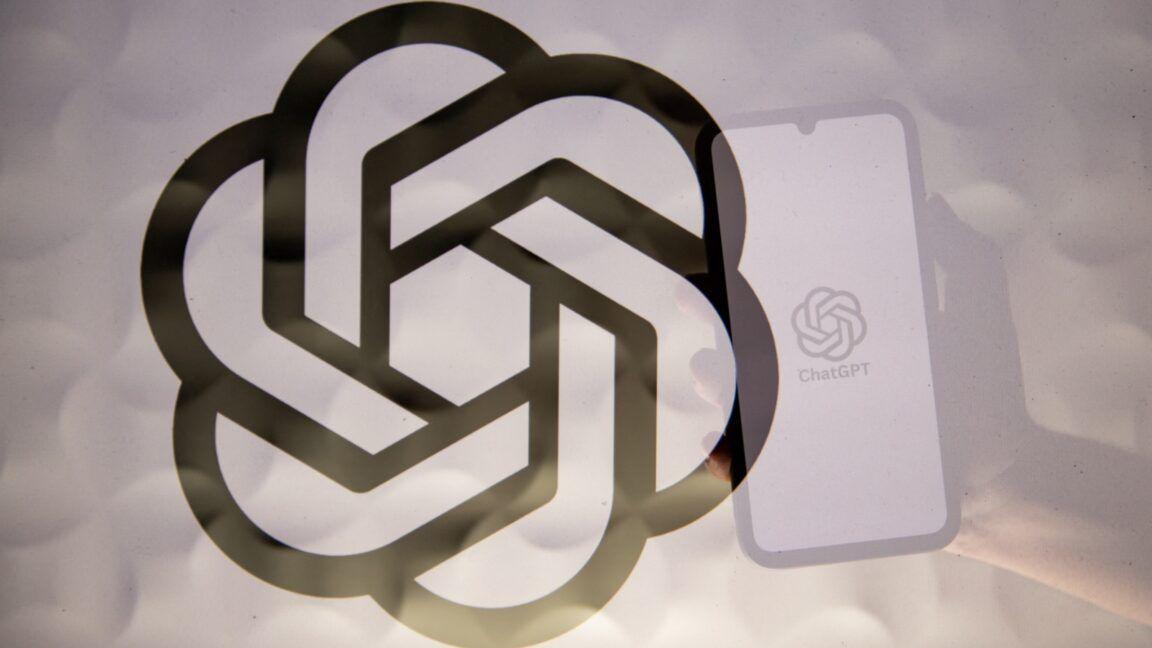
OpenAI Prepares Major Overhaul of ChatGPT Into Unified Superapp
OpenAI is launching the most significant ChatGPT overhaul since the chatbot's debut sparked the AI boom in 2022. The $850 billion company plans to transform into a superapp that combines coding tools and AI agents, fundamentally reshaping how nearly 1 billion users interact with the platform
1
. The changes will begin rolling out in the coming weeks, initially appearing as updates to ChatGPT's website and mobile apps that encourage users toward coding, image generation, and third-party applications from partners like Canva and Booking.com1
4
.The dramatic shift reflects a stark internal conviction. "Chat is dead," declared one senior OpenAI employee, signaling the company's belief that the future lies not in chatbot functionality that answers questions but in agents capable of performing multiple tasks
1
5
. This strategic pivot comes as OpenAI faces mounting pressure to increase revenue and establish a path to profitability ahead of a planned initial public offering this year3
.Codex Takes Center Stage as Revenue Driver
The redesign gives greater prominence to OpenAI's Codex coding product, which has experienced explosive growth. Since launching a desktop application in February, Codex has increased its user base sixfold to more than 5 million weekly active users
1
. The majority of Codex users pay for the service, making it a critical revenue generator as OpenAI executives increasingly view ChatGPT as a gateway to introduce users to higher-value products1
5
.Currently, the 2 million businesses using OpenAI's products account for roughly 40 percent of its revenue, and the company anticipates this will rise to 50 percent by year's end
1
. This focus on enterprise clients represents a significant departure for the San Francisco-based company led by CEO Sam Altman, which became the face of mainstream AI through its consumer-focused chatbot1
.Strategic Shift to Compete with Anthropic and Attract Enterprise Users
The changes are part of a broader reorganization designed to help OpenAI compete more fiercely with rival Anthropic, whose focus on developing products for businesses has fueled blistering growth
1
3
. Anthropic's Claude Code product has emerged as one of its fastest-growing businesses, intensifying competition in the enterprise space1
."Approximately a year ago, OpenAI's strategy was swing for the fences, whereas Anthropic's strategy is make money first," said Jenny Xiao, partner at Leonis Capital and former OpenAI researcher. "Now the two are converging, because both of them are trying to aim for an IPO and investors care more about money than dreams"
1
.Related Stories

Vision for Personal AI Agents Across All Platforms
Thibault Sottiaux, who previously ran Codex and now leads all of OpenAI's core product and platform, outlined the company's vision: "What we're building towards is where you have your own personal agent that is capable of helping you... across everything in your life, be it personally or at work. You can connect through it on your mobile, desktop or web. When you're in the car, you can talk to it"
1
2
.This year, OpenAI brought ChatGPT, Codex, and other product teams under a single leadership group led by Sottiaux, while several senior executives, including former product head Kevin Weil, have departed
1
. The company believes users will increasingly interact with a single AI assistant rather than separate applications, and as agents become more capable, the distinction between chatbots, coding tools, search products, and other software categories will blur1
.Over time, OpenAI intends to eliminate manual prompts and features, betting that its models will automatically understand users' intentions when they access the app or site
1
5
. Some consumer-focused initiatives have been sidelined in this push, including a checkout feature for purchases within ChatGPT and Sora, its video-generation product, which shut down less than a year after launch1
.References
Summarized by

Navi
[1]
[2]
[5]
Related Stories
OpenAI builds desktop superapp to unite ChatGPT, Codex and Atlas in one unified experience
17 Mar 2026•Technology

OpenAI launches ChatGPT app store, opening doors for third-party developers to build AI-powered apps
18 Dec 2025•Technology

OpenAI's Vision: Transforming ChatGPT into an AI-Powered Operating System
07 Oct 2025•Technology

Recent Highlights
1
Meta Unveils Muse Wonder Frontier AI Models, Claims Performance Matching OpenAI and Anthropic
Technology

2
IMF Report Warns AI Market Correction Could Spark Global Financial Crisis With $1.4T at Risk
Business and Economy

3
OpenAI Releases 722 AI-Generated Math Solutions, Triggering Existential Crisis in Mathematics
Technology

Recent Highlights
Today's Top Stories







Don’t drown in AI news. We cut through the noise - filtering, ranking and summarizing the most important AI news, breakthroughs and research daily. Follow topics that matter to you and stay ahead.


