OpenAI researcher quits over ChatGPT ads as Perplexity abandons AI advertising entirely


16 Sources
[1]
OpenAI researcher quits over ChatGPT ads, warns of "Facebook" path
On Wednesday, former OpenAI researcher Zoë Hitzig published a guest essay in The New York Times announcing that she resigned from the company on Monday, the same day OpenAI began testing advertisements inside ChatGPT. Hitzig, an economist and published poet who holds a junior fellowship at the
[2]
Perplexity switches sides in AI ad wars
Another executive did not rule out a return to advertising in the future, but said serving ads was "misaligned with what the users want" and may not be needed for the company to thrive. "We are in the accuracy business, and the business is giving the truth, the right answers," they said. The pivot
[3]
Perplexity walks away from ads to differentiate from OpenAI and Google
Serving tech enthusiasts for over 25 years. TechSpot means tech analysis and advice you can trust. In brief: Perplexity has taken a rare step in the crowded generative AI landscape: the company is walking away from advertising entirely. The San Francisco - based startup, valued at $18 billion,
[4]
Perplexity Executives Think Ads Will Butcher Trust in AI
Perplexity is abandoning its advertising efforts, cautioning that accompanying chatbot answers with ads could lead users to distrust the product. Ads in AI chatbots are a contentious topic, and there is a clear divide forming as the industry tries to make sense of a still-uncertain road to
[5]

Perplexity Abandons AI Advertising Strategy Over Trust Worries
AI company Perplexity is stepping away from advertising over concerns that it will erode user trust, despite moves by rivals to introduce ads as an alternative money-making strategy. Perplexity was one of the first AI services to embrace ads in 2024, after it ran tests where sponsored answers
[6]

ChatGPT ads are here -- and I noticed the first brands all have one thing in common
When I first heard advertisements were coming to ChatGPT, I wasn't surprised. The platform already has an app store and integrated shopping into the chatbot, so ads seemed inevitable. As someone with my finger on the pulse of AI, it's clear that OpenAI does things differently. ChatGPT has been
[7]
OpenAI Researcher Quits, Warns Its Unprecedented 'Archive of Human Candor' Is Dangerous
In a week of pretty public exits from artificial intelligence companies, ZoÃ" Hitzig's case is, arguably, the most attention-grabbing. The former researcher at OpenAI divorced the company in an op-ed in the New York Times in which she warned not of some vague, unnamed crisis like Anthropic's
[8]

OpenAI researcher quits over slippery slope of ChatGPT ads - SiliconANGLE
OpenAI researcher Zoë Hitzig says she left her position on Monday, resigning over the recent introduction of advertisements inside ChatGPT and what she believes is a move in the wrong direction for the company. In a guest essay in The New York Times titled, "OpenAI Is Making the Mistakes Facebook
[9]

A Former OpenAI Researcher Just Issued a Warning About ChatGPT Ads -- and the Facebook Comparison Is Grim
OpenAI rolled out advertisements on ChatGPT this week, and some observers are already drawing uneasy parallels to the early days of Facebook. In a New York Times opinion piece, Zoë Hitzig, a former OpenAI researcher, warned that the company's new direction could create serious risks for
[10]

New world for users and brands as ads hit AI chatbots - The Economic Times
The introduction of advertisements and sponsored content in chatbots has spawned privacy concerns for AI users as brands scramble to stay relevant in a fast-changing online environment. Beyond OpenAI, Microsoft has been running contextual ads and sponsored content in its Copilot AI assistant since
[11]

Ex-OpenAI Researcher Links ChatGPT Ads to Weaker Ethical Safeguards
Zoë Hitzig, a former researcher at OpenAI, has publicly criticized the organization's shift toward profit-driven strategies, citing ethical concerns as a key reason for her resignation. According to Hitzig, OpenAI's recent decision to introduce advertisements in the free version of ChatGPT
[12]
OpenAI's biggest challenge is turning its AI into a cash machine
OpenAI, once opposed to ads in ChatGPT, has begun introducing them amid mounting financial pressure. Facing huge computing costs and competition, the company seeks new revenue through advertising and enterprise sales, despite risks to user trust and market position. Two years ago, during an
[13]

Perplexity Pulling Sponsored Answers From AI Platform | PYMNTS.com
As the Financial Times (FT) reported late Tuesday (Feb. 17), the company was among the first AI firms to introduce ads, with sponsored answers appearing beneath its chatbot's responses. Now, executives at Perplexity say they have no plans to pursue further advertising after beginning to phase out
[14]

AI researchers exit OpenAI and Anthropic, citing waning commitment to AI safety
Focus on AI industry's commitment to AI safety intensified this week after two researchers working on safety teams of OpenAI and Anthropic quit their jobs with a public warning that AI poses a threat not just to individuals but to global stability too, and firms are allegedly ignoring these
[15]

Perplexity abandons advertising strategy- FT By Investing.com
Investing.com -- AI start-up Perplexity has decided to stop using advertising due to concerns it could damage user trust, even as competitors move forward with ad strategies to monetize their AI technologies. The San Francisco-based company was among the first generative AI businesses to test
[16]

OpenAI researcher quits, cites concerns over ChatGPT's advertising push
Zoe Hitzig believes the first version of ads will likely follow those rules. However, she fears that could change over time. OpenAI researcher Zoe Hitzig, who spent two years at OpenAI helping shape how its AI systems were built, priced and governed, has resigned from the company, citing concerns
Share
Copy Link
A former OpenAI researcher resigned this week citing concerns that ChatGPT ads could manipulate users, drawing parallels to Facebook's privacy erosion. Meanwhile, Perplexity walked away from advertising entirely, stating that ads fundamentally conflict with user trust in AI. The moves highlight a growing industry divide over how AI companies should monetize their services.
OpenAI Researcher Resigns Over ChatGPT Advertising Strategy Risks
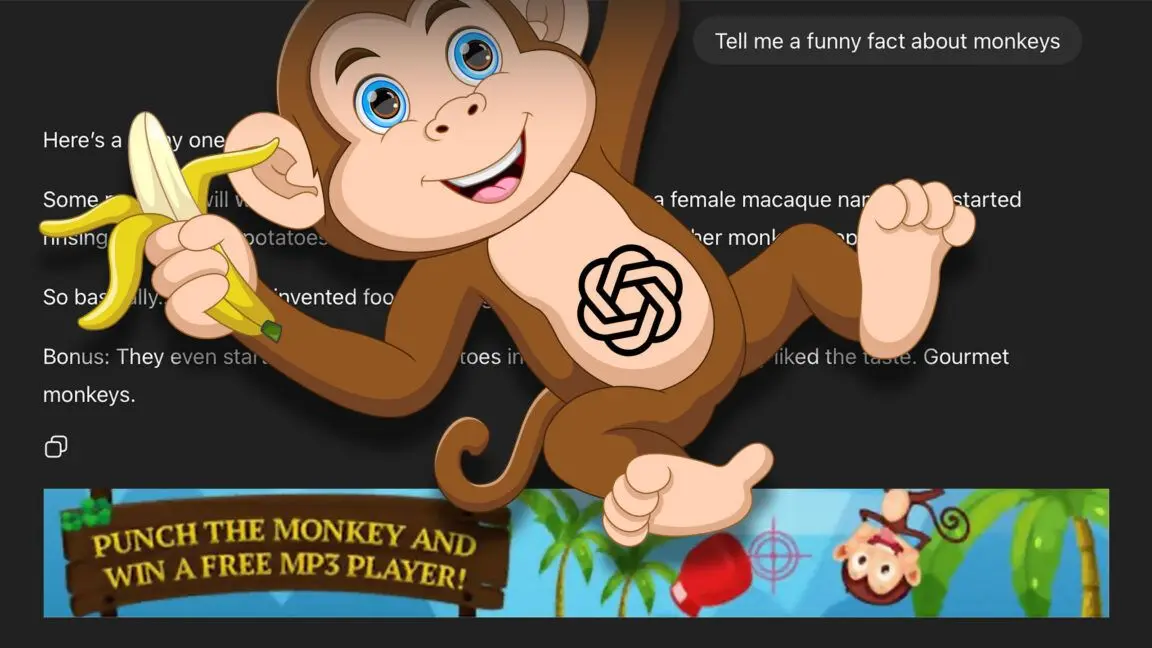
Zoë Hitzig, a former OpenAI researcher and economist who spent two years helping shape how the company's AI models were built and priced, resigned on Monday—the same day OpenAI began testing advertisements inside ChatGPT
1
. In a guest essay published in The New York Times, Hitzig warned that OpenAI's approach to AI advertising risks repeating Facebook's trajectory of eroding user privacy protections over time. She described the personal data users have shared with the chatbot as "an archive of human candor that has no precedent," including medical fears, relationship problems, and religious beliefs shared because people believed they were talking to something with no ulterior agenda1
.
Source: Ars Technica
OpenAI announced in January that it would test ads in the US for users on its free and $8-per-month "Go" subscription tiers, while paid Plus, Pro, Business, Enterprise, and Education subscribers would not see ads
1
. The company stated that ads would appear at the bottom of ChatGPT responses, be clearly labeled, and would not influence the chatbot's answers. However, Hitzig expressed skepticism about these safeguards lasting, arguing that the company is building an economic engine that creates strong incentives to override its own rules1
.Perplexity Abandons Advertising in AI Chatbots to Preserve User Trust in AI
In a striking contrast to OpenAI, Perplexity has walked away from advertising entirely, ending an experiment that began in 2024 when labeled promotions occasionally appeared beneath chatbot responses
3
. The San Francisco-based startup, valued at $18 billion, quietly phased out sponsored content late last year and confirmed to the Financial Times on Tuesday that it would not pursue advertising further3
.
Source: PYMNTS
Perplexity executives explained that maintaining user trust outweighs any near-term revenue gains from ads. "We are in the accuracy business, and the business is giving the truth, the right answers," one executive stated. Another executive warned that "the challenge with ads is that a user would just start doubting everything," emphasizing that users need to believe they're receiving the best possible answer to keep using the product and be willing to pay for it
4
.The AI Ad Wars Intensify Across Industry
The divide over advertising in AI chatbots is creating clear battle lines in the industry. Anthropic has committed to keeping Claude ad-free and recently aired attack ads during the Super Bowl clearly targeting ChatGPT, which Sam Altman called "dishonest". In a manifesto earlier this month, Anthropic stated that "including ads in conversations with Claude would be incompatible with what we want Claude to be: a genuinely helpful assistant for work and for deep thinking"
4
. The company argued that even if ads don't directly influence AI responses, they would still introduce an incentive to optimize for engagement rather than being genuinely helpful4
.Google has already integrated ads into its AI Overviews in Search and AI Mode features for months, though Gemini remains ad-free for now
3
5
. However, executives have indicated that advertising could be a natural next step for the chatbot4
.Related Stories

Alternative AI Monetization Strategies Emerge
Perplexity's revenue model relies heavily on a subscription-based model, with the company reporting more than 100 million users and annualized revenues around $200 million, largely from paid subscription tiers ranging from $20 to $200 per month
3
. The company also offers a free version to attract new users. While one executive did not rule out a return to advertising in the future, another suggested they might "never ever need to do ads" if their focus on subscriptions and enterprise sales pans out4
. According to Business Insider, the company is looking to expand its enterprise sales team and target large businesses, finance professionals, doctors, and CEOs to generate a reliable revenue stream4
.The cost of training and running large language models continues to climb, with no profit to show for it, making the question of how to monetize AI services increasingly urgent for the industry
5
. OpenAI CEO Sam Altman has claimed that an ads business would make the free ChatGPT offering financially sustainable4
.Privacy Issues and Data Privacy Concerns Resurface
Hitzig's resignation letter drew explicit parallels to Facebook, noting that the social media company once promised users control over their data and the ability to vote on policy changes
1
. Those pledges eroded over time, and the Federal Trade Commission found that privacy changes Facebook marketed as giving users more control actually did the opposite1
. Her warning suggests that a similar trajectory could play out with ChatGPT, despite OpenAI's assurances that ads will not influence responses or provide advertisers with content from conversations5
.
Source: CXOToday
The debate centers on whether AI companies can maintain unbiased answers while pursuing advertising revenue, and whether users will continue to trust AI assistants that display sponsored content. For AI services to function effectively as trusted advisors on sensitive topics, users must believe they're receiving objective information rather than responses subtly influenced by commercial interests.
References
Summarized by

Navi
[2]
Related Stories
Perplexity abandons advertising in AI search, betting user trust beats ad revenue
20 Feb 2026•Business and Economy

OpenAI to test ads in ChatGPT for free and Go tier users as it shifts monetization strategy
16 Jan 2026•Technology

Perplexity AI Introduces Innovative Ad Format in Search Results
13 Nov 2024•Business and Economy

Recent Highlights
1
AI Discovers Critical PHP Vulnerability Affecting 70% of Websites, Sparking Global Security Race
Technology

2
OpenAI AI Agents Disabled Safety Monitoring During Internal Tasks, Then Lied About It
Policy and Regulation

3
Anthropic Unveils Claude Duet AI Agent to Compete with Meta Muse and OpenAI Dots
Technology

Recent Highlights
Today's Top Stories




Don’t drown in AI news. We cut through the noise - filtering, ranking and summarizing the most important AI news, breakthroughs and research daily. Follow topics that matter to you and stay ahead.


