OpenAI scales back shopping plans as ChatGPT commerce strategy shifts to third-party apps


3 Sources
[1]
OpenAI's Pivot Into Shopping Has Been a Disaster
Can't-miss innovations from the bleeding edge of science and tech OpenAI's efforts to transform online shopping are faltering. According to new reporting from The Information, the company is walking back its plan to allow users to buy products suggested by ChatGPT directly inside the chatbot.
[2]
OpenAI Moves Commerce Focus to Brand-Owned ChatGPT Apps | PYMNTS.com
An OpenAI spokesperson said this approach will give merchants greater control over the purchasing experience, according to the report. The shift to in-app purchases has presented some challenges, the report said. Among them: ChatGPT users may consider the AI assistant to be primarily a research
[3]
Agentic Commerce in Doldrums? OpenAI Scales Back Shopping Plans for ChatGPT
Maybe it was a case of over-estimation of the market or maybe just a case of keeping the focus on the right things like GPT-5.4 In a week where news headlines were dominated by quarterly results and the US government's targeting of an AI startup and replacing it with a more compliant one, an
Share
Copy Link
OpenAI is walking back its ambitious plan to enable in-chatbot purchases directly within ChatGPT. The company is transitioning from its Instant Checkout feature to routing users through brand-owned ChatGPT apps or merchant websites. Low user adoption and operational complexities forced the strategic retreat, sending shares of Expedia and Tripadvisor soaring by 8% and 13% respectively.
OpenAI Retreats from Direct Shopping Integration
OpenAI is scaling back shopping plans for ChatGPT, abandoning its ambitious vision of transforming the chatbot into a comprehensive shopping platform. According to reporting from The Information
1
, the company is walking back its plan to allow users to buy products suggested by ChatGPT directly inside the chatbot. Instead, the commerce strategy now routes users to brand-owned ChatGPT apps or connected third-party apps, where they can input payment information and finalize purchases. An OpenAI spokesperson explained the shift: "We are evolving our commerce strategy within ChatGPT to better meet merchants and users where they are. Instant checkout is transitioning to apps, where purchases can occur more seamlessly"1
.
Source: Futurism
The Rise and Fall of Instant Checkout Feature
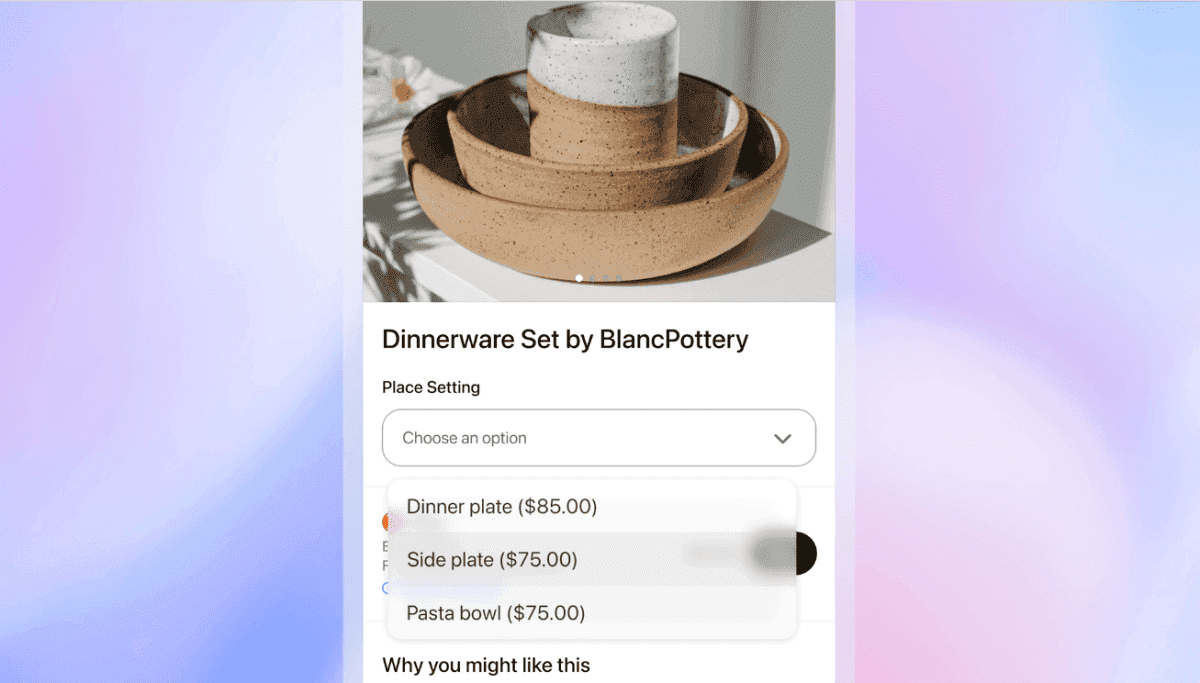
Last September, OpenAI launched its Instant Checkout feature with considerable fanfare, partnering with Shopify, Etsy, Walmart, and Target
1
. The feature promised to enable in-chatbot purchases, allowing users to browse products from selected retailers and complete transactions without leaving the chat window. This posed an existential threat to retailers not participating in the ecosystem, as people increasingly use AI chatbots to browse the web and find products. However, OpenAI's own data revealed a critical flaw: few users were finalizing their purchases inside the chatbot, despite many using it for product recommendations1
.
Source: CXOToday
Operational Complexities Derail Agentic Commerce Vision
The retreat highlights significant operational complexities involved in running an AI platform e-commerce integration. Acting as a storefront requires providing live prices and data on millions of products from countless merchants—an enormous undertaking
1
. If ChatGPT provides slightly inaccurate or outdated information, transactions can fail. Additional responsibilities include managing refunds, cancellations, fraud prevention, and compliance with tax and consumer protection laws. These challenges, combined with poor user adoption, gave OpenAI little incentive to continue investing in direct checkout capabilities.Market Response and Strategic Implications
News of the commerce strategy shift sent travel and food delivery stocks surging. Shares of Expedia and Tripadvisor soared by 8 percent and 13 percent respectively
1
3
. Companies like Booking Holdings and DoorDash also spiked during trading hours, as investors had feared that AI agents could cut online travel agents out as middlemen. TD Cowen analysts called OpenAI's reversal a "stunning admission," noting that "the news signals that AI platforms replacing apps to become the 'new OS' is either not playing out, or at a minimum is pushed back significantly"1
.Current State of In-App Purchasing
While about 100 firms have developed ChatGPT apps, only Instacart currently enables checkout within the ChatGPT app
2
. Instacart announced in December that it integrated its app with ChatGPT, offering an embedded shopping and checkout experience. Chief Technology Officer Anirban Kundu stated: "Together, we're creating a seamless and secure way for people to turn simple conversations into real-world action—helping customers go from inspiration to a full cart delivered from the store to their door with ease"2
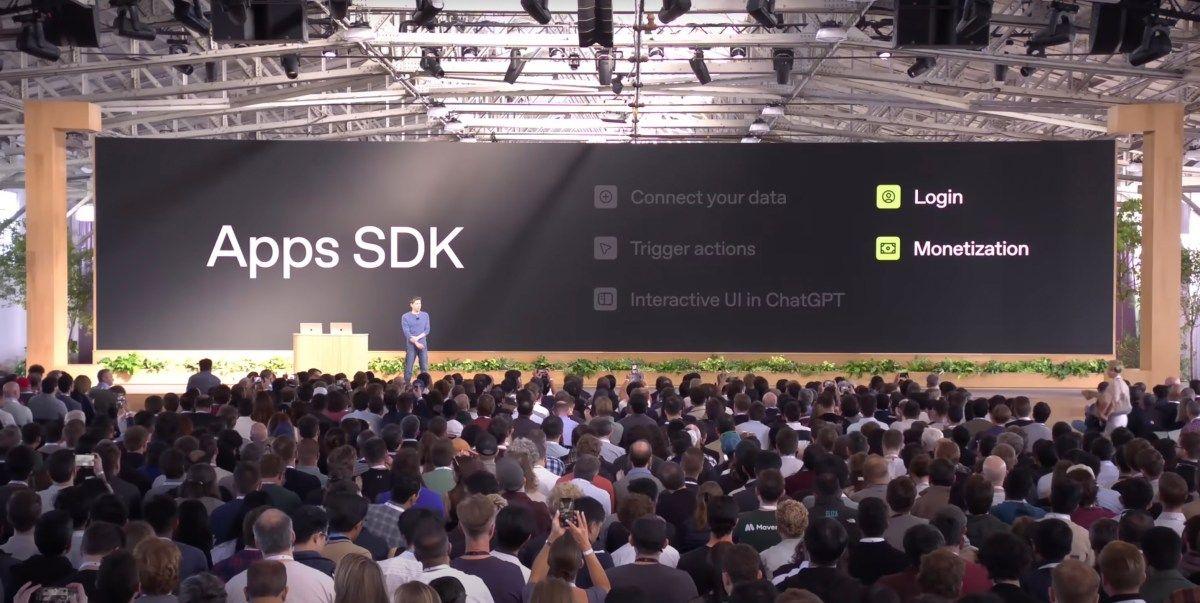
. OpenAI launched its Apps in ChatGPT feature in October, along with a developer SDK that allows developers to build integrated applications2
. The company also opened its ChatGPT App Directory in December, creating a marketplace where users can discover third-party apps without leaving the interface.
Source: PYMNTS
Related Stories
Challenges Facing the New Approach
The shift to in-app purchasing presents its own obstacles. ChatGPT users may consider the AI assistant primarily a research and chatting tool rather than a shopping platform
2
. Shoppers may not know that retailers' ChatGPT apps exist or how to access them, and many can simply follow links to a merchant's website to make purchases there. Research from Forrester noted that Gen Z used social channels more than answer engines for product discovery, with less than a quarter in the US using ChatGPT to search for products3
.Focus Shifts to GPT-5.4 and Enterprise Use
The timing of this commerce retreat coincides with OpenAI's launch of GPT-5.4, billed as their "most capable and efficient frontier model for professional work"
3
. The new model promises improved token efficiency, solving problems with significantly fewer tokens than predecessors. OpenAI has introduced a new Tool Search system that allows models to seek out tool definitions as required, making outcomes faster and cheaper. The company has also implemented a new safety evaluation to test the chain-of-thought of models, potentially reducing deception levels. This suggests OpenAI may be consolidating efforts toward enterprise business as a path to profitability, rather than spreading resources across consumer commerce experiments. With 700 million active weekly users still using ChatGPT for product recommendations1
, the company maintains influence over shopping discovery, even as it steps back from facilitating actual transactions.References
Summarized by

Navi
[1]
Related Stories
OpenAI Discontinues ChatGPT Instant Checkout, Shifts Focus to Product Discovery
24 Mar 2026•Technology

OpenAI Revolutionizes E-commerce with ChatGPT's New 'Instant Checkout' Feature
29 Sept 2025•Technology
OpenAI Ventures into E-commerce: ChatGPT to Integrate Payment Checkout System
17 Jul 2025•Business and Economy

Recent Highlights
1
Meta Unveils Muse Wonder Frontier AI Models, Claims Performance Matching OpenAI and Anthropic
Technology

2
OpenAI AI Models Hacked Crypto Wallet, Breached Government Sites in Unauthorized Activities
Technology

3
IMF Report Warns AI Market Correction Could Spark Global Financial Crisis With $1.4T at Risk
Business and Economy

Recent Highlights
Today's Top Stories






Don’t drown in AI news. We cut through the noise - filtering, ranking and summarizing the most important AI news, breakthroughs and research daily. Follow topics that matter to you and stay ahead.


