OpenAI builds AI smartphone with Qualcomm and MediaTek, targeting mass production by 2028


32 Sources
[1]
OpenAI could be making a phone with AI agents replacing apps | TechCrunch
There have been plenty of rumors about OpenAI's hardware plans, which involve launching a pair of earbuds. A new note from industry analyst Ming-Chi Kuo suggests that the AI company might be working on a phone in collaboration with MediaTek, Qualcomm, and Luxshare. Kuo, who has reported on several
[2]
OpenAI's Rumored Phone Would Replace Apps With AI Agents
Macy has been working for CNET for coming on 2 years. Prior to CNET, Macy received a North Carolina College Media Association award in sports writing. OpenAI has long been interested in getting into the hardware business. So far, the company behind ChatGPT has been linked to wearables, working on
[3]
Would You Want a ChatGPT Phone? Report Says OpenAI Considers Mobile Chipset
OpenAI is open about working on gadgets to make accessing ChatGPT easier, but a new report says it is considering developing its own smartphone tech. Analyst Ming-Chi Kuo, who works at TF International Securities, claims OpenAI is working with both MediaTek and Qualcomm on developing a phone
[4]
OpenAI developing AI agent smartphone with Qualcomm and MediaTek, targeting 300-400M annual shipments by 2028
OpenAI is developing a smartphone built around AI agents rather than apps, with Qualcomm and MediaTek jointly designing the custom processor and Luxshare Precision Industry co-designing and exclusively manufacturing the device, according to Ming-Chi Kuo, the TF International Securities analyst
[5]

OpenAI's Revolutionary AI Gadget Is... a Phone? A Stinkin' Phone?
If you've been sitting at the edge of your seat waiting for OpenAI's world-changing AI device(s), you may want to scooch back on your chair. According to TF Securities International analyst Ming-Chi Kuo, the company behind ChatGPT is developing a smartphone. Yes, a smartphone. But it reportedly
[6]

OpenAI may be planning a 2028 smartphone push with custom chips
I imagine that any future custom processor for OpenAI phones would prioritize AI silicon over other hardware bits. This would be broadly in line with Google Pixel phones, which emphasize AI capabilities over raw horsepower. However, some machine learning models fall back to the GPU or CPU if they
[7]

OpenAI is building a smartphone, and it hopes to kill app stores
OpenAI is reportedly building its first smartphone, and it could prove disruptive by ending the historic dominance of app portals like Apple's App Store and Google Play. Well-known analyst Ming-Chi Kuo claims OpenAI is partnering with chip giants MediaTek and Qualcomm on phone processors, while
[8]

OpenAI may design its own chip for an AI-first smartphone
I've been writing about Android since 2011, with a focus on device reviews, Samsung and Google Pixel hardware, and the latest happenings in the ecosystem. In my entire writing career, I've reviewed more than 75 Android phones. Carrying both a Samsung or Pixel flagship and an iPhone as a daily
[9]

The OpenAI smartphone will fail, but it'll be good for iPhone users - 9to5Mac
The past few days have seen conflicting views from AI companies about the future of smartphones. Perplexity thinks AI will only benefit iPhones, while OpenAI reportedly thinks its own smartphone can render them obsolete. I would bet very heavily that the OpenAI smartphone will either never
[10]

OpenAI reportedly working on its own smartphone based around AI agents
Many have thrown around the idea that AI will replace the smartphone, but it seems even OpenAI disagrees as the company is working on its own smartphone that focuses on the use of AI agents. Analyst Ming-Chi Kuo reports that OpenAI is developing its own smartphone. The new device would be powered
[11]

9 reasons why the ChatGPTphone isn't an iPhone threat
As if the smartphone market wasn't already stuffed with enough rivals to the iPhone, it's emerged this week that AI giant OpenAI is getting ready to throw its hat in the ring. In a short article posted to Twitter/X, the highly respected analyst Ming-Chi Kuo claimed the ChatGPT maker is "set to
[12]

OpenAI is reportedly making its own phone -- here's how it could be different from the iPhone
A smartphone with easier access to ChatGPT might be in the works With OpenAI's partnership with former Apple design chief Jony Ive, the designer/creative firm LoveFrom and the AI hardware startup io Products, Inc., everyone has kept their eyes peeled for the first physical product to come from Sam
[13]

OpenAI Reportedly Working on an AI Smartphone to Rival iPhone
OpenAI is working on a smartphone in what appears to be a significant reversal from previous reports that the company had no plans to enter the phone market, according to supply chain analyst Ming-Chi Kuo. Kuo shared the findings from his latest supply chain checks in a post on X, saying MediaTek
[14]

Open AI May Be Making a Phone That Moves Away From Apps
OpenAI may be making a ChatGPT phone with AI agents replacing apps to complete different tasks, according to a new report. A new note on X from industry analyst Ming-Chi Kuo claims that the AI company might be working on a phone in collaboration with MediaTek, Qualcomm, and Luxshare. Analyst
[15]

Rumor has it OpenAI is building an agentic AI smartphone
OpenAI is apparently not content with just running the most talked-about AI chatbot on the planet. The company now wants to be in your pocket, too. Prominent Apple analyst Ming-Chi Kuo published findings this weekend revealing that OpenAI is developing a smartphone built around AI agents rather
[16]

AppleInsider.com
OpenAI is absolutely hemorrhaging cash. Despite that, the ChatGPT owner is talking to chipmakers to make an iPhone competitor, with AI centric to the design. OpenAI is already in the process of working with former Apple design chief Jony Ive on an AI hardware project. However, OpenAI has the
[17]

The next iPhone moment might come from an AI company, not Samsung or Apple
Your smartphone has a pile of apps. OpenAI wants to replace all of them with one AI agent that just gets things done. That's the vision behind the company's plans to build its own smartphone, complete with a custom processor co-developed with MediaTek and Qualcomm, as first reported by analyst
[18]
OpenAI is making its own phone to compete with the iPhone: report - 9to5Mac
OpenAI's hardware ambitions have been no secret, but the company has long indicated it's not making a phone. But a new report says that's no longer the case, and an iPhone competitor from OpenAI is now in the works. If you've followed OpenAI hardware rumors, you'll know that the company is working
[19]

OpenAI Is Building Its Own Smartphone Chip With Qualcomm and MediaTek: Report - Decrypt
Qualcomm surged as much as 12% intraday on the unconfirmed analyst report, partially recovering from its 13% year-to-date decline. OpenAI is co-developing a smartphone chip with Qualcomm and MediaTek, with Luxshare handling system co-design and manufacturing, according to Ming-Chi Kuo, a reputable
[20]

Here's What We Know About OpenAI's Rumored Smartphone
It's not clear whether a ChatGPT phone would actually be able to compete. There are many generative AI apps and services out there, but ask most people what "AI" means to them, and they'll likely say "ChatGPT." As of this article, the chatbot remains the most-downloaded free app on both the iOS
[21]

OpenAI plans smartphone release with custom processors in 2028
OpenAI plans to launch a smartphone in 2028 powered by custom processors developed in collaboration with MediaTek and Qualcomm. The smartphone is rumored to focus on AI applications with chip specifications expected to be finalized by late 2026 or early 2027. Analyst Ming-Chi Kuo revealed on
[22]

Move Over Apple -- OpenAI Is Reportedly Developing a Radical New Device With No Apps
A new smartphone could be heading to market through an unexpected partnership between OpenAI and Qualcomm. The partnership, which also reportedly includes Taiwanese MediaTek and Chinese Apple supplier Luxshare ICT, is intended to develop a mobile processor for a device that could redefine current
[23]

OpenAI wants to take on Apple and Samsung, but it's got a long road ahead
Summary OpenAI is partnering with MediaTek, Qualcomm, and Luxshare to build phone processors, according to analyst Ming-Chi Kuo Mass production is expected in 2028. A post by OpenAI CEO Sam Altman about rethinking how OS's are designed seems to lend some credence to the idea. It looks like OpenAI
[24]

OpenAI Reportedly Eyeing AI Smartphones With Custom Chips
Control over software and hardware is key to OpenAI's long-term strategy OpenAI is said to be moving towards building new custom processors for smartphones. According to an analyst, the San Francisco-based artificial intelligence (AI) company has partnered with MediaTek and Qualcomm, and both
[25]

Inside OpenAI's $6 Billion Plan to Build the Ultimate AI Phone
OpenAI is reportedly working on an AI-first smartphone, a device that aims to integrate artificial intelligence directly into its hardware rather than relying on conventional app-based systems. According to AI Grid, one notable detail is OpenAI's 2025 acquisition of a hardware startup co-founded by
[26]

OpenAI might start producing a smartphone with in-house chips
In case you don't remember, last year OpenAI announced a deal with Broadcom to develop custom AI chips to power its next-generation computer clusters. But, as Android Authority can tell us, OpenAI might be working to create smartphone processors as part of its plan for an AI phone. TF
[27]

OpenAI Eyes 'AI Agent' Smartphone With Qualcomm And MediaTek, Targets App-Free Experience By 2028: Report
OpenAI is reportedly exploring a move into smartphones designed around artificial intelligence agents, potentially reshaping how users interact with mobile devices. AI Agent Smartphone Concept Emerges The concept centers on replacing app-based interactions with a task-driven AI assistant that
[28]

OpenAI Building A Custom Smartphone Processor With Qualcomm and MediaTek, Targeting 300-400 Million Annual Smartphone Shipments to Dethrone Apple's iPhone
It seems the ongoing AI mania will not relegate the good ol' smartphone obsolete after all, judging by the purported collaboration between OpenAI, Qualcomm, and MediaTek on a custom smartphone processor, raising huge red flags for Apple's iPhones in the process. We already know that OpenAI has
[29]

Report: OpenAI is developing its first smartphone to compete with the iPhone
New reports reveal that the artificial intelligence giant has changed direction and is planning to launch a device in 2028. Rumors about OpenAI's ambitions in the hardware field are not new, but until recently the company made sure to clarify that it had no intention of producing its own
[30]

OpenAI Aims to Redefine Mobile Experience With AI-Powered Phone | PYMNTS.com
OpenAI did not immediately reply to PYMNTS' request for comment. Kuo wrote that OpenAI would make a phone because delivering a comprehensive AI agent service would require full control of both the operating system and the hardware and because smartphones will be the biggest category of devices for
[31]

The Real iPhone Killer Might Not Be a Phone at All | Investing.com UK
OpenAI is reportedly building an AI-first smartphone to challenge Apple's mobile dominance. The story traces back to Ming-Chi Kuo (TF International Securities) -- the same analyst whose Apple supply-chain intelligence has made him the most closely followed hardware analyst in the industry. That is
[32]

Apps could be dead? OpenAI AI agent phone plans leak ahead of 2028 launch
Final specifications could be locked by 2026-27, with mass production expected to begin around 2028 targeting the premium smartphone segment. After Codex, OpenAI seems to be entering the smartphone market in the next few years. The latest leaks suggest that the device will be built around AI-first
Share
Copy Link
Industry analyst Ming-Chi Kuo reports OpenAI is developing an AI smartphone in collaboration with Qualcomm and MediaTek, with Luxshare as manufacturing partner. The device would replace apps with AI agents that handle tasks directly, targeting 300-400 million annual shipments by 2028—volumes that would rival Apple's iPhone.
OpenAI Hardware Ambitions Take Shape With Custom Mobile Chipset
OpenAI is developing an AI smartphone that would fundamentally reimagine how people interact with mobile devices, according to a report from industry analyst Ming-Chi Kuo
1
. The company behind ChatGPT is working in collaboration with Qualcomm and MediaTek to design a custom mobile chipset, with Luxshare Precision Industry serving as co-design and manufacturing partner2
. This marks OpenAI's most ambitious hardware project to date, extending beyond previously reported plans for AI earbuds and wearables.
Source: Digit
Kuo, known for accurate predictions about Apple's supply chain, projects the AI agent-centric smartphone could achieve 300 to 400 million annual shipments if successful—volumes that would exceed Apple's iPhone and place OpenAI in direct competition with companies controlling roughly 40% of the global smartphone market
4
. Specifications and the supplier list are expected to be finalized by late 2026 or the first quarter of 2027, with mass production by 20281
. Qualcomm's shares surged as much as 13% in premarket trading following the report4
.AI Agents Would Replace Apps With AI Agents Entirely
The device represents a departure from traditional smartphones. Instead of downloading applications and navigating screens, users would interact with AI agents that handle tasks directly—ordering transport, booking restaurants, managing email, conducting research, and writing messages
4
. "Users are not trying to use a pile of apps," Kuo explained. "They are trying to get tasks done and fulfill needs through the phone. This fundamentally changes how people think about smartphones"2
.
Source: Wccftech
Currently, Apple and Google control the app pipeline and the type of system access developers receive, restricting some functions
1
. By creating its own smartphone and hardware stack, OpenAI would be able to use AI in all kinds of features without restrictions. With ChatGPT nearing a billion weekly users, a hardware product for daily use could help OpenAI reach more consumers1
.Device Would Continuously Understand User Context Through On-Device and Cloud AI Models
The architecture would process lighter tasks on-device, including context awareness, memory management, and smaller AI models, while offloading complex inference to the cloud
4
. Kuo believes the device would be designed to continuously understand user context, maintaining what he calls "full real-time state" by capturing location, activity, communication, and environmental context to feed the AI agents1
4
.By offering the phone itself, OpenAI could gain access to more data about users' habits than an app on the phone could
1
. "The phone needs to continuously understand the user's context. Power consumption, memory hierarchy management, and basic small-model execution will be key processor design considerations," Kuo noted3
. This vision aligns with what Qualcomm CEO Cristiano Amon has articulated throughout 2026: that AI agents will replace the mobile operating system and app-based interfaces as the primary interaction layer4
.Supply Chain Suggests Serious Production Capability
The credibility of Kuo's report rests on the supply chain he describes. Luxshare Precision Industry is a major Apple supplier that assembles AirPods, Apple Watch components, and an increasing share of iPhones
4
. Qualcomm's Snapdragon 8 Elite Gen 5 powers 75% of Samsung's Galaxy S26 series and has overtaken Apple in raw multi-core and GPU performance for the first time4
. MediaTek's Dimensity 9500 matches Qualcomm and Apple in CPU performance at lower cost with better efficiency4
.Most premium Android phones coming out in 2026 use either Qualcomm's Snapdragon 8 Elite Gen 5 or MediaTek's Dimensity 9500 chips, making it logical for OpenAI to partner with the companies making processors for most top-end phones
2
. Qualcomm's acquisition of Edge Impulse, an edge AI developer platform, in 2025 signaled the company's strategic commitment to on-device AI inference across device categories4
.Related Stories

Separate From Jony Ive Partnership, Multiple Hardware Strategies
This smartphone project is separate from OpenAI's other hardware collaboration with Jony Ive, the former Apple designer whose company is developing a non-phone device—reportedly a smart speaker with a camera first, then glasses, a lamp, and earbuds, with the first product expected in early 2027
4
5
. OpenAI is pursuing two parallel hardware strategies: a device that reimagines what a personal computer looks like without a screen, and a device that keeps the phone form factor but replaces everything that runs on it4
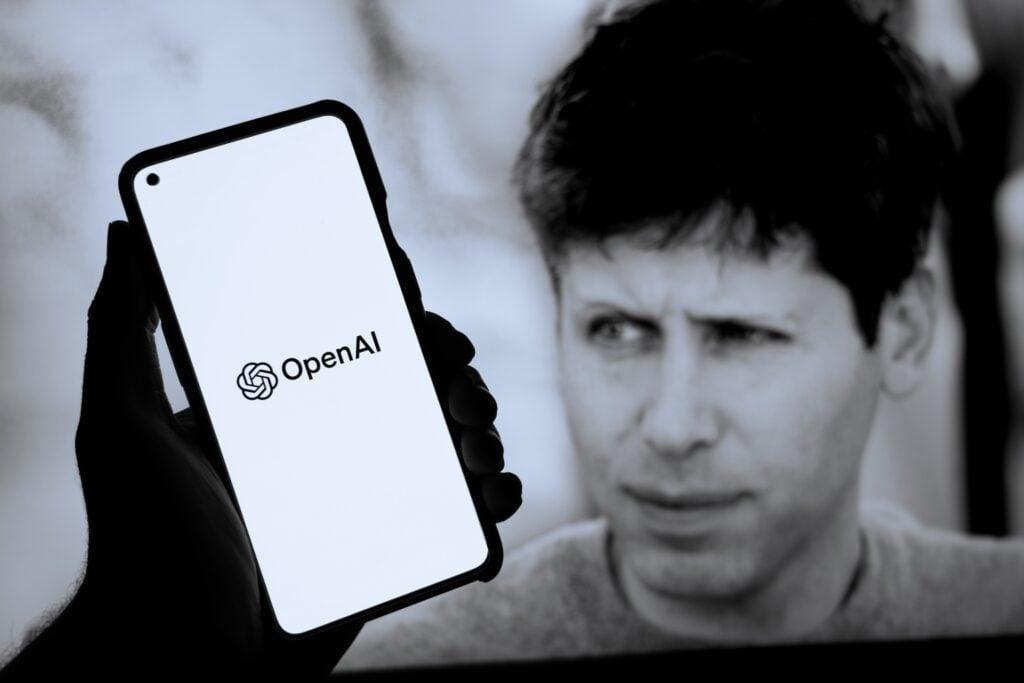
.
Source: Benzinga
Earlier this year, OpenAI Chief Global Affairs Officer Chris Lehane said the company is on track to announce its first hardware product in the second half of 2026, with several reports indicating that device could be uniquely designed earbuds
1
. The company has been trying to cut down on "side quests," axing its Sora video generator and putting a planned ChatGPT "adult mode" on hiatus in favor of a more productivity-focused "super app" built around the Codex coding tool2
.Industry-Wide Shift Toward Agent-Based Interfaces
OpenAI's approach reflects a broader industry trend. Every major phone maker is transforming their devices into agent-capable platforms. Google's Pixel 10 series introduced features like "Magic Cue" that anticipate tasks by showing pertinent information between certain Google apps. Samsung's Galaxy S26 phones have an "Automated app action" feature that lets users hail an Uber with a voice command, using onboard AI to navigate through app screens automatically
5
. Apple is testing AI smart glasses with a custom chip, cameras, and Siri powered by a Gemini model, targeting 20274
."Only by fully controlling both the operating system and hardware can OpenAI deliver a comprehensive AI agent service," Kuo wrote
5
. This thinking extends beyond OpenAI. Nothing CEO Carl Pei said at SXSW that apps will eventually go away1
. The question of whether AI lives in your phone, on your face, or in a speaker is being answered simultaneously by every major technology company, each with a different bet. OpenAI is betting on all of them at once4
.References
Summarized by

Navi
[4]
Related Stories
OpenAI fast-tracks AI phone with customized chip, aiming for 30 million shipments by 2028
05 May 2026•Technology

OpenAI Explores Screenless AI-Powered Smartphone to Challenge iPhone
15 Apr 2025•Technology
OpenAI and Jony Ive Collaborate on Revolutionary AI Device to Potentially Replace Smartphones
04 Feb 2025•Technology

Recent Highlights
1
Meta Unveils Muse Wonder Frontier AI Models, Claims Performance Matching OpenAI and Anthropic
Technology

2
IMF Report Warns AI Market Correction Could Spark Global Financial Crisis With $1.4T at Risk
Business and Economy

3
OpenAI Releases 722 AI-Generated Math Solutions, Triggering Existential Crisis in Mathematics
Technology

Recent Highlights
Today's Top Stories







Don’t drown in AI news. We cut through the noise - filtering, ranking and summarizing the most important AI news, breakthroughs and research daily. Follow topics that matter to you and stay ahead.


