14 Sources
14 Sources
[1]
Musk Wants OpenAI Nonprofit to Get Any Trial Winnings From Suit
Elon Musk said any damages he may win during his upcoming trial against OpenAI should be awarded to the artificial intelligence startup's nonprofit, rather than to himself. Musk said in a Tuesday court filing that the goal of his lawsuit is to "unwind OpenAI's for-profit conversation and restructuring" and return any funds used for that effort to OpenAI's charitable arm. He said he plans to seek a court order restoring the firm's status as a nonprofit research organization. "The remedies Musk intends to seek are strictly tied to his purpose in bringing this lawsuit: to prevent the subordination of a public charity -- one he co-founded and for which he was the primary supporter during its formative years -- to private, for-profit interests," he said in the filing. Starting later this month, Musk is set to face off against OpenAI and Microsoft Corp. in front of a jury over his claims that the startup abandoned its founding mission when it took billions of dollars in backing from the software stalwart and planned its restructuring. Previously, Musk indicated that he planned to seek as much as $134 billion in damages from OpenAI and Microsoft. Musk's filing was reported earlier by the Wall Street Journal. It comes a day after Jason Kwon, chief strategy officer at OpenAI, urged the attorneys general of California and Delaware to investigate Musk for potential "improper and anti-competitive behavior" in his efforts to block the firm's restructuring. Musk co-founded OpenAI with Sam Altman and others in 2015, but the former business partners have become bitter foes in recent years. Musk left OpenAI's board in 2018 and in 2023 co-founded the artificial intelligence company xAI, which has become one of OpenAI's main rivals. Last February, OpenAI rejected Musk's unsolicited bid to acquire the assets of the nonprofit that controls the company for $97.4 billion. Months later, the company completed its for-profit restructuring plan, paving the way for it raise more capital and potentially go public. Altman has denounced Musk's lawsuit challenging the OpenAI restructuring as a weaponization of the legal system to slow down a competitor. The case is Musk v. Altman, 4:24-cv-04722, US District Court, Northern District of California (Oakland).
[2]
Elon Musk hits legal losing streak ahead of showdown with OpenAI's Sam Altman
Elon Musk has suffered the worst streak of courtroom losses in a career punctuated by legal battles, showing the pitfalls of his aggressive litigation tactics and polarising public persona ahead of a showdown with Sam Altman and OpenAI later this month. Since January, Musk has faced setbacks in cases about OpenAI allegedly stealing secrets from his xAI start-up, advertisers' boycott of X and two suits about his 2022 takeover of the social media group, then called Twitter, including a fraud verdict that could cost him billions of dollars. The billionaire's legal team has responded by complaining about "bias" against the world's richest man. They have objected to a Delaware judge "liking" a LinkedIn post critical of Musk and challenged the Twitter verdict over what they called a "bizarre and highly questionable" joke involving the marijuana reference "4.20" in a jury document. As he prepares for the trial against OpenAI later this month in Oakland, California, in which Musk claims the AI start-up sold out its charitable purpose, the seemingly endless courtroom battles have exposed Musk to embarrassing questions and irked his own staff. Some lieutenants see them as a hindrance to improving performance at X and xAI and organising their merger with SpaceX ahead of its initial public offering, planning for June at a $17.5tn valuation. "For the most part, Elon is a pretty thoughtful, reactive CEO," said one lawyer who has worked with him. "He takes advice more than expected, especially on the technical nature of the law at critical junctures." "But he has a lot going on in his life, which is a distraction," they added. "This ego pissing match with Sam at OpenAI, for example." Musk has tried to leverage his massive, freewheeling social media presence to reinforce his case against OpenAI, deriding his opponent as "Scam Altman" and pledging to donate any damages in the case to charity. But the series of recent decisions highlights the pitfalls of Musk's online persona, with his frequent posts opening him to legal attacks and alienating swaths of public opinion. His lawyers in the Twitter fraud case argued that he could not receive a fair trial in San Francisco -- following his alliance with US President Donald Trump -- because "we have so many people in the [jury pool] who hate him". Musk wants to convince a jury in Oakland to block OpenAI's transition to a for-profit company and remove Altman, who he accuses of abandoning its original non-profit charter mission to enrich himself. Altman and Musk, who co-founded OpenAI together, have become increasingly bitter rivals since Musk walked out of the lab in 2018. The $852bn start-up failed to get the case dismissed. But the judge's early comments have been unsympathetic to Musk's claim for $134bn in damages, which she described as like "pulling these numbers out of the air". Marc Toberoff, Musk's attorney, said his client's public commitment to donate any damages to OpenAI's charitable arm made it "abundantly clear" that the case "has always been about OpenAI's abuse of the public's trust, not Elon Musk". Evidence introduced in the case could be salacious. The judge upheld a motion to exclude questions about whether Musk used ketamine at Burning Man in 2017, the desert festival in Nevada he attended during important negotiations with OpenAI executives. Lawyers for OpenAI repeatedly asked Musk in a deposition "Do you know what rhino ket is?", referring to a mixture of ketamine and amphetamines taken recreationally. Musk said no and that he did not recall taking it. William Frentzen, a lawyer for OpenAI, argued the information was relevant because "Burning Man was when a lot of these decisions were made . . . If you asked me if I was on ketamine at my jazz fest, I'd be able to say no." However, the judge denied a motion to exclude evidence related to Shivon Zilis, an "at times a romantic" partner of Musk and mother of at least four of his children. She was a board member at OpenAI until 2023 and is still an executive at Musk's brain-implant company, Neuralink. Musk has meanwhile accused Altman and OpenAI's president Greg Brockman of "conspiracy to commit fraud and steal the charity". He posted excerpts from Brockman's journal, uncovered in discovery, where he wrote "this is the only chance we have to get out from Elon . . . Financially, what will take me to $1bn?" "Greg's diaries haven't helped them," said a partner at a venture capital firm invested in both OpenAI and Musk's rocketmaker SpaceX. "But [OpenAI] have the least sympathetic counterparty in the world with Elon." Musk's unpopularity has become an increasing problem for his high-priced legal team, often led by Alex Spiro of Quinn Emanuel, which has gained attention for its aggressive tactics. The billionaire faced a backlash since donating more than $250mn to Trump's 2024 campaign and leading government cost-cutting at the so-called Department of Government Efficiency, which has hurt Tesla's sales. Musk's abrasive style and championing of rightwing views have made him a divisive character for jurors, while his unbridled use of social media has cost him. The Twitter fraud verdict in March centred on tweets in which Musk threatened to walk away from the $44bn takeover to gain leverage in negotiations, even though he knew he could not back out. "It may not have been my wisest tweet," Musk said during his testimony in the case. A judge in March allowed a separate investor lawsuit about Musk's tweets ahead of the Twitter buyout to proceed. Spiro has urged the judge to review the outcome, accusing the jury of bias and of mocking Musk to "send a message" on their verdict form. In a computation of how much his tweets depressed the Twitter share price when he threatened to walk away, the jury wrote the number $4.20 in blue ink compared with black for the rest of the list. Musk himself posted a picture on X of the judge presiding over the case wearing a red bow tie, writing: "Probability of me getting a fair trial if this is how the judge dresses is 0.0%." Until recently, Musk's legal record had been formidable. His lawyers fended off an earlier Twitter shareholder lawsuit about whether he had really "secured" funding to buy the social media company when he announced the bid in a tweet, at $420 a share -- a reference to April 20, a day celebrated by marijuana smokers. Musk also won cases ranging from objections to the 2016 merger between Tesla and struggling SolarCity, which was run by Musk's cousin, to a defamation case brought by a British cave diver in 2018 after the billionaire called him "pedo guy" during efforts to rescue trapped children. And he successfully fought to have his $56bn Tesla pay deal reinstated after it was voided by a Delaware judge, who ruled the company's board was too close to Musk. Musk recently sought revenge against the judge, Chancellor Kathaleen McCormick. Quinn Emanuel successfully argued she should remove herself from current cases involving Musk and Tesla after she "supported" a LinkedIn post celebrating the San Francisco fraud verdict. McCormick has said she did not know how her account liked the post. The post read: "Sorry, Elon. Sorry, Quinn Emanuel. Thanks $2 billion for your help in this trial. It was a pleasure working against you." Having moved Tesla's incorporation to Texas, he still faces a Delaware suit in which shareholders claim Musk put his personal ambition to buy Twitter above the interests of investors in the carmaker. Some experts say shareholder lawsuits are serving to impose accountability on Musk when Trump-appointed regulators have softened their enforcement. However, Musk's $630bn fortune means he can easily swallow these judgments. "Damages are not just supposed to be compensation, they are meant to be prohibitions," said Ann Lipton, a law professor at the University of Colorado. "Musk can pay the money without even noticing, which gives him permission to violate the law that most of us don't have."
[3]
OpenAI says Elon Musk is orchestrating a last-minute 'legal ambush' before trial
The feud between Elon Musk and OpenAI is getting even more contentious as the two sides get ready for trial later this month. The latest development in the legal back-and-forth saw OpenAI accuse Elon Musk and his latest proposals as a "legal ambush," as first reported by Bloomberg. OpenAI filed its response on Friday, which detailed that Musk was "sandbagging the defendants and injecting chaos into the proceedings, while trying to recast his public narrative about his lawsuit." The lawsuit dates back to 2024 when Elon Musk sued both OpenAI and Microsoft, accusing the AI giant of ditching its original mission of being a non-profit and instead converting into a for-profit business after receiving financial backing and forming a partnership with Microsoft. Prior to OpenAI's latest filing, Musk amended his original complaint to instead award any damages received to OpenAI's nonprofit arm instead. Musk's amendment, which was filed earlier this month, also sought to oust Altman from his role as OpenAI's CEO and board member. In OpenAI's Friday filing, the AI company claimed that Musk's last-minute changes were "legally improper and factually unsupported." There's a lot at stake with this lawsuit since Musk is reportedly seeking anywhere between $79 billion and $134 billion in "wrongful gains." With both OpenAI and Microsoft denying any wrongdoing, according to Bloomberg, the trial is still set to kick off on April 27.
[4]
Elon Musk seeks ouster of OpenAI CEO Sam Altman as part of lawsuit
Elon Musk looks on as President Donald Trump speaks at the U.S.-Saudi Investment Forum at the John F. Kennedy Center for the Performing Arts in Washington, Nov. 19, 2025. Elon Musk is seeking to have OpenAI CEO Sam Altman and President Greg Brockman removed from their roles as officers in the company as part of a case that's expected to go to trial later this month. In a legal filing on Tuesday, Musk's lawyers laid out specific remedies their client is seeking if a judge and jury determine that Altman and OpenAI defrauded Musk, the world's richest person. Musk sued Altman and OpenAI in 2024, claiming the artificial intelligence company that he helped start almost a decade earlier "assiduously manipulated" and "deceived" him into donating $38 million, based on promises that the entity would remain a nonprofit. The two sides have since been embroiled in a public war of words, in addition to their legal battle and budding business rivalry. "Plaintiff will seek an order removing Altman as a director from the OpenAI nonprofit board and removing both Altman and Brockman as officers of the OpenAI for-profit," Musk's lawyers said in Tuesday's filing. "Removal of a charity's officers and directors is a common remedy where those individuals fail to protect or carry out the charity's public mission." Musk is also asking the court to make OpenAI revert to operating as an actual nonprofit, according to the filing. The company completed a restructuring in October, and is now run as a nonprofit with a 26% stake in the for-profit arm, which includes ChatGPT. Jury selection for the case is slated to begin on April 27, in a federal court in Oakland, California. OpenAI didn't immediately respond to a request for comment. Musk, Altman and others co-founded OpenAI as a nonprofit AI lab in 2015. Musk left OpenAI in 2018, after trying to convince executives there to merge it with Tesla, his electric vehicle company. In 2023, Musk launched a competing company called xAI, which developed the AI image generator and chatbot Grok. In February, Musk's SpaceX acquired xAI, which also owns X (formerly Twitter) in a deal that valued the combined entity at $1.25 trillion. SpaceX recently filed confidential paperwork with the SEC for what will likely be a record IPO. On Monday, OpenAI sent a letter to the California and Delaware attorneys general, urging them to investigate "improper and anti-competitive behavior" by Musk and his associates ahead of the trial. In the letter, OpenAI strategy chief Jason Kwon alleged that Musk has been working to undermine OpenAI through various "attacks" on the company, including by "coordinating his efforts" with Meta CEO Mark Zuckerberg. Musk's attorneys previously said, in a January filing, that their client should receive up to $134 billion in damages from OpenAI and lead investor Microsoft, calling them "wrongful gains" that the companies had received as a result of his early work with and financial support of OpenAI. In Tuesday's filing, Musk's lawyers said their client is seeking "to return all ill-gotten gains, including Microsoft's, to the OpenAI charity."
[5]
OpenAI Calls for Investigation Into Musk by California, Delaware
OpenAI urged the attorneys general of California and Delaware to investigate potential "improper and anti-competitive behavior" by Elon Musk in his efforts to block OpenAI from restructuring as a for-profit company. Jason Kwon, chief strategy officer at OpenAI, said in a Monday letter to both state officials that Musk "has repeatedly attempted - and failed - to wrest control of the nonprofit for his personal gain" in a bid to take control over the future of artificial intelligence. The letter comes weeks before Musk is set to face off in a trial against OpenAI and Microsoft Corp. over the billionaire's allegations that the startup betrayed its founding mission as a public charity by taking billions of dollars in backing from the software giant and making plans to convert to a for-profit business. Musk is seeking as much as $134 billion in damages from OpenAI and Microsoft. Kwon mentions the looming trial in his letter, saying that the case could undermine agreements that both states reached with OpenAI when it finalized its restructuring plan in October. "Mr. Musk's lawsuit is not just against OpenAI; it is about whether there is room in the industry for a company subject to the mission and structure outlined in the October agreements, or whether that ground must be ceded to Mr. Musk and his co-conspirators," Kwon said. OpenAI, the maker of ChatGPT, said when it announced its restructuring that it had given a 27% ownership stake to Microsoft in a transition that will keep the startup's nonprofit arm in control of its for-profit operations. California Attorney General Rob Bonta and Delaware Attorney General Kathy Jennings conducted reviews and ultimately decided not to object to the for-profit shift after OpenAI made certain commitments to both leaders about how the company's governance structure would function. A spokesperson for Bonta said his office is reviewing the letter. A representative for Jennings and a lawyer for Musk didn't immediately respond to requests for comment. The letter was reported earlier by CNBC. Musk co-founded OpenAI with Sam Altman and others in 2015, but the former business partners have become bitter foes in recent years. Musk left OpenAI's board in 2018 and in 2023 co-founded the artificial intelligence company xAI, which has become one of OpenAI's main rivals. Last year, OpenAI rejected Musk's unsolicited bid to acquire the assets of the nonprofit that controls the company for $97.4 billion.
[6]
Musk Changes OpenAI Lawsuit So that If He Wins the $134 Billion, OpenAI’s Nonprofit Gets It
Elon Musk is seeking a jaw-dropping $134 billion and more in damages from OpenAI and its investor Microsoft for allegedly defrauding him by shifting OpenAI's corporate structure from a non-profit to a for-profit. But, via an amendment on Tuesday, Musk asked for the damages to be awarded to OpenAI's non-profit arm instead. Per the amendment, Musk also wants both OpenAI CEO Sam Altman and President Greg Brockman to be ousted and for the two executives to hand over "all equity and other personal financial benefits they obtained as a result of OpenAI's for-profit operations" to the OpenAI charity. Musk was a co-founder and major early investor in OpenAI when the AI giant began as a nonprofit AI lab in 2015. Musk and OpenAI eventually fell out, an event which saw Musk leave the company and later create OpenAI competitor xAI in 2023. Via xAI, Musk made an unsolicited bid to acquire OpenAI for $97.4 billion in February 2025. After Musk left, OpenAI changed its corporate structure, first from a non-profit to a "capped" for-profit in 2019, and ultimately into a for-profit public benefit corporation late last year. The company is now reportedly seeking an IPO as early as the fourth quarter of this year, just a few months after Musk's newly-merged xAI and SpaceX aims to make its market debut. Musk is now claiming that he was manipulated into thinking he gave money to launch a non-profit when the plan all along was to go for-profit. "Defendants pocketed the benefits of that charitable status â€" tax exemptions, donor contributions, and the reputational credibility of a public-benefit mission â€" while secretly planning, and ultimately executing, a wholesale conversion of OpenAI into a for-profit enterprise that, along with profligate self-dealing, was designed to generate extraordinary personal wealth for Altman, Brockman, Microsoft, and other investors," the lawsuit claims. He is now asking the court to "unwind" the for-profit conversion and restructuring, and return the funds to the non-profit. OpenAI denies the allegations. "The remedies Musk intends to seek are strictly tied to his purpose in bringing this lawsuit: to prevent the subordination of a public charity â€" one he co-founded and for which he was the primary supporter during its formative years â€" to private, for-profit interests," the amendment says. But, according to the findings of a New Yorker investigation published on Monday, Musk was involved in discussions about reconstituting OpenAI as a for-profit company as early as September 2017, and he had demanded majority control of any for-profit structure. The case, which has been a tedious legal dispute between the parties, will go to trial later this month. Both parties are upping the ante in the run-up to the showdown in court. On Monday, OpenAI sent a letter to the attorneys general of Delaware and California asking them to investigate Musk and fellow competitor Meta for "improper and anti-competitive behavior."
[7]
OpenAI asks California, Delaware to investigate Musk's 'anti-competitive behavior' ahead of April trial
OpenAI on Monday sent a letter to the California and Delaware attorneys general, urging them to investigate "improper and anti-competitive behavior" by Elon Musk and his associates, as a high-profile trial nears between the two sides. In the letter, OpenAI strategy chief Jason Kwon alleged that Musk has been working to undermine OpenAI through various "attacks" on the company, including by "coordinating his efforts" with Meta CEO Mark Zuckerberg. Musk and OpenAI CEO Sam Altman co-founded the artificial intelligence lab in 2015 as a nonprofit, alongside several other researchers and executives. Musk left OpenAI in 2018, after trying to convince executives to merge it with Tesla. He later launched a competing company, xAI, and sued OpenAI in 2024, alleging that he was "assiduously manipulated" and "deceived" after the AI company explored converting to a for-profit entity. Jury selection for the trial is slated to begin on April 27, in the Northern District of California. Kwon said in the letter that Musk's behavior could inhibit OpenAI's efforts to bring about artificial general intelligence, or AGI, a broad term for an AI system that rivals or exceeds human intelligence. "These attacks are designed to take control of the future of AGI out of the hands of those who are legally obligated to pursue the mission of ensuring that AGI benefits all of humanity, and put it into the hands of competitors who lack mission-driven principles and spurn any responsibility for safety," Kwon wrote. OpenAI has previously expressed some related concerns about Musk's antics. In January, the company sent a letter to investors and banking partners warning that it expects Musk to make "deliberately outlandish, attention-grabbing claims" as his lawsuit against the AI lab heads to trial. OpenAI said in that letter that Musk will likely make comments about the AI company that are not "grounded in reality" and are "typical of the harassment tactics he's previously deployed."
[8]
In Letter, OpenAI Reportedly Says Elon Musk and Meta Are Coordinating 'Attacks' Against It
A recent New Yorker story is full of nasty allegations about OpenAI CEO Sam Altmanâ€"especially his supposed lying and “sociopath†behavior. But a new letter from OpenAI asks the states of California and Delaware to focus on something else entirely in the New Yorker story: alleged wrongdoing by Elon Musk. Another major OpenAI competitor, Meta, is also mentioned in the letter, which was reported by CNBC. Chris Lehane, OpenAI’s chief of global affairs claimed to CNBC that Musk and Meta CEO Mark Zuckerberg are “turning to conduct and approaches that we do think are really highly questionable and sharply worthy of investigation.†The letter was also reviewed by the Sacramento Bee, which notes that it accuses Musk and Zuckerberg of, in the Bee’s telling, “colluding as Musk sought to dig up incriminating information on Altman.†With the letter, OpenAI is apparently asking the attorneys general of California and Delaware to investigate Muskâ€"who on top of everything else is a rival AI executiveâ€"along with Meta, for “improper and anti-competitive behavior,†more specifically coordinated “attacks.†Said attacks could allegedly inhibit OpenAI’s ability to bring about artificial general intelligence (AGI). Musk, to refresh your memory, is suing OpenAI for $134 billion at last count. From the beginning, OpenAI has characterized the suit as part of a long smear campaign. In January of this year one statement called Musk’s suit “baseless and a part of his ongoing pattern of harassment.†The suit is progressing to a trial in the Northern District of California. On April 27, CNBC says jury selection will begin. CNBC notes that the letter to Delaware and California “referenced a recent report from The New Yorker†about Musk an his “intermediaries.†One relevant passage from the New Yorker story reads as follows: "Intermediaries directly connected to, and in at least one case compensated by, Musk have circulated dozens of pages of detailed opposition research about Altman. They reflect extensive surveillance, documenting shell companies associated with him, the personal contact information of close associates, and even interviews about a purported sex worker, conducted at gay bars. One of the Musk intermediaries claimed that Altman’s flights and the parties he attended were being tracked." “These attacks†Kwon writes in the letter, “are designed to take control of the future of AGI out of the hands of those who are legally obligated to pursue the mission of ensuring that AGI benefits all of humanity, and put it into the hands of competitors who lack mission-driven principles and spurn any responsibility for safety.†In a report late last month from Engadget, it emerged that last year, Zuckerberg texted Musk offering to help with his efforts to cut the federal budget with DOGE. Musk responded to with a heart emoji reaction, but then asked Zuckerberg is he was “open to the idea of bidding on the OpenAI IP with me and some others.†Zuckerberg then suggested the conversation be transferred to a phone call. Gizmodo reached out to xAI and Meta for comment about this letter. We will update this article if we hear back.
[9]
OpenAI presses for investigation of Musk 'anti-competitive behavior' ahead of trial
OpenAI is urging the attorneys general of California and Delaware to investigate Elon Musk's "improper and anti-competitive behavior" targeting the AI firm's corporate restructuring, as the Tesla CEO's case against the company is set to head to trial this month. In a letter to California Attorney General Rob Bonta (D) and Delaware Attorney General Kathy Jennings (D) on Monday, the ChatGPT maker called for a probe into Musk's efforts to "undermine" the restructuring that the company negotiated with the pair last year. "We are writing to advise your offices of the ongoing and persistent efforts by Elon Musk to undermine the agreements we reached as part of the recapitalization to ensure that OpenAI continues to advance its mission," Jason Kwon, OpenAI's chief strategy officer, wrote. OpenAI, which was founded as a nonprofit in 2015 and later added a for-profit arm in 2019, altered its structure in October to convert the for-profit entity into a public benefit corporation that remained under control of the nonprofit. It initially sought to shift to a fully for-profit structure and remove the nonprofit's control but walked back the plan last May, citing discussions with Bonta's and Jennings's offices. As reports circulated about the restructuring push in 2024, Musk filed a lawsuit against OpenAI, its CEO Sam Altman and co-founder Greg Brockman, alleging they manipulated the billionaire into co-founding and financially backing the venture before abandoning its original non-profit mission. Musk founded his own AI firm, xAI, in 2023. In early 2025, Musk also launched a $97.4 billion bid to buy OpenAI's nonprofit, which he promised to withdraw if the company halted its conversion plans. OpenAI rejected the offer. "We bring this to your attention because these attacks on OpenAI are premised on the unique structure, mission and history that were implemented through your October Agreements, and will undermine the very successes that your offices achieved," Kwon said in Monday's letter. "These attacks are designed to take control of the future of [artificial general intelligence] out of the hands of those who are legally obligated to pursue the mission of ensuring that AGI benefits all of humanity, and put it into the hands of competitors who lack mission-driven principles and spurn any responsibility for safety," he added. While U.S. District Judge Yvonne Gonzalez Rogers rejected Musk's efforts to block the restructuring, she has allowed the case against OpenAI to proceed to a trial. It is set to get underway with jury selection on April 27. Kwon argued that the case, which seeks $100 billion in damages from OpenAI's nonprofit, would "cripple the nonprofit" while "enriching [Musk] with funds that are intended to serve the public." He also warned that Musk will use the trial to attack OpenAI's discussions with Bonta and Jennings on its restructuring.
[10]
Elon Musk Seeks Ouster Of OpenAI CEO Sam Altman, President Greg Brockman -- ChatGPT Parent Calls It 'Nothi
In a legal filing on Tuesday, Elon Musk asked a court to strip OpenAI CEO Sam Altman and president Greg Brockman of their leadership roles. Musk Pushes To Remove OpenAI Leadership Musk's attorneys detailed the specific remedies he would pursue if a judge or jury finds that Altman and OpenAI defrauded the world's richest person. "Plaintiff will seek an order removing Altman as a director from the OpenAI nonprofit board and removing both Altman and Brockman as officers of the OpenAI for-profit," the filing read. Dispute Centers On OpenAI's Shift To For-Profit Model The lawsuit stems from Musk's claim that OpenAI abandoned its original nonprofit mission. Musk alleges he contributed about $38 million based on assurances the organization would prioritize public benefit over profit. Earlier filings indicated Musk could seek damages of up to $134 billion. OpenAI Fires Back, Calls Lawsuit A 'Harassment Campaign' In a post on X, OpenAI rejected the claims, accusing Musk of acting out of self-interest amid a growing rivalry in artificial intelligence. "The truth is that this case has always been about Elon generating more power and more money for what he wants," the company said. It added that the lawsuit is "nothing more than a harassment campaign that's driven by ego, jealousy and a desire to slow down a competitor." Trial Set As AI Rivalry Intensifies Musk co-founded OpenAI in 2015 but left in 2018. He now leads competing AI venture xAI, heightening tensions between the two sides. In February 2026, Musk's SpaceX struck a deal to acquire xAI -- the company that also controls X -- valuing the combined business at roughly $1.25 trillion. SpaceX has since confidentially filed with the SEC, signaling what could become a record-breaking IPO. OpenAI also wrote to the attorneys general of California and Delaware earlier this week, calling for a probe into what it described as "improper and anti-competitive behavior" by Musk and his allies ahead of the trial. Jury selection in the case is scheduled to begin April 27 in federal court in Oakland. Disclaimer: This content was partially produced with the help of AI tools and was reviewed and published by Benzinga editors. Photo Courtesy: gguy on Shutterstock.com Market News and Data brought to you by Benzinga APIs To add Benzinga News as your preferred source on Google, click here.
[11]
Elon Musk's $100 Billion Lawsuit Could Cripple OpenAI's Nonprofit Mission, ChatGPT Parent Asks California
On Monday, OpenAI asked California Attorney General Rob Bonta and Delaware Attorney General Kathy Jennings to investigate Elon Musk and his associates, alleging "improper and anti-competitive behavior." OpenAI Seeks Regulatory Scrutiny Of Musk In a letter sent to the attorney generals, OpenAI warned that Musk's lawsuit -- seeking more than $100 billion in damages -- could cripple its nonprofit foundation, Reuters reported. Musk, who co-founded ChatGPT-parent in 2015 and departed in 2018, sued OpenAI and its CEO, Sam Altman, in 2024. He claimed that the organization abandoned its original mission of developing artificial intelligence for the benefit of humanity as it transitions toward a for-profit structure. Musk now leads rival AI firm xAI, which competes directly with OpenAI with a platform Grok. Claims Of Competitive Motives OpenAI's chief strategy officer, Jason Kwon, argued in the letter that Musk's legal actions may be driven by competitive interests rather than principle. Musk's filings suggest that "your offices did not thoroughly investigate OpenAI's plan," Kwon wrote, adding that regulators may have "relied on promises about what OpenAI will do in the future." OpenAI did not immediately respond to Benzinga's request for comments. At the time, Meta spokesperson Andy Stone highlighted a portion of OpenAI's filing stating that neither Meta nor Zuckerberg signed Musk's letter of intent. Meta in 2024 contended that OpenAI should not repurpose assets created under its nonprofit structure for private profit. Trial Set To Begin In April A judge in Oakland, California, ruled in January that the case will proceed to a jury trial expected to begin this month. Disclaimer: This content was partially produced with the help of AI tools and was reviewed and published by Benzinga editors. Photo Courtesy: gguy on Shutterstock.com Market News and Data brought to you by Benzinga APIs To add Benzinga News as your preferred source on Google, click here.
[12]
Elon Musk vs Sam Altman: What the OpenAI lawsuit means for future of AI
Anthropic, xAI may face indirect fallout from reportedly precedent-setting case Elon Musk's feud with Sam Altman isn't new. It's been ongoing for a few years now, both on Musk and Altman's respective X timelines as well as offline. But what's going on trial on April 27 in a US courtroom isn't just Elon Musk's personal grudge against Sam Altman, as this case can have a far-reaching impact on the future of AI regulation. Especially for every AI company that began with a non-profit AI mission. As jury selection is scheduled to begin on April 27 in a US federal court in Oakland, California, it must be said that Elon Musk's latest legal push is anything but subtle. Make no mistake, this is no billionaire slugfest. Elon Musk's public position is very clear, he is not only seeking the removal of Sam Altman from OpenAI's non-profit board, he wants Altman and Greg Brockman fired from OpenAI as CEO and President, respectively. Not just that, Musk also wants any damages incurred - not routed to himself but to OpenAI's original non-profit arm. Also read: Elon Musk seeks Sam Altman's removal, OpenAI calls lawsuit a harassment campaign That alone tells you everything you need to know about this upcoming case. Elon Musk is on record saying whatever damages are recovered will be sent to OpenAI's non-profit arm. The Tesla and SpaceX co-founder is trying to do something bigger here than what appears to be two bickering billionaires going to court. Elon Musk is trying to test, in court, whether an AI lab can accept millions of dollars under a humanity-first non-profit agenda when it's starting out, then later reorganise itself into a commercial business without violating its founding promise. That is why the judge of this case has allowed Elon Musk's lawsuit to go forward, taking into account "ample evidence in the record," including a 2017 diary note from Brockman that read: "I cannot believe that we committed to non-profit if three months later we're doing b-corp then it was a lie." If the jury of this case concludes that AI non-profits cannot rebrand themselves as for-profit business entities, the shockwaves will travel far beyond OpenAI. Also read: OpenAI accuses Elon Musk of anti-competitive conduct, seeks probe The fallout of this case could potentially impact Microsoft, whose exposure is enormous because its stake sits in OpenAI's for-profit arm, not in some hypothetical ethical debate. Anthropic is another indirect target, even though it is not in the dock. In case you didn't know, Anthropic was founded by former OpenAI employees, including Dario and Daniela Amodei, and it explicitly presents itself as a Public Benefit Corporation dedicated to the long-term benefit of humanity, with a Long-Term Benefit Trust woven into its governance. Of course, I'm not suggesting Anthropic has done anything comparable to what Musk alleges against OpenAI. But OpenAI itself had said in 2025 that Public Benefit Corporations had become a standard structure for AGI labs like Anthropic and xAI. It means that if this trial produces a stricter judicial standard for how mission-driven AI labs must balance public-benefit claims with billion dollar investor stakes, Anthropic will almost certainly face potentially tougher scrutiny from regulators and investors in the future. So will xAI, and any other AI lab that also has a business arm. Everyone will want to know whether their AI governance protections are truly substantive or simply Silicon Valley branding. If Elon Musk vs Sam Altman's case produces a meaningful precedent, the AI industry may discover that "benefiting humanity" can no longer remain a beautiful slogan before a seed funding round. That is when this stops being just Musk versus Altman, and starts becoming a reckoning for mission-driven AI itself.
[13]
Elon Musk seeks Sam Altman's removal, OpenAI calls lawsuit a harassment campaign
OpenAI claims the lawsuit is driven by personal motives and aims to slow down competition OpenAI has officially responded to Elon Musk's lawsuit by accusing him of attempting to disrupt its operations via a lawsuit it describes as baseless and strategically motivated. This comes just a few weeks before a closely watched trial between the two sides, intensifying an already bitter dispute over the AI giant moving towards a for-profit structure. Taking to X, the Sam Altman-led company alleged that Musk submitted a last-minute court filing to alter his legal space. As per the recent court filings, Musk is now seeking to remove both Altman and OpenAI president Greg Brockman from their leadership roles. He also argued that his legal action aims to reverse OpenAI's transition to a for-profit model and restore its original structure as a non-profit research organization. Musk has also stated that any financial damages awarded through the case should be given to the organisation's charitable arm. OpenAI, on the other hand, pushed back strongly, claiming that Musk's legal action is driven more by personal and financial interests than by concerns over the company's founding mission. The company stated that the lawsuit is an attempt to slow down key competitors in the AI space while also questioning the timing of Musk's latest court submission. For the unversed, the dispute between the two companies dates back to OpenAI's early years. Musk co-founded the organisation in 2015 but exited in 2018. Since then, the tensions have grown, particularly after OpenAI stepped into commercial ambitions and Musk launched rival firm xAI. Musk also recently stated that OpenAI deviated from its original purpose after getting investment and pursuing structural changes. This scenario came shortly after OpenAI's strategy chief Jason Kwon urged regulators to examine Musk's actions for potential anti-competitive behaviour. Now, the jury selection is said to begin later this month in a US district court and the trial will begin shortly.
[14]
OpenAI accuses Elon Musk of anti-competitive conduct, seeks probe
The upcoming trial could have major implications for AI competition and regulation in the US. OpenAI has asked regulators in California and Delaware to look into what it calls potentially anti-competitive actions by Elon Musk. In a formal communication sent earlier this week, the company claimed that Musk and his associates have been attempting to disrupt its operations via coordinated efforts. The development comes just weeks before jury selection is set to begin in a closely watched case that can change AI and governance in the US. In the letter, OpenAI's strategy head, Jason Kwon, claimed that Musk's actions are intended to weaken the company's position in the AI space. The filing also mentioned possible collaboration with Mark Zuckerberg. The dispute dates back to OpenAI's inception in 2015, when Musk and CEO Sam Altman co-founded it as a non-profit research organisation. Musk left the company in 2018 and later founded rival firm xAI. In 2024, he filed a lawsuit accusing OpenAI of abandoning its founding principles as it transitioned to a for-profit model. OpenAI also argues that the alleged actions could slow down its efforts to develop artificial general intelligence (AGI), a concept referring to AI systems capable of matching or exceeding human intelligence. The company maintains that its work is guided by a mission to ensure such technology benefits society at large. Also read: Sam Altman a 'sociopath': Bombshell report claims lack of trust in OpenAI CEO The letter also refers to previous warnings issued by OpenAI to its investors, in which it predicted Musk would make provocative or misleading public statements as legal proceedings approached. Furthermore, recent reports cited by the company suggest that individuals linked to Musk may have conducted extensive background research on Altman, including monitoring travel patterns and disseminating unverified claims. OpenAI's global affairs chief, Chris Lehane, questioned the motivation behind the move. The company also stated that Musk's favourable legal outcomes could benefit xAI's Grok platform, which has received criticism in some regions for safety concerns. The trial is scheduled to begin later this month, and the case is expected to have far-reaching implications for the rapidly growing AI sector.
Share
Share
Copy Link
Elon Musk has amended his lawsuit against OpenAI to seek the removal of CEO Sam Altman and President Greg Brockman, claiming they abandoned the company's nonprofit mission. The billionaire now says any damages—potentially up to $134 billion—should go to OpenAI's charitable arm, not himself. With trial starting April 27, OpenAI has accused Musk of orchestrating a "legal ambush" while urging state attorneys general to investigate his alleged anti-competitive behavior.
Elon Musk has intensified his lawsuit against OpenAI with a new court filing that seeks to remove CEO Sam Altman and President Greg Brockman from their leadership positions, marking a dramatic escalation in one of artificial intelligence's most contentious legal battles
1
. The amended complaint, filed on Tuesday, specifies that Musk will ask the court to strip both executives of their roles as officers in the company, citing their alleged failure to protect OpenAI's nonprofit mission4
.
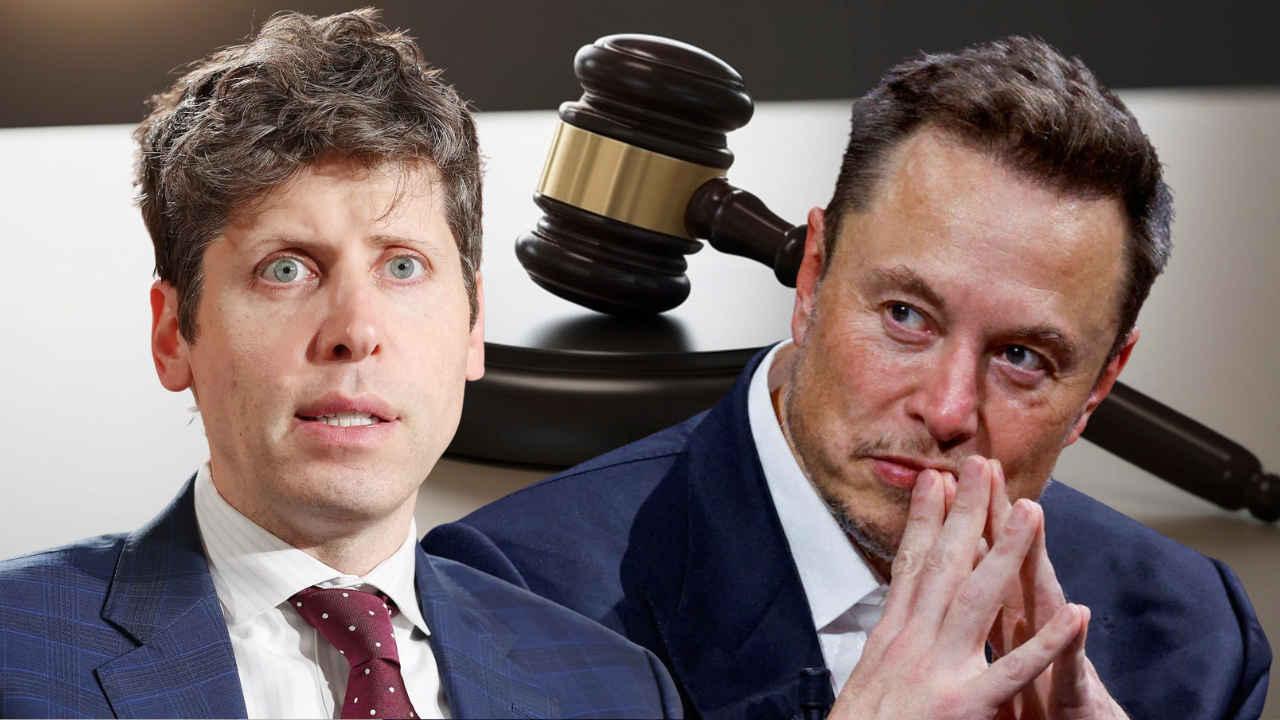
Source: Digit
In the same filing, Musk's legal team clarified that any damages awarded in the case should go directly to OpenAI's charitable arm rather than to Musk himself. "The remedies Musk intends to seek are strictly tied to his purpose in bringing this lawsuit: to prevent the subordination of a public charity -- one he co-founded and for which he was the primary supporter during its formative years -- to private, for-profit interests," according to the court filing
1
. Musk previously indicated he would seek up to $134 billion in damages from OpenAI and Microsoft, describing these as "wrongful gains" resulting from his early work and $38 million in donations to the organization4
.OpenAI fired back with its own filing on Friday, accusing Musk of orchestrating a "legal ambush" by making last-minute amendments to his complaint just weeks before trial
3
. The company argued that Musk was "sandbagging the defendants and injecting chaos into the proceedings, while trying to recast his public narrative about his lawsuit," calling his latest changes "legally improper and factually unsupported"3
.
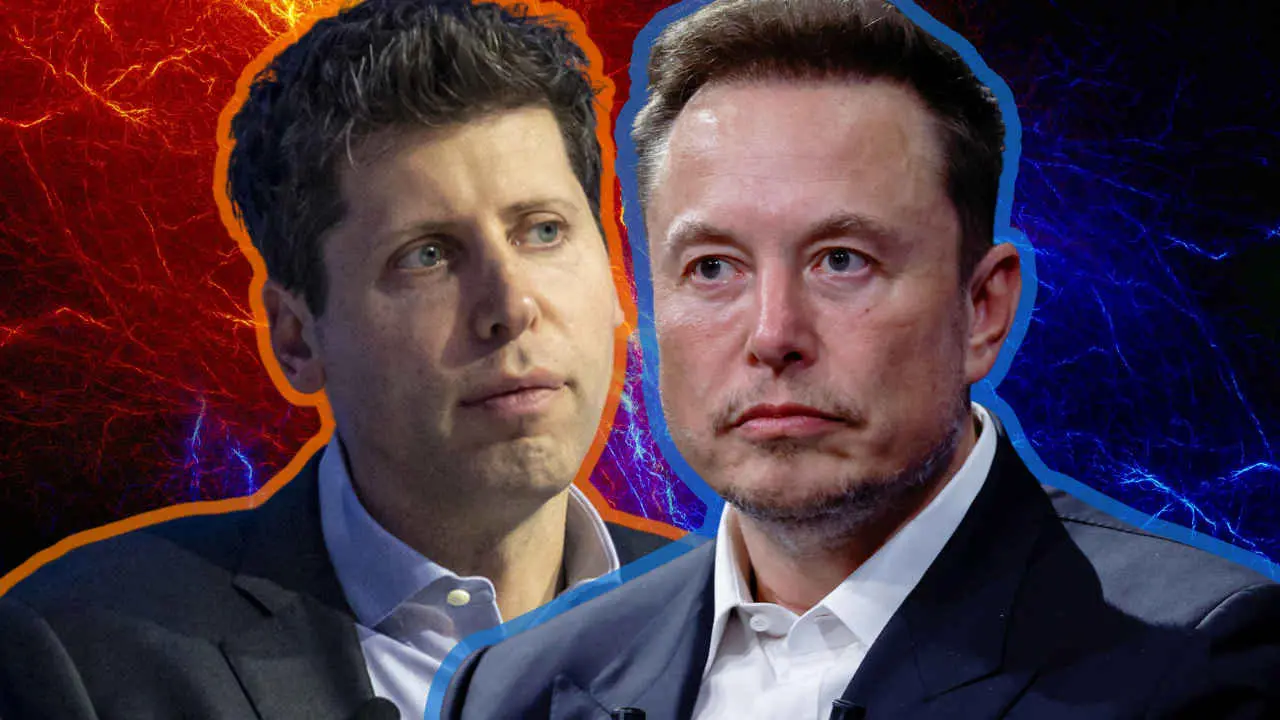
Source: Digit
The legal battle centers on Musk's claim that OpenAI abandoned its founding principles when it transformed from a nonprofit to for-profit entity after securing billions in backing from Microsoft
1
. Musk alleges that Altman and OpenAI "assiduously manipulated" and "deceived" him into donating millions based on promises the organization would remain dedicated to charitable research4
. His attorneys argue that removal of charity officers and directors is a standard remedy when individuals fail to protect an organization's public mission4
.Just one day before Musk's latest filing, OpenAI's chief strategy officer Jason Kwon sent letters to the attorneys general of California and Delaware urging them to investigate Musk for potential "improper and anti-competitive behavior"
5
. Kwon claimed that Musk "has repeatedly attempted - and failed - to wrest control of the nonprofit for his personal gain" in an effort to dominate the future of artificial intelligence5
.
Source: Bloomberg
The letter referenced OpenAI's October restructuring, which gave Microsoft a 27% ownership stake while keeping the nonprofit arm in control of for-profit operations
5
. Both state attorneys general had reviewed and approved this transition after OpenAI made specific governance commitments. Kwon argued that Musk's lawsuit threatens to undermine these agreements, stating: "Mr. Musk's lawsuit is not just against OpenAI; it is about whether there is room in the industry for a company subject to the mission and structure outlined in the October agreements"5
.Related Stories
Musk has faced a string of courtroom losses since January, including setbacks in cases about xAI trade secrets, advertiser boycotts of X, and his 2022 Twitter acquisition
2
. His legal team has responded by alleging bias against the world's richest man, even challenging a Twitter fraud verdict over what they called a "bizarre" marijuana reference in jury documents2
.Some of Musk's own lieutenants view these legal battles as distractions from improving performance at X and xAI, particularly as they prepare for SpaceX's planned June IPO at a $17.5 trillion valuation
2
. One lawyer who has worked with Musk described the situation as "this ego pissing match with Sam at OpenAI"2
. Musk has leveraged his social media presence to attack Altman as "Scam Altman," but his frequent posts have opened him to legal attacks and alienated public opinion2
.Jury selection for the trial is scheduled to begin April 27 in federal court in Oakland, California
4
. The case carries enormous implications for the artificial intelligence industry, with damages potentially ranging from $79 billion to $134 billion3
. Beyond financial stakes, the outcome could reshape how AI companies balance charitable missions with commercial interests.Musk co-founded OpenAI with Altman and others in 2015 but left the board in 2018 after unsuccessfully trying to merge it with Tesla
4
. He later launched xAI in 2023, which has become a direct competitor to OpenAI1
. In February, OpenAI rejected Musk's unsolicited $97.4 billion bid to acquire the nonprofit's assets5
. Altman has characterized the lawsuit as weaponization of the legal system to slow down a competitor1
.Marc Toberoff, Musk's attorney, said his client's public commitment to donate damages makes it "abundantly clear" that the case "has always been about OpenAI's abuse of the public's trust, not Elon Musk"
2
. However, the judge's early comments have been unsympathetic, describing Musk's $134 billion damages claim as like "pulling these numbers out of the air"2
. As the trial date approaches, both sides are preparing for a high-stakes confrontation that will test whether OpenAI's transformation from nonprofit to for-profit entity constitutes a betrayal of founding mission or a legitimate business evolution.Summarized by
Navi
23 Apr 2026•Business and Economy

15 Mar 2025•Business and Economy

05 Apr 2025•Policy and Regulation

1
Technology

2
Science and Research

3
Technology