Elon Musk takes the stand in OpenAI lawsuit that could reshape the company's future


152 Sources
[1]
Musk and Altman face off in trial that will determine OpenAI's future
A hotly anticipated trial starts this week, where Elon Musk will attempt to prove that OpenAI, under Sam Altman, has abandoned its mission to remain a nonprofit in order to ensure that artificial intelligence serves humanity, and not just billionaires. Many view the lawsuit as a grudge match
[2]
On the stand, Elon Musk can't escape his own tweets | TechCrunch
Elon Musk came to a California federal court on Wednesday to argue that Sam Altman and his cofounders "stole a charity." He left having admitted, under oath, that Tesla is not currently pursuing artificial general intelligence -- directly contradicting a tweet he'd posted just weeks earlier. It
[3]
Elon Musk and Sam Altman are going to court over OpenAI's future
Musk is suing OpenAI, alleging that Altman and OpenAI president Greg Brockman deceived him into bankrolling the company in its early days by promising to maintain it as a nonprofit dedicated to developing AI that benefits humanity, only to later restructure the company to operate a for-profit
[4]
Elon Musk Testifies That He Started OpenAI to Prevent a 'Terminator Outcome'
Elon Musk and Sam Altman appeared in a federal courtroom together for the first time on Tuesday as they fight over OpenAI's decade-long evolution and what it means for the company's future. The trial in Musk's lawsuit against Altman could result in financial damages and, more significantly,
[5]
At his OpenAI trial, Musk relitigates an old friendship | TechCrunch
Among the most interesting parts of Elon Musk's testimony Tuesday in his lawsuit against OpenAI wasn't the charity he claims was stolen from him (we all knew that was coming). It was about an old friend. Musk testified that one of his core motivations for co-founding OpenAI was a falling out with
[6]
Some Musk v. Altman Jurors Don't Like Elon Musk
A jury was selected on Monday during the first day of trial for Musk v. Altman in a federal court in Oakland, California. Some of the jurors that were ultimately selected voiced concerns over Musk himself, as well as the AI technology at the core of the case, but assured the court they would put
[7]

Elon Musk tells the jury that all he wants to do is save humanity
On the stand, Elon Musk is positioning himself as a savior. In the high-profile trial between him and his fellow OpenAI co-founder, now CEO, Sam Altman, Musk opened by going through his background. He went as far back as being raised in South Africa and arriving in Canada for college with "2,500
[8]

Elon Musk vs Sam Altman: how the legal battle of the tech billionaires could shape the future of AI
There was a time when Elon Musk and Sam Altman were friends. But the two tech billionaires are now embroiled in a bitter legal battle in the United States that could reshape not just OpenAI, the artificial intelligence (AI) firm behind ChatGPT they cofounded in 2015, but also the future of the
[9]

Musk Recounts Losing Trust in Motives of OpenAI's Other Leaders
Elon Musk spent hours Wednesday telling a jury about his falling out with the other leaders of OpenAI over what he described as their desire to "get rich" off a project that was supposed to serve the public good. In his second day of testimony during a closely watched trial against OpenAI, the
[10]

Elon Musk to return to witness stand for cross-examination by OpenAI's lawyer
OAKLAND, California, April 30 (Reuters) - Elon Musk is due to return to the witness stand on Thursday for a second day of cross-examination by Sam Altman's lawyer, in a high-stakes trial over a lawsuit Musk brought accusing OpenAI of abandoning its mission to develop artificial intelligence for the
[11]

Elon Musk says he was 'a fool' to fund the launch of OpenAI
Elon Musk told a jury on Wednesday that he was "a fool" to provide initial funding for OpenAI, claiming he believed the $850bn ChatGPT maker would remain a non-profit organisation. The billionaire was testifying in federal court in Oakland, California, as the first witness in his lawsuit against
[12]
Elon Musk takes the stand in high-profile trial against OpenAI
Elon Musk officially began his testimony in the trial he has brought against OpenAI CEO Sam Altman and company president Greg Brockman. The three were on the initial founding team of OpenAI, with Musk investing up to $38 million early on before the co-founders' relationship soured over
[13]

OpenAI trial live updates: Musk takes the stand again after heated cross-examination
Elon Musk will conclude his testimony on Thursday as the trial in his lawsuit against OpenAI CEO Sam Altman rolls into its fourth day. OpenAI's attorney, William Savitt, cross-examined Musk for several hours on Wednesday, and the two men clashed repeatedly. Musk accused Savitt of lying and asking
[14]

Musk and Altman show up for opening statements in trial that could reshape AI's future
OAKLAND, Calif. (AP) -- OpenAI co-founders Elon Musk and Sam Altman have shown up for Tuesday's opening statements in a high-stakes trial revolving around a bitter feud between the former friends that could reshape the future development of artificial intelligence. The bickering billionaires'
[15]

What you need to know as Elon Musk's lawsuit against Sam Altman begins
In a few short days, jury selection will begin in the long-awaited Musk v. Altman case. At the end of that process, an Oakland federal court will task nine regular people with deciding if OpenAI defrauded Elon Musk when it announced, and recently completed, its reorganization to become a more
[16]

Inside the Courtroom at the OpenAI Trial
Reporting from the Ronald V. Dellums U.S. Courthouse in Oakland, Calif. Covering this trial begins at about 6 a.m., sometimes earlier, with a trip to the federal courthouse in downtown Oakland, Calif. Because the Silicon Valley moguls Elon Musk and Sam Altman often appear in court, people line up
[17]

Musk takes the stand in court battle against OpenAI and Altman
In his second day on the stand, Elon Musk was at times combative under questioning by OpenAI's lawyer, whom he accused of asking overly complicated questions. "Your questions are not simple," he told lawyer William Savitt at one point. "They're designed to trick me essentially," Musk is suing
[18]

Musk vs. OpenAI trial begins with internal emails, AGI governance, and billions in potential damages at stake
Serving tech enthusiasts for over 25 years. TechSpot means tech analysis and advice you can trust. Winners & losers: The trial over Elon Musk's claims that OpenAI "looted a charity" is also a dispute over who controls the future of advanced AI and how it is funded. At stake is whether frontier
[19]

The Richest Grudge Match in History
The trial between Elon Musk and Sam Altman makes the AI boom seem sordid and small. Elon Musk and Sam Altman are two of the most influential people in Silicon Valley, if not the world. Between the two of them, Musk and Altman run technology companies worth many trillions of dollars that promise to
[20]
Musk Lawyer Says Altman Made 'Mockery' of OpenAI Public Mission
Elon Musk's lawyer argued to a jury Tuesday that the billionaire's work to develop artificial intelligence technology for the public good was undermined by the co-founders of OpenAI when they turned it into a profit-making venture. Instead of sticking to the startup's mission to "benefit humanity"
[21]

In Clarifying Testimony About OpenAI, Elon Musk Says â€~I Literally Was a Fool’
If you’re looking for a Rosetta Stone to help you understand the Elon Musk-OpenAI trial, you could do a lot worse than Musk’s testimony todayâ€"particularly when he said he “literally was a fool,†to provide OpenAI with money. The lawsuit known as Musk v. Altman has at its center a conflict
[22]

Musk testifies OpenAI case will set precedent for "looting every charity in America," renounces personal benefit from $134B claim
Elon Musk told a federal jury on Tuesday that his lawsuit against OpenAI and its co-founders is not about him. "It is not okay to steal a charity, that's my view," Musk said from the witness stand in Oakland, California, in his first testimony under oath in the case he filed in 2024. "If we make it
[23]
Elon Musk to return to witness stand in trial over OpenAI's future
OAKLAND, California, April 29 (Reuters) - Elon Musk is set to return to the witness stand on Wednesday in a high-stakes trial over a lawsuit he brought against OpenAI, alleging the company ditched its mission to be a responsible steward of AI for humanity in pursuit of profits. In testimony on
[24]
OpenAI's Sam Altman 'stole a charity', Elon Musk claims as trial begins
Elon Musk's lawyer told a jury on Tuesday that OpenAI's chief executive Sam Altman "stole a charity" by converting the AI lab into a for-profit entity now valued at $850bn, against its mission of ensuring AI would benefit humanity. Steven Molo, Musk's lead trial lawyer, likened OpenAI to a
[25]

Elon Musk alleges OpenAI abandoned charity roots in US trial case
Elon Musk took the stand Tuesday in a closely watched U.S. trial over the future of OpenAI, framing his lawsuit as a fight to protect charitable principles in artificial intelligence. The case pits Musk against OpenAI leadership, including CEO Sam Altman and President Greg Brockman, over whether
[26]
Elon Musk and Sam Altman's court battle over the future of OpenAI
Sam Altman and Elon Musk are set to face off in a high-stakes trial that could alter the future of tech's leading AI startup, OpenAI. The trial begins with jury selection on April 27th, as Musk pushes forward his 2024 lawsuit that accuses OpenAI of abandoning its founding mission of developing AI
[27]
Musk v. Altman live updates: Musk to retake stand in day 3 of OpenAI trial
Elon Musk will continue his testimony on Wednesday as the high-profile trial in his lawsuit against OpenAI CEO Sam Altman enters its third day. Musk sued OpenAI, Altman and Greg Brockman, the company's president, two years ago, alleging they reneged on their commitments to preserve the artificial
[28]
Elon Musk and OpenAI CEO Sam Altman head to court in high-stakes showdown over AI
OAKLAND, Calif. (AP) -- Technology tycoons Elon Musk and Sam Altman are poised to face off in a high-stakes trial revolving around the alleged betrayal, deceit and unbridled ambition that blurred the bickering billionaires' once-shared vision for the development of artificial intelligence. The
[29]
Elon Musk to Face Contentious Questions at OpenAI Trial: Live Updates
Mr. Musk has already spent two days laying out and defending his lawsuit against OpenAI, the A.I. start-up that he helped found and spent tens of millions of dollars funding. Mr. Musk has claimed that OpenAI abandoned its founding promise to remain a nonprofit and that his co-founders, including
[30]
Musk says basis of charitable giving at stake in OpenAI lawsuit against Altman
A trial pitting two founders of OpenAI - Sam Altman and Elon Musk - against each other has opened in California, with the sides presenting duelling narratives about the company's history and obligations to consumers. Musk, wearing a dark suit and tie, was asked by one of his lawyers what the
[31]

'I was a fool': Elon Musk calls OpenAI's mission a 'safety risk' -- but courtroom gaffe proves he's out of the loop
The "billionaire divorce" over the future of AI just got awkward Testifying in a federal courthouse in Oakland, California on April 29, 2026, Elon Musk didn't hold back. Taking the stand in his high-stakes lawsuit against OpenAI and CEO Sam Altma, Musk cast himself as a founder who helped launch
[32]

In court, Elon Musk accuses OpenAI of trying to 'have your cake and eat it, too'
Elon Musk arrives at the U.S. District Court in Oakland, Calif., Tuesday, April 28, 2026. Godofredo A. Vásquez/AP hide caption Elon Musk, of Tesla, SpaceX and DOGE fame, is testifying in court for a second day on Wednesday in his lawsuit against OpenAI and its CEO Sam Altman, a case that could
[33]
Jury Selection Signals the Start of Elon Musk and OpenAI's Blockbuster Court Battle
A long-awaited trial between Elon Musk and Sam Altman's OpenAI began in a federal court in Oakland, California on Monday morning. In 2024, Musk, a major early investor and co-founder of OpenAI, sued OpenAI, its CEO Sam Altman, President Greg Brockman, and major backer Microsoft, claiming that they
[34]
Musk v. Altman opening arguments: "stole a charity" vs "didn't get his way" as $134B trial begins in Oakland
"Ladies and gentlemen, we are here today because the defendants in this case stole a charity." That was how Steven Molo, Elon Musk's lead trial lawyer, opened the most consequential technology trial in a generation on Tuesday morning in an Oakland federal courtroom. Molo told the nine-person
[35]
OpenAI Is Shedding Baggage. Now It Needs a Jury's Help
The outcome of the case could greatly impact OpenAI's progress toward going public, with Bloomberg Intelligence putting the chances of OpenAI losing at 60%. In attempting to find a jury in the case of Musk v. Altman, US District Judge Yvonne Gonzalez Rogers chose to widen the pool of potential
[36]

Musk faces second day of questioning in contentious trial over OpenAI's founding
Trial continues after heated back and forth during OpenAI's cross-examination of the Tesla CEO on Wednesday Elon Musk's court case against Sam Altman continues on Thursday, after a day of contentious exchanges during OpenAI's cross-examination of the Tesla CEO. Musk will face another round of
[37]

Musk casts himself as AI's good guy in testimony vs. OpenAI
How the debate over Musk's motivations is resolved could be key to the outcome of the lawsuit the richest man in the world is waging against OpenAI. The big picture: Musk was the first witness in his lawsuit against Sam Altman, Greg Brockman, OpenAI and Microsoft. * Under questioning from his own
[38]

Letting OpenAI win risks 'losing every charity in America' Elon Musk says in court, as his lawsuit hearing begins
* Elon Musk has taken to the stand in his lawsuit against OpenAI * Musk claims the switch from a non-profit organization was illegal * The verdict of the trial could have implications for the future of AI Elon Musk is taking ChatGPT developer OpenAI to court over its switch from a non-profit
[39]

Elon Musk vs. Sam Altman: What to know as OpenAI trial opens
Elon Musk, seen here not drinking Sam Altman's tears. Credit: Krisztian Bocsi/Bloomberg via Getty Images Here's the weather forecast for the next few weeks inside the federal courthouse in Oakland, Calif. -- cloudy with a chance of tech world tea spillage. Jury selection began Monday in Musk v.
[40]
OpenAI trial pitting Elon Musk against Sam Altman kicks off
OAKLAND, California, April 28 (Reuters) - A trial that could help shape the future of artificial intelligence begins on Tuesday, with billionaires Elon Musk and Sam Altman at odds over the evolution of ChatGPT maker OpenAI from a nonprofit to a profit-seeking juggernaut worth hundreds of billions
[41]

If OpenAI Loses This Trial, It Could Effectively Be Eliminated in Its Current Form
Can't-miss innovations from the bleeding edge of science and tech Little love has been lost between Elon Musk and Sam Altman. The two billionaires have been openly feuding for many years now, despite founding OpenAI together over a decade ago. Musk left the organization in 2019 over disagreements
[42]

Elon Musk and Sam Altman Head to Court
On the docket -- OpenAI has since restructured into a for-profit company, a move that Musk alleges is a breach of charitable trust relating to the roughly $38 million he donated to OpenAI in its earliest days. He has also accused Altman and OpenAI's President, Greg Brockman, of unjust enrichment.
[43]

Elon Musk testifies Google co-founder sided with the robots: 'Larry Page called me a speciesist' | Fortune
Elon Musk had a colorful first day of testimony in his lawsuit against OpenAI. Taking the stand Tuesday afternoon in an Oakland federal courthouse, the world's richest man reportedly told the nine-person jury that AI "could kill us all," and invoked both James Cameron's Terminator (bad outcome of
[44]
Elon Musk and Sam Altman's court showdown will dish the dirt
Elon Musk cofounded OpenAI, and then flounced off in a huff when he wasn't anointed CEO, leaving Sam Altman as the last power-hungry man standing. Now, Musk is back with a lawsuit, and a trial is scheduled to start in Oakland, California, on April 27th. Theoretically, it's a legal case about
[45]
OpenAI trial live updates: Opening arguments in Musk v. Altman lawsuit set to begin
The highly anticipated trial between Elon Musk, the world's richest man, and Sam Altman, the CEO of OpenAI, is heading into its second day on Tuesday. Attorneys for Musk and OpenAI will present their opening arguments to the jury, which was seated after several hours of questioning on
[46]
Musk Says He 'Was a Fool' to Provide OpenAI's Early Funding
It was 2018, and Elon Musk was having a very busy year. His electric car company, Tesla, was struggling with manufacturing problems. He had a plan to take it private, but he kept angering regulators. SpaceX, his rocket company, was just starting to show momentum. And OpenAI, the nonprofit
[47]
Musk v Altman: Inside the trial that could reshape the AI race
The bitter feud between Elon Musk and OpenAI boss Sam Altman has raged for years, but has mostly played out online in the form of accusations, counter-accusations and jibes. But starting on Tuesday, the beef between the two tech billionaires will shift to a much higher-profile forum: a federal
[48]
As trial against OpenAI begins, Elon Musk seeks Sam Altman's ouster
Elon Musk arrives at the U.S. District Court in Oakland, Calif., Tuesday, April 28, 2026. Godofredo A. Vásquez/AP hide caption A courtroom brawl between two of the tech industry's most powerful leaders, Tesla CEO Elon Musk and OpenAI CEO Sam Altman, is underway in Oakland, California in a case
[49]

'Motivated by jealousy...' OpenAI lashes out at Elon in blog post claiming the billionaire 'spent years harassing OpenAI through baseless lawsuits and public attacks'
Musk has said the current lawsuit is "actually very simple. It's not okay to steal a charity." The Musk v. Altman trial is now well underway, in which businessman, entrepreneur, and the world's richest person, Elon Musk, is suing OpenAI co-founder Sam Altman and OpenAI itself. Musk has alleged
[50]

Elon Musk tells court he was a "fool" for funding OpenAI
Elon Musk told a court on Wednesday that he was a "fool" for providing funding to launch ChatGPT maker OpenAI. Testifying in a case he brought against OpenAI, the billionaire founder of Tesla and SpaceX said he continued to finance OpenAI after receiving assurances from OpenAI CEO Sam Altman that
[51]

Elon Musk gets combative on the stand during day two of jury trial against OpenAI
OAKLAND, Calif. -- Elon Musk fired back at OpenAI's lawyer in a tense cross-examination during the second day of the long-awaited trial that pits one tech billionaire against another. The Tesla and SpaceX owner filed a lawsuit against OpenAI CEO Sam Altman, accusing him of betraying the public by
[52]

'I literally was a fool': Musk grilled in OpenAI trial
Oakland (United States) (AFP) - Elon Musk faced fiery questioning Wednesday in his court showdown with OpenAI, as he insisted that the maker of ChatGPT had fooled him by turning what was an altruistic pursuit into a profit-making juggernaut. His second day of testimony in federal court in Oakland,
[53]

'Not OK to steal a charity': Elon Musk testifies in OpenAI trial
Elon Musk, Tesla's chief executive and an early co-founder of OpenAI, took the stand on Tuesday in a high-stakes trial over his dispute with former friend Sam Altman, in a case that could affect the future direction of artificial intelligence (AI). In 2024, Musk filed the lawsuit against Altman,
[54]
Musk v. Altman goes to trial in Oakland
A four-week federal case over OpenAI's soul, a diary entry, $150 billion in claimed damages, and the question of whether a nonprofit can become the world's most valuable AI company. The years-long legal battle between Elon Musk and Sam Altman over the future of OpenAI moved from social media to a
[55]
Sam Altman tries to fend off Elon Musk's attacks on OpenAI in court battle
Altman faces off against Musk, his OpenAI co-founder, in second day of high-stakes lawsuit After a dramatic first day of opening statements and testimony from Elon Musk in his case against Sam Altman and OpenAI, the trial continues on Wednesday with a cross examination of the Tesla CEO. OpenAI's
[56]
Elon gets his day in trial against Sam Altman and OpenAI
Why it matters: A verdict against OpenAI could reshape who controls one of the most valuable private companies in the world. The big picture: Musk is asking a court to put legal limits on OpenAI's transformation from charity-backed research lab to AI superpower. * Musk said it's very simple.
[57]
Musk vs Altman heads to trial in a battle that could reshape the future of AI for everyone
The lawsuit could upend the AI tools millions rely on every day * Elon Musk's lawsuit against OpenAI is now heading to trial * The trial puts OpenAI's structure and leadership under scrutiny * A Musk victory could force major changes at OpenAI and reshape how consumers encounter AI The legal
[58]
Musk v. Altman Jurors 'Rose Up to the Plate,' Judge Seats Nine
Nine jurors were seated Monday in the AI industry's closely watched trial between Elon Musk and OpenAI chief Sam Altman from a pool of San Francisco Bay Area residents who are expected to hear three weeks of testimony in federal court. The jury selection process started with a pool of 40
[59]

Musk vs Altman - is humanity's fate what's really at stake here or just two tech titans egos smashing into one another?
Back when I was a boy journalist, there always seemed to to a be good tech titan clash underway. Apple's Steve Jobs vs Microsoft's Bill Gates. Siebel's Tom Siebel vs Oracle's Larry Ellison. Cullinet's John Cullinane vs Oracle's Larry Ellison. Informix's Phil White vs Oracle's Larry Ellison.
[60]

Elon Musk accuses OpenAI CEO Sam Altman of trying to 'steal' a charity - SiliconANGLE
Elon Musk accuses OpenAI CEO Sam Altman of trying to 'steal' a charity Billionaire technology entrepreneur Elon Musk took the stand today in a landmark trial that pits him against OpenAI Group PBC Chief Executive Sam Altman, with the outcome set to have a major impact on the future of artificial
[61]

Elon Musk and ChatGPT's Sam Altman head to an AI trial that promises clashing testimony
Trial promises clashing testimony from two tech titans Musk, who invested about $38 million in OpenAI from December 2015 through May 2017, initially was seeking more than $100 billion in damages. But any damages now are likely to be much smaller after a series of pre-trial rulings that went
[62]
'He wanted to be CEO': Early OpenAI VC Vinod Khosla says Elon Musk's bid for control led to the Sam Altman feud and his major investment | Fortune
When Vinod Khosla sat down with Fortune's Editor-in-Chief Alyson Shontell in early March, he offered some key context for one of the most consequential tech trials in American history: Musk vs. Altman. "He wanted to be CEO," Khosla said of Elon Musk on the Titans and Disruptors of Industry
[63]
Elon Musk's trial against Sam Altman to reveal the ongoing power struggle for OpenAI
April 27 (Reuters) - The bitter legal fight between Elon Musk and the leading artificial intelligence firm, OpenAI, led by Sam Altman, may come down to a few pages in one executive's personal diary. "This is the only chance we have to get out from Elon," wrote, opens new tab Greg Brockman,
[64]
Jury selection kicks off in Musk v. Altman trial
Judge Yvonne Gonzalez Rogers is overseeing the proceedings, starting Monday, between the world's richest person and the CEO of OpenAI. Nine jurors will be seated and there will be no alternates, according to a March filing. CNBC is in the courtroom for the proceedings. Musk, who co-founded OpenAI
[65]

Elon Musk says OpenAI is 'looting a charity' in court testimony
TL;DR: Elon Musk testified that OpenAI shifted from its original nonprofit mission to a profit-driven model, accusing it of exploiting its position and engaging in anti-competitive practices. His AI company xAI's lawsuits highlight concerns over OpenAI's market dominance and partnerships,
[66]

Musk and Altman show up for opening statements in trial that could reshape AI's future
OAKLAND, Calif. (AP) -- OpenAI co-founders Elon Musk and Sam Altman have shown up for Tuesday's opening statements in a high-stakes trial revolving around a bitter feud between the former friends that could reshape the future development of artificial intelligence. The bickering billionaires'
[67]

'Crazy and nasty': Secrets revealed in Musk v Altman court war
Hundreds of court filings reveal cringeworthy texts and emails between the two tech titans and other billionaires as a lawsuit over OpenAI is finally about to start. Tesla chief executive Elon Musk and Sam Altman, CEO of ChatGPT-maker OpenAI, are scheduled to face off in court next week in a case
[68]
Musk vs. Altman: Tech CEOs head to court Monday over fate of OpenAI
Two titans of the tech world will face off in court starting on Monday. Elon Musk, of Tesla and SpaceX, is suing Sam Altman, the CEO of OpenAI, in a high-stakes clash between former partners over the future of one of the world's most influential AI companies. Musk alleges he was duped when Altman
[69]
Even without OpenAI, Elon Musk has made A.I. a big part of his business empire.
Mr. Musk, the world's richest person who helped found OpenAI in 2015, pushed his case that the founders of the artificial intelligence company always intended for it to be a nonprofit. "I was a fool who provided them free funding to create a start-up," he said. "I gave them $38 million of
[70]
The Elon Musk vs. Sam Altman trial didn't even make it past jury selection before Musk started getting clowned on
Opening arguments began on Tuesday in the case of Musk v. Altman, the Tesla CEO's lawsuit against Sam Altman and OpenAI for, in the attorney's words, "preying on Musk's humanitarian concern about the existential dangers posed by artificial intelligence" in what is "a textbook tale of altruism
[71]
Elon Musk takes stand in trial vs. Sam Altman that could reshape AI's future
Elon Musk, the Tesla CEO, world's richest man and OpenAI cofounder, took the stand Tuesday in a high-stakes trial revolving around a bitter feud between himself and former friends Sam Altman and Greg Brockman that could reshape the future development of artificial intelligence. The bickering
[72]
Elon Musk expected to testify in OpenAI trial
OAKLAND, California -- Elon Musk is set to testify in court as soon as Tuesday in his legal showdown against Sam Altman. The outcome of the trial could determine the future of OpenAI, the tech giant that the two billionaires cofounded as a nonprofit in 2015. Musk, who left the board of OpenAI in
[73]
Musk faces off with OpenAI in court over broken promises
Oakland (United States) (AFP) - Elon Musk showed up for opening remarks Tuesday in a courtroom showdown with OpenAI over whether the artificial intelligence company betrayed its non-profit mission. The legal clash across the bay from San Francisco pits the world's richest person against a startup
[74]
Why Elon Musk and Sam Altman are going to trial over OpenAI
The trial will see Elon Musk face off against OpenAI CEO Sam Altman over allegations that the AI company abandoned its nonprofit roots in favour of profit -- with Microsoft also named in the suit. Technology titans Elon Musk and Sam Altman will face off in a high-stakes trial on Monday in the
[75]
Opening arguments begin in Elon Musk and Sam Altman courtroom showdown
Trial is culmination of a years-long feud between Musk and Altman that has become increasingly vicious The trial pitting Elon Musk against Sam Altman and OpenAI began in earnest on Tuesday with opening arguments, as lawyers for the two tech moguls seek to convince a California jury of their
[76]

Elon Musk to Return to Witness Stand for Cross-Examination by OpenAI's Lawyer
By Deepa Seetharaman and Kenrick Cai OAKLAND, California, April 30 (Reuters) - Elon Musk is due to return to the witness stand on Thursday for a second day of cross-examination by Sam Altman's lawyer, in a high-stakes trial over a lawsuit Musk brought accusing OpenAI of abandoning its mission
[77]

Elon Musk testifies OpenAI should return to its nonprofit roots
The bitter legal fight between Elon Musk and the leading artificial intelligence firm, OpenAI, led by Sam Altman, may come down to a few pages in one executive's personal diary. Elon Musk took the stand on Tuesday at a high-stakes trial over the future of OpenAI, casting his lawsuit against the
[78]

Musk vs. Altman: Tech titans face off in court
Tesla CEO Elon Musk and OpenAI CEO Sam Altman are poised to face off in court Monday, as the yearslong feud between the two tech titans comes to a head at a trial over the ChatGPT maker's corporate structure. Musk, who helped found OpenAI in 2015 before leaving and later launching his own AI
[79]

The Trial Between Elon Musk and Sam Altman Is a Battle for the Future of AI
While Altman and Musk are fairly bitter enemies today, they started off as friends. As OpenAI grew and evolved, however, a schism began to form. The relationship was further complicated by Musk's involvement in the 2024 presidential election and his work with DOGE. As jury selection gets underway
[80]
Musk and Altman Head to Trial in Feud Over Future of OpenAI
Elon Musk and Sam Altman will face off this week in a trial that could determine the future of OpenAI. The high-profile showdown between the artificial intelligence titans is the culmination of years of animosity and public feuding over the startup that the pair founded together more than a decade
[81]
Musk drops fraud claims against OpenAI, Altman ahead of trial | Fortune
US District Judge Yvonne Gonzalez Rogers on Friday agreed to Musk's request to "streamline" the case, leaving just two claims to proceed to trial of the 26 included in his November 2024 complaint. Jury selection is set for Monday in federal court in Oakland, California. Musk alleges the artificial
[82]

Elon Musk vs. OpenAI: What You Need to Know About the Epic $134 Billion Trial
It's hard to imagine now, but Elon Musk and Sam Altman were once happy co-workers. The power duo co-founded OpenAI in 2015 to build artificial intelligence safely. Now they're facing off in a bitter $134 billion lawsuit that went to trial this week. Here's what the trial is all about: Musk left
[83]
Musk v. Altman heads to court next week. Here's what's at stake
A yearslong legal brawl between Elon Musk, the world's richest man, and OpenAI CEO Sam Altman heads to court in Northern California on Monday in a dramatic showdown between two of the most high-profile names in the tech industry. In his $134 billion lawsuit, Musk claimed that OpenAI, Altman and
[84]
The unflattering secrets revealed so far in Elon Musk's latest legal feud
Tesla chief executive Elon Musk and Sam Altman, CEO of ChatGPT-maker OpenAI, are scheduled to face off in court next week in a case brought by Musk that claims Altman and others enriched themselves by allegedly betraying the artificial intelligence company's founding mission. The bitter legal feud
[85]
The legal showdown between Elon Musk and Sam Altman begins today. Here's what to know.
Mary Cunningham is a reporter for CBS MoneyWatch. She previously worked at "60 Minutes," CBSNews.com and CBS News 24/7 as part of the CBS News Associate Program. Jury selection begins Monday in a high-profile case brought by Tesla CEO Elon Musk alleging that Sam Altman's OpenAI, which was founded
[86]
What's at stake in the Elon Musk-Sam Altman trial
SAN FRANCISCO -- It's a trial so unusual, not even artificial intelligence could make it up. Jury selection begins Monday in a federal courtroom in Oakland, California, in a civil trial that features one tech billionaire, Elon Musk, suing another, Sam Altman. The case is one part business dispute
[87]
Opening remarks Tuesday in Elon Musk versus OpenAI
Oakland (United States) (AFP) - Opening remarks are set for Tuesday in a courtroom showdown between billionaire Elon Musk and OpenAI over whether the artificial intelligence company betrayed its non-profit mission. The legal clash across the bay from San Francisco pits the world's richest person
[88]
OpenAI Trial Starts With Two Very Different Tales of a Company's Early Years
Reporting from the Ronald V. Dellums U.S. Courthouse in Oakland, Calif. On the first day of testimony in a landmark trial between Elon Musk and OpenAI's Sam Altman, two notably different tales were offered of how OpenAI evolved from a nonprofit artificial intelligence lab into one of the most
[89]

Elon Musk faces tense questioning in cross-examination by OpenAI's lawyer
Elon Musk faced tough questions in court. He is suing OpenAI, alleging it shifted from its nonprofit mission. Musk claims the company sought to enrich itself. OpenAI counters that Musk wants control and is bitter about leaving. The trial is ongoing, with Musk seeking significant damages and a
[90]
Elon Musk to Return to Witness Stand in Trial Over OpenAI's Future
By Deepa Seetharaman and Max A. Cherney OAKLAND, California, April 29 (Reuters) - Elon Musk is set to return to the witness stand on Wednesday in a high-stakes trial over a lawsuit he brought against OpenAI, alleging the company ditched its mission to be a responsible steward of AI for humanity
[91]
Musk and Altman's bitter feud over OpenAI to be laid bare in court
Tesla chief believes Altman broke company's founding agreement - and legal battle promises to be explosive The bitter rivalry between two of the tech world's most powerful men arrives in court this week, as Elon Musk's lawsuit against Sam Altman and OpenAI heads to trial in Oakland, California.
[92]

Elon Musk Asks, 'Do You Want To Set Legal Precedent' That It's Fine To 'Loot A Charity?' As Jury Selectio
On Monday, jury selection wrapped in federal court in Oakland, California, setting the stage for a closely watched legal battle as Elon Musk intensifies accusations that OpenAI abandoned its nonprofit roots for private gain. Musk Escalates Claims Against OpenAI Leadership In a post on X, Musk
[93]

Elon Musk trial against Sam Altman to reveal OpenAI power struggle, jury is seated
The bitter legal fight between Elon Musk and the leading artificial intelligence firm, OpenAI, led by Sam Altman, may come down to a few pages in one executive's personal diary. "This is the only chance we have to get out from Elon," wrote Greg Brockman, OpenAI's president and a co-founder, in the
[94]
Musk Drops Fraud Claims Against OpenAI, Altman Ahead of Trial
Musk is seeking damages and wants a court order restoring OpenAI's status as a nonprofit research organization and removing Altman and Brockman from their roles. Elon Musk dropped his fraud claims against OpenAI and co-founders Sam Altman and Greg Brockman, narrowing the scope of his lawsuit
[95]
On witness stand, Elon Musk accuses Sam Altman's lawyer of trying to trick him - The Economic Times
Elon Musk on Wednesday accused a lawyer for Sam Altman of trying to trick him during cross-examination at a high-stakes trial over Musk's lawsuit alleging OpenAI ditched its mission to build artificial intelligence for the public good. William Savitt, a lawyer for OpenAI, told Musk his questions
[96]
Jury selection starts in Elon Musk's legal battle with OpenAI
Oakland (United States) (AFP) - Elon Musk's courtroom showdown with Sam Altman got underway here Monday with the start of jury selection in a trial over the billionaire's accusation that his OpenAI co-founders betrayed a non-profit mission to build artificial intelligence for the good of humanity
[97]
Musk and Altman Show up for Opening Statements in Trial That Could Reshape AI's Future
OAKLAND, Calif. (AP) -- OpenAI co-founders Elon Musk and Sam Altman have shown up for Tuesday's opening statements in a high-stakes trial revolving around a bitter feud between the former friends that could reshape the future development of artificial intelligence. The bickering billionaires'
[98]
Here's what OpenAI's lawyer argued in his opening statement.
Mr. Musk was the first witness called in a case that could reshape the future of the artificial intelligence race -- and one that an OpenAI lawyer said was filed because the world's richest person "didn't get his way." Mr. Musk, Sam Altman and other A.I. researchers founded OpenAI as a nonprofit
[99]
Musk's OpenAI Trial Puts Sam Altman And Greg Brockman Under Spotlight - Meta Platforms (NASDAQ:META), Mic
Reuters reported the trial record includes internal papers and personal writings used to argue over whether OpenAI drifted from its original nonprofit purpose into a profit-first enterprise. Jury selection is set for Monday, with opening statements expected on Tuesday. Elon Musks Bold Move Against
[100]

Elon Musk, Sam Altman arrive in court for OpenAI trial - The Korea Times
OAKLAND, California -- A trial that could help shape the future of artificial intelligence begins on Tuesday, with billionaires Elon Musk and Sam Altman at odds over the evolution of ChatGPT maker OpenAI from a nonprofit to a profit-seeking juggernaut worth hundreds of billions of dollars. Opening
[101]
Altman Versus Musk: How the Biggest Feud In Tech Landed in Court
At every point in the tech industry's evolution, chief executives have found some reason to fall out. Bill Gates and Steve Jobs clashed during the early scramble to dominate personal computing. Jobs felt betrayed by Eric Schmidt when Google launched Android to compete with the iPhone. And Elon Musk
[102]
Elon Musk returns to witness stand in trial over OpenAI's future
Elon Musk is on the witness stand in a major trial. He is suing OpenAI, claiming the company has strayed from its original mission. Musk alleges OpenAI prioritised profits over its commitment to humanity. The trial highlights a deep rift between Musk and OpenAI's leaders. Musk seeks significant
[103]
Elon Musk's lawsuit against OpenAI over nonprofit claims heads to trial
Tech billionaire Elon Musk's lawsuit accusing OpenAI of abandoning its non-profit mission on Monday advances with jury selection in California. The case pits the world's richest person against a startup he once backed and now rivals in the artificial intelligence sector. Elon Musk's lawsuit
[104]
Elon Musk's Trial Against Sam Altman to Reveal the Ongoing Power Struggle for OpenAI
By Deepa Seetharaman and Jonathan Stempel April 27 (Reuters) - The bitter legal fight between Elon Musk and the leading artificial intelligence firm, OpenAI, led by Sam Altman, may come down to a few pages in one executive's personal diary. "This is the only chance we have to get out from
[105]
Elon Musk vs. OpenAI: Kalshi Traders Push Odds to 45% as Trial Date Approaches - Microsoft (NASDAQ:MSFT)
On Sunday, prediction market Kalshi traders kept repricing the contract on whether Elon Musk wins his lawsuit against OpenAI, with the market swinging between near coin-flip levels and deeper doubt as the April 28, 2026 trial date closes in. The prediction markets are signaling a toss-up in Elon
[106]

Musk vs Altman Lawsuit Update: Elon Musk Claims Sam Altman Tried to 'Steal the Charity'
Elon Musk accused OpenAI's lawyer of asking "trick" questions during cross-examination, arguing they could mislead the jury, as tensions rose in the ongoing courtroom battle over OpenAI's founding mission and leadership. A high-stakes legal battle between Elon Musk and Sam Altman entered its
[107]

Elon Musk testifies he was a 'fool' to invest with 'disingenuous' OpenAI CEO Sam Altman in bombshell trial
Elon Musk said he was a "fool" to trust Sam Altman with the future of OpenAI in his second day of testimony in the bombshell trial over the future of the artificial intelligence giant. "I was a fool who provided them free funding to create a startup," Musk told a packed federal courtroom in
[108]

Elon Musk takes stand in trial vs. Sam Altman that could reshape AI's future
OAKLAND, Calif. -- Elon Musk, the Tesla CEO, world's richest man and OpenAI cofounder, took the stand Tuesday in a high-stakes trial revolving around a bitter feud between himself and former friends Sam Altman and Greg Brockman that could reshape the future development of artificial
[109]
Why does Elon Musk talk so much about saving humanity?
Mr. Musk helped found and donated to OpenAI, which began as a nonprofit in 2015. Mr. Musk left the start-up three years later after a power struggle with his co-founders. The public launch of ChatGPT catapulted OpenAI to commercial success in 2022. On Tuesday, Mr. Musk took the stand to lay out
[110]
Elon Musk to return to witness stand in trial over OpenAI's future - The Economic Times
Elon Musk is back on the witness stand in a lawsuit against OpenAI, accusing the AI firm of abandoning its mission for profit. He testified that creating a for-profit entity "destroyed the foundation of charitable giving." Musk seeks $150 billion and wants OpenAI to revert to a nonprofit, with key
[111]
Musk Vs Altman Lawsuit Live Updates: OpenAI Ethics and Non-Profit Agenda in Focus as Court Trial Starts
A nine-member jury has been selected in Oakland as the case officially moves forward. The judge clarified the trial will focus on facts and promises, not technical AI complexity, setting the stage for a closely watched legal battle. Elon Musk and Sam Altman are in loggerheads once again, and this
[112]
Musk kicks off explosive OpenAI trial by slamming Altman, company for abandoning non-profit mission: 'Not OK to steal a charity'
Elon Musk took the stand as the high-profile trial over the future of OpenAI kicked off on Tuesday -- claiming that CEO Sam Altman took control of a group founded as a "charity" and improperly morphed it into a money-minting corporate juggernaut. "They're going to make this case seem complicated
[113]
OpenAI trial pitting Elon Musk against Sam Altman kicks off
OAKLAND, California, April 28 (Reuters) - A trial that could help shape the future of artificial intelligence begins on Tuesday, with billionaires Elon Musk and Sam Altman at odds over the evolution of ChatGPT maker OpenAI from a nonprofit to a profit-seeking juggernaut worth hundreds of billions
[114]
Elon Musk's lawsuit against OpenAI heads to trial over nonprofit claims
Elon Musk's lawsuit accusing OpenAI of abandoning its non-profit mission heads to trial on Monday with jury selection in California. The case pits the world's richest person against a startup he once backed and now rivals through xAI and its chatbot Grok. The feud also involves Sam Altman. Elon
[115]
Musk's OpenAI Feud Intensifies As Court Dismisses Fraud Charges But Clears Path For High-Stakes Trial Ove
On Friday, a U.S. judge narrowed Elon Musk's legal battle against OpenAI, dismissing key fraud claims while allowing a closely watched trial over the company's nonprofit origins to move forward. Judge Dismisses Fraud Claims, Keeps Core Dispute Alive U.S. District Judge Yvonne Gonzalez Rogers
[116]

Elon Musk appears in court at start of case that could reshape AI's future | BreakingNews
Tesla chief Elon Musk has appeared in court in a high-stakes trial revolving around a bitter feud between himself and former friends Sam Altman and Greg Brockman that could reshape the future development of artificial intelligence (AI). The bickering billionaires' appearances at a federal court in
[117]
Here's what Musk's lawyers argued in their opening statement.
In opening statements, his legal team framed the case as a moral issue centered on the public good, while a lawyer for OpenAI argued the tech mogul was simply upset that he "didn't get his way." Mr. Musk, Sam Altman and other A.I. researchers founded OpenAI as a nonprofit in 2015, vowing to freely
[118]
Elon Musk says OpenAI was his idea, before executives looted it - The Economic Times
In a high-stakes courtroom drama, Elon Musk has launched a lawsuit against OpenAI and its executives, alleging that they've strayed from the altruistic vision that inspired the company's creation. Musk maintains that he established OpenAI as a nonprofit venture aimed at uplifting humanity. Elon
[119]

Elon Musk to return to witness stand for cross-examination by OpenAI's lawyer
OAKLAND, California, April 30 (Reuters) - Elon Musk is due to return to the witness stand on Thursday for a second day of cross-examination by Sam Altman's lawyer, in a high-stakes trial over a lawsuit Musk brought accusing OpenAI of abandoning its mission to develop artificial intelligence for the
[120]
Theft accusations, cringey texts and billionaire witnesses -- everything you need to know about the explosive Musk Vs OpenAI trial
It's the messiest lawsuit Artificial Intelligence has faced yet -- with the fate of billions, and potentially humanity itself, in the jury's hands. The world's richest man, Elon Musk, is squaring off against former ally (and fellow billionaire) Sam Altman in a blockbuster federal trial that kicks
[121]
Elon Musk and OpenAI CEO Sam Altman head to court in high-stakes showdown over AI
OAKLAND, Calif. -- Technology tycoons Elon Musk and Sam Altman are poised to face off in a high-stakes trial revolving around the alleged betrayal, deceit and unbridled ambition that blurred the bickering billionaires' once-shared vision for the development of artificial intelligence. The trial,
[122]
Musk and Altman arrive for opening of trial that could reshape AI's future | BreakingNews
OpenAI co-founders Elon Musk and Sam Altman have arrived for Tuesday's opening statements in a high-stakes trial revolving around a bitter feud between the former friends that could reshape the future development of artificial intelligence. The bickering billionaires' early-morning appearances at
[123]
Billionaire Elon Musk enters courtroom showdown with OpenAI
San Francisco (United States) (AFP) - Jury selection is to begin Monday in a high-profile legal battle between billionaire Elon Musk and artificial intelligence startup OpenAI, which he accuses of betraying its non-profit mission. The clash in a courtroom across the bay from San Francisco pits the
[124]
Elon Musk casts his OpenAI lawsuit as a defense of charity
STORY: Elon Musk took the stand on Tuesday in a high-stakes trial over the future of OpenAI, casting his lawsuit against the ChatGPT maker as a defense of charitable giving. :: Archive Musk, the world's richest person, is suing OpenAI, its co-founder and Chief Executive Sam Altman and its
[125]
Elon Musk slams OpenAI rival ahead of landmark trial in California: 'Scam Altman'
The high-stakes trial over the future of OpenAI kicked off on Tuesday - but not before Elon Musk unleashed a flurry of social media posts that slapped OpenAI's CEO Sam Altman with the moniker "Scam Altman." Ahead of opening statements, lawyers for OpenAI on raised concerns after Musk posted more
[126]
Billionaire Elon Musk enters courtroom showdown with OpenAI
SAN FRANCISCO -- Jury selection is to begin Monday in a high-profile legal battle between billionaire Elon Musk and artificial intelligence startup OpenAI, which he accuses of betraying its non-profit mission. The clash in a courtroom across the bay from San Francisco pits the world's richest man
[127]
Who are the lawyers representing Elon Musk, OpenAI and Microsoft?
Steven Molo, Mr. Musk's lead counsel, told the jury that OpenAI was created "for the benefit of all mankind," at the opening of a trial that centers on how one of the tech industry's most important companies was founded as a nonprofit before morphing into a commercial entity. "No one should be
[128]
Elon Musk wanted 'keys to kingdom,' OpenAI lawyer says at trial - The Economic Times
A high-stakes trial has begun over OpenAI's future. Elon Musk is suing the AI company, alleging it abandoned its mission to benefit humanity. He claims OpenAI, led by Sam Altman and Greg Brockman, became a profit-driven business. OpenAI's lawyers argue Musk wanted control and sued after his plans
[129]
AI united Altman and Musk, then drove them apart
New York (AFP) - Elon Musk and Sam Altman bonded over artificial intelligence in a project that became OpenAI, but a clash of visions will see the polarizing figures face off in court in a trial that opens next week. Silicon Valley lore traces their first meeting back to 2012, in an encounter
[130]
OpenAI trial pitting Elon Musk against Sam Altman kicks off
OAKLAND, California, April 28 (Reuters) - A trial that could help shape the future of artificial intelligence begins on Tuesday, with billionaires Elon Musk and Sam Altman at odds over the evolution of ChatGPT maker OpenAI from a nonprofit to a profit-seeking juggernaut worth hundreds of billions
[131]
Elon Musk's long-awaited courtroom battle with Sam Altman poised to spill Silicon Valley dirt
A long-anticipated courtroom battle between Elon Musk and Sam Altman kicked off in California Monday -- and the legal brawl is poised to spill mounds of inside gossip and dirty laundry from Silicon Valley in the weeks ahead. In addition to Musk and Altman, witnesses in the case -- in which Musk
[132]
Elon Musk faces off with OpenAI in court over broken promises - The Economic Times
Elon Musk is in court with OpenAI. He claims the AI company betrayed its original non-profit mission. Musk, a former backer, now competes with OpenAI. The trial could shape the AI industry's future. OpenAI's CEO Sam Altman is also present. The case highlights the debate on AI's societal benefit.
[133]
Elon Musk Assails Sam Altman on Social Media Before OpenAI Trial Opens
Musk's posts on his X social media platform have pushed his narrative that OpenAI has lost its way. Before opening statements began in the trial between Elon Musk and OpenAI on Tuesday, the world's richest man was already making his case on X, the social media platform he owns. Mr. Musk went on
[134]
Elon Musk's trial against Sam Altman to reveal the ongoing power struggle for OpenAI
April 27 (Reuters) - The bitter legal fight between Elon Musk and the leading artificial intelligence firm, OpenAI, led by Sam Altman, may come down to a few pages in one executive's personal diary. "This is the only chance we have to get out from Elon," wrote Greg Brockman, OpenAI's president and
[135]
Elon Musk and OpenAI CEO Sam Altman head to court in high-stakes showdown over AI
Technology tycoons Elon Musk and Sam Altman are poised to face off in a high-stakes trial revolving around the alleged betrayal, deceit and unbridled ambition that blurred the bickering billionaires' once-shared vision for the development of artificial intelligence. The trial, which is scheduled
[136]
Elon Musk vs OpenAI: Inside the battle over broken promises
A high-stakes legal battle begins today as Elon Musk sues Sam Altman's OpenAI, alleging the AI giant abandoned its non-profit mission for profit. Musk claims broken promises regarding open-source development and public good, seeking billions in damages. OpenAI denies the allegations, stating
[137]
What are Elon Musk's claims against Altman and OpenAI?
Mr. Musk, Sam Altman and other A.I. researchers founded OpenAI as a nonprofit in 2015, vowing to freely share its technology with the rest of the world. But Mr. Musk left the start-up in 2018 after a power struggle with Mr. Altman -- and before the public launch of ChatGPT in 2022 catapulted OpenAI
[138]
Opening remarks Tuesday in Elon Musk versus OpenAI trial
A courtroom showdown begins Tuesday between billionaire Elon Musk and OpenAI. Musk alleges the artificial intelligence company betrayed its non-profit mission. OpenAI counters that Musk sought absolute control. The legal battle spotlights the debate on AI's benefit to society. The judge will decide
[139]
Oakland, which is playing host to the trial, is not exactly known as a tech hub.
Mr. Musk, Sam Altman and other A.I. researchers founded OpenAI as a nonprofit in 2015, vowing to freely share its technology with the rest of the world. But Mr. Musk left the start-up in 2018 after a power struggle with Mr. Altman -- and before the public launch of ChatGPT in 2022 catapulted OpenAI
[140]
Musk-Altman trial opens: Revisiting OpenAI's shift from nonprofit to for-profit
A major legal battle begins Tuesday in Oakland. Elon Musk is suing Sam Altman and OpenAI. Musk claims OpenAI abandoned its nonprofit roots for profit. OpenAI denies this, stating changes were necessary. The case centers on OpenAI's founding mission to benefit all humanity. This dispute highlights
[141]
Courtroom clash starts today: Elon Musk takes on Sam Altman -- what's at stake in the OpenAI lawsuit
Elon Musk vs Sam Altman court case: what's at stake in the OpenAI lawsuit - The Musk vs Altman trial over OpenAI nonprofit conversion begins with a massive $852 billion valuation under scrutiny. Jury selection starts in California this week. The case tests if OpenAI broke its nonprofit promise.
[142]
What Elon Musk's Clash With Sam Altman of OpenAI Is Really About
One of the most controversial and overexposed men in the world is suing another man, who is equally unsympathetic and equally inescapable. Both are insanely rich. It is so tempting to look away. Elon Musk's lawsuit against Sam Altman involves onetime colleagues and buddies who became peevish
[143]
Musk vs Altman: Silicon Valley's biggest trial opens -- here are the key witnesses
A high-stakes federal trial begins Monday with Elon Musk suing OpenAI's Sam Altman and Greg Brockman for over $130 billion, alleging betrayal of the company's nonprofit mission. Musk seeks their removal from leadership roles. OpenAI, valued at $850 billion, dismisses the suit as baseless. Key
[144]
Sam Altman's Next High-Wire Act: Getting OpenAI to Make More Money
Earlier this year, a group of OpenAI employees convened in a private chat to discuss the latest thing Sam Altman, OpenAI's chief executive, had posted to social media. It was not the first time they had done so. The chat, which two people said they jokingly referred to as "Making Sam's Tweets
[145]
Elon Musk's trial against Sam Altman to reveal the ongoing power struggle for OpenAI - The Economic Times
The bitter legal fight between Elon Musk and the leading artificial intelligence firm, OpenAI, led by Sam Altman, may come down to a few pages in one executive's personal diary. "This is the only chance we have to get out from Elon," wrote Greg Brockman, OpenAI's president and a co-founder, in the
[146]
Elon Musk and Sam Altman's Epic Fight Heads to Court
Cade Metz has covered artificial intelligence for more than 15 years. On May 25, 2015, Sam Altman sent an email to Elon Musk proposing a "Manhattan Project for A.I." He envisioned a Silicon Valley research lab that would build enormously powerful artificial intelligence and share it with the rest
[147]
Elon Musk vs Sam Altman heads to court in blockbuster AI showdown with billions at stake
A major legal battle begins this week in California. Elon Musk is suing Sam Altman and OpenAI. The case centers on OpenAI's shift from a nonprofit to a for-profit entity. Musk claims this was a betrayal of their original agreement. Prominent tech figures may testify. The trial could significantly
[148]
Stage set for Elon Musk's court battle with OpenAI - The Economic Times
As the courtroom doors swing open on Monday, tech titan Elon Musk steps into a fierce clash against AI powerhouse OpenAI. Musk argues that the organization has strayed from its foundational mission of serving the greater good. With OpenAI's ChatGPT challenging Musk's own AI initiative, Grok, the
[149]
AI united Sam Altman and Elon Musk, then drove them apart - The Economic Times
Elon Musk and Sam Altman, co-founders of OpenAI, are set to face off in court over a clash of visions regarding artificial intelligence. Their initial collaboration, driven by a shared concern for AI's future, has fractured due to differing approaches to its development and commercialization.Elon
[150]

OpenAI vs Musk: Courtroom drama intensifies as Musk faces gruelling cross-examination
Past emails and funding decisions brought Musk's role and intentions at OpenAI under scrutiny OpenAI trial that has been in the headlines has now taken a tense turn as Elon Musk faced an intense round of cross questions made on his claim. He presented himself as a calm and principled figure at the
[151]
OpenAI vs Elon Musk trial begins: What happened so far, explained in 7 key points
The trial could impact OpenAI's future, Microsoft's role, and the broader direction of AI development The much-talked-about legal war between Elon Musk and Sam Altman started after Twitter feuds. The trial started with Musk taking the witness stand on the very first day of the trial. For the
[152]
OpenAI accuses Elon Musk of harassment, smear campaign over lawsuit
'Scam Altman didn't tell the OpenAI board that he OWNED the OpenAI Startup Fund,' Musk posted on X. The rivalry between Elon Musk and Sam Altman is heating up. The two are facing off in a trial that began on Monday and is linked to Musk's 2024 lawsuit against OpenAI. The lawsuit claims that OpenAI
Share
Copy Link
Elon Musk testified in a California federal court this week, alleging that Sam Altman and Greg Brockman deceived him into funding OpenAI as a nonprofit, only to pivot toward a for-profit entity. The high-stakes trial could result in up to $134 billion in damages and force major governance changes at OpenAI, potentially derailing its IPO plans while raising fundamental questions about AI safety and corporate accountability.
Elon Musk Testimony Kicks Off High-Stakes Trial Over OpenAI's Future
A California federal courtroom became the stage for one of tech's most anticipated legal battles as Elon Musk and Sam Altman faced off over the future of OpenAI. Jury selection began Monday before US District Judge Yvonne Gonzalez Rogers, with Elon Musk taking the stand Tuesday to argue that Altman and Greg Brockman "stole a charity" by abandoning OpenAI's founding mission
1
. The OpenAI lawsuit centers on whether the AI lab's transformation from a nonprofit focused on the benefit of humanity into a for-profit entity constitutes a betrayal of its original purpose3
.
Source: Digit
Musk is seeking as much as $134 billion in damages from OpenAI and Microsoft, though he has pledged to donate any winnings to OpenAI's nonprofit arm
3
. More significantly, he wants the court to remove Altman and Brockman from their roles and restore OpenAI as a nonprofit. If successful, the lawsuit could dash OpenAI's hopes of expanding its for-profit arm and complicate plans for an initial public offering expected as soon as this year4
.AI Safety Concerns Drive Founding Agreement Dispute
During his Elon Musk testimony, the billionaire framed his concerns around artificial general intelligence (AGI) and what he called the "Terminator outcome" — a scenario where AI systems become smarter than humans with catastrophic results
4
. Musk told the nine-member advisory jury that he cofounded OpenAI in 2015 after meeting with then-President Barack Obama about AI safety, but "the government was not stepping up"4
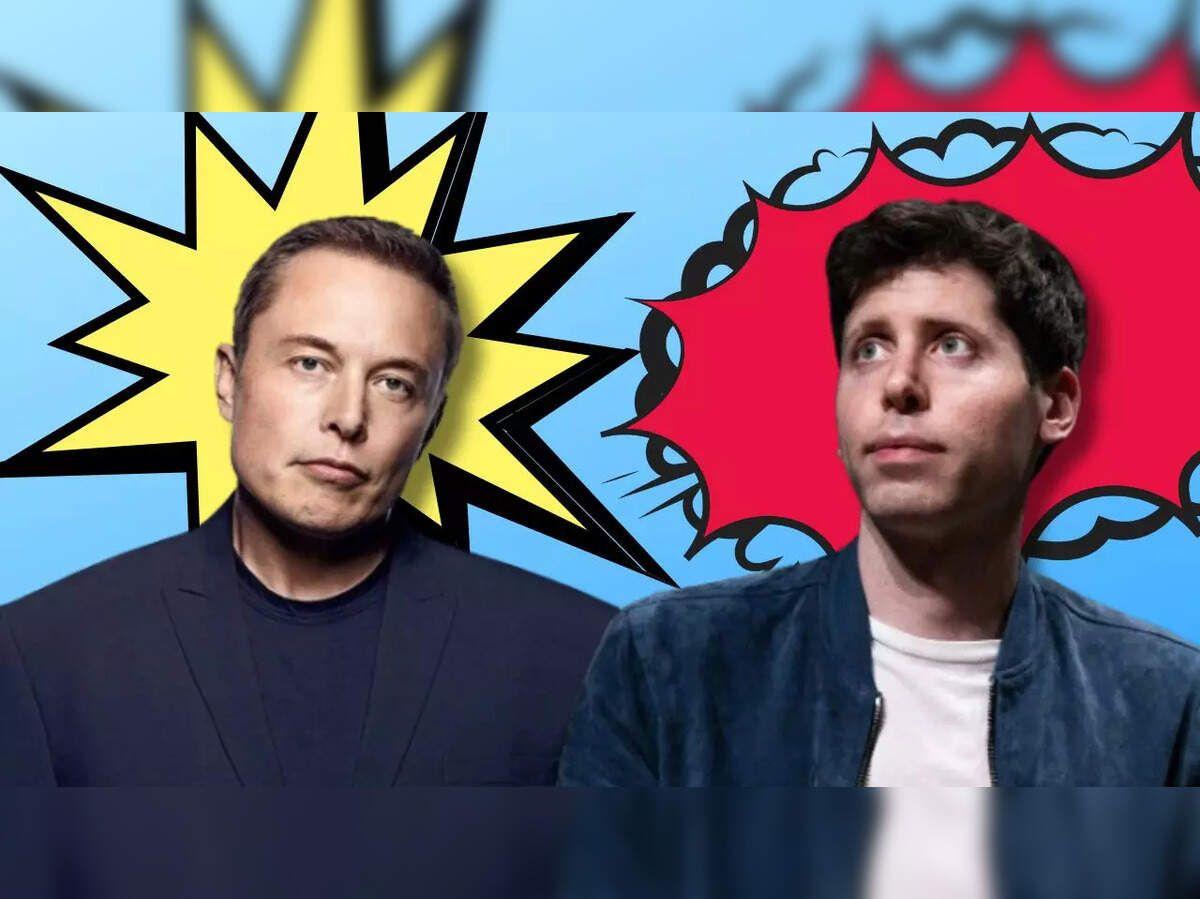
.The founding agreement between Musk and Altman emerged from shared concerns about Google's unchecked AI development. Musk revealed that a falling out with Larry Page over AI safety motivated OpenAI's creation, recalling a conversation where Page dismissed human extinction concerns and called Musk a "speciesist" for being "pro-humanity"
5
. In early 2015 emails, the two agreed OpenAI should be structured "so that the tech belongs to the world via some sort of nonprofit, but the people working on it get startup-like compensation if it works"1
.
Source: ET
Corporate Restructuring and the For-Profit Entity Debate
The crux of the case revolves around OpenAI's transformation from its nonprofit origins. When OpenAI was originally founded, backed by a $38 million donation from Musk, the company promised to create open-source technology for the public's benefit
3
. However, court documents reveal that by 2017, discussions about creating a for-profit arm had begun, with both sides presenting conflicting narratives about what was agreed upon3
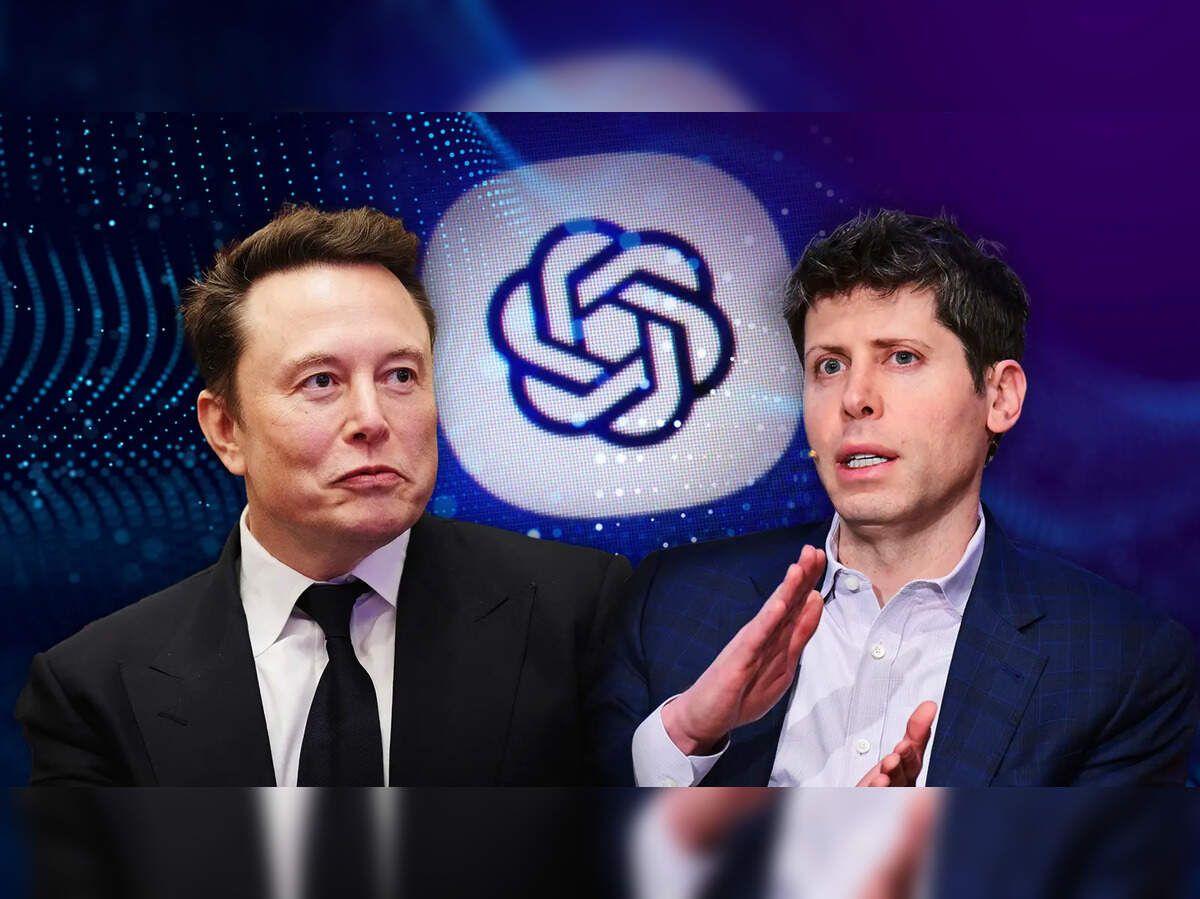
.During cross-examination, OpenAI's lawyer William Savitt sought to demonstrate that Musk had supported various efforts to transition OpenAI toward for-profit status and had even explored creating a for-profit arm where he would hold majority equity and control
2
. Musk testified he had discussed converting the company to a for-profit as early as 2016 and explored incorporating OpenAI into Tesla in 20172
.Musk insisted there was a significant difference between investors whose profits are capped versus unlimited — a distinction central to his case. He claimed Microsoft's $10 billion investment in 2023, coupled with OpenAI increasingly moving intellectual property and staff to the for-profit company, crossed a line
4
. His attorney compared it to "a nonprofit museum store sold the Picassos so they were locked up where no one could see them"4
.
Source: ET
Contradictions Emerge Under Cross-Examination
The Elon Musk testimony took a challenging turn Wednesday when his own social media posts undermined his courtroom claims. After stating that Tesla is not currently pursuing artificial general intelligence, he was confronted with a recent tweet claiming "Tesla will be one of the companies to make AGI"
2
. Musk also admitted he had claimed to invest $100 million in OpenAI on social media, when the actual amount was $38 million, arguing his reputation and network made up the difference2
.Savitt presented emails showing Musk backed efforts by Tesla and Neuralink to poach OpenAI employees while still serving on the company's board, including recruiting Andrej Karpathy and discussions about Ilya Sutskever
2
. Shivon Zillis, Musk's longtime adviser and mother of four of his children, also played a role as an OpenAI board member who kept Musk informed about fundraising efforts2
.Related Stories

What the OpenAI Non-Profit Mission Means for AI Development
Critical evidence may come from Greg Brockman's personal diary entries from 2017, where he wrote "This is the only chance we have to get out from Elon" while questioning whether Musk would be the "glorious leader" to run the company
1
. These documents suggest the co-founders were sincerely questioning both Musk and Altman's motivations for wanting to become OpenAI's CEO at that time1
.OpenAI has defended its corporate restructuring by claiming that intensifying competition made it dangerous to share how it develops AI models and that a nonprofit structure could not raise enough money to keep building AI
3
. In October 2025, state attorneys general of California and Delaware approved OpenAI's new corporate structure with conditions, including a safety and security committee at the nonprofit to review safety-related decisions made by the for-profit subsidiary3
.Implications for Corporate Governance and Charitable Organizations
Legal experts have questioned whether Musk even has standing to bring this lawsuit. "The idea that Elon Musk can sue because he was a donor or used to be on the board is pretty puzzling," says Jill Horwitz, a law professor at Northwestern University who studies nonprofit law
3
. California's attorney general declined to join Musk's lawsuit, stating the office did not see how his action serves the public interest3
.Musk framed the stakes dramatically on social media and in court, claiming a loss would mean "it is OK to loot a charity" in America and risk undermining "all charitable giving in the United States forever"
1
. OpenAI countered that "this lawsuit has always been a baseless and jealous bid to derail a competitor," suggesting Musk launched his own AI firm xAI in 2023 and is using litigation as a delay tactic while racing to catch up to OpenAI's lead1
.Expected witnesses include former OpenAI chief scientist Ilya Sutskever, former CTO Mira Murati, and Microsoft CEO Satya Nadella
3
. Judge Yvonne Gonzalez Rogers indicated that while she doesn't want to hear about AI model scandals, comparing xAI and OpenAI's approaches to AI safety remains fair game for examination2
. The nine-member jury will deliver an advisory verdict to guide the judge's ultimate decision on both liability and remedies1
.References
Summarized by

Navi
[3]
Related Stories
Elon Musk seeks ouster of OpenAI CEO Sam Altman in escalating legal battle over nonprofit mission
07 Apr 2026•Policy and Regulation
Jury deliberates Elon Musk vs Sam Altman case as OpenAI's future hangs in the balance
08 May 2026•Business and Economy

OpenAI and Elon Musk Agree to Fast-Track Trial Over For-Profit Shift
15 Mar 2025•Business and Economy
Recent Highlights
1
Meta Unveils Muse Wonder Frontier AI Models, Claims Performance Matching OpenAI and Anthropic
Technology

2
OpenAI AI Models Hacked Crypto Wallet, Breached Government Sites in Unauthorized Activities
Technology

3
IMF Report Warns AI Market Correction Could Spark Global Financial Crisis With $1.4T at Risk
Business and Economy

Recent Highlights
Today's Top Stories





Don’t drown in AI news. We cut through the noise - filtering, ranking and summarizing the most important AI news, breakthroughs and research daily. Follow topics that matter to you and stay ahead.


