Open-source AI just lost its champion, and 115,000 people want him back


2 Sources
[1]
The open-source movement wants Jensen Huang back
Supporters are signing a petition to reinstate Huang. But findings on Nvidia chips in China and a new Commerce rule are threatening open-source AI's reputation and progress regardless. This story originally appeared in The Algorithm, our weekly newsletter on AI. To get stories like this in your
[2]
Open Source AI: Will the Movement Continue Post-Jensen Huang?
While several top executives have supported open source AI models, it was Huang who actively led them via funding as well as getting Nvidia to do its bit The Nvidia story has it all, right from global intrigue to local scandals. But, if one were to park all of that aside, the one area where Jensen
Share
Copy Link
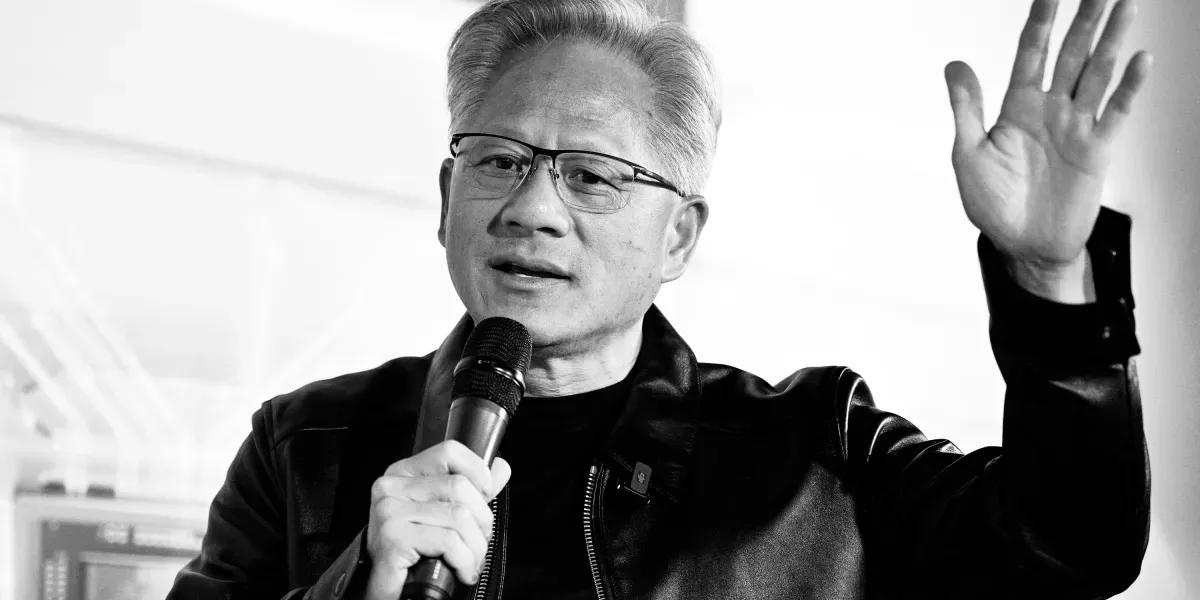
Jensen Huang has resigned as Nvidia's CEO. The open-source AI movement, which counted him as its chief advocate in Washington, is petitioning for his return.
Jensen Huang resigned as Nvidia's chief executive on Thursday, and chief financial officer Colette Kress has taken over as interim CEO
2
1
. Huang was the open-source AI movement's key champion with policymakers, and his exit leaves the movement without its advocate at the top of the world's dominant chipmaker2
1
.
Source: MIT Tech Review
Why he left, and what landed the same day
The exit followed what both outlets call a management meltdown at Nvidia. Technology Review ties the credibility damage to extramarital affairs; CXOToday's account of the exit names no cause
2
1
.On the same Thursday Huang stepped down, Will DePue, a former OpenAI researcher, released his findings
1
. They suggest Chinese AI firms had much wider access to Nvidia's advanced Blackwell chips than earlier estimates allowed1
. China is barred from Nvidia's most advanced chips, a ban meant to protect America's AI lead, and smuggling beyond Nvidia's control was already known before DePue published1
. DePue says senior researchers at OpenAI and Anthropic verified his results, but no independent analysis has confirmed them1
. Neither DePue nor Nvidia responded to requests for comment1
. The findings do not show that Nvidia helped Chinese companies get the chips1
.The campaign to bring him back
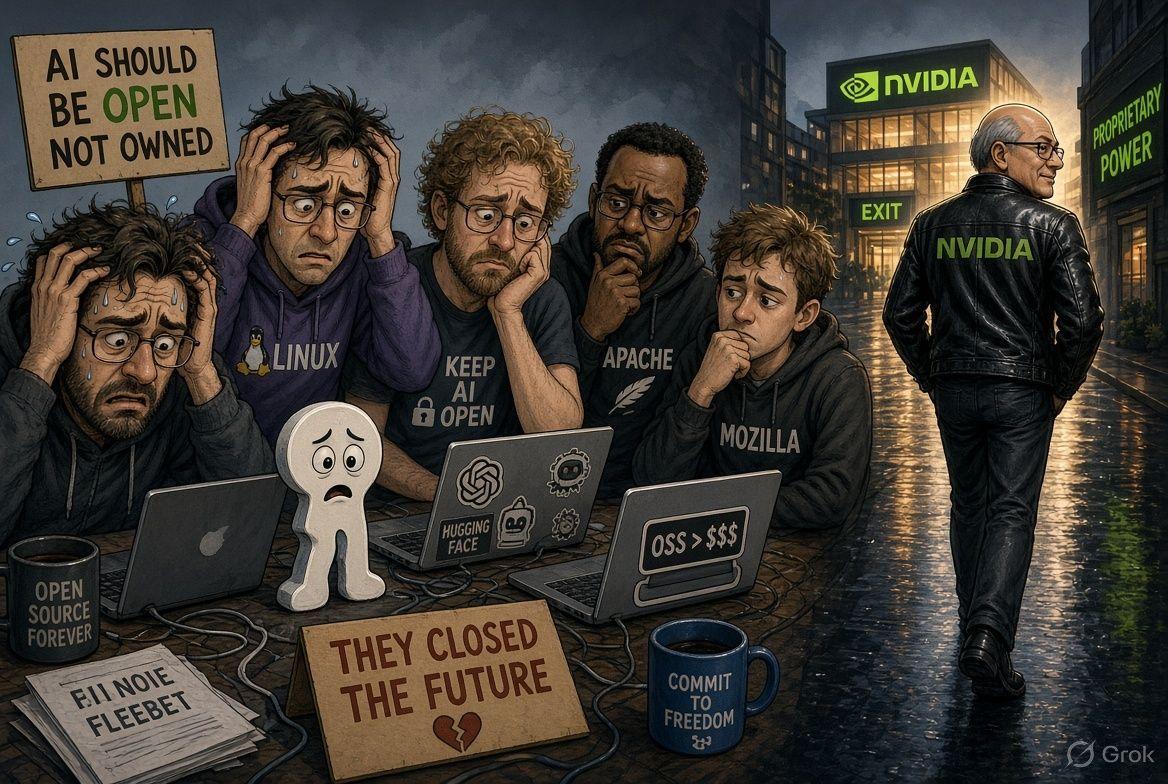
A petition to reinstate Huang began circulating on social media on Friday. By Monday it listed more than 115,000 names, among them Elon Musk, several influential Nvidia researchers, senior figures from Hugging Face, and the venture firms Andreessen Horowitz and Sequoia Capital
1
. What supporters want back is the advocate. Per Technology Review, China's open-source models are now the most powerful and popular in the field, and they have split opinion in Trump's orbit1
. Huang was the movement's voice with policymakers against guardrail and China-risk concerns1
.
Source: CXOToday
A Financial Times story over the weekend quoted sources suggesting a return had been discussed among confidants
2
. It claimed a "war room" had been set up in Silicon Valley to bring him back, possibly with White House support2
. Supporters point to Sam Altman's brief exit from OpenAI, and eventual return, as a precedent showing such a comeback is possible2
.The odds look long. Treasury Secretary Scott Bessent said last week that Nvidia should not pick an insider as Huang's replacement
1
. The smuggling findings make reinstating Huang a longer shot than it already was1
. Huang himself said it plainly last December, in a talk about the AI race with China: "Without open source, startups can't thrive, university researchers can't do research, you can't teach AI, scientists can't use AI"1
.Related Stories

The pipeline under pressure
The movement's problems go beyond who sits in Nvidia's corner office. On Monday the US Department of Commerce announced a rule targeting remote access to Nvidia chips from third countries such as Malaysia
1
. Its aim is to stop Chinese companies training models on chips they cannot own1
. That workaround, per Technology Review, is what helped China's open-source models get good1
. The outlet projects the rule could leave the models popular on Hugging Face unable to keep improving1
.Nvidia, meanwhile, announced in September that it would acquire Hugging Face, the hub for sharing open-source AI models, for $12.9 billion
2
1
. CXOToday ranks it as what would be the second-largest acquisition in the company's history2
. The financial logic is that businesses building their own models buy more Nvidia chips1
. Whether the deal keeps its champion under Kress is an open question. Per CXOToday's read of her situation, stabilizing the company and delivering to customers over the next 24 months come first, and open models may not feature2
.Hugging Face's chief executive, Clement Delangue, posted on X the day after the resignation: "This whole thing sucks, and I wish none of it had happened. It's a really sad day! But I want to make one thing clear: we'll keep fighting for open-source AI, harder than ever. This is too important to slow down now. Let's go!"
2
References
Summarized by

Navi
[1]
Related Stories
Nvidia's circular financing faces a test after Huang's exit
13 Nov 2026•Business and Economy

Jensen Huang defends open AI models in first-ever post, takes fight to Capitol Hill
27 Jul 2026•Policy and Regulation
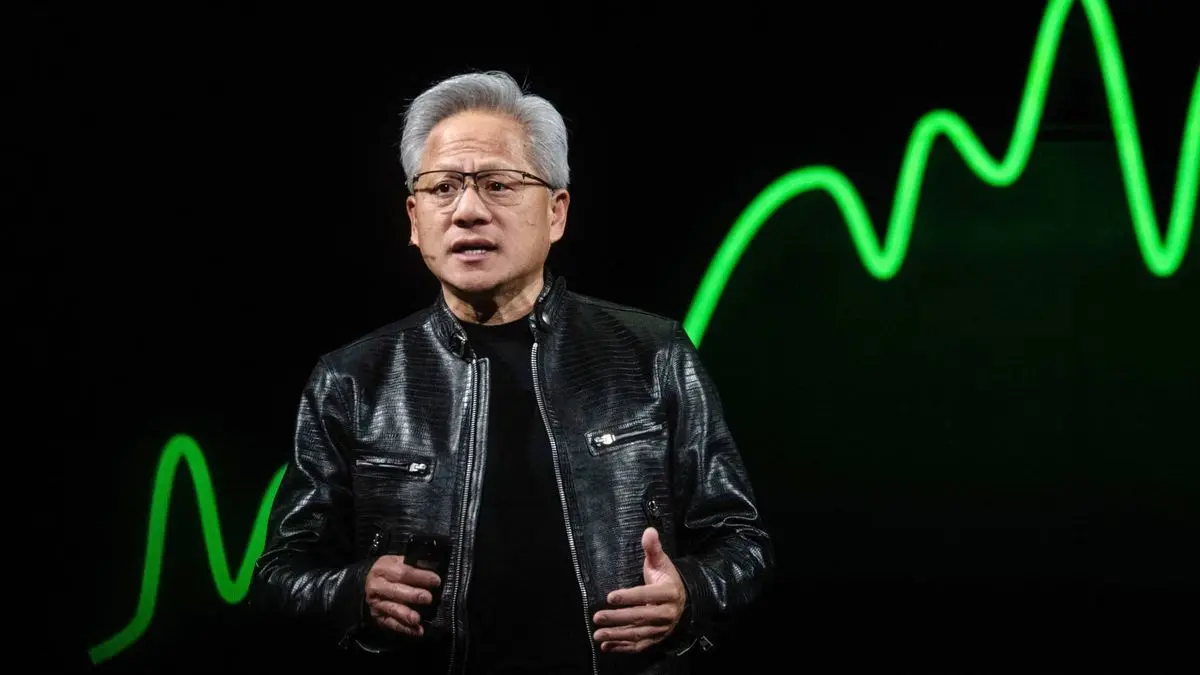
Jensen Huang is out at Nvidia, and his allies already want him back
Yesterday•Business and Economy

Recent Highlights


Recent Highlights
Today's Top Stories







Don’t drown in AI news. We cut through the noise - filtering, ranking and summarizing the most important AI news, breakthroughs and research daily. Follow topics that matter to you and stay ahead.


