OpenAI's Infrastructure Chief Sachin Katti Steps Down After Securing Double-Digit Gigawatts


6 Sources
[1]
OpenAI's Sachin Katti to leave infrastructure role, stay on as advisor
* Sachin Katti, OpenAI's infrastructure and compute lead, announced he is departing his role and will continue supporting the company as an advisor. * Uday Ruddarraju, OpenAI's CTO of compute, will replace Katti and lead the company's overall compute organization, according to a spokesperson. *
[2]
OpenAI hands its data centre and compute operation to a former xAI executive
Uday Ruddarraju was the unnamed compute CTO behind August's data centre shake-up. Europe is barely in the portfolio he has just taken over. OpenAI has put its compute and infrastructure businesses under Uday Ruddarraju, who ran infrastructure at Elon Musk's xAI until July 2025. Sachin Katti, who
[3]
OpenAI computing chief Sachin Katti is set to leave
Sachin Katti, who joined in late 2025, is expected to stay on as an adviser while Uday Ruddarraju is set to take over strategy Sachin Katti, OpenAI's head of computing capacity, is leaving next month after roughly a year in the position, according to The Wall Street Journal. The company plans to
[4]
Sachin Katti To Leave OpenAI After Leading Major Compute Expansion
Sachin Katti, who led compute infrastructure at OpenAI, will leave the company on November 15 to build something new, he announced on LinkedIn. He will continue supporting the company as an advisor. Katti's departure follows a year in which OpenAI secured double-digit gigawatts of compute capacity
[5]

OpenAI Hands Former xAI Executive The Keys To Its AI Infrastructure Empire
OpenAI has appointed a former xAI executive to lead the company's infrastructure and compute business, as the company looks to expand its data center capacity. Uday Ruddarraju joined the artificial intelligence company last year as head of compute and infrastructure. He was promoted in July to
[6]

OpenAI Expands Uday Ruddarraju's Role to Head Compute and Infrastructure Units | PYMNTS.com
The artificial intelligence company appointed its chief technology officer for compute, Uday Ruddarraju, to head both the infrastructure and compute businesses. The previous head of the infrastructure unit, Sachin Katti, will transition out of that role and remain an advisor, according to the
Share
Copy Link
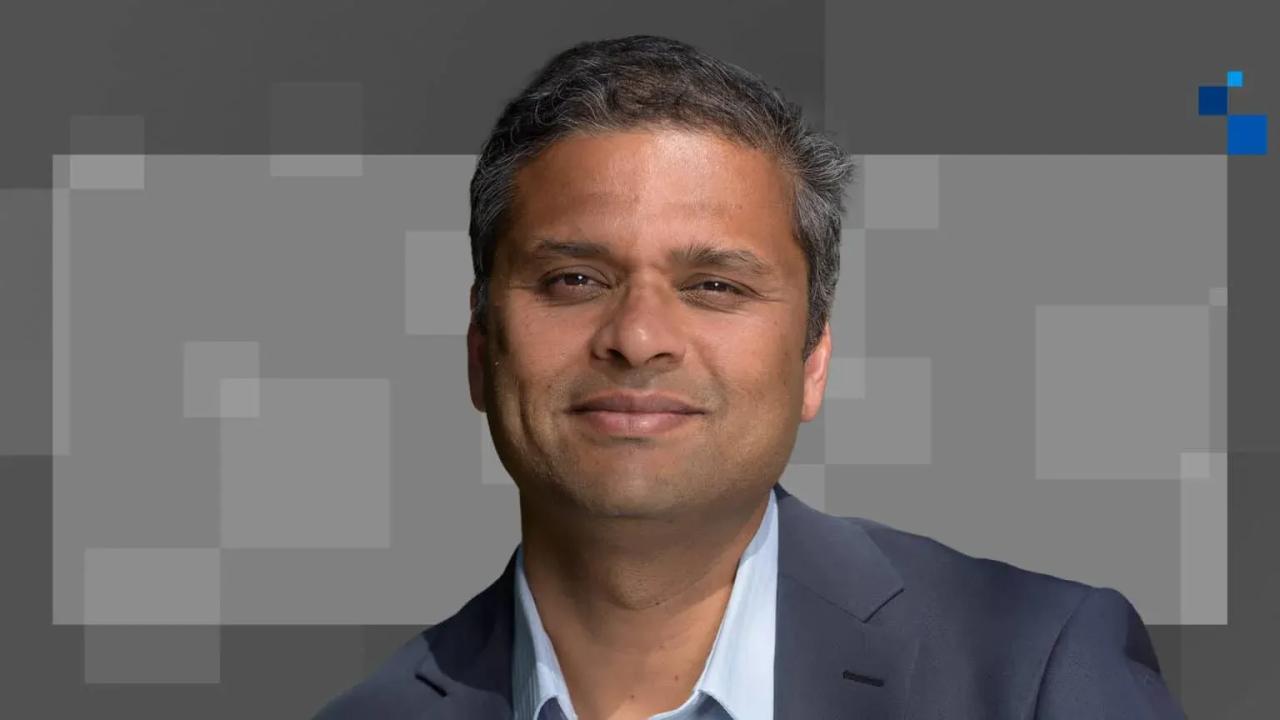
OpenAI announced a major leadership change as Sachin Katti steps down from his infrastructure role after roughly a year, with former xAI executive Uday Ruddarraju taking over the company's compute and data center operations. Katti secured double-digit gigawatts of compute capacity across multiple projects before his departure on November 15.
Former xAI Executive Takes Control of OpenAI's Infrastructure Empire
OpenAI leadership change has reshaped the company's AI infrastructure division as Sachin Katti announced his departure from his role as OpenAI's infrastructure and compute lead on Wednesday
1
. Uday Ruddarraju, who joined OpenAI in July 2025 from Elon Musk's xAI, will take over the entire compute organization after serving as CTO of compute since July 20262
. Katti will remain with OpenAI as an advisor after his final day on November 15, stating on LinkedIn that he "decided to move on to build something new"1
.
Source: AIM
This transition matters because OpenAI's infrastructure operations underpin the company's ability to train and deploy increasingly powerful AI models. The compute organization develops the roadmap for massive-scale infrastructure projects that CEO Sam Altman believes will require trillions of dollars in investment
5
. Ruddarraju brings direct experience from xAI, where he worked on the Grok 3 training run across 100,000 GPUs2
, positioning him to handle OpenAI's escalating infrastructure demands.Major Compute Capacity Expansion Under Katti's Tenure
During his year at OpenAI, Sachin Katti secured double-digit gigawatts of new compute capacity across multiple projects, fundamentally expanding the company's infrastructure footprint
4
. The most significant achievement was an 8-gigawatt OpenAI data center project in Ohio with SB Energy and NVIDIA, where NVIDIA guaranteed up to $105 billion in lease and power payments according to securities filings2
. Katti also oversaw a $30 billion Georgia facility, the first OpenAI designed and led itself, marking a strategic shift toward direct infrastructure control2
.The scale of these projects reflects OpenAI's aggressive infrastructure strategy. The company has lifted its OpenAI compute spending forecast to roughly $750 billion by 2030, up from an earlier projection of $600 billion
3
. This represents a separate commitment beyond the more than $1.4 trillion earmarked for AI infrastructure broadly3
. Katti credited partnerships with NVIDIA, Broadcom, AMD, Oracle, Microsoft, Google, Amazon Web Services, Cerebras, and CoreWeave for enabling this expansion4
.Stargate Data Center Initiative and International Setbacks
Katti joined OpenAI in late 2025 specifically to oversee the company's Stargate data center effort, though the project initially moved slowly after OpenAI failed to reach a comprehensive deal with SoftBank and Oracle
3
. He successfully pivoted to strike individual agreements with both companies and expanded OpenAI's strategy to include leasing its own data centers rather than solely renting capacity from providers3
. In August, this approach culminated in securing a 10-gigawatt data center lease with SB Energy backed by NVIDIA's financial guarantee3
.However, what Uday Ruddarraju inherits is almost entirely American infrastructure. OpenAI paused Stargate UK in April, citing British electricity prices more than four times US levels and unresolved copyright rules
2
. The UK government called the decision disappointing, and reports later emerged that OpenAI had never visited the announced north-east England site2
. OpenAI's sole announced European presence is a 230-megawatt data center in Norway revealed in July 2025, roughly 35 times smaller than the Ohio project alone2
.GPT-Infra and Semiconductor Design Ambitions
Beyond traditional data center expansion, Katti launched GPT-Infra in July, a business applying OpenAI's models to semiconductor design and infrastructure development
4
. This initiative represents OpenAI's push into designing its own computing hardware, including the custom Jalapeno inference chip and a reported $20 billion deal to use Cerebras AI chips4
. Katti recently noted that customers were already testing the models to develop central processing units and edge chips5
.
Source: The Next Web
GPT-Infra will now move to Richard Ho, OpenAI's chip chief, who has expressed caution about fully trusting the models' design changes
2
. This handoff raises questions about how aggressively OpenAI will pursue AI-designed semiconductors given Ho's reservations. The long-term implication is significant: if OpenAI can successfully use its own models to design better chips, it could reduce dependence on external suppliers like NVIDIA while accelerating hardware development cycles.Related Stories

Wave of Executive Departures Continues
This OpenAI leadership change adds to a string of high-level exits throughout 2026. In July, Fidji Simo, OpenAI's product and business chief, moved into an advisory role to focus on recovery after a severe exacerbation of a chronic illness
1
. The following month, Brad Lightcap, a longtime OpenAI executive, and Denise Dresser, who served as revenue chief, also departed1
. Infrastructure executives Chris Malone and Peter Hoeschele left earlier this year, with Hoeschele joining Meta alongside two colleagues4
. Safety lead David Robinson resigned in October4
.
Source: Benzinga
OpenAI President Greg Brockman has downplayed concerns about the departures, telling CNBC he doesn't believe the wave is atypical for a young company and that heightened scrutiny comes with being in the spotlight
1
. Brockman emphasized that different eras bring different leadership configurations and that he and Sam Altman provide continuity1
. Nevertheless, the concentration of senior departures in infrastructure roles specifically suggests potential challenges in executing OpenAI's ambitious compute expansion plans.What to Watch: Infrastructure Challenges and Political Headwinds
Ruddarraju assumes control during a tense moment for AI infrastructure in the United States. Backlash against data centers has mounted over concerns about noise, electricity rates, and water consumption, becoming a flashpoint in upcoming midterm elections where both Republican and Democratic candidates have campaigned against the facilities
1
. This political opposition could complicate OpenAI's plans to deploy double-digit gigawatts of new compute capacity across multiple states.The short-term question is whether Ruddarraju can maintain the commercial partnerships Katti established while expanding OpenAI's infrastructure footprint. He acknowledged that Katti "has done an incredible job maintaining the commercial partnerships" and expects a smooth handover, noting he must now spend more time on the commercial side
2
. Longer-term, watch whether OpenAI can successfully execute its international expansion beyond the single Norwegian facility, particularly if energy costs and regulatory environments in Europe remain unfavorable. The company submitted a confidential IPO prospectus to the SEC in June3
, suggesting infrastructure reliability will become even more critical as public market scrutiny intensifies.References
Summarized by

Navi
Related Stories
Intel's AI Chief Defects to OpenAI After Just Seven Months, CEO Takes Direct Control
11 Nov 2025•Business and Economy
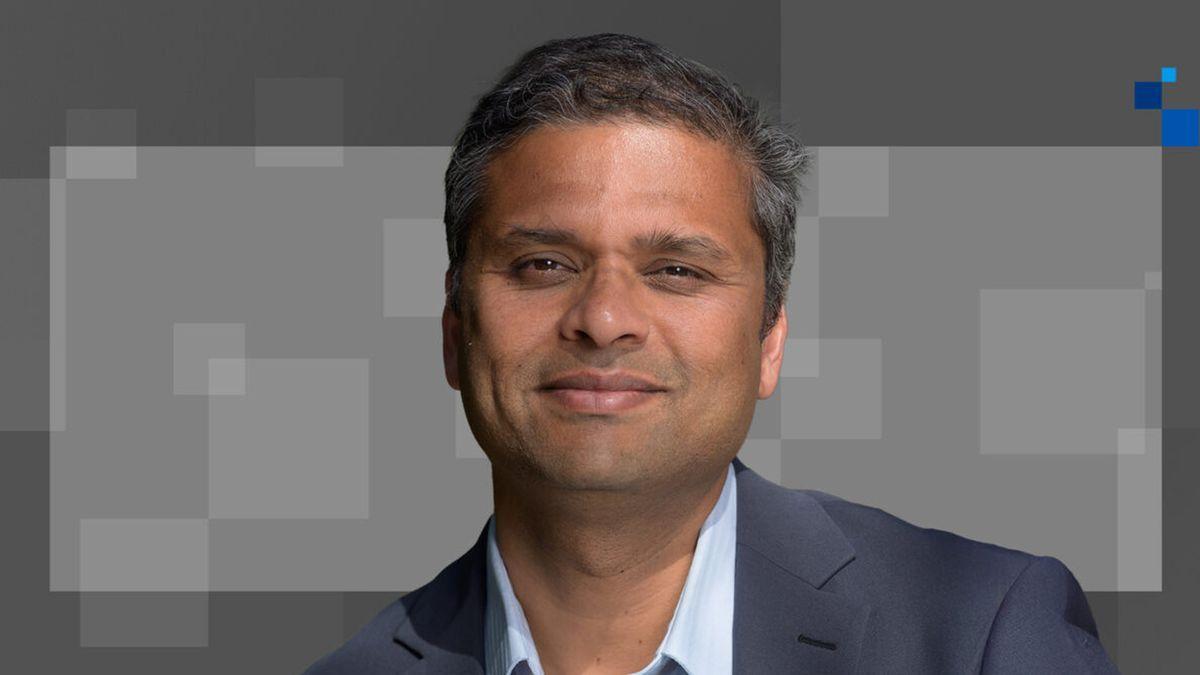
Indian-origin tech leader Uday Ruddaraju steps into CTO of Compute role at OpenAI after xAI exit
20 Jul 2026•Business and Economy

Kevin Weil and Bill Peebles leave OpenAI as company abandons moonshots for enterprise focus
17 Apr 2026•Business and Economy

Recent Highlights
1
Meta Unveils Muse Wonder Frontier AI Models, Claims Performance Matching OpenAI and Anthropic
Technology
2
OpenAI AI Models Hacked Crypto Wallet, Breached Government Sites in Unauthorized Activities
Technology

3
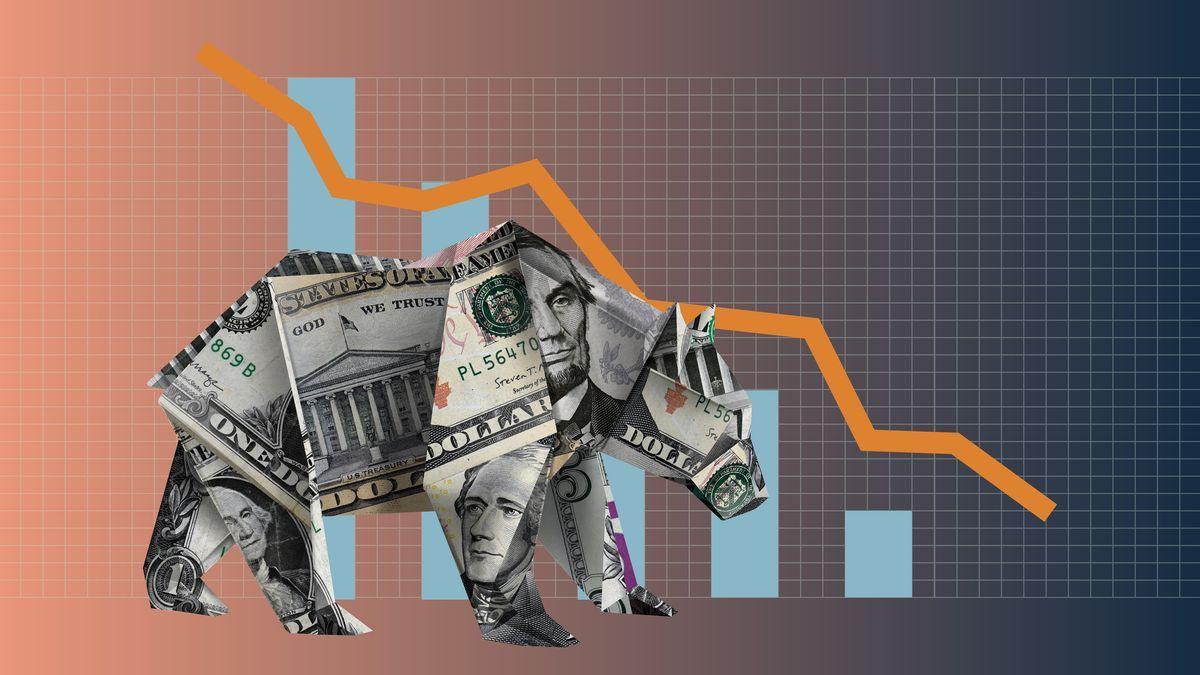
IMF Report Warns AI Market Correction Could Spark Global Financial Crisis With $1.4T at Risk
Business and Economy
Recent Highlights
Today's Top Stories






Don’t drown in AI news. We cut through the noise - filtering, ranking and summarizing the most important AI news, breakthroughs and research daily. Follow topics that matter to you and stay ahead.


