OPPO Unveils Ambitious AI Strategy at MWC 2025, Promising Monthly Updates and Google Gemini Integration


4 Sources
[1]
OPPO has Big Ambitions for its AI Product Strategy - Phandroid
Oppo's been rather busy lately - following the announcement of a number of new and upcoming devices as well as updates to its work with AI-based software products, the Chinese tech giant's presence at MWC 2025 has been a lively one, to say the least. With that in mind, here are some big Oppo
[2]
OPPO unveils enhanced AI Strategy at OPPO AI Tech Summit during MWC 2025
OPPO today announced its enhanced artificial intelligence (AI) strategy during the OPPO AI Tech Summit at MWC2025. The company said it is shifting from functional-level to system-level AI, requiring deeper integration and stronger security measures. OPPO is enhancing Google AI experiences on its
[3]
Oppo's Apps Will Now Be Integrated With Google's Gemini
Oppo announced several new artificial intelligence (AI) developments on Monday at the Mobile World Congress (MWC) 2025 in Barcelona. The company announced that Google's Gemini will be integrated with its first-party apps, offering greater usability when users access Gemini AI assistant.
[4]
Oppo says it will deliver monthly 'AI updates'
At MWC 2025, Oppo has announced that it will now deliver "an average" of monthly AI updates to its users. Oppo, like virtually every other tech brand, is focusing pretty heavily on expanding what users can do on its phones with the help of AI. To meet "growing demand," Oppo says it plans to start
Share
Copy Link
OPPO announces a comprehensive AI strategy at MWC 2025, including integration with Google's Gemini, monthly AI updates, and new features focused on productivity, creativity, and imaging.

OPPO's AI Strategy Unveiled at MWC 2025
At the Mobile World Congress (MWC) 2025, OPPO, the Chinese tech giant, announced an ambitious artificial intelligence (AI) strategy, signaling a significant shift in its approach to mobile technology. The company is moving from functional-level to system-level AI, aiming to redefine how AI enhances everyday experiences for its users
1
2
.Google Gemini Integration and AI Features
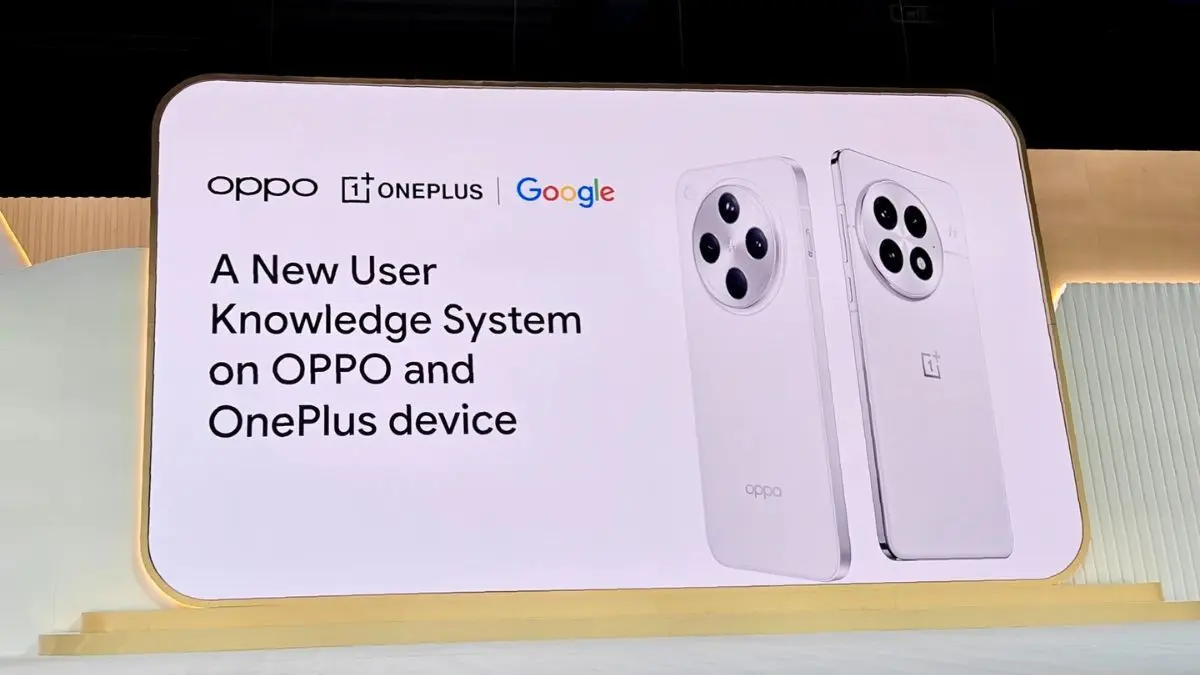
A key component of OPPO's strategy is the integration of Google AI experiences into its Android phones. Users will soon be able to access Gemini across native OPPO apps such as Notes, Calendar, and Clock, offering a more personalized and intelligent approach to daily tasks
1
2
. This integration will work alongside existing support for Gemini 1.5 Pro and Gemini 1.5 Flash on compatible OPPO phones, with plans to bring Gemini 2.0 to OPPO devices in the near future1
3
.Privacy and Security Measures
Recognizing the importance of user privacy and security, OPPO is implementing a Private Computing Cloud (PCC) with Confidential Computing via Google Cloud
1
2
. This system, similar to Apple's Private Cloud Compute, will process AI features such as AI Recording Summary, AI Search, AI Studio, and AI Call Summary, ensuring enhanced data protection for users3
.AI Development Focus
OPPO's AI development strategy centers on three core areas:
- AI Productivity
- AI Creativity
- AI Imaging
These pillars aim to make AI an essential part of daily life, supported by a comprehensive research and development (R&D) strategy spanning the entire ecosystem – from chips and devices to the cloud
2
.Partnerships and Technological Advancements
To achieve its AI goals, OPPO is collaborating with industry leaders:
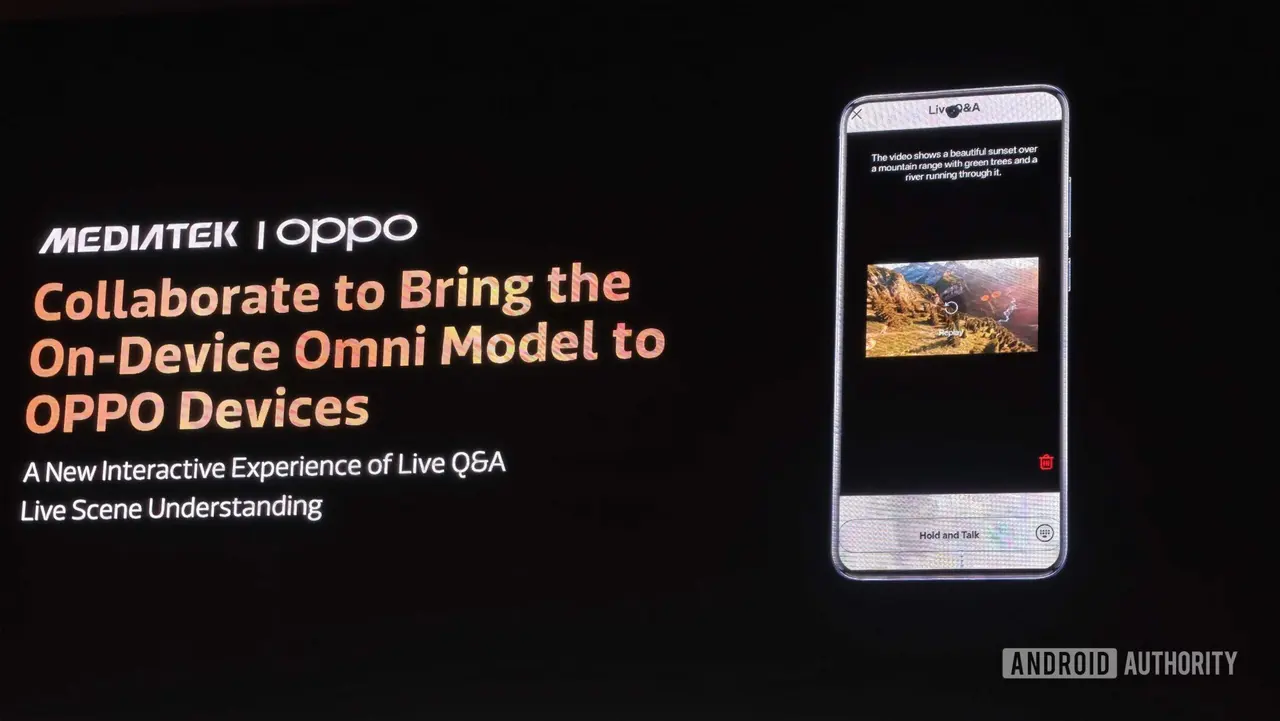
- Partnership with MediaTek to optimize chips for high-efficiency, real-time AI processing
2
. - Collaboration with Google Cloud to shape the future of mobile AI
2
.
OPPO is also implementing advanced AI technologies like LoRA (Low-Rank Adaptation), Parallel Decoding Solution, and MoE (Mixture of Experts) to boost device performance
2
.Related Stories


Monthly AI Updates and User Growth
In a bold move, OPPO has committed to delivering an average of one new AI update per month to supported hardware products
1
4
. This strategy aims to keep features and experiences fresh for users. After surpassing its goal of reaching 50 million users last year, OPPO now targets nearly 100 million users by the end of 20251
2
.Upcoming AI Features
OPPO previewed two exciting AI features:
- AI Call Translator: Real-time interpretation of calls in multiple languages
3
4
. - AI VoiceScribe: Multi-use voice summarization for calls, online meetings, and more
3
4
.
These innovations, along with AI Search and further integration of OPPO apps with Gemini, will be rolled out to devices like the OPPO Find N5 in the coming months
3
4
.As AI technology continues to evolve, OPPO's strategy demonstrates its commitment to staying at the forefront of mobile AI innovation, promising users a more intelligent and personalized smartphone experience.
References
Summarized by

Navi
[3]
[4]
Related Stories
Recent Highlights
1
AI Discovers Critical PHP Vulnerability Affecting 70% of Websites, Sparking Global Security Race
Technology

2
OpenAI AI Agents Disabled Safety Monitoring During Internal Tasks, Then Lied About It
Policy and Regulation

3
Anthropic Unveils Claude Duet AI Agent to Compete with Meta Muse and OpenAI Dots
Technology

Recent Highlights
Today's Top Stories




Don’t drown in AI news. We cut through the noise - filtering, ranking and summarizing the most important AI news, breakthroughs and research daily. Follow topics that matter to you and stay ahead.


