Oracle Cancels $7 Billion Tencent AI Chip Deal After Trump Administration Pressure


4 Sources
[1]
Oracle cancels $7bn Tencent AI deal under Trump pressure
Intervention comes amid growing tension for US AI infrastructure groups doing business with Chinese tech giants Oracle has scrapped a multibillion-dollar chip leasing contract with Tencent after bowing to pressure from the Trump administration, in a sign of rising tensions for US cloud providers
[2]
Oracle cancels $7B Tencent AI chip lease under US pressure, FT reports
US officials raised concerns about the five-year deal, which would have given Tencent 100,000 AI chips in Southeast Asia. Oracle has scrapped a chip leasing deal with Tencent worth an estimated $7bn after the Trump administration leaned on it, according to a Wednesday report in the Financial
[3]
Oracle Cancels USD 7 Billion Tencent AI Chip Deal After US Pressure
Oracle has canceled a USD 7 billion deal to lease AI chips to Tencent, the Financial Times reported. US officials raised concerns beforehand. Tencent also faced pressure at home to back Chinese chip makers. The case shows how government pressure can sink cross-border tech deals. Oracle has
[4]
Oracle abandons $7 billion Tencent AI deal under Trump pressure, FT reports
Nov 4 (Reuters) - Oracle has canceled a multibillion-dollar chip leasing contract with Tencent after bowing to pressure from the Trump administration, the Financial Times reported on Wednesday. o US officials approached Oracle to raise concerns about the Tencent deal, the newspaper said, citing
Share
Copy Link
Oracle has scrapped a five-year, $7 billion chip leasing contract with Tencent following intervention from the Trump administration. The deal would have given Tencent access to 100,000 advanced AI chips across Oracle data centers in Southeast Asia—chips unavailable in China due to export restrictions from both Washington and Beijing.
Oracle Cancels Major AI Infrastructure Deal Under Political Pressure
Oracle has canceled a $7 billion chip leasing contract with Chinese tech giant Tencent after facing pressure from the Trump administration, according to a report by the Financial Times
1
. The five-year Oracle Tencent deal, first reported in September, would have provided Tencent access to approximately 100,000 advanced AI chips across multiple Oracle data centers in Southeast Asia2
. US officials approached Oracle to raise concerns about the agreement, leading to its cancellation1
. This marks Tencent's largest overseas leasing deal and represents a significant setback for the company's AI ambitions. The cancellation demonstrates how US-China tensions are reshaping cross-border AI infrastructure agreements and limiting pathways for Chinese firms to access cutting-edge computing resources.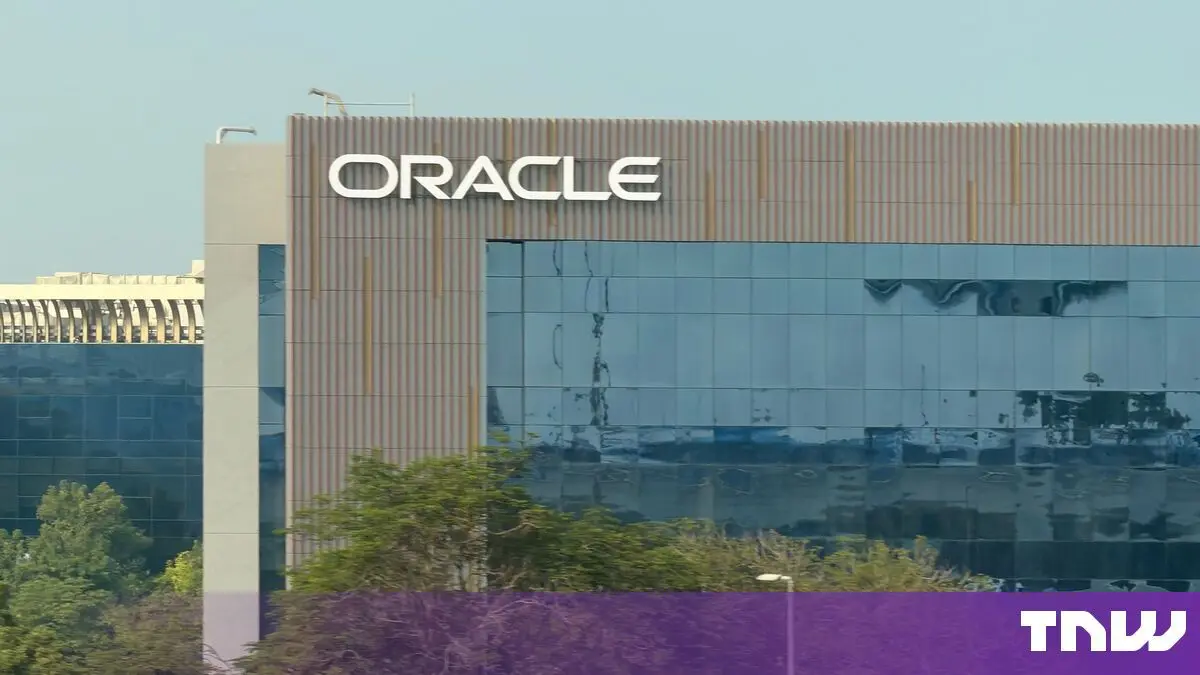
Source: The Next Web
Dual Pressure From Washington and Beijing
The Oracle Tencent deal faced opposition from both sides of the Pacific. While pressure from Trump administration officials led Oracle to abandon the contract, Tencent simultaneously received visits from senior officials in Guangdong province, where the company is headquartered
1
. These Chinese officials urged Tencent to support domestic chip development rather than relying on foreign suppliers2
. This dual pressure illustrates the complex geopolitical rivalries shaping AI development. Under the original terms, Tencent would have paid approximately 30% of the $7 billion value upfront2
. The lease would have granted access to advanced AI chips that US export controls and Chinese regulations keep out of China3
. Oracle, Tencent, and the White House did not respond to requests for comment on the matter4
.Growing Scrutiny of Chinese Access to AI Chips
The cancellation follows broader efforts to restrict Chinese companies' access to advanced computing resources. The Financial Times reported that Nvidia recently instructed cloud computing clients to ensure at least 51% of their services go to non-Chinese companies
1
. This policy change reflects mounting concerns about national security risks associated with Chinese firms accessing cutting-edge AI infrastructure. Chinese tech giants have increasingly turned to overseas data center leases as domestic supply remains constrained and US export controls tighten2
. ByteDance, Alibaba, and Tencent have all placed large orders for Nvidia chips they're permitted to purchase while simultaneously pursuing lease agreements for more powerful processors2
. These lease deals are particularly valuable for large language model training, as domestic Chinese chips cannot yet perform such computationally intensive tasks1
.Oracle's Asian Operations and ByteDance Connections
Oracle maintains significant cloud infrastructure presence in Asia, serving multiple Chinese tech companies. The company operates as a major supplier to ByteDance across several data centers in Malaysia
1
. Oracle previously hosted US customer data for TikTok before joining a consortium that acquired the app's US operations late last year1
. ByteDance and Alibaba remain the largest clients of data centers in Southeast Asia, with Tencent working to catch up through multibillion-dollar leasing agreements1
. The Tencent contract was among several large, long-term deals driving Oracle's rapid expansion of AI cloud capacity2
. Oracle is funding this buildout partly through debt, recently pricing a $20 billion funding round with interest rates reaching 8.65%2
.Related Stories
Market Impact and Industry Implications
Investors have grown cautious about Oracle's AI spending strategy. The company's shares have fallen roughly 50% over the past year as markets weigh potential AI growth against mounting infrastructure costs
2
. The canceled deal represents a significant financial setback and signals heightened political risk for US cloud providers pursuing Chinese clients. Demand from Chinese AI companies in Southeast Asia has intensified as tightening export controls prevent Nvidia's advanced chips from entering China through intermediate locations1
. This has driven up prices, extended contract terms, and increased upfront payment requirements for data center lease agreements1
. The case demonstrates how government pressure can derail major cross-border tech deals3
. Other US cloud companies will likely scrutinize similar arrangements as regulatory oversight intensifies.Tencent's AI Ambitions and Infrastructure Needs
Tencent has dramatically increased infrastructure spending over the past year to close the gap with domestic AI competitors
1
. The company's latest Hunyuan models have demonstrated substantial performance improvements, narrowing the distance to top-tier domestic models like Alibaba's Qwen1
. Tencent is integrating AI agents across WeChat, its dominant messaging platform2
. The loss of the Oracle deal complicates Tencent's ability to secure the computing power necessary for these initiatives3
. Watch for Tencent to either accelerate domestic chip partnerships in response to Guangdong officials' requests or seek alternative overseas providers willing to navigate political headwinds. The cancellation highlights fundamental challenges facing Chinese tech firms as both nations compete to establish AI dominance while restricting each other's access to critical infrastructure components.References
Summarized by

Navi
[3]
[4]
Related Stories
Tencent Locks in 100,000 AI Chips Through $7 Billion Oracle Deal Amid US Export Controls
01 Oct 2026•Business and Economy

Tencent Unfazed by US AI Chip Import Uncertainty, Reports Strong Q2 Results
14 Aug 2025•Business and Economy
China Bans Foreign AI Chips from State-Funded Data Centers, Offers Power Subsidies for Domestic Alternatives
04 Nov 2025•Policy and Regulation

Recent Highlights



Recent Highlights
Today's Top Stories








Don’t drown in AI news. We cut through the noise - filtering, ranking and summarizing the most important AI news, breakthroughs and research daily. Follow topics that matter to you and stay ahead.


