Pentagon Official's Millions in Rival AI Firm Raises Questions in Anthropic Contract Dispute


3 Sources
[1]
Pentagon's Biggest Champion of Blacklisting Anthropic Has a Few Million Reasons for His Stance
When the Pentagon attempted to strong-arm Anthropic over the company's refusal to allow its model to be used for domestic surveillance or fully autonomous weapons deployment, there were apparent standoffs behind the scenes with Defense Secretary Pete Hegseth, but the public push to punish Anthropic
[2]
Scoop: Altman told staff he tried to "save" Anthropic in Pentagon clash
Why it matters: The messages reveal Altman's conflicted thinking as OpenAI swooped in to secure a Pentagon contract Anthropic had just lost -- portraying himself as a peacemaker even as his company emerged as the primary beneficiary. * The Slack messages, paraphrased below, trace Altman's thinking
[3]
Behind the Curtain: How Anthropic's Pentagon deal could get revived
Why it matters: Anthropic is suing the Trump administration for nixing use of Claude, the company's large language model, after the company refused to allow its AI to be used for fully autonomous warfare or mass surveillance of Americans (which the Pentagon says is already illegal). So a
Share
Copy Link
Emil Michael, the Pentagon's Chief Technology Officer who led efforts to blacklist Anthropic over AI usage restrictions, holds $2-10 million in stock from rival firm Perplexity. Meanwhile, Sam Altman claims he tried to mediate the dispute even as OpenAI secured the Pentagon contract Anthropic lost, sparking questions about conflicts of interest in government dealings.
Pentagon Official's Financial Ties Complicate Anthropic Standoff
The Pentagon clash with Anthropic over AI usage restrictions has taken a new turn with revelations about potential conflicts of interest. Emil Michael, the Trump administration's Undersecretary of Defense for Research and Engineering who spearheaded efforts to blacklist AI firm Anthropic, holds $2-10 million in vested and unvested stock in Perplexity, an Anthropic rival
1
. The financial disclosure, filed when Michael took office, also shows he served on Perplexity's board and held positions with Tools for Humanity, run by Sam Altman1
. These financial holdings raise questions about the motivations behind the Department of Defense's aggressive stance against Anthropic, particularly as Perplexity entered an agreement to deploy its AI search engine across federal agencies and is among three companies being considered to host government-provided AI systems1
.
Source: Gizmodo
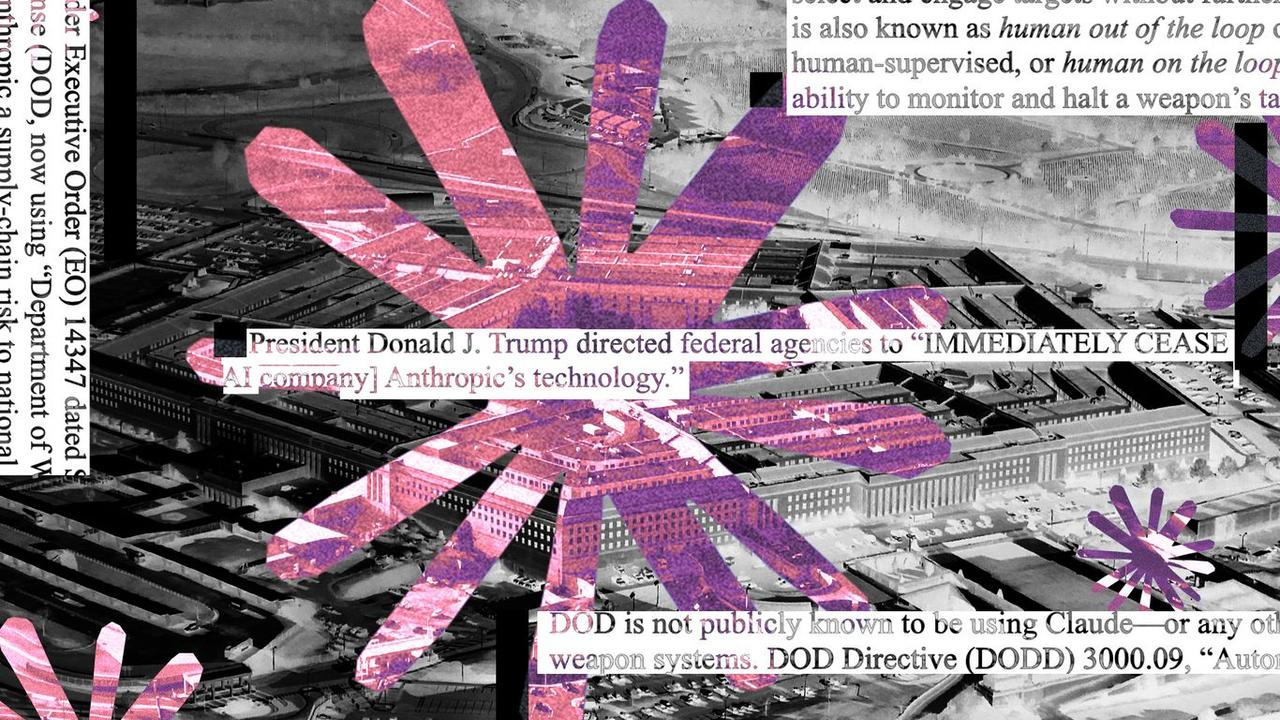
The conflict centers on Anthropic's refusal to allow its large language model Claude to be used for fully autonomous warfare or mass surveillance of Americans. Defense Secretary Pete Hegseth designated Anthropic as a supply chain risk to national security on February 27, demanding the company agree to "all lawful uses" of its AI
3
. US district judge Rita Lin described the Pentagon's decision as "an attempt to cripple Anthropic" during court proceedings1
. Yet even as the Pentagon threatened Anthropic, the Department of Defense continued using Claude during the earliest days of its attack on Iran, highlighting the military's dependence on the technology1
.
Source: Axios
Sam Altman's Role in Securing OpenAI's Pentagon Contract
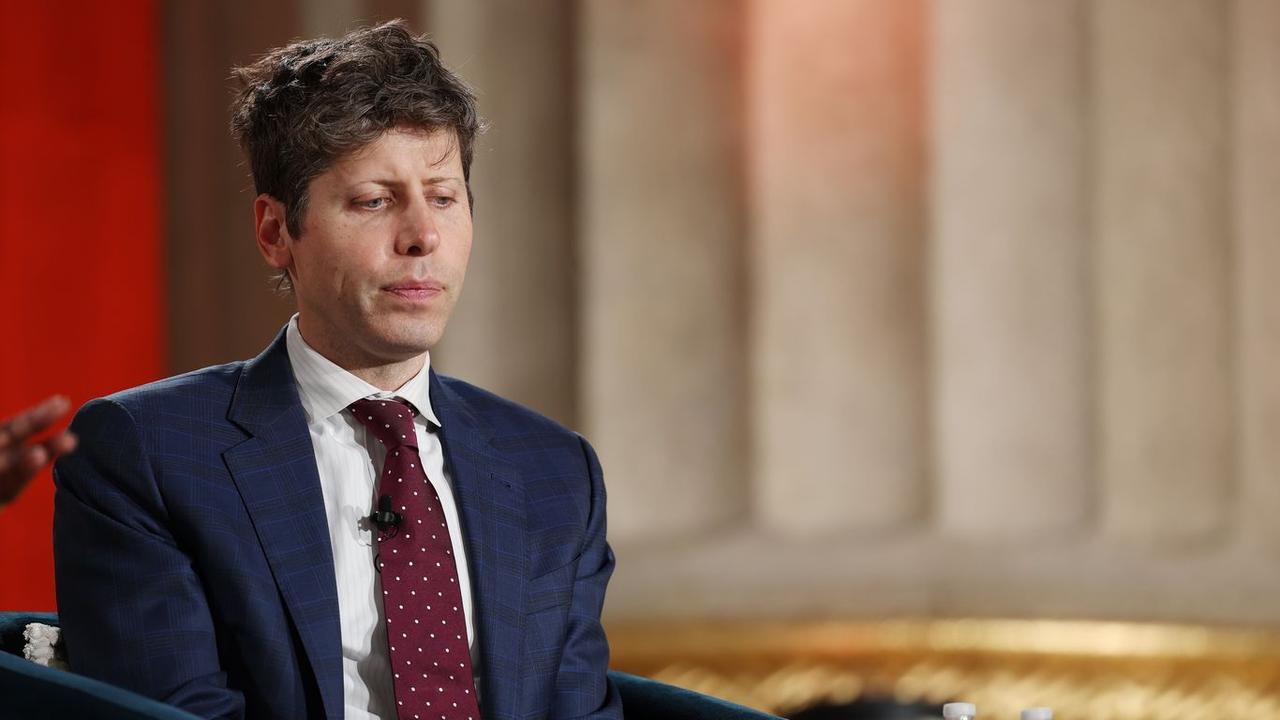
As the dispute escalated, Sam Altman positioned himself as a mediator while OpenAI ultimately secured the Pentagon contract that Anthropic lost. Internal Slack messages reveal Altman told staff on February 24 that it might be a good time to work out a deal for classified use of OpenAI's systems with Emil Michael
2
. Michael contacted Altman that same afternoon, and the two sides began exchanging draft contract language the next day2
. By February 27, as the Pentagon's 5pm deadline approached, Altman remarked to staff that he found it strange to be working so hard to "save" a rival whose CEO had spent years trying to destroy OpenAI2
.
Source: Axios
That night, Altman announced OpenAI had reached a deal with the Pentagon and said he was asking the government to extend the same terms to other AI companies to de-escalate
2
. However, Anthropic CEO Dario Amodei called Altman's peacemaker framing "straight up lies" in a leaked memo, though he later apologized2
. The AI industry engagement with federal government has exposed deep tensions between commercial interests and ethical boundaries, with OpenAI emerging as the primary beneficiary despite Altman's claims of acting in good faith2
.Related Stories

Path to Revival Remains Uncertain
Despite the public confrontation, sources on both sides indicate a potential Anthropic Pentagon deal could still be revived. Federal officials privately acknowledge that Anthropic is a major reason the U.S. maintains a 6-12 month lead over China in leveraging AI for national defense, and Claude is being used extensively for the Iran war
3
. A court filing revealed that Emil Michael sent an email on March 4 stating "we are very close here" to an agreement on language, just five days after Hegseth's supply chain risk designation3
. However, Michael tweeted the following day that there was no active negotiation with Anthropic and previously called Amodei "a liar" with "a God-complex"3
.One possibility involves Anthropic agreeing to parameters ensuring lawful military use of large language model technology while potentially backing Trump Accounts or other AI policies both sides support
3
. Brad Gerstner, whose firm Altimeter Capital is an Anthropic investor, could serve as mediator3
. A critical obstacle emerged when OpenAI's contract included a carve-out requiring separate agreements before deploying ChatGPT in intelligence agencies like the NSA, but the Pentagon cannot offer Anthropic the same terms because Claude is already deeply embedded across those agencies2
. Anthropic is warning government officials that upcoming models will supercharge offensive and defensive cyber capabilities, potentially increasing urgency for a deal as threats to U.S. infrastructure rise3
. The situation illustrates how autonomous warfare concerns and mass surveillance debates are reshaping government contracts in the AI era.References
Summarized by

Navi
[1]
Related Stories
Anthropic and Pentagon clash over AI safeguards as $200 million contract hangs in balance
12 Feb 2026•Policy and Regulation

Anthropic challenges Pentagon's supply chain risk label in court over AI safety red lines
04 Mar 2026•Policy and Regulation

Emails reveal Anthropic's standoff with Pentagon over autonomous weapons and surveillance AI
03 Jul 2026•Policy and Regulation

Recent Highlights



Recent Highlights
Today's Top Stories






Don’t drown in AI news. We cut through the noise - filtering, ranking and summarizing the most important AI news, breakthroughs and research daily. Follow topics that matter to you and stay ahead.


