Physical Intelligence seeks to raise $1 billion, doubling valuation to $11 billion in four months


3 Sources
[1]
Physical Intelligence is reportedly in talks to raise $1 billion, again | TechCrunch
Physical Intelligence, the two-year-old San Francisco robotics startup, is in discussions to raise about $1 billion in new funding at a valuation exceeding $11 billion, according to Bloomberg. The deal would effectively double the company's $5.6 billion valuation in just four months. Founders Fund
[2]
AI Robotics Lab in Talks to Raise $1 Billion at $11 Billion Valuation
Physical Intelligence, a two-year-old robotics startup founded by AI academics and former Google DeepMind researchers, is discussing a new funding round of about $1 billion that would bring the company's valuation to more than $11 billion including dollars raised, according to people familiar with
[3]
Physical Intelligence Seeks $1 Billion as Robotics Interest Grows | PYMNTS.com
By completing this form, you agree to receive marketing communications from PYMNTS and to the sharing of your information with our sponsor, if applicable, in accordance with our Privacy Policy and Terms and Conditions. That round would raise the company's valuation to north of $11 billion,
Share
Copy Link
Physical Intelligence, a two-year-old robotics startup founded by former Google DeepMind researchers, is in discussions to raise approximately $1 billion in new funding at a valuation exceeding $11 billion. The deal would double the company's $5.6 billion valuation from just four months ago, with Founders Fund and Lightspeed Venture Partners among the investors as the AI robotics sector attracts growing capital.
Physical Intelligence in Talks for Massive Funding Round
Physical Intelligence, a San Francisco-based robotics startup founded by AI academics and former Google DeepMind researchers, is in discussions to raise $1 billion in new funding at a valuation exceeding $11 billion, according to reports
2
. The funding round would effectively double the company's $5.6 billion valuation achieved just four months ago during its $600 million raise .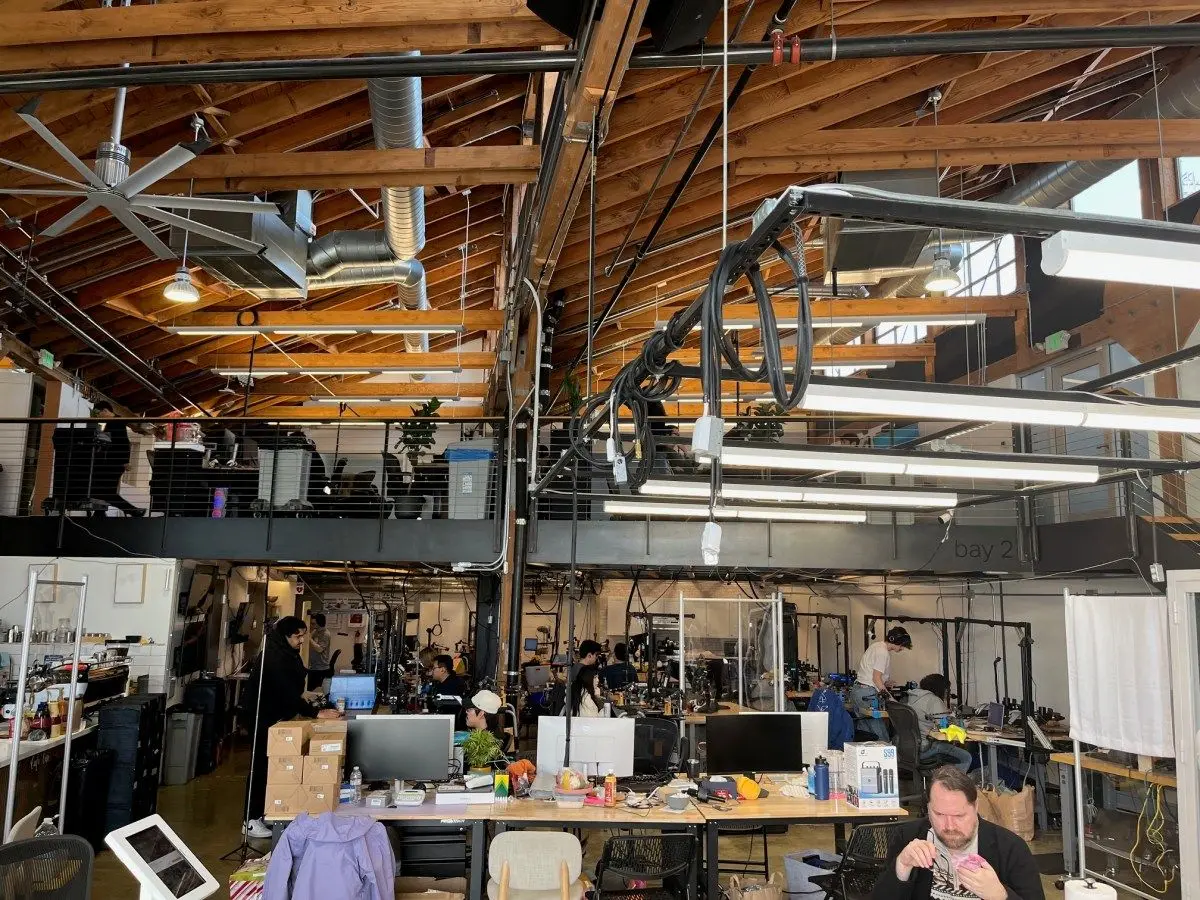
Source: TechCrunch
Peter Thiel's Founders Fund is set to participate in the round, with Lightspeed Venture Partners also in talks to invest alongside returning backers Thrive Capital and Lux Capital
2
. The deal remains in early stages and details could change. To date, Physical Intelligence has raised more than $1 billion in capital from investors including Amazon founder Jeff Bezos, Alphabet's CapitalG, Redpoint Ventures, BOND, and Avenir Growth2
.Building ChatGPT for Robots
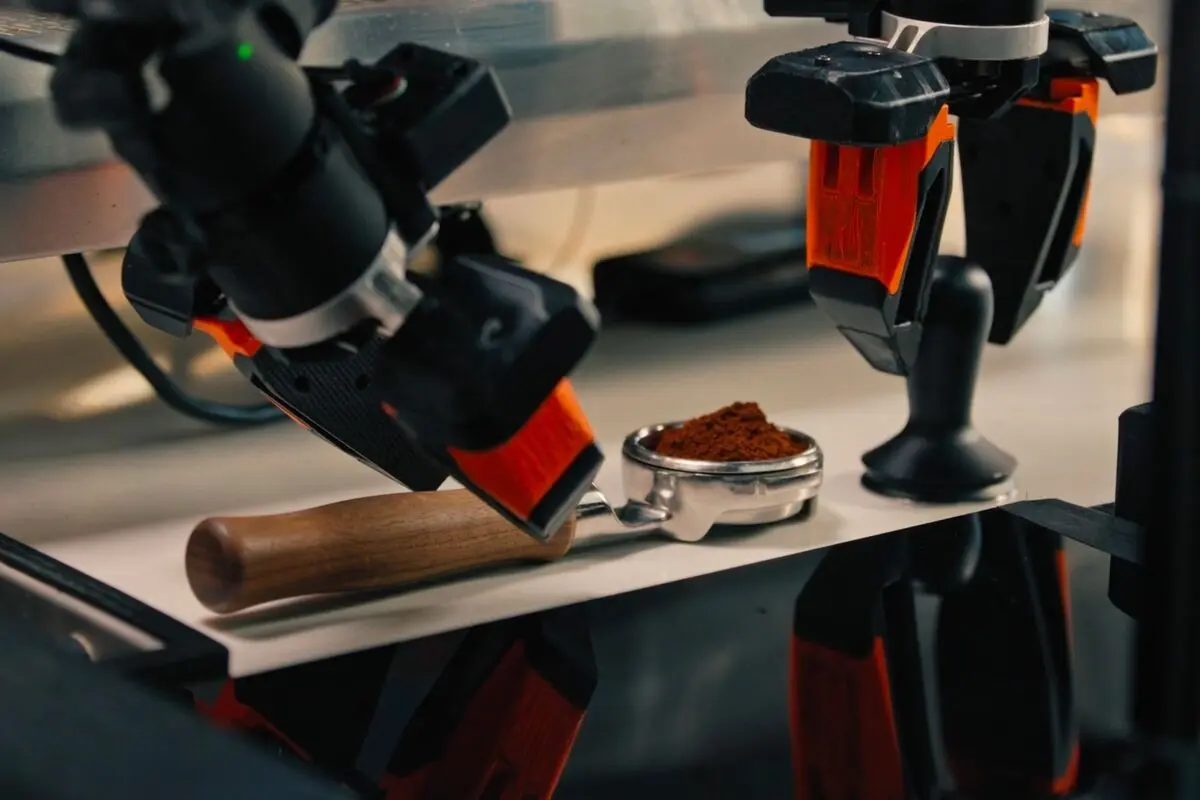
The two-year-old company is developing general-purpose AI models designed to power robots capable of performing a wide variety of tasks. Co-founder Sergey Levine described the company's ambition simply as "ChatGPT for robots" during a TechCrunch visit to the company's headquarters in January . At that time, the company employed about 80 people working to build AI software that enables robots to fold laundry, peel vegetables, make coffee, and assemble boxes.
Source: Bloomberg
Physical Intelligence aims to develop vision-language models that allow robots to perform any function requested by users, mirroring how large language models complete digital tasks on command
2
. The company has deployed its software on robotic arms in testing environments to demonstrate these capabilities. In recent weeks, Physical Intelligence has released new research about improving memory in robotic software models and enhancing performance on precise tasks requiring careful manipulation of objects2
.No Rush to Commercialization
Co-founder Lachy Groom revealed an unusual approach to the company's timeline, telling TechCrunch that Physical Intelligence has no timeline for commercialization . "There's no limit to how much money we can really put to work," Groom said. "There's always more compute you can throw at the problem." This patient posture appears to align with investor expectations, as demonstrated by the continued capital flowing into the company.
Related Stories




Growing Interest in AI for the Physical World
Venture capital investors have recently flocked to companies building AI robotics systems focused on the physical world. The shift reflects movement in the AI startup landscape away from general-purpose tools toward systems that can perform defined tasks in sectors such as manufacturing, logistics, healthcare, and enterprise software
3
.
Source: PYMNTS
Competitors in the humanoid robots space include Skild AI, recently valued at more than $14 billion by investors including Lightspeed, and Figure AI, valued at $39 billion
2
. Another company, Mind Robotics, was recently valued at around $2 billion after a $500 million funding round aimed at developing autonomous robotics systems for deployment in manufacturing and logistics, where companies seek automation solutions to address labor shortages and operational complexity3
.Big Tech companies are also entering the robotics space, with Apple, Meta, and Google DeepMind all pursuing initiatives in this area
3
. Interest has intensified amid debate about robotics' role in advancing artificial general intelligence (AGI). Tesla CEO Elon Musk recently contended that humanoid robots could point the way toward AGI, suggesting that machines interacting with the physical world may accelerate progress in autonomy and reasoning. While the claim remains speculative, funding patterns suggest investors are betting that AI systems connected to real-world environments could become a major frontier of innovation3
.References
Summarized by

Navi
Related Stories
Recent Highlights



Recent Highlights
Today's Top Stories






Don’t drown in AI news. We cut through the noise - filtering, ranking and summarizing the most important AI news, breakthroughs and research daily. Follow topics that matter to you and stay ahead.


