Sony Patent Proposes AI to Alter Boss Fights in Real Time Based on Player Data


3 Sources
[1]
New Sony patent proposes using AI to alter boss fights in real time, and now I'm having nightmares about a totally unpredictable Souls game
The tech could also be used to make NPCs more realistic, the patent suggests A newly published Sony patent could theoretically see future PlayStation games adapting boss fights in real time based on how you deal with their moves, and I sincerely hope FromSoftware isn't listening. As highlighted
[2]
FromSoftware-Style Bosses Could Stop Being Learnable, As PlayStation's October 1 AI Patent Rewrites Enemy Behavior On The Fly
AI is seeing ever-wider adoption across the game industry, and many major publishers such as CAPCOM are making it clear with their future plans that there's no turning back for the entire industry. As of now, we haven't seen any great usage of AI in game development, which is mostly limited to the
[3]
Sony Patent Would Use AI to Make Bosses Harder and NPCs More Believable, Based on Your Data
If one thing's been abundantly clear over the last year, it's that Sony and Microsoft are both chomping at the bit to work AI features into the next generation of consoles. And now, Sony has filed another patent that would use AI to train NPCs based on data generated by you, the player. This new
Share
Copy Link
Sony Interactive Entertainment filed a patent for an AI-adapted non-player character system that could dynamically alter boss fights and NPC behavior in real time. Published October 1, the technology uses machine learning to analyze player data and rewrite enemy behavior on the fly, raising questions about the future of games like Elden Ring.
Sony Patent Introduces AI-Adapted Non-Player Character System
Sony Interactive Entertainment filed a patent on October 1 for an "AI-adapted non-player character for video game system" (US-20260295429-A1) that could fundamentally change how players experience boss fights and NPC interactions in future PlayStation games
1
2
. Originally filed in March, the patent describes a system that collects player data and uses machine learning to generate adaptive content that can be incorporated into games1
. The technology aims to address what Sony describes as "a need for continued development of more efficient rendering engines, improved real-time physics simulation techniques, and scalable systems capable of supporting increasingly detailed virtual environments and lifelike NPC interactions"1
.How AI Rewrites Enemy Behavior On The Fly
The system works through a four-step process that fundamentally changes how NPCs respond to players
2
. First, it collects player data and game data specifically on interactions with NPCs. This data is then sent to a machine learning model that generates NPC content to adjust character behavior, dialogue, and appearance changes before modifying the game content2
. The patent doesn't specify a particular model architecture, suggesting the system could work across different AI systems and potentially be used by developers beyond PlayStation's own studios2
.
Source: Wccftech
AI to Alter Boss Fights in Real Time Using Player Data
For boss fights, Sony's patent proposes collecting extensive real-time player data including "the player's reaction time to NPC/boss attacks or environmental hazards, the timing of their actions (e.g., attacks, defensive maneuvers, or counters), and the frequency and success rate of dodges, blocks, or parries"
1
. The system would also track boss interaction data, including attack patterns, "how often they were avoided or countered by the player," changes to health, and "the use of environmental elements"1
. This adaptive NPC system could generate content "before game play (e.g., before a video game is executed), in real-time (e.g., during execution of the video game), and/or after game play"1
, giving Sony flexibility in how the technology is implemented.Impact on FromSoftware-Style Games and Souls Game Design
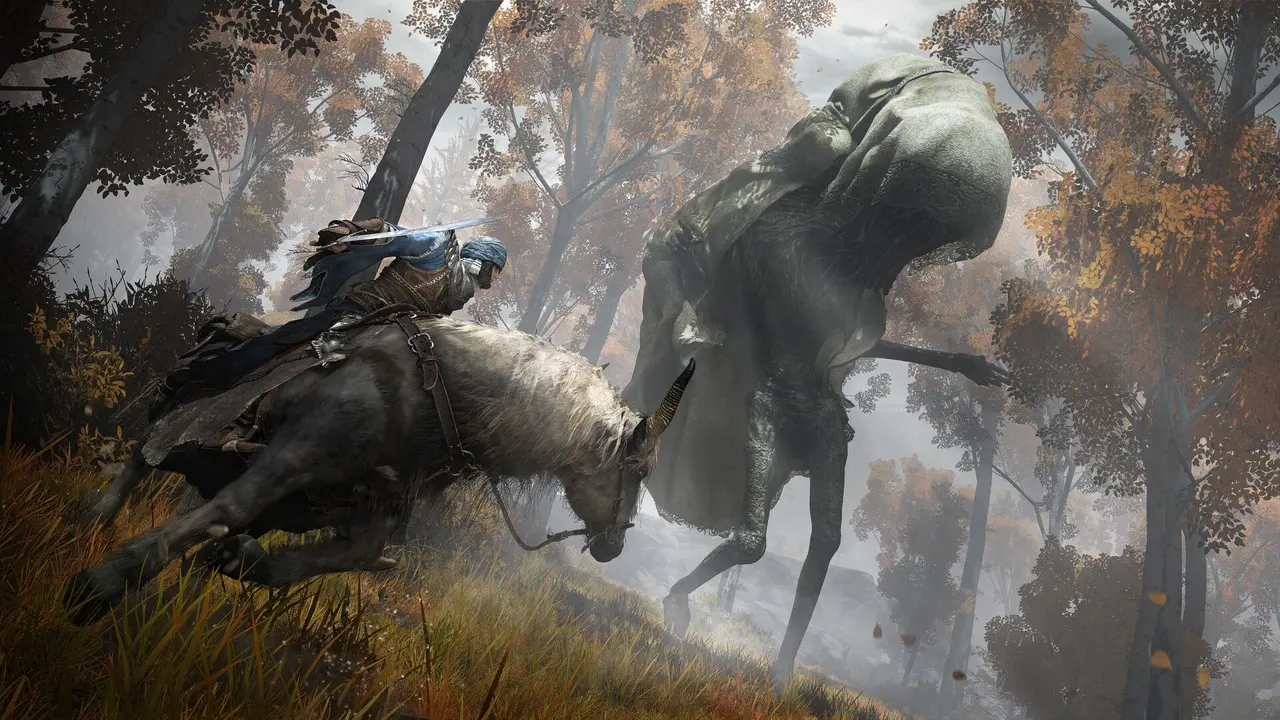
The implications for FromSoftware-style games and the Souls game genre are significant. In multi-phase boss encounters, enemies could enter more powerful second phases earlier if players are pressuring them aggressively, mimicking comeback mechanics in modern fighting games like Street Fighter V's V-System or Street Fighter 6's Critical Arts mechanics
2
. Imagine a harder version of Elden Ring's Malenia who learns to avoid staggering moves and uses nothing but Waterfowl Dance after recognizing player weaknesses1
. This raises fundamental questions about game development philosophy. Learning boss fight patterns through defeat after defeat is central to what makes hard-won victories feel satisfying in these games1
. Would players feel the same sense of progress if they were essentially facing unpredictable AI that adapts like a top-level human fighting game player every time1
?
Source: GamesRadar
Related Stories
Making NPCs More Believable Through Machine Learning
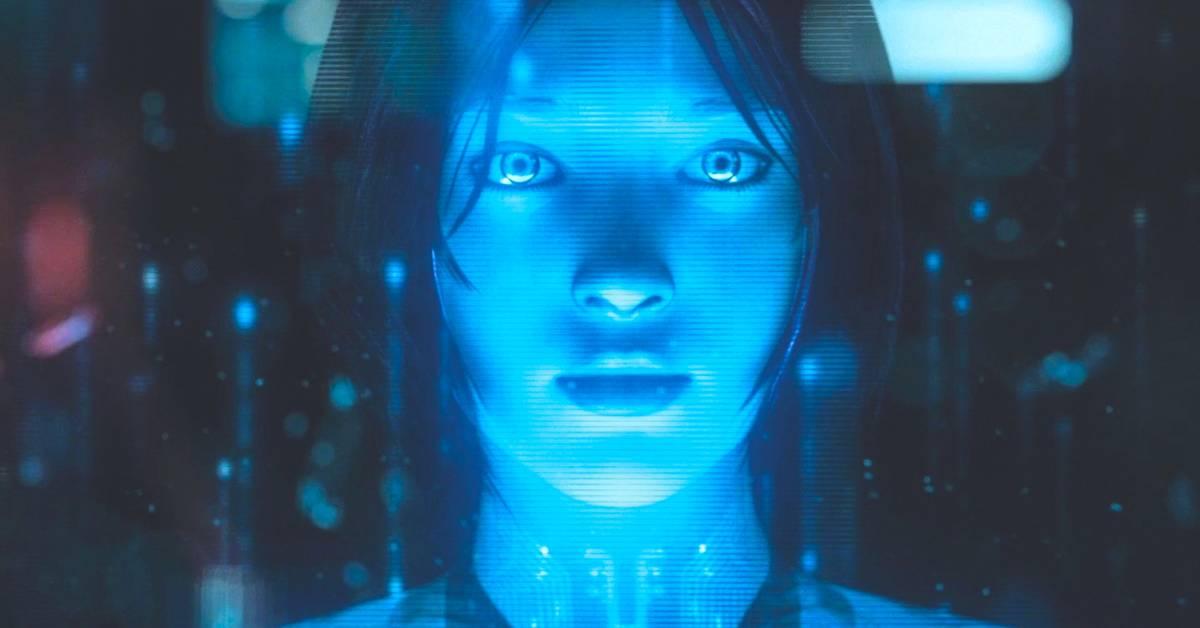
Beyond boss fights, the patent describes how AI could make NPCs more believable by modifying everything from design to behavior
3
. Unlike Nvidia's ACE program which uses large language models to script NPC dialogue, Sony's proposed system could change multiple aspects of NPCs simultaneously3
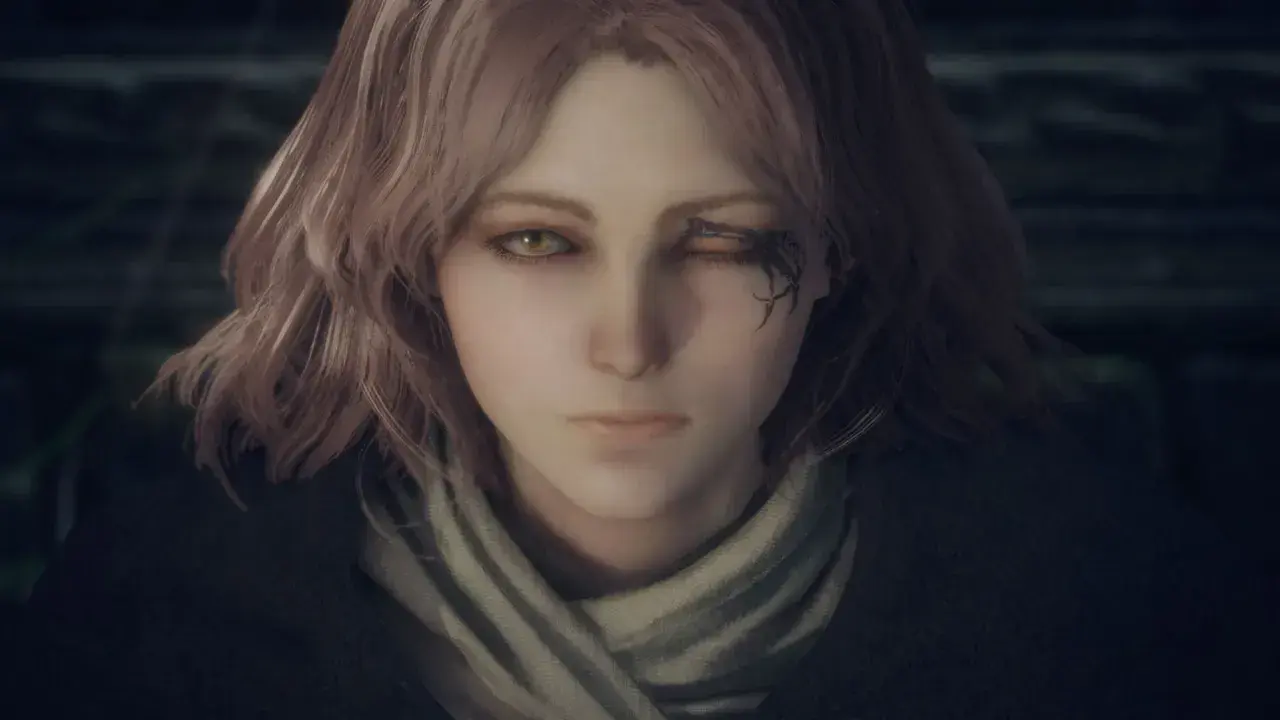
. The patent mentions data related to NPC "emotional characteristics," suggesting they could have "voices that can shift in pitch, volume, and rhythm depending on the situation, conveying urgency, calmness, fear, aggression, warmth, encouragement, connection, and the like"1
. Sony asserts this is necessary because developing believable NPCs "is challenging due to limitations of modern game development and often relies extensive scripting and programming" plus "sophisticated systems and extensive resources to track, animate, and evolve NPC behaviors"3
.
Source: IGN
Data Security Concerns and Future Implementation
The technology raises significant data security questions. If these models are processed in the cloud, there would be risk of player data leaking onto the internet
3
. While advertisers might not want to know how players react to giant monsters swinging axes, the data could end up being used for "enhanced marketing"3
. There's no guarantee Sony will actually incorporate this technology into PlayStation 5 or the upcoming PlayStation 61
3
. However, the game industry has been experimenting with AI-driven gameplay innovation for years. Last year, Inzoi used large language models along with player input to shape how NPCs interact with players and each other3
. This patent is part of Sony's broader push into AI features, following recent patents for AI-detected console problems with vibe-coded patches and controllers with NFC card readers for tap-to-pay functionality3
. Watch for how this adaptive content technology could tackle difficulty issues in modern action games by providing fairer challenges that don't simply increase enemy health or damage2
.References
Summarized by

Navi
Related Stories
Sony AI Patent Reveals Ghost Player That Takes Over Games When Players Get Stuck
06 Jan 2026•Technology
Sony patents AI-generated podcasts hosted by PlayStation characters like Kratos and Aloy
03 Feb 2026•Technology
Microsoft Patent Lets Generative AI Rewrite Xbox Games Based on How You Play
24 Sept 2026•Technology
Recent Highlights



Recent Highlights
Today's Top Stories



Don’t drown in AI news. We cut through the noise - filtering, ranking and summarizing the most important AI news, breakthroughs and research daily. Follow topics that matter to you and stay ahead.


