University of Michigan's Prima AI model reads brain MRI scans in seconds with 97.5% accuracy


4 Sources
[1]
Learning neuroimaging models from health system-scale data - Nature Biomedical Engineering
Neuroimaging is a ubiquitous tool for evaluating patients with neurological diseases. The global demand for magnetic resonance imaging (MRI) studies has risen steadily, placing substantial strain on health systems, prolonging turnaround times and intensifying physician burnout. These challenges
[2]
AI reads brain MRIs in seconds and flags emergencies
A newly developed artificial intelligence system from the University of Michigan can analyze brain MRI scans and deliver a diagnosis in a matter of seconds, according to a new study. The model identified neurological conditions with accuracy reaching 97.5% and was also able to assess how urgently
[3]
AI Model Can Read and Diagnose a Brain MRI in Seconds | Newswise
Newswise -- An AI-powered model developed at University of Michigan can read a brain MRI and diagnose a person in seconds, a study suggests. The model detected neurological conditions with up to 97.5% accuracy and predicted how urgently a patient required treatment. Researchers say the
[4]
Why doctors believe this new AI system will end MRI wait times
A new artificial intelligence system, named Prima, developed at the University of Michigan, can diagnose neurological conditions from brain MRI scans within seconds. The system achieved 97.5% accuracy in identifying neurological conditions and could also assess the urgency of medical care required
Share
Copy Link
Researchers at University of Michigan developed Prima, an AI model that analyzes brain MRI scans and delivers diagnoses in seconds with up to 97.5% accuracy. Trained on over 220,000 MRI studies, Prima can prioritize emergency cases like strokes and brain hemorrhages, automatically alerting specialists. The system aims to address growing radiology shortages and reduce diagnostic delays across health systems.
Prima AI Model Transforms Brain MRI Diagnosis Speed
Researchers at the University of Michigan have developed Prima, an AI model that can analyze brain MRI scans and deliver diagnoses in seconds, achieving up to 97.5% accuracy in detecting neurological conditions
1
. Published in Nature Biomedical Engineering, this breakthrough technology addresses a critical gap in healthcare as global demand for MRI studies continues to strain health systems and extend turnaround times2
. Led by Todd Hollon, a neurosurgeon at University of Michigan Health, the research team tested Prima on 29,431 MRI studies over a one-year period, demonstrating its potential to reshape how brain imaging is handled across the United States3
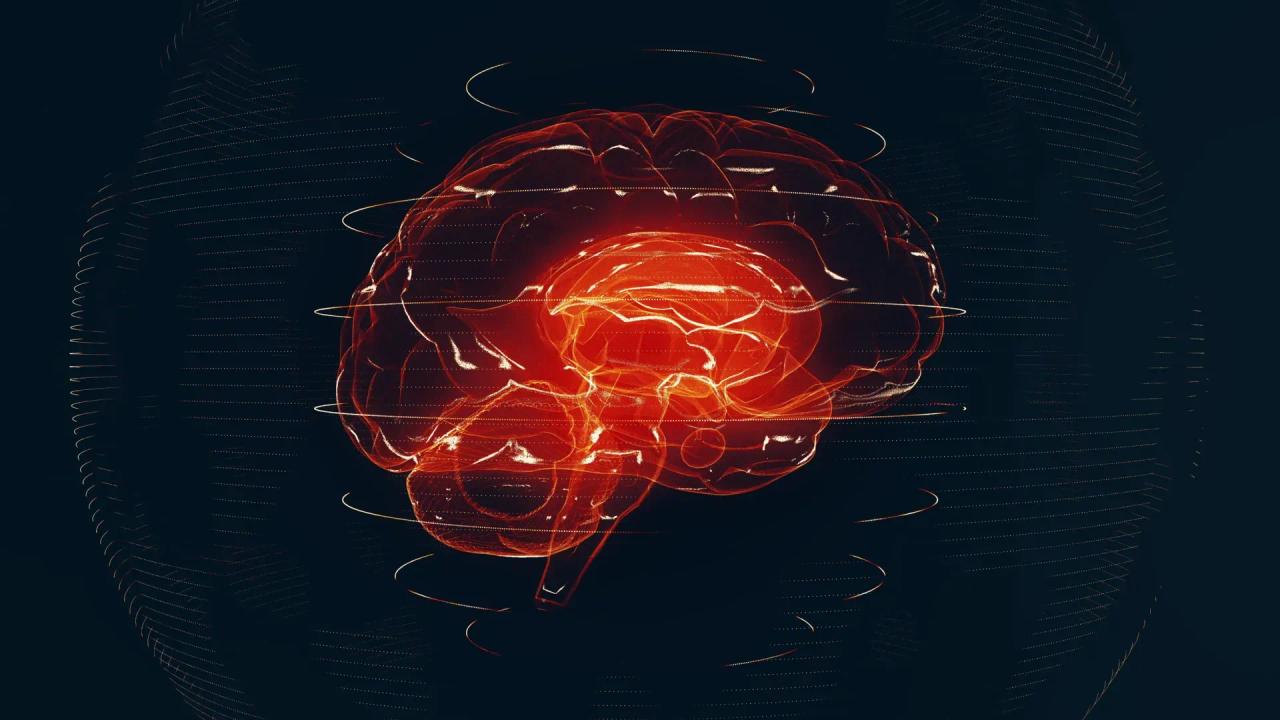
.
Source: ScienceDaily
Trained on MRI Studies at Unprecedented Scale
Unlike previous AI systems trained on carefully curated subsets of MRI data for narrow tasks, Prima was trained on over 220,000 MRI studies and 5.6 million imaging sequences collected since radiology digitization began at University of Michigan Health decades ago
1
. The system incorporates patient clinical histories and physicians' reasons for ordering each imaging study, enabling it to function like a radiologist by integrating multiple data sources3
. Samir Harake, co-first author and data scientist in Hollon's Machine Learning in Neurosurgery Lab, explains that this comprehensive approach produces a better understanding of patient health and enables superior diagnostic performance across a broad range of prediction tasks2
.High Diagnostic Accuracy Across Neurological Conditions
Across 52 radiologic diagnoses from major neurological disorders, Prima achieved a mean diagnostic area under the curve of 92.0%, outperforming other state-of-the-art general and medical AI models
1
. The system demonstrated algorithmic fairness across sensitive groups and offers explainable differential diagnoses to clinicians1
. Yiwei Lyu, co-first author and postdoctoral fellow of Computer Science and Engineering at U-M, emphasizes that while accuracy is paramount when reading a brain MRI, quick turnaround times are critical for timely diagnosis and improved outcomes4
.Vision Language Model Architecture Enables Real-Time Analysis
Prima functions as a vision language model (VLM), an AI system that can simultaneously process video, images, and text in real time
3
. This architecture allows Prima to integrate diverse data types and deliver comprehensive diagnostic insights immediately after a patient completes imaging2
. The foundation model uses a hierarchical vision architecture that provides general and transferable MRI features, enabling it to handle real-world clinical MRI studies as input1
.Prioritize Emergency Cases and Reduce MRI Wait Times
Prima can automatically identify conditions requiring immediate medical attention, such as strokes and brain hemorrhages, and alert the appropriate subspecialist—whether a stroke neurologist or neurosurgeon
2
. The system provides worklist prioritization for radiologists and clinical referral recommendations, with feedback available immediately after imaging completion1
. This capability addresses a pressing need as millions of MRI scans are performed globally each year, with demand outpacing the availability of neuroradiology services and contributing to diagnostic delays that can extend for days or longer depending on location3
.Related Stories
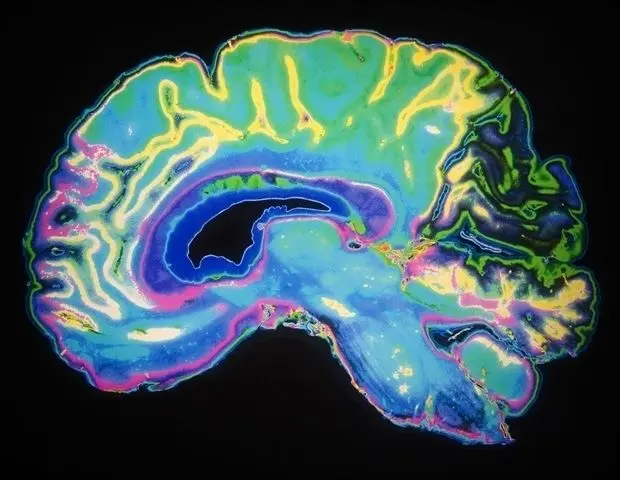
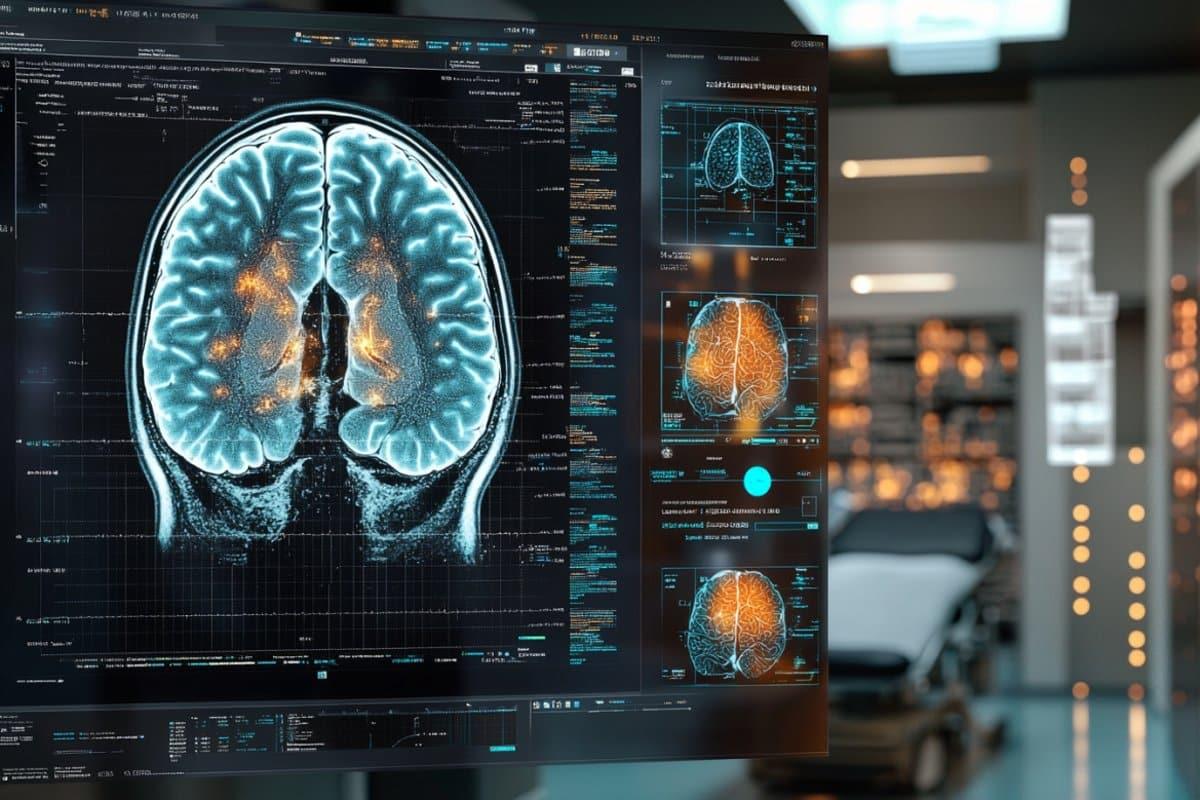


Address Radiology Shortages Across Health Systems
Vikas Gulani, co-author and chair of the Department of Radiology at U-M Health, notes that innovative technologies are essential to improve access to radiology services whether patients receive scans at larger health systems facing increasing volume or rural hospitals with limited resources
2
. The imbalance between growing MRI demand and available neuroradiology services has contributed to staffing shortages, diagnostic delays, and errors—challenges that disproportionately impact patients in low-resource and rural settings1
. Hollon describes Prima as "ChatGPT for medical imaging," suggesting the technology could eventually be adapted for other imaging modalities including mammograms, chest X-rays, and ultrasounds4
.Future Development to Diagnose Neurological Conditions More Accurately
While Prima performed strongly in initial testing, researchers emphasize the work remains in an early evaluation phase
2
. Future research will focus on integrating more detailed patient information and electronic medical record data to further improve diagnostic accuracy, mirroring how radiologists and physicians interpret MRIs in real clinical settings3
. Hollon believes Prima exemplifies the transformative potential of integrating health systems and AI-driven models to improve healthcare through innovation, positioning the system as a co-pilot for interpreting medical imaging studies rather than a replacement for human expertise3
.References
Summarized by

Navi
[1]
[2]
Related Stories
Recent Highlights



Recent Highlights
Today's Top Stories



Don’t drown in AI news. We cut through the noise - filtering, ranking and summarizing the most important AI news, breakthroughs and research daily. Follow topics that matter to you and stay ahead.


