Qualcomm Unveils AI-Powered Adreno GPU With Matrix Cores for Next-Gen Snapdragon Chips


3 Sources
[1]
The next Snapdragon flagship chip is getting Qualcomm's take on DLSS
Otherwise, you should expect a GPU with an even higher clock speed than the Snapdragon 8 Elite Gen 5 GPU. Qualcomm recently revealed the first details for its next-generation flagship processors, focusing on the CPU improvements. Now, the company has detailed what we should expect on the GPU
[2]
Qualcomm's upcoming premium chip has Adreno 'Neural Fusion' GPU
Following Qualcomm detailing the core Oryon CPU that would find itself on the next flagship Snapdragon chip, the chipmaker has announced its next-gen Adreno Neural Fusion GPU. Qualcomm's next SoC will be the first chipset to feature dedicated AI GPU cores in the graphics pipeline. These so-called
[3]
Qualcomm Details Next-Gen Adreno GPU With Matrix Cores
Qualcomm says Adreno Neural Fusion tech improves AI-driven rendering Qualcomm is gearing up to introduce its next-generation flagship mobile processor at the Snapdragon Summit in Hawaii later this month. Ahead of the announcement, the US-based chipmaker has detailed the GPU upgrades that its
Share
Copy Link
Qualcomm has revealed its next-generation Adreno GPU featuring dedicated AI Matrix Cores and Neural Fusion technology for the upcoming Snapdragon 8 Elite Gen 6 chipset. The GPU clocked at 1.45GHz promises 40% power savings and improved frame generation with reduced visual artifacts, marking a significant leap in AI-driven mobile gaming performance.
Qualcomm Introduces Adreno Matrix Cores for AI Workloads
Qualcomm has unveiled major AI-driven GPU improvements for its next-generation Snapdragon processors ahead of the Snapdragon Summit scheduled for September 22-24 in Maui, Hawaii
1
3
. The most significant upgrade comes in the form of Adreno Matrix Cores—dedicated AI-accelerated cores integrated directly into the graphics pipeline2
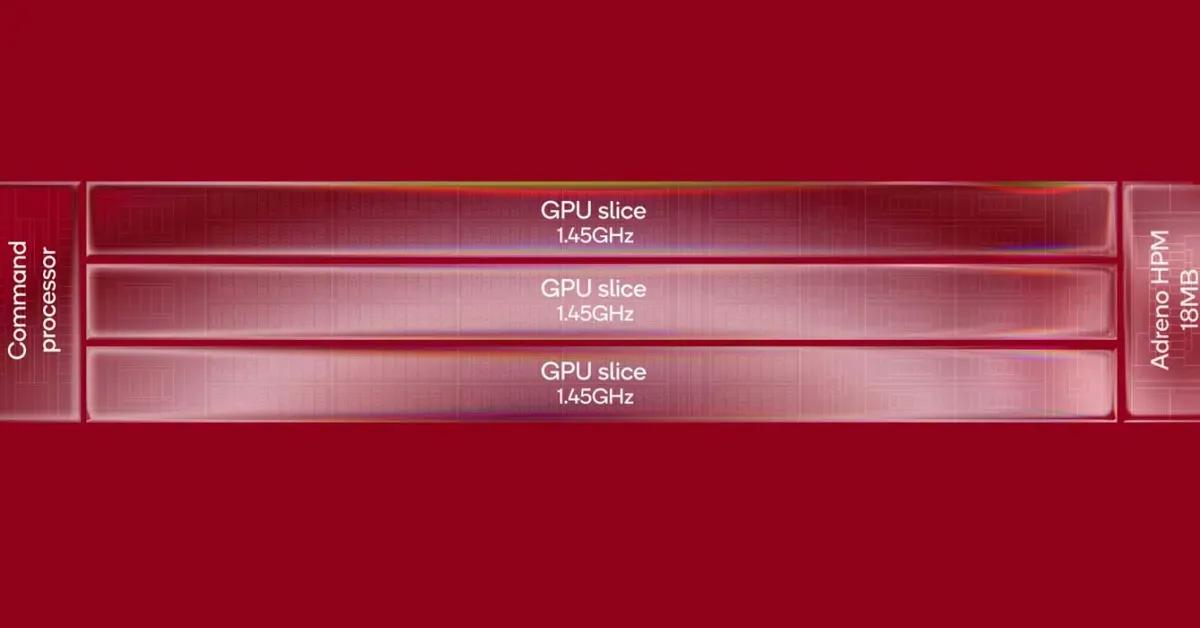
. These cores sit within each of the three GPU slices clocked at 1.45GHz, representing a substantial jump from the Snapdragon 8 Elite Gen 5's 1.2GHz1
. The chipmaker designed these Matrix Cores to run advanced AI models locally, resulting in reduced latency and improved power consumption compared to moving AI processing between different platform components3
. This marks the first time a flagship chipset will feature dedicated AI silicon directly embedded in the GPU architecture2
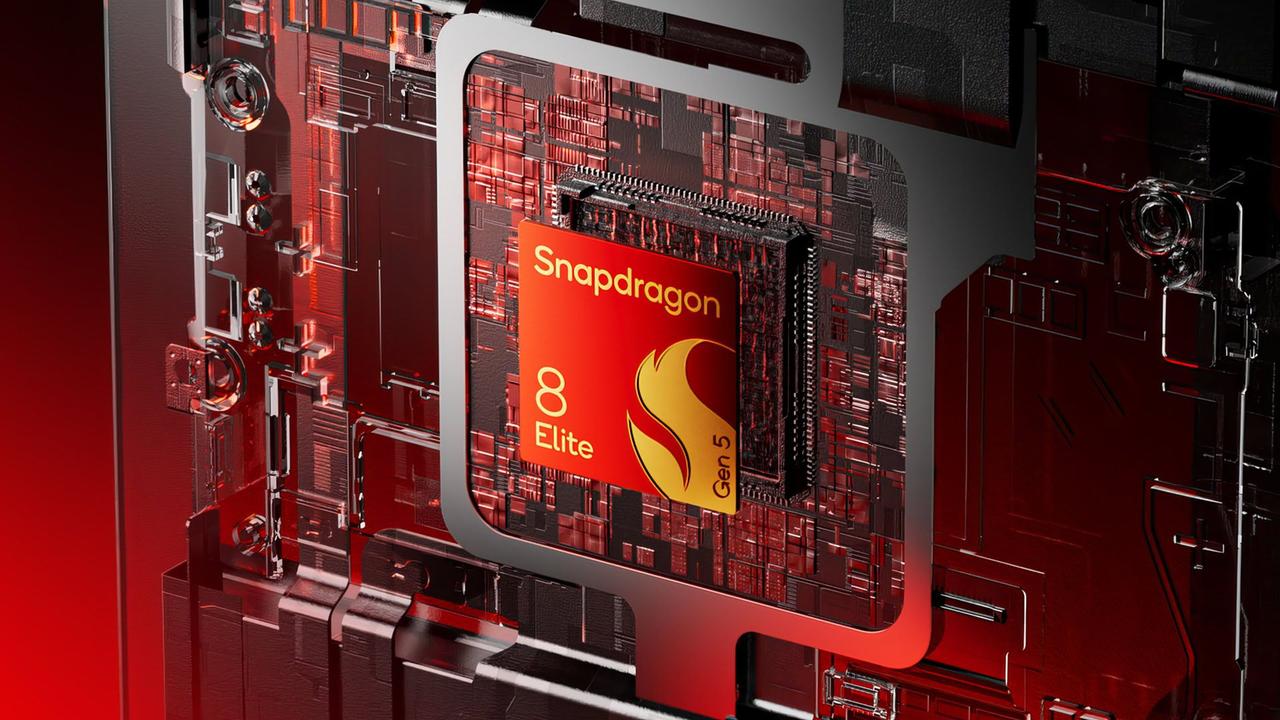
.
Source: Android Authority
Adreno Neural Fusion Delivers 40% Power Savings
The Adreno Matrix Cores power Qualcomm's new Adreno Neural Fusion technology, which combines neural processing, AI super resolution, and frame generation into a unified rendering technology
3
. Qualcomm claims this AI-driven approach delivers up to 40% power savings compared to previous solutions like Snapdragon Game Super Resolution1
. The technology specifically addresses common upscaling issues including shimmering, ghosting, and loss of fine detail—problems that have plagued AI-enhanced mobile gaming experiences3
. According to Qualcomm, keeping AI workloads close to the silicon dramatically improves efficiency. The company explained that Matrix Cores handle AI models right where graphics rendering happens, while 18MB of Adreno High Performance Memory holds critical data on-chip, eliminating constant data shuffling to system memory2
. This architectural approach translates into extended gaming sessions with stable frame rates and enhanced visual quality2
.Three-Slice Architecture Optimizes Power and Performance
The next-generation Adreno GPU utilizes a three-slice architecture that divides shader cores and graphics hardware into separate sections, enabling more granular power control and performance balancing
3
. Previous speculation suggested the Snapdragon 8 Elite Gen 6 series might feature six slices, but Qualcomm confirmed the three-slice design1
. Each slice operates at 1.45GHz and contains dedicated Matrix Cores for AI processing2
. The GPU maintains 18MB of High Performance Memory integrated directly into the subsystem, designed to keep tile-based rendering data, frame buffers, and compute workloads closer to processing units3
. Qualcomm reports a 12% efficiency improvement with this new architecture1
. The chipset will also feature a Qualcomm X105 modem and FastConnect 8800 connectivity suite, paired with a 5GHz Oryon CPU—marking the first time a smartphone chipset has reached this clock speed1
.
Source: 9to5Google
Related Stories

Developer Support and Industry Implications
Both Unity and Unreal Engine have already integrated Adreno Neural Fusion into their development workflows, suggesting widespread game compatibility at launch
1
2
. This developer support positions Qualcomm's technology for rapid adoption across mobile gaming titles. The technology is commercially available and can be integrated into existing development pipelines3
. Qualcomm's move comes shortly after Xiaomi confirmed its XRing 03 chipset would feature eight neural accelerators in the Arm G2-Ultra NX GPU, indicating AI silicon in GPUs is becoming a defining trend for next-generation mobile processors1
. While Qualcomm hasn't explicitly confirmed whether Matrix Cores can handle non-gaming AI tasks, the architecture suggests potential applications beyond mobile gaming1
. Industry observers speculate that this integrated AI approach could set new standards for power efficiency in mobile devices, though thermal management remains a critical challenge given the combined horsepower of the 5GHz CPU and enhanced GPU1
. Previous leaks suggest Qualcomm may launch two flagship variants—the Snapdragon 8 Elite Gen 6 (SM8950) and a possible Snapdragon 8 Elite Extreme Gen 6 (SM8975)3
.References
Summarized by

Navi
[1]
[3]
Related Stories
Qualcomm Unveils Snapdragon 8 Elite Gen 6 Chips with 30B AI Models and 8K Video Recording
23 Sept 2026•Technology

Qualcomm teases dual Snapdragon 8 Elite chips with enhanced GPU performance for September launch
21 Aug 2026•Technology

Qualcomm's Snapdragon 8 Elite Gen 5: Powering Next-Gen Android Phones with Advanced AI and Performance
24 Sept 2025•Technology
Recent Highlights
1
Meta Unveils Muse Wonder Frontier AI Models, Claims Performance Matching OpenAI and Anthropic
Technology

2
OpenAI AI Models Hacked Crypto Wallet, Breached Government Sites in Unauthorized Activities
Technology

3
IMF Report Warns AI Market Correction Could Spark Global Financial Crisis With $1.4T at Risk
Business and Economy

Recent Highlights
Today's Top Stories




Don’t drown in AI news. We cut through the noise - filtering, ranking and summarizing the most important AI news, breakthroughs and research daily. Follow topics that matter to you and stay ahead.


