Qualcomm's Snapdragon Wear Elite chip targets AI watches, pendants, and smart glasses


19 Sources
[1]
Qualcomm's Latest Chip Could Lead a New Wave of Camera-Equipped AI Watches and Wearables
Nearly 20 years writing about tech, and over a decade reviewing wearable tech, VR, and AR products and apps I've been steeling myself for a coming wave of AI-infused wearables that could be worn all over the place, based on reports on gadget plans at Meta, Google and Apple -- a halo of connected
[2]
Qualcomm's new chip is geared toward wearable AI gadgets
Like it or not, more AI wearables may be on the horizon - or at least Qualcomm seems to think so. Today the company announced its new Snapdragon Wear Elite chip. At a press briefing, Qualcomm said it considers the Elite to be a "wrist plus" chip. Meaning, it won't replace the previous W5 Plus, but
[3]
How Qualcomm's new wearables chipset could spell the end of smartphone dominance
Advancements include longer battery, faster processing, and low-power connectivity. Right now, mobile phones are the main hub of our personal device ecosystem. But as AI integrates into glasses, rings, headphones, and portable form factors, we could see our very own handsets step off center stage,
[4]
Samsung, Google and Motorola to Make AI Watches, Pins, Pendants With New Qualcomm Chip
Katie is a UK-based news reporter and features writer. Officially, she is CNET's European correspondent, covering tech policy and Big Tech in the EU and UK. Unofficially, she serves as CNET's Taylor Swift correspondent. You can also find her writing about tech for good, ethics and human rights, the
[5]
Qualcomm's Snapdragon Wear Elite chip is made for smartwatches and AI devices
Qualcomm's Snapdragon Elite chips are reserved for the best Android phones and laptops, and now the company has introduced the first in the Elite series for wearables. The Snapdragon Wear Elite processor is designed for smartwatches and AI devices like pendants and promises up to a fivefold
[6]

Samsung confirms the next Galaxy Watch will jump to Qualcomm's Snapdragon Wear Elite
At MWC 2026, Qualcomm just announced the Snapdragon Wear Elite chip for smartwatches and other AI-centric wearables. This chip marks a major step up from previous Snapdragon Wear chips like the already pretty good Snapdragon W5 Plus Gen 1. There's more big news flowing in from Qualcomm's press
[7]

Where Humane Failed, Qualcomm Imagines the Future Is Filled With AI Pins
Qualcomm imagines a future packed with AI wearables. We still have to find a gadget that makes AI worth the hassle. “Wearables†may already be too broad a term in tech. It encompasses more than smartwatches. Is an exoskeleton a "wearable"? What about the oft-derided AI pin? Qualcomm seems to
[8]

Samsung abandons Exynos for its next Galaxy Watch
Rajesh started following the latest happenings in the world of Android around the release of the Nexus One and Samsung Galaxy S. After flashing custom ROMs and kernels on his beloved Galaxy S, he started writing about Android for a living. He uses the latest Samsung or Pixel flagship as his daily
[9]

Qualcomm announces Snapdragon Wear Elite for next gen of Wear OS, Galaxy Watch
At MWC 2026, Qualcomm announced the premium Snapdragon Wear Elite for Wear OS and other AI form factors. This chip and product line are a level above the Snapdragon W5+ Gen 2 that is now considered part of the "high" tier. The premium "Elite" branding is meant to indicate a significant increase in
[10]

I just saw the future of smartwatches -- Here's how AI will supercharge your next Galaxy and Pixel Watch
Qualcomm's new Snapdragon Wear Elite processor is designed for heady AI tasks I'm at Mobile World Congress in Barcelona, Spain, where Qualcomm Technologies just announced the brand's latest Snapdragon Wear Elite processor for smartwatches, and it's all about handling complex AI tasks. Here's what
[11]

Qualcomm's Snapdragon Wear Elite aims to power the next wave of AI wearables -- not just smartwatches
* Qualcomm unveils Snapdragon Wear Elite wearable platform * It will likely be inside smartwatches and new AI form factors * First devices expected later this year Qualcomm's Snapdragon chips already power many wearable devices, from the W5 Gen 2 inside the Pixel Watch 4 to the AR1 Gen 2 chip in
[12]

Qualcomm's Snapdragon Wear Elite paves the way for a new wave of AI wearables
The new 3nm chip brings major CPU, GPU, and on-device AI upgrades for future smartwatches and AI wearables. Mobile World Congress Read our complete coverage of Mobile World Congress Updated less than 0 just now ago Qualcomm today lifted the covers off the Snapdragon Wear Elite, a new premium
[13]

MWC 2026: Snapdragon Wear Elite brings big.LITTLE power to wearables
Qualcomm launched the premium Snapdragon Wear Elite chip at MWC 2026. The new "Elite" branding positions the chip a tier above the Snapdragon W5+ Gen 2. It is built on a 3nm process node and uses a big.LITTLE architecture for the first time. The platform targets a significant performance uplift
[14]

This is the tech that will power your next smartwatch
Qualcomm's Snapdragon Wear Elite is designed for wearable devices including next-gen AI-powered pins, glasses and watches Qualcomm may be synonymous with the tech inside smartphones, but it continues to push forward with wearables, too. Most smartwatches have the company's tech inside and the
[15]

Samsung Galaxy Watch 9: Why the 'Snapdragon Wear Elite' is a Game Changer for Wear OS
Samsung is poised to elevate the smartwatch landscape with the Galaxy Watch 9, a device that signifies a pivotal shift in its technological approach. Moving away from its traditional Exynos chips, Samsung has embraced Qualcomm's Snapdragon Wear Elite processor. This transition introduces a new era
[16]

Meet Qualcomm's Snapdragon Elite Wear Chip That Transforms Your Wearables Into Personal AI Devices
Qualcomm has just taken a significant step towards cornering edge AI use cases, especially when it comes to smart watches and other wearable devices like AI pins and AI pendants, by unveiling the all-new Snapdragon Elite Wear chip that offers "best-in-class AI performance and power
[17]
Samsung Galaxy Watch 9 & Ultra 2 to Feature Snapdragon Wear Elite for 30% Better Battery
Samsung is poised to reshape the wearable technology landscape with the upcoming Galaxy Watch 9 and Galaxy Watch Ultra 2. For the first time, the company is integrating Qualcomm's Snapdragon Elite platform into its smartwatch lineup, moving away from its traditional reliance on in-house Exynos
[18]

Qualcomm Snapdragon Wear Elite Platform for AI-Driven Wearables announced
At the MWC 2026, Qualcomm introduced the Snapdragon Wear Elite Platform, a new computing platform aimed at integrating artificial intelligence (AI) directly into wearable devices. Designed to operate across WearOS by Google, Android, and Linux, the platform incorporates a Neural Processing Unit
[19]

Qualcomm unveils Snapdragon Wear Elite with AI and 5G support for next-gen smart wearables at MWC 2026
It is fabricated on 3nm architecture and claims up to 30 percent better battery life. Qualcomm has announced the Snapdragon Wear Elite platform at MWC Barcelona, positioning it as the world's first personal AI wearable platform with an integrated NPU for on-device AI. The new chipset is designed
Share
Copy Link
Qualcomm announced the Snapdragon Wear Elite chip at Mobile World Congress in Barcelona, designed to power a new wave of AI wearables including smartwatches, AI pins, pendants, and camera-equipped devices. Samsung, Google, and Motorola are already building hardware with the chip, which promises enhanced on-device AI capabilities, 30% improved battery life, and support for up to 2 billion parameter models.
Qualcomm Unveils Snapdragon Wear Elite at Mobile World Congress
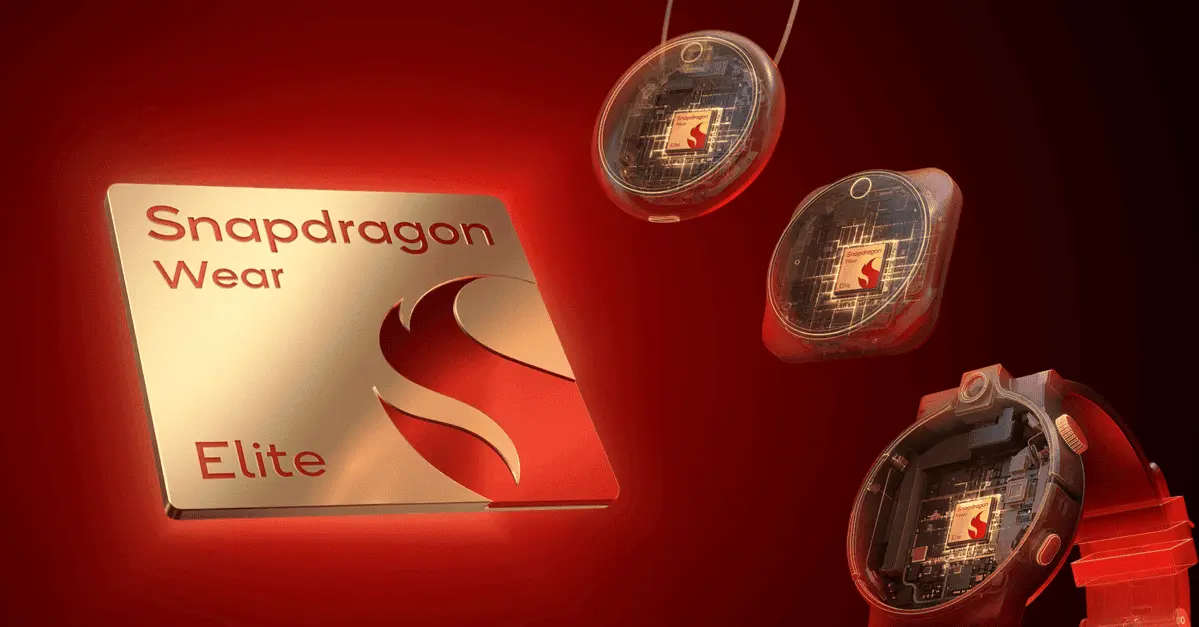
Qualcomm announced its Snapdragon Wear Elite chip at Mobile World Congress in Barcelona, marking a shift in how AI wearables will function across multiple device categories
1
. The new processor bridges the gap between smartwatches and emerging AI-powered devices like pins, pendants, and smart glasses, positioning itself as what Qualcomm calls a "wrist plus" chip2
. Built on a 3nm process, the chip features both an eNPU for low-power AI functions and a Hexagon NPU capable of handling 2 billion parameters on-device at approximately 10 tokens per second1
5
. Major partners including Samsung, Google, and Motorola have committed to building the next generation of wearables with this platform, with devices expected to ship in the coming months4
.
Source: The Verge
Enhanced On-Device AI Capabilities Transform Wearable Functionality
The Snapdragon Wear Elite represents a substantial leap in processing power for wearable devices. According to Qualcomm, single-core CPU performance has increased by five times compared to previous generations, while GPU speeds have jumped up to seven times faster, now supporting 1080p resolution at 60fps
3
5
. This processing boost enables on-device AI functions like voice-based controls, life logging, and contextual awareness without constant cloud connectivity1
. John Kehrli, senior director of product management for Qualcomm, emphasized the importance of local AI processing for the multiple sensors these devices will carry: "There's so many exciting inputs coming in. Location, sound, voice, text, all the sensors -- we're really seeing a lot of medical-grade sensors come into the retail space"1
. The chip's neural processing unit handles context-aware recommendations, natural language interactions, and agentic AI tasks that can orchestrate actions on behalf of users5
.Camera Integration and Expanded Connectivity Options
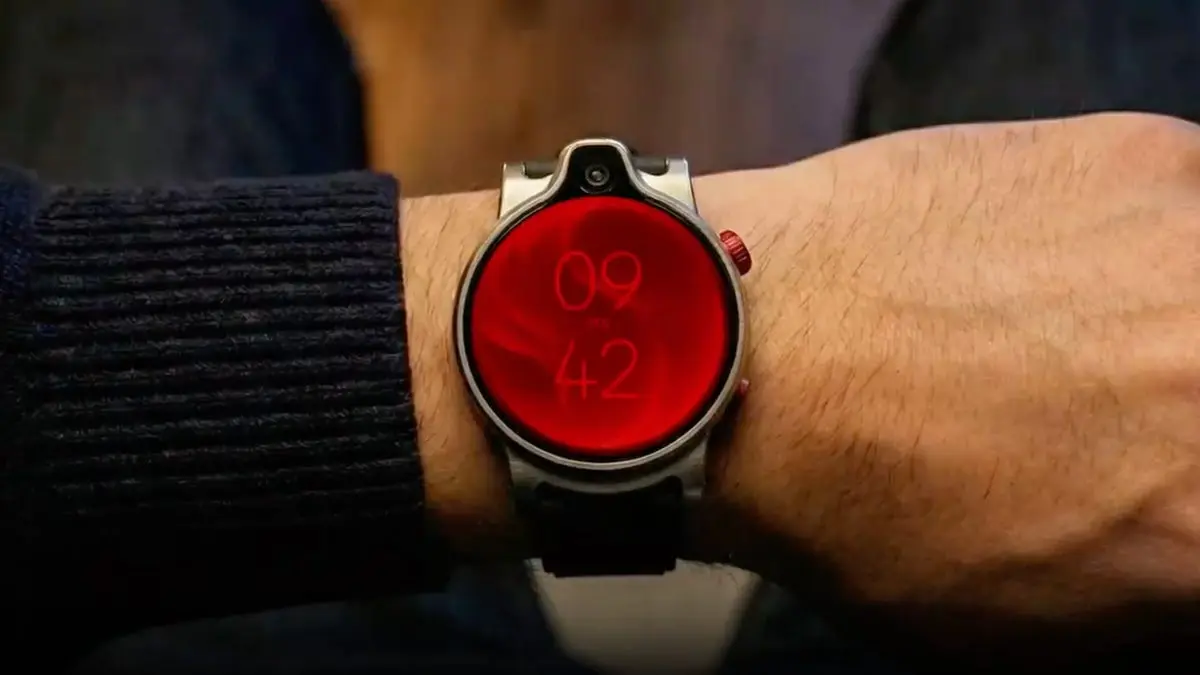
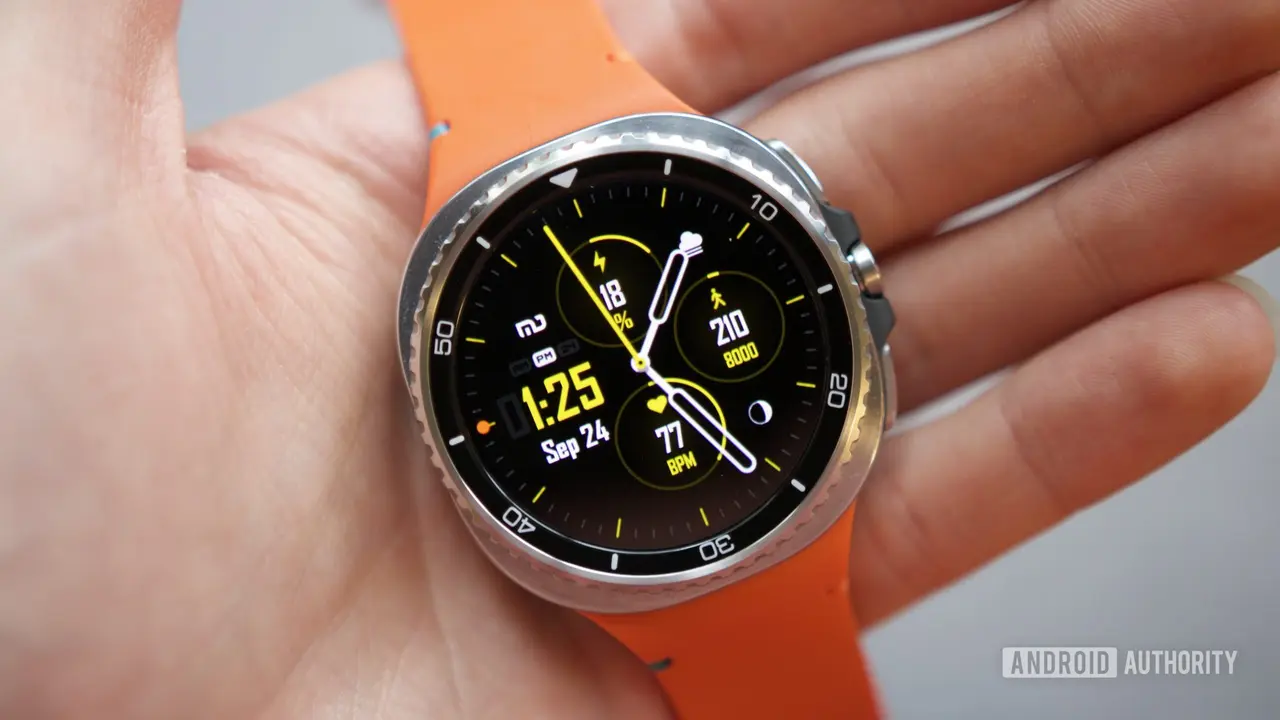
Qualcomm's promotional materials showcase AI watches with cameras positioned on the top edge, signaling a departure from current smartwatch designs
1
. These cameras serve multiple purposes beyond photography, including face recognition for biometric authentication in tap-to-pay scenarios, smart key functionality for connected devices, and visual input for multimodal AI services1
. The chip supports video input and streaming for AI, including 1080p video output to displays1
. Connectivity represents another major advancement, with six wireless protocols integrated on-chip: Redcap 5G for high-speed, low-power connections, Bluetooth 6.0, ultra wideband, GPS, satellite-connected NB-NTN for messaging, and micropower Wi-Fi 802.11ax1
. The micropower Wi-Fi feature allows AI wearables to maintain continuous background connectivity, enabling persistent AI syncing and data exchange at significantly lower power levels3
.
Source: CNET
Related Stories

Improved Battery Life and Fast Charging Address Always-On Needs
Power efficiency remains critical for wearables designed to be worn continuously, including during sleep. The Snapdragon Wear Elite delivers 30% improved battery life compared to Qualcomm's previous W5 Plus chip, potentially extending use to "days" between charges
1
4
. Power efficiency gains extend to specific functions as well—GPS tracking now requires 40% less power2
. Fast charging capabilities support 9V quick charging, enabling devices to reach 50% charge in approximately 10 minutes2
3
. This rapid charging addresses a key challenge for always-on wearables, allowing users to quickly top up their devices during brief breaks without extended time away from their body1
.Major Tech Partners Signal Shift Beyond Smartphone Dominance
Samsung plans to integrate the Snapdragon Wear Elite into its next Galaxy Watch, with InKang Song, EVP and Head of Technology Strategy Team at Samsung Electronics, stating the chip will make the device "an even more holistic wellness companion"
3
. Google's Bjørn Kilburn, general manager of Wear OS, noted the platform "opens new possibilities, delivering the performance, battery life and connectivity essential for the next generation of Wear OS"4
. Motorola indicated it will use the platform for AI wearable devices similar to its Project Maxwell concept shown at CES4
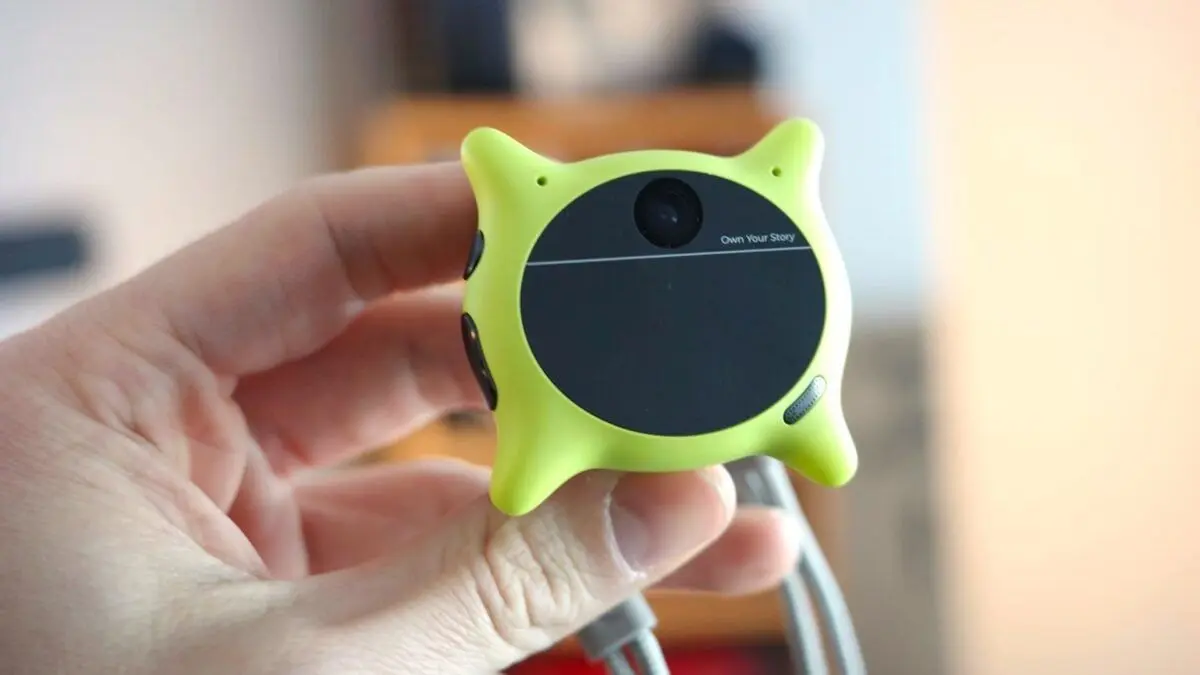
. The chip supports Wear OS, Android, and Linux, enabling both established manufacturers and startups to build AI pins and pendants on proprietary software2
. Alex Katouzian, EVP and Group General Manager at Qualcomm, described these devices as "no longer simply extensions of the smartphone, but active participants in a distributed AI network across mobile, compute, XR, wearables, and more"3
. This vision suggests a future where wearables could challenge current smartphone dominance as the central hub of personal device ecosystems3
. Whether these advances will help Wear OS manufacturers compete with Apple's Watch, which holds over 50% market share, remains uncertain5
.
Source: Gizmodo
References
Summarized by

Navi
Related Stories
Samsung unveils Galaxy Watch 9 and Ultra 2 with advanced AI health tracking and diving capabilities
23 Jul 2026•Technology
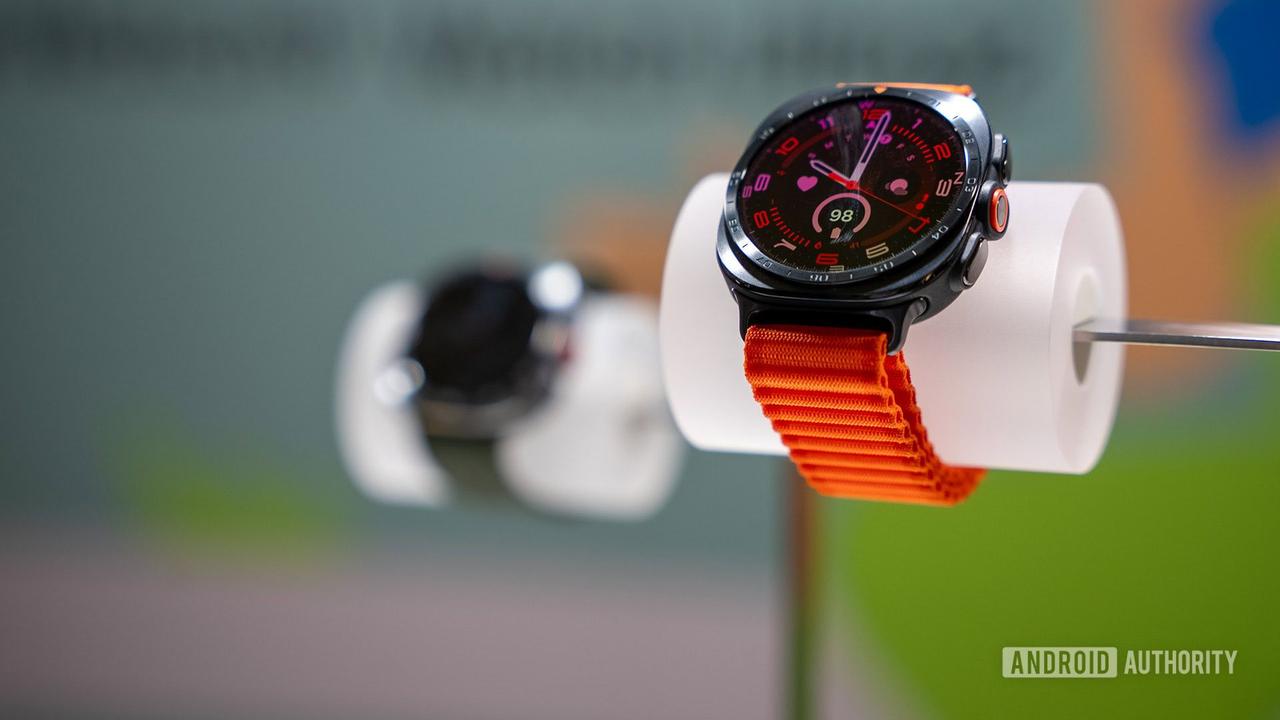
Samsung Galaxy Watch Ultra: A New Era in Smartwatch Technology
12 Jul 2024

Samsung teases Galaxy Watch 9 and Ultra 2 with AI health companion features ahead of Unpacked
14 Jul 2026•Technology
Recent Highlights
1
Meta Unveils Muse Wonder Frontier AI Models, Claims Performance Matching OpenAI and Anthropic
Technology

2
IMF Report Warns AI Market Correction Could Spark Global Financial Crisis With $1.4T at Risk
Business and Economy

3
OpenAI Releases 722 AI-Generated Math Solutions, Triggering Existential Crisis in Mathematics
Technology

Recent Highlights
Today's Top Stories






Don’t drown in AI news. We cut through the noise - filtering, ranking and summarizing the most important AI news, breakthroughs and research daily. Follow topics that matter to you and stay ahead.


