Ro Khanna Introduces Data Center Bill of Rights as Communities Push Back Against AI Infrastructure


3 Sources
[1]
Khanna to introduce 'Data Center Bill of Rights' as fight over AI power plants heats up
Rep. Ro Khanna is introducing what he calls a "data center bill of rights" as voters nationwide recoil from potential utility rate hikes by the facilities that power artificial intelligence. Khanna, D-Calif., who is widely expected to run for president in 2028, said the resolution would give local
[2]
Ro Khanna introduces data center bill of rights resolution
The resolution would let communities ban data centers within 2,500 feet of homes, schools, and hospitals, and reject proposed projects outright Rep. Ro Khanna introduced a resolution Monday calling on Congress to establish a "data center bill of rights" that would give local communities the power
[3]
Ro Khanna Slams AI Data Center Boom as 'Damaging,' Says Backup Generators Are Becoming 'De Facto Private
Rep. Ro Khanna (D-Calif.) warned that the rapid expansion of AI data centers is placing growing environmental and infrastructure burdens on local communities while companies shift some costs to residents and utility ratepayers. Khanna Targets AI Data Center Costs On Sunday, in a post on X, Khanna
Share
Copy Link
Rep. Ro Khanna has introduced a resolution empowering local communities to reject AI data center construction amid mounting concerns over rising electricity costs and environmental strain. The Data Center Bill of Rights would allow communities to ban facilities within 2,500 feet of homes and schools while requiring transparency on water consumption and power use.
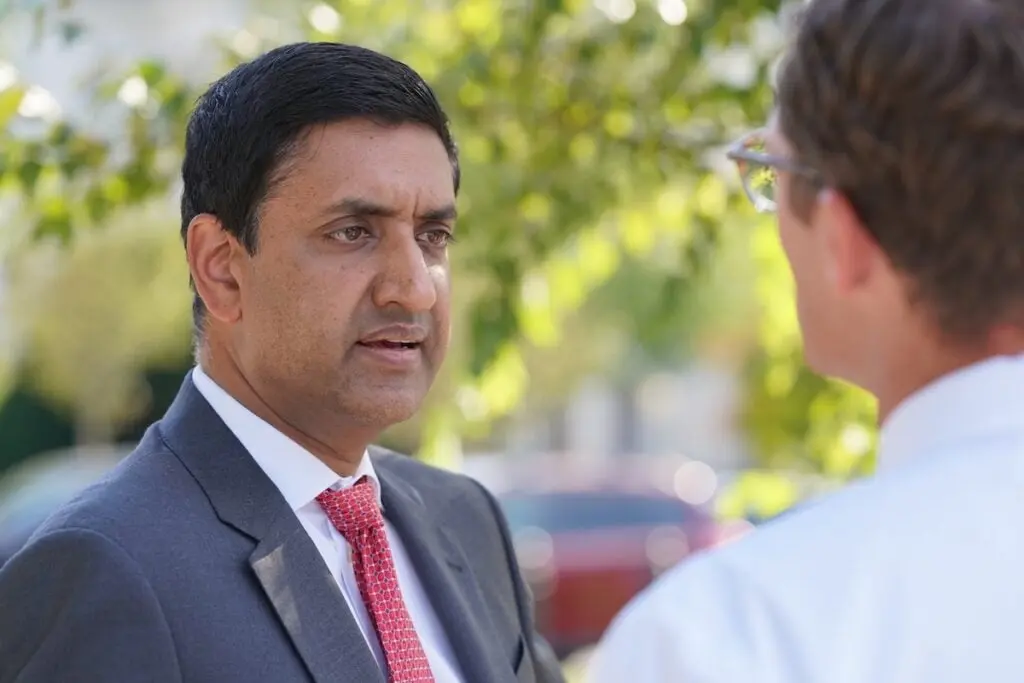
Ro Khanna Proposes Sweeping Community Protections
Rep. Ro Khanna has introduced House Resolution 1471, known as the Data Center Bill of Rights, giving local communities unprecedented authority to reject AI data centers amid growing backlash over utility rate hikes and environmental and infrastructure demands
1
2
. The California Democrat, widely expected to run for president in 2028, said communities need "the right to say no" to data center construction after hearing strong opposition during recent travels to Pennsylvania1
. The resolution was referred to the House committees on Energy and Commerce and the Judiciary2
.Local Communities Gain Power Over Siting of Data Centers
The Data Center Bill of Rights would empower communities to bar data center construction within 2,500 feet of homes, schools, childcare facilities, hospitals, or nursing homes
1
2
. Local communities control would extend to rejecting any proposed data center through a transparent community process, ensuring these facilities aren't "shoved down their throat" or placed in farmland or residential communities1
. The resolution maintains county and municipal authority to oversee data center development free from state override while allowing states to implement moratoriums until ratepayer protections are established2
. Several states, including New York, have already enacted moratoriums halting new construction1
2
.Rising Electricity Costs Drive Ratepayer Protections
Rising electricity costs have emerged as a central concern driving the resolution. Ro Khanna accused data center operators of shifting "transmission, generation, water, tax, and infrastructure costs to residents and ordinary ratepayers"
3
. Sen. Elizabeth Warren previously raised alarms that a single AI data center could use as much electricity as 100,000 households, with utility companies passing infrastructure upgrade costs onto consumers rather than major technology companies3
. The resolution prohibits increases in electricity rates for households and small businesses and requires states to adopt measures protecting ratepayers before approving new facilities2
.Related Stories
Water Consumption and Environmental Concerns Mount
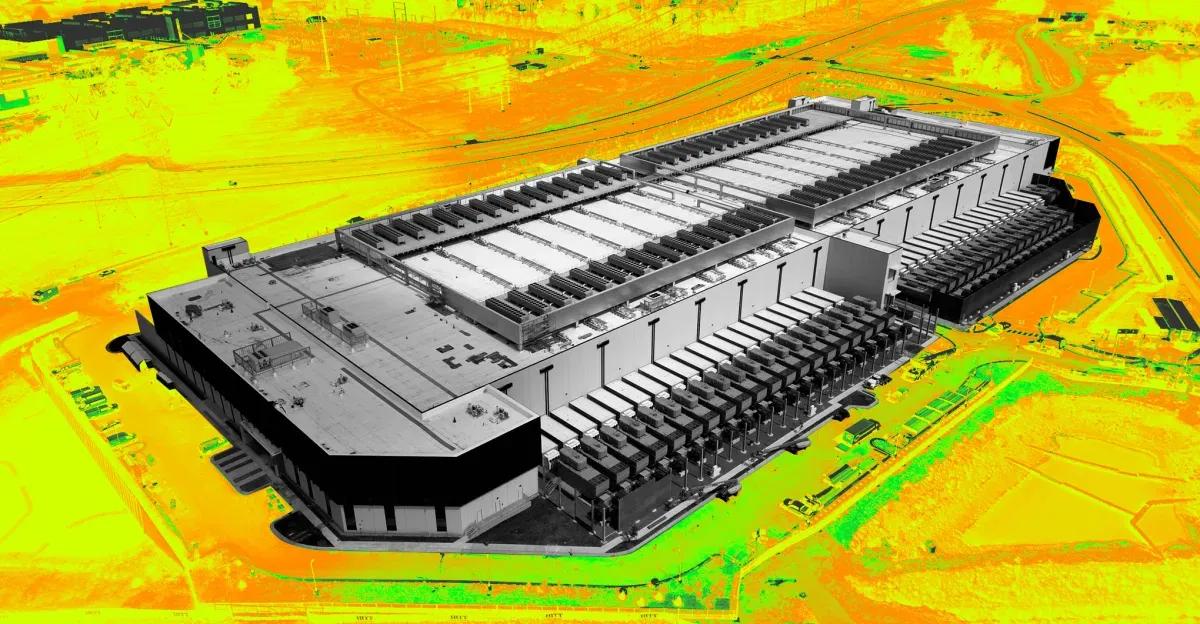
With more than 4,400 registered data centers currently operating across the United States, water consumption has become a critical issue
2
. AI data centers could consume up to 32 billion gallons of water per year by 2028, with many facilities located in water-stressed regions2
. The resolution requires data centers to use clean energy use and meet strict noise and air pollution limits while addressing groundwater risks2
3
. Khanna criticized companies for "building or operating before environmental review and permitting are complete" and using backup generators as "de facto private power plants"3
.Public Impact Reports and Transparency Requirements
The resolution mandates independent public impact reports before any project approval, assessing effects on utility bills, public health, rents, and housing availability, as well as projected job creation over 10 years
2
. This addresses concerns that some developers have used nondisclosure agreements and shell companies to obscure ownership, water use, and electricity demand2
. While data center construction can create hundreds of jobs, even the largest facilities often employ fewer than 150 permanent workers2
. Investor Kevin O'Leary urged developers to "bring your own power" rather than rely on local grids and emphasized the need for transparency about power use, water consumption, emissions and economic benefits3
. Billionaire Mark Cuban warned that venture capital firms and institutional investors could face steep losses if massive AI infrastructure spending failed to generate expected returns, joking that some facilities could eventually be "turned into pickleball courts"3
.References
Summarized by

Navi
Related Stories
Over 230 groups demand moratorium on AI data center expansion as communities revolt nationwide
09 Dec 2025•Policy and Regulation

House Passes Bill to Make AI Data Centers Pay for Grid Upgrades as Utility Costs Spark Voter Backlash
16 Sept 2026•Policy and Regulation
Environmental groups demand moratorium on data centers as electricity bills surge 13%
02 Dec 2025•Policy and Regulation

Recent Highlights



Recent Highlights
Today's Top Stories






Don’t drown in AI news. We cut through the noise - filtering, ranking and summarizing the most important AI news, breakthroughs and research daily. Follow topics that matter to you and stay ahead.


