Physical AI Is in Its LEGO Era, Says Nvidia Veteran Turned VC Amulya Vishwanath


4 Sources
[1]
Ex-Nvidia-turned-VC Amulya Vishwanath: 'Physical AI is in it's LEGO era'
It's the moment everyone is waiting for -- the ChatGPT moment for robotics, Amulya Vishwanath explained to TechCrunch's Equity. She is the founder and managing partner of Techable Ventures, a VC firm focused on physical AI, which she started after spending nearly seven years as a product marketer
[2]
Physical AI is more than robots, says the Nvidia veteran now investing in it
Amulya Vishwanath, who spent seven years leading product marketing for NVIDIA's robotics platforms, says robotics is currently in its "Lego era," with the basic building blocks like actuators, robotic hands, software, and safety standards still being rebuilt. This view runs counter to those who
[3]
A Nvidia insider-turned-VC on why robotics hasn't hit its ChatGPT moment, yet
Amulya Vishwanath, who spent seven years leading product marketing for NVIDIA's robotics platforms, says robotics is currently in its "Lego era," with the basic building blocks like actuators, robotic hands, software, and safety standards still being rebuilt. This view runs counter to those who
[4]
Robotics Still Awaits Its ChatGPT Moment, Says Former NVIDIA Leader - NVIDIA (NASDAQ:NVDA), Eli Lilly (NY
Robotics remains in a "Lego era," with actuators, robotic hands, software, and safety standards still being rebuilt, and not on the cusp of a ChatGPT moment even as capital floods into AI. Amulya Vishwanath, founder of Techable VC and a former NVIDIA Corp. (NASDAQ:NVDA) product marketing leader,
Share
Copy Link
Amulya Vishwanath, founder of Techable Ventures and former Nvidia product marketing leader, argues robotics is far from its ChatGPT moment. Instead, the industry is in a LEGO era where foundational components like actuators, robotic hands, and safety standards are being rebuilt from scratch before true innovation can scale.
Physical AI Remains in Building Block Phase
Amulya Vishwanath, founder and managing partner of Techable Ventures, challenges the narrative that robotics is approaching its ChatGPT moment
1
. After spending seven years leading product marketing for NVIDIA's robotics platforms, including work on Isaac Lab and the GR00T humanoid project, Vishwanath now invests in early-stage physical AI startups across robotics, materials science, and life sciences2
. Her perspective contrasts sharply with optimists like General Intuition CEO Pim de Witte, who believes a single foundation model will soon make specialized robotics work redundant.
Source: TechCrunch
Foundational Components for Robotics Need Rebuilding
Vishwanath describes the current state as physical AI is in its LEGO era, where basic building blocks are being fundamentally rethought
1
. Actuators, robotic hands, software infrastructure, and safety standards all require reconstruction before innovation can scale effectively4
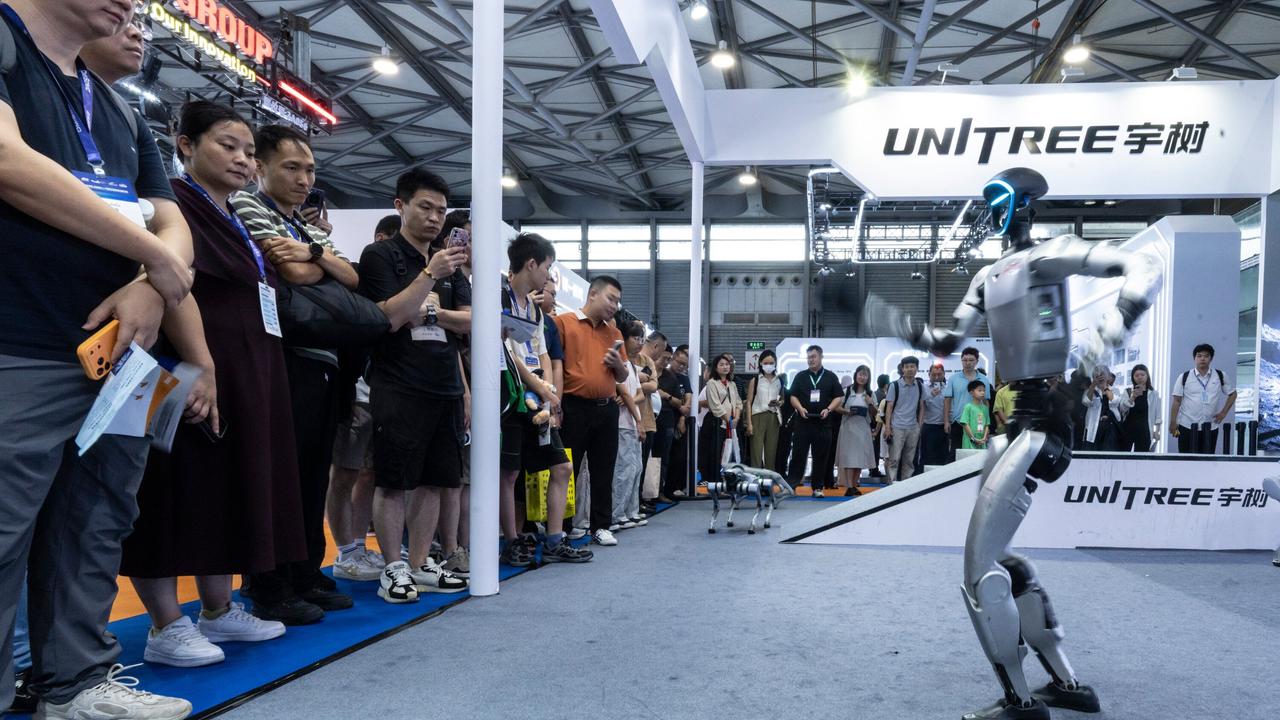
. A single humanoid robot needs dozens of actuators, which function as the machine's muscles. U.S. startups are now manufacturing these critical components domestically, establishing a supply chain that Vishwanath considers essential for competitive advantage4
.Nvidia Veteran Turned VC Defines Physical AI Broadly
The Nvidia veteran turned VC defines physical AI as extending beyond robots to encompass molecules, materials, medicines, and factory machinery
2
. Before founding Techable Ventures, Vishwanath worked at a company acquired by Intel and served as a digital signal processing engineer at Interconnect Systems, later acquired by Molex1
. She emerged as one of the first women executives to spin out of Nvidia and launch an early-stage firm focused on physical AI investments.Simulation and Safety Standards Emerge as Critical Catalysts
Vishwanath emphasizes that simulation capabilities will become increasingly critical as the industry matures
4
. She advocates for more emphasis on open-source safety standards and new regulatory frameworks specifically designed for robotics4
. Large companies are beginning to partner with startups and universities, with potential collaborations involving NVIDIA, academic institutions, and emerging companies working together to establish these standards. A September Citrini Research report supports her cautious view, finding that most humanoid robots remain in development, training, or tele-operated demonstrations rather than production deployments with clear return-on-investment cases4
.
Source: TechCrunch
Related Stories
Talent Networks Provide Competitive Edge for Founders
Vishwanath positions her firm's network as a strategic moat for portfolio companies
1
. She helps founders access top talent during a period when skilled engineers are gravitating toward large companies like Anthropic and Nvidia. Her years at NVIDIA built connections she now leverages for due diligence and customer introductions, making Techable Ventures the first call for founders seeking competitive advantages2
. She identifies talent availability as a critical differentiator for the U.S. market and emphasizes that conscious automation should address substantial problems, from family-run factories struggling to find workers to surgeons facing burnout.Historical Patterns Suggest Patience Required
Drawing parallels to previous technological shifts, Vishwanath notes that society has navigated similar foundational periods during the internet era and the Industrial Revolution
1
. Both general-purpose and special-purpose robots are being developed simultaneously, and continuous iteration will drive advancement. Ouster CEO Angus Pacala told Benzinga that while mature pilots are transitioning into production, the fundamental question remains whether robots can operate safely every day for years4
. Vishwanath maintains that robotics hasn't hit its ChatGPT moment yet, but believes the pieces will eventually fall into place as foundational work progresses.References
Summarized by

Navi
Related Stories
Nvidia unveils Rubin platform and physical AI models, igniting Wall Street optimism for future
06 Jan 2026•Technology
Silicon Valley VCs Navigate Uncertain AI Future Amid Soaring Valuations
01 Jun 2025•Business and Economy

OpenAI Expands into Robotics and Consumer Hardware with High-Profile Hire
05 Nov 2024•Technology

Recent Highlights
1
Anthropic AI Development Doubles Speed as Self-Improving Systems Near Breakthrough
Technology

2
Google's AI Policy Forces Schools to Accept AI Overviews or Lose Search Access Entirely
Technology

3
Jensen Huang Scandal: Nvidia CEO's Alleged Relationship with Chinese Spy Threatens US AI Dominance
Policy and Regulation
Recent Highlights
Today's Top Stories





Don’t drown in AI news. We cut through the noise - filtering, ranking and summarizing the most important AI news, breakthroughs and research daily. Follow topics that matter to you and stay ahead.


