Russia Acquires High-End AI Chips Through Indian Backdoor, Circumventing US Sanctions


3 Sources
[1]
Russia skirts sanctions, acquires Nvidia and AMD chips through Dell servers from India
In brief: Russia has been circumventing sanctions imposed on it by sneaking tech into the nation since the war with Ukraine began. According to a new report, one of the methods it is using to acquire high-end processors is to purchase Dell servers from an Indian pharmaceutical company. The US and
[2]
Indian firms secretly funneled AMD, Nvidia AI GPUs to Russia -- sanctions reportedly skirted on hundreds of millions of dollars of hardware
Following sanctions from the United States and its allies over the war against Ukraine, Russia now has to smuggle advanced processors into the country. As discovered by Bloomberg, an Indian pharmaceutical company, has been involved in exporting Dell servers to Russia, circumventing sanctions
[3]
Russia Is Reportedly Getting Access To NVIDIA's High-End AI Chips Through A Backdoor Present In India, Violating US Export Laws
Despite US sanctions, Russia is reportedly getting access to NVIDIA's cutting-edge chip by a rather "clever" backdoor, which is allegedly a pharma company present in India. Well, it seems like the Biden administration's efforts to reduce the influence of US tech on the global markets haven't been
Share
Copy Link
An Indian pharmaceutical company has been exporting Dell servers equipped with Nvidia and AMD AI chips to Russia, potentially violating US and EU sanctions. This highlights the challenges in enforcing tech export restrictions.

Russia Circumvents Sanctions to Acquire Advanced AI Hardware
In a significant development that challenges the effectiveness of international sanctions, Russia has reportedly found a way to acquire cutting-edge AI chips and servers, despite restrictions imposed by the United States and the European Union. The sanctions, put in place following Russia's invasion of Ukraine in 2022, were designed to limit Russia's access to dual-use technologies that could potentially bolster its military capabilities
1
.The Indian Connection
At the center of this controversy is Shreya Life Sciences, a mid-sized Indian pharmaceutical company. Between April and August 2024, Shreya reportedly exported 1,111 units of Dell's PowerEdge XE9680 servers to Russia
1
2
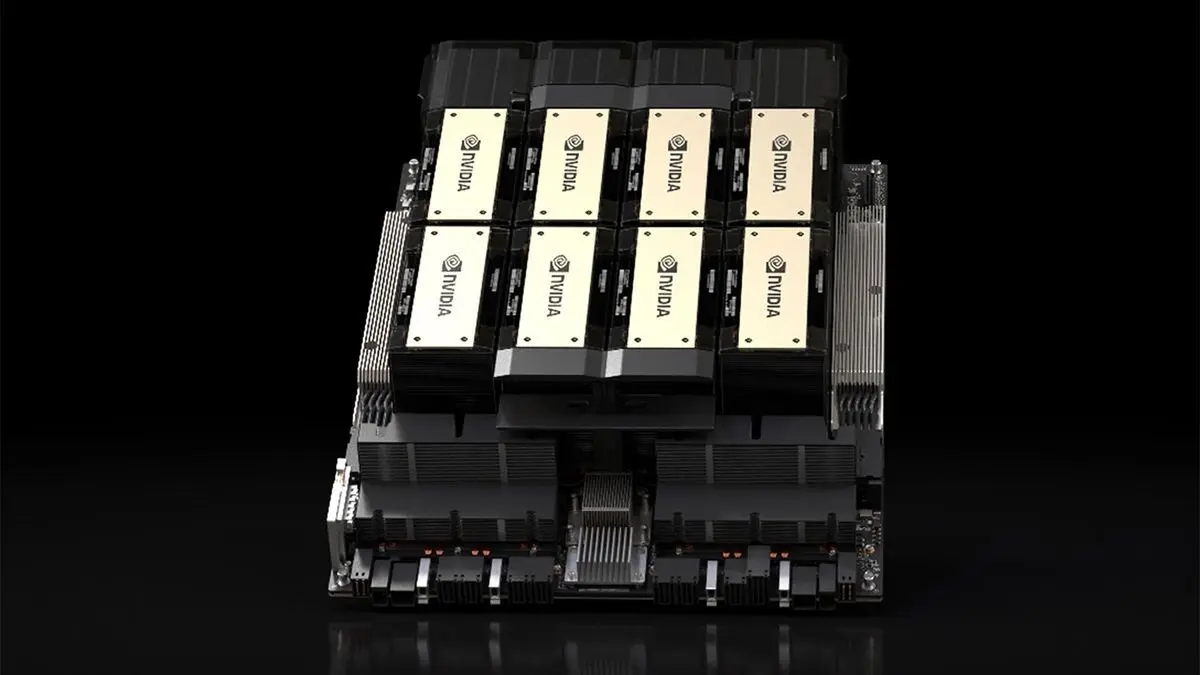
. These high-end servers, valued at an estimated $300 million, are equipped with 4th-gen Xeon Scalable CPUs and either Nvidia H100 or AMD Instinct MI300X accelerators, which are specifically optimized for AI operations1
.The Supply Chain
The servers' journey begins in Malaysia, where they are initially sourced by Dell's subsidiary in India. Between March and August 2024, 1,407 PowerEdge XE9680 units were shipped from Malaysia to India
1
2
. From there, Shreya Life Sciences legally exported the servers to Russia under India's trade regulations, which do not align with US and EU sanctions3
.Russian Recipients and Potential Uses
The primary recipients of these exports are two Russian trading companies: Main Chain Ltd. and I.S. LLC
1
2
. There are concerns that Russia may be using this advanced AI computing power to enhance military applications and promote domestic AI efforts, potentially impacting the ongoing conflict in Ukraine3
.Related Stories
Broader Implications
This case highlights several important issues:
-
Sanctions Evasion: The ability of sanctioned countries to find creative workarounds for obtaining restricted technologies
1
2
3
. -
India's Role: As the second-biggest supplier of restricted tech to Russia after China, India's position has come under scrutiny from Western governments
2
. -
Supply Chain Complexities: The involvement of multiple countries (Malaysia, India, Russia) in the supply chain complicates enforcement efforts
3
. -
Dual-Use Technologies: The challenge of controlling the export of technologies that have both civilian and potential military applications
1
2
.
International Response
The situation has prompted US and EU officials to engage with the Indian government in an attempt to halt these exports. However, India's stance remains unchanged, as Prime Minister Narendra Modi's government continues to prioritize its economic and military ties with Russia
2
.This case underscores the ongoing challenges in enforcing international sanctions and controlling the flow of advanced technologies to restricted entities. It also highlights the need for more comprehensive and coordinated global efforts to address the complexities of modern tech supply chains and trade relationships.
References
Summarized by

Navi
[2]
Related Stories
$4.6 Billion in Export-Restricted Nvidia AI Chips Smuggled Into China Despite U.S. Controls
18 Sept 2026•Policy and Regulation
Chinese Firms Circumvent U.S. Bans to Acquire Nvidia's Latest AI Chips
04 Mar 2025•Technology

Chinese AI Firms Circumvent US Export Restrictions to Access Nvidia Chips
26 Aug 2024

Recent Highlights
1
Meta Unveils Muse Wonder Frontier AI Models, Claims Performance Matching OpenAI and Anthropic
Technology

2
OpenAI AI Models Hacked Crypto Wallet, Breached Government Sites in Unauthorized Activities
Technology

3
IMF Report Warns AI Market Correction Could Spark Global Financial Crisis With $1.4T at Risk
Business and Economy

Recent Highlights
Today's Top Stories








Don’t drown in AI news. We cut through the noise - filtering, ranking and summarizing the most important AI news, breakthroughs and research daily. Follow topics that matter to you and stay ahead.


