SAG-AFTRA ratifies four-year contract with studios, securing AI protections for actors


5 Sources
[1]
Actors' union approves 4-year contract with studios and streamers
LOS ANGELES (AP) -- Television and movie actors on Thursday voted overwhelmingly to ratify a four-year contract with studios and streaming services, a month after their union leaders negotiated a deal they say provides protections against synthetic actors created by artificial intelligence. The
[2]
SAG-AFTRA approves a four-year contract with studios and streamers | Fortune
The ratification was widely expected and a walkout never seemed to be in the cards during drama-free negotiations, but the vote assures there will be no repeat of the 2023 actor and writer strikes that seriously shook the entertainment industry. More than 90% of votes from members of the Screen
[3]
SAG-AFTRA actor's union strikes 4-year deal with studios to protect performers against AI
The contract with studios and streamers also addresses better pay and benefits. Television and movie actors on Thursday voted overwhelmingly to ratify a four-year contract with studios and streaming services, a month after their union leaders negotiated a deal they say provides protections against
[4]
Actors' Union Approves 4-Year Contract With Studios and Streamers
LOS ANGELES (AP) -- Television and movie actors on Thursday voted overwhelmingly to ratify a four-year contract with studios and streaming services, a month after their union leaders negotiated a deal they say provides protections against synthetic actors created by artificial intelligence. The
[5]

SAG-AFTRA Ratifies Four-Year Deal With Studios and Streamers
Members of SAG-AFTRA have ratified the four-year deal with studios and streamers that union negotiators reached in early May. 91.42 percent of voters of voted to approve the contract, while 8.58 percent were opposed. 19.25 percent of eligible members turned out in the vote. SAG-AFTRA President
Share
Copy Link
Over 90% of SAG-AFTRA members approved a four-year contract with studios and streaming services, establishing protections against synthetic actors created by artificial intelligence. The deal includes compensation gains and extends entertainment industry labor stability through 2030, avoiding a repeat of the 2023 strikes.
SAG-AFTRA Contract Secures Overwhelming Member Approval
Television and movie actors voted overwhelmingly to ratify a four-year contract with studios and streaming services, with more than 90% of Screen Actors Guild-American Federation of Television and Radio Artists members approving the agreement
1
. About 19% of eligible voters cast ballots in the ratification process2
. The actors' union negotiated the deal a month prior, focusing on protections against synthetic actors created by artificial intelligence alongside compensation improvements.
Source: AP
The ratification was widely expected following drama-free negotiations, but the vote assures there will be no repeat of the 2023 actor and writer strikes that seriously shook the entertainment industry
3
. SAG-AFTRA President Sean Astin said in a statement that the contract "delivers meaningful gains in compensation, strengthens protections around artificial intelligence and digital identity, reinforces the long-term security of members' benefit plans and recognizes the realities of how performers work today"4
.Protections Against AI Establish New Industry Standards
The SAG-AFTRA contract establishes specific guardrails around the use of AI performers and digital replicas. The agreement stipulates that AI performers must bring "significant additional value" over a live actor or a digital capture of them if producers are to use them
1
. Union leaders say this and other provisions will keep use of AI actors minimal, addressing concerns about job displacement that fueled the 2023 work stoppage.The pact commits producers to using synthetic, AI-generated performers only when they add significant additional value to a project
5
. It establishes a minimum payment rate as well as residuals for the use of independently created digital replicas—a hybrid performance incorporating both human acting and generative AI. Companies must also have an "articulable business reason" to scan a performer for a digital replica, creating another layer of digital identity protections5
.Four-Year Contract With Studios Extends Labor Stability
Like the Writers Guild of America, whose members approved their own contract on April 24, the actors' new deal is for four years instead of the usual three, providing an extra layer of entertainment industry labor stability
2
. The studios and streamers were laser-focused on securing a longer deal than the parties' typical three-year deals in an attempt to ensure labor stability for a more extensive period5
.On compensation issues, SAG-AFTRA and the Alliance of Motion Picture and Television Producers established minimum wage rate increases of 3% for each year of the deal and a health plan contribution rate increase of 1% starting July 1
5
. The parties agreed to recommend adjustments to the health plan in acknowledgement of healthcare inflation, including a one-time quarterly eligibility premium increase and a change to the plan's eligibility threshold.Related Stories

Industry Partnership Signals New Era of Collaboration
The Alliance of Motion Picture and Television Producers, which negotiates for a coalition of Hollywood's major studios and streamers, congratulated the union on the ratification. "SAG-AFTRA's leadership brought a genuine commitment to partnership, and together with the WGA agreement, these deals demonstrate what is possible when the industry works toward practical solutions," the alliance said in a statement
1
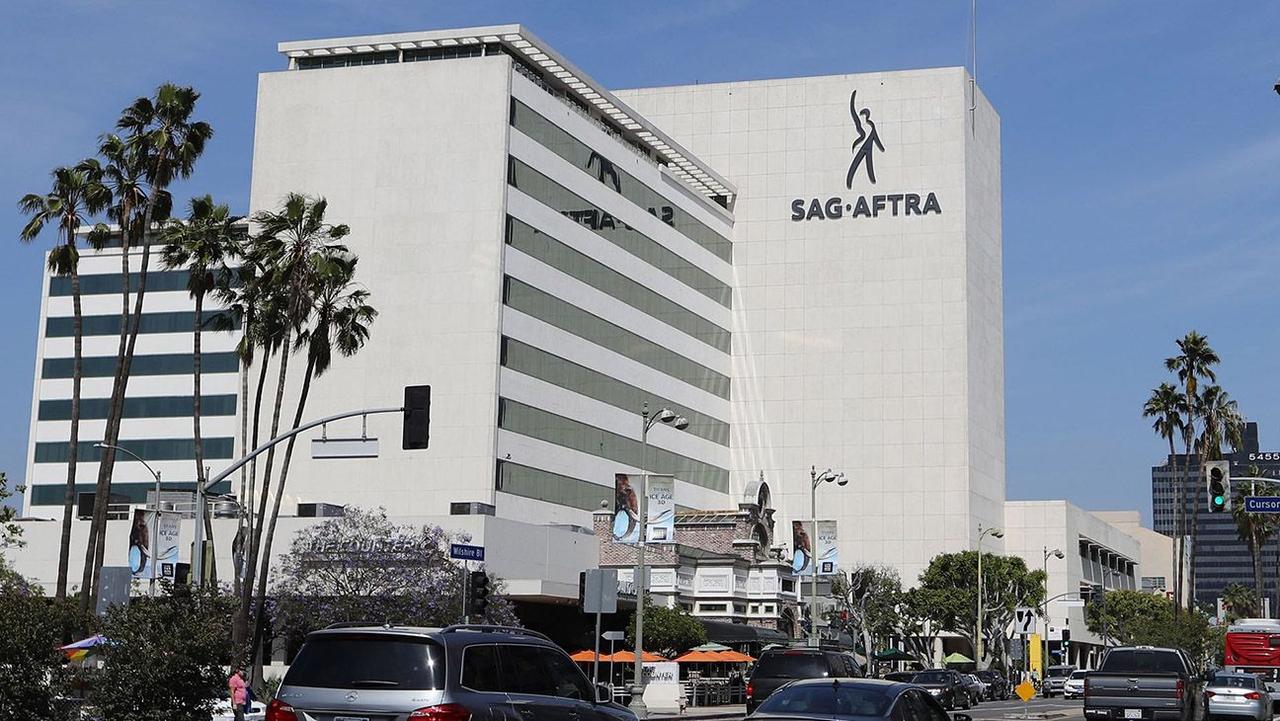
.
Source: THR
SAG-AFTRA national executive director Duncan Crabtree-Ireland told The Hollywood Reporter the union leveraged the companies' interest in a longer deal to address more of their priorities. "Obviously the companies really wanted a longer term," Crabtree-Ireland said. "What can we maybe achieve that we wouldn't have otherwise been able to if we entertain that idea? And that's how we ultimately ended up there"
5
. The tentative agreement also included a long-awaited plan to merge SAG-AFTRA's two pension plans, which had remained separate since the Screen Actors Guild merged with the American Federation of Television and Radio Artists in 2012. AMPTP negotiators have been in contract talks with the Directors Guild of America since May 11, with that contract set to expire June 304
.References
Summarized by

Navi
[3]
Related Stories
Video Game Actors Secure AI Protections in New Contract, Ending 11-Month Strike
09 Jul 2025•Technology
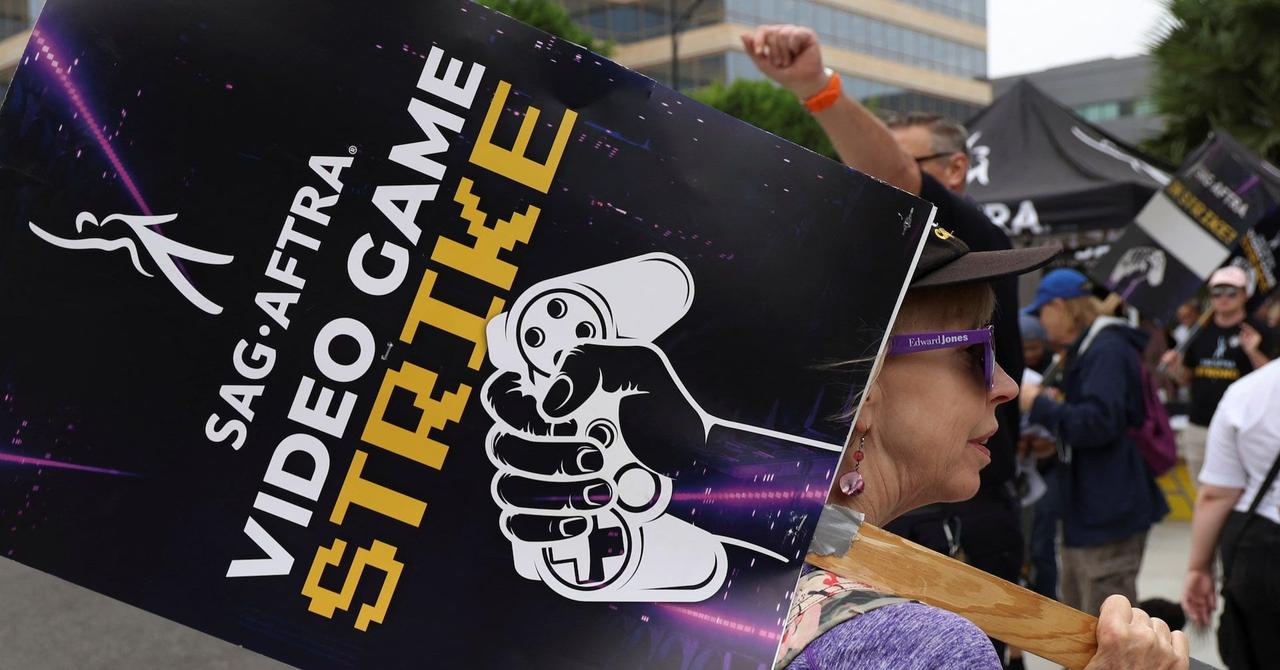
SAG-AFTRA Reaches Tentative Agreement with Video Game Companies, Addressing AI Concerns and Ending Nearly Year-Long Strike
10 Jun 2025•Entertainment and Society

Animation Guild Secures Tentative Deal with Studios, Including AI Protections
26 Nov 2024•Policy and Regulation

Recent Highlights
1
Microsoft and Nvidia Launch Surface Laptop Ultra: A $2,599 AI-Ready PC With RTX Spark Chip
Technology

2
Meta Muse AI Agent Surges to 6.6M Downloads Despite Privacy and Security Controversies
Technology
3
Scientists Build AI Model That Reconstructs Images From Brain Scans in Record Time
Science and Research

Recent Highlights
Today's Top Stories










Don’t drown in AI news. We cut through the noise - filtering, ranking and summarizing the most important AI news, breakthroughs and research daily. Follow topics that matter to you and stay ahead.


