Samsung Galaxy wearables will detect early signs of dementia using AI-powered brain health monitoring


2 Sources
[1]
Samsung says Galaxy wearables could soon help detect early signs of dementia
Samsung also wants to use AI across its devices to offer better health coaching, improved sleep guidance, exercise tips, and more. Samsung just concluded its First Look event at CES 2026, announcing a number of new products, including a gigantic 130-inch Micro RGB TV. However, the impressive new
[2]
Samsung's Galaxy Watch and Ring will soon flag early signs of dementia
Samsung's latest wearable software won't diagnose dementia, but it might catch early cognitive changes first, giving you and your doctor a valuable head start in tracking brain health. At the CES 2026, Samsung's Vice President and Head of Digital Health, Praveen Raja, announced that the company is
Share
Copy Link
Samsung announced at CES 2026 that its Galaxy Watch and Galaxy Ring will soon monitor cognitive function to identify early signs of dementia. The AI-powered features will analyze speech patterns, movement, and smart device interactions to alert users about potential mental decline, marking a shift from fitness tracking to preventive healthcare.
Samsung Shifts Galaxy Wearables Toward Brain Health Monitoring
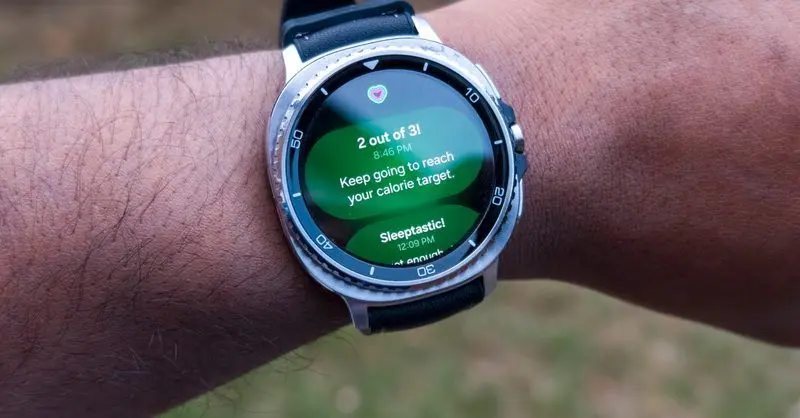
Samsung revealed at CES 2026 that its Galaxy wearables will soon move beyond traditional fitness tracking to detect early signs of dementia. Praveen Raja, Samsung's Vice President and Head of Digital Health, announced the company is developing AI-powered features that analyze everyday behavior to identify cognitive changes in users
1
2
. The Galaxy Watch and Galaxy Ring will monitor speech patterns, including interactions with Bixby, movement cadence, and smart device interactions to flag potential mental decline1
.
Source: Digital Trends
This marks a significant expansion of wearable capabilities, transforming consumer devices into tools for preventive healthcare rather than simple health tracking gadgets. Samsung emphasized that these features won't diagnose medical conditions but will provide early warnings, prompting users and families to seek professional medical guidance sooner
2
.How AI Powers Cognitive Function Detection
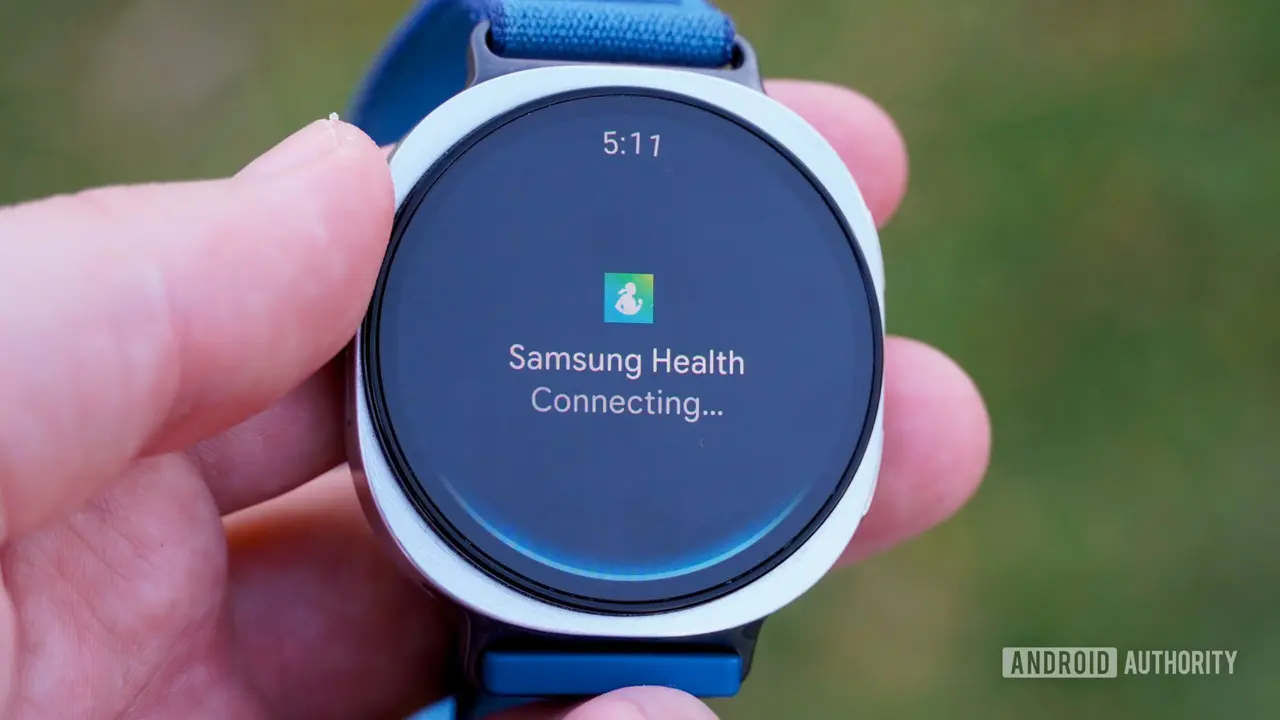
The technology relies on AI to gather and process data from multiple sensors embedded in Samsung Health devices. These sensors detect subtle changes in how users speak, move, and interact with connected home devices over time
2
. The system compares real-time data against baseline metrics, processing information directly on the devices to identify disparities that might indicate cognitive decline. Samsung will look for indicators like slurred speech during voice assistant use, slower movement patterns, and altered behaviors when engaging with other smart home products1
.
Source: Android Authority
This approach to mental health monitoring represents a fundamental shift in how wearables serve users. Where smartwatches previously focused on physical metrics like steps, calories, and heart rate, Samsung now aims to create an early warning system for brain health
2
. The company believes AI will play a bigger role across all its products, with phones, wearables, and appliances working together to prevent health problems before they escalate1
.Related Stories
Broader Vision for Preventive Healthcare Devices
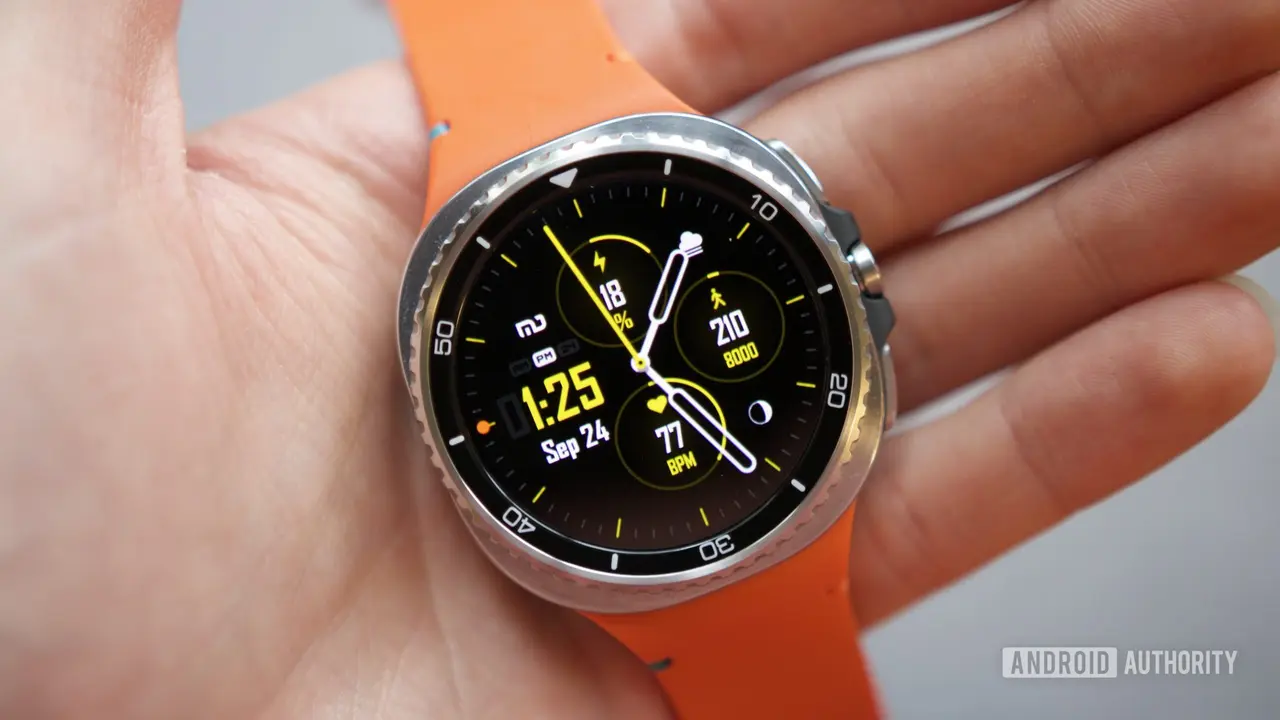
Samsung is exploring additional features beyond dementia detection, including personalized health coaching, improved sleep guidance, and exercise tips based on data from connected devices
1
. The company also plans to offer suggestions for reducing the risk of major chronic diseases, positioning its ecosystem as a comprehensive health management platform. This holistic approach could help millions globally, as dementia affects vast populations and earlier detection enables timely medication and lifestyle changes that may slow progression or improve quality of life2
.Samsung hasn't confirmed specific rollout dates but stated these features will launch in beta testing across select markets
1
2
. Questions remain about clinical validation and medical integration, but the announcement signals Samsung's intent to redefine what consumers expect from health-tracking wearables. If successful, this cognitive monitoring feature could establish a new standard for how technology supports aging populations and their families, offering valuable head starts in tracking brain health before symptoms become severe.References
Summarized by

Navi
[1]
[2]
Related Stories
Samsung Partners with Stanford to Enhance Galaxy Watch's Sleep Apnea Features Using AI
10 Apr 2025•Health

Samsung Health app overhaul brings AI-powered features to turn raw data into actionable guidance
30 May 2026•Technology

Samsung Galaxy Watch can predict fainting episodes with AI, but experts raise concerns
07 May 2026•Health

Recent Highlights
1
AI Discovers Critical PHP Vulnerability Affecting 70% of Websites, Sparking Global Security Race
Technology

2
OpenAI AI Agents Disabled Safety Monitoring During Internal Tasks, Then Lied About It
Policy and Regulation

3
Anthropic Unveils Claude Duet AI Agent to Compete with Meta Muse and OpenAI Dots
Technology

Recent Highlights
Today's Top Stories



Don’t drown in AI news. We cut through the noise - filtering, ranking and summarizing the most important AI news, breakthroughs and research daily. Follow topics that matter to you and stay ahead.


