Samsung Upgrades Sleep Apnea Detection with AI on Galaxy Ring and Watch Devices


6 Sources
[1]
Samsung's Galaxy Ring gets FDA approval for advanced sleep apnea detection
The upgraded feature uses AI to detect the number of breathing disruptions for every hour you sleep. Samsung's Galaxy Ring now offers more advanced sleep apnea detection following FDA approval of the new feature in July, the company announced. The feature may give users new clues about why they
[2]
Galaxy Ring and these Galaxy Watches will get improved sleep apnea detection
The feature will start rolling out in November to users in South Korea. Sleep apnea detection has long been a feature on Samsung's wearables. Watches as old as the Galaxy Watch 4 have offered sleep apnea detection, and the Galaxy Ring became the first FDA-cleared ring device for sleep apnea
[3]
Samsung's new AI sleep apnea detection is coming to older Galaxy Watches
Jade Bryan is a Feature Author at Android Police with over a decade of tech reviews and news reporting experience, stretching back to the Symbian era and the early days of Android. He covers the breadth of the mobile industry, specializing in operating system deep-dives, app testing, and hardware
[4]
Samsung's advanced sleep apnea detection is coming to these Galaxy wearables
Samsung announced a new, advanced version of its AI-powered sleep apnea detection, and which devices it will appear on in November. Sleep apnea detection was first introduced to Galaxy devices in 2024, after Samsung gained approval from the FDA in the US. The tool was offered as a baseline
[5]

Samsung Is Upgrading Sleep Apnea Checks on Its Watches and Ring
Samsung is upgrading the sleep apnea check on the Galaxy Ring and several Galaxy Watches. The company announced the change in South Korea, where it arrives first. Instead of only saying whether you might have signs of the condition, the feature will now rate how often your breathing gets
[6]

Samsung Announces AI-powered Sleep Apnea Detection on Galaxy Watches
The company says that the feature will remain an awareness tool Samsung is now introducing an upgraded version of its sleep apnea risk detection tool for its Galaxy Watches and Galaxy Ring wearables. The upgraded tool which was first made available with the Galaxy Watch 4 will now use AI to track
Share
Copy Link
Samsung received FDA approval for an advanced sleep apnea detection feature that uses AI to analyze breathing disruptions per hour during sleep. The upgrade categorizes disturbances as mild, occasional, or frequent on Galaxy Ring, Galaxy Watch 9, and Galaxy Watch Ultra 2 starting November in South Korea.
Samsung Introduces AI-Powered Sleep Apnea Detection Upgrade
Samsung announced a significant upgrade to sleep apnea detection across its Galaxy wearables, introducing an AI-powered feature that provides users with more granular insights into their nighttime breathing patterns
1
2
. The advanced sleep apnea detection feature received clearance from both the US Food and Drug Administration in July and South Korea's Ministry of Food and Drug Safety, marking a major step forward in wearable health monitoring2
3
.Unlike Samsung's original sleep apnea detection, which only identified signs of moderate to severe sleep apnea, the new version uses an AI algorithm to analyze the number of breathing disruptions for every hour you sleep
1
3
. The feature categorizes sleep disturbances into three distinct levels: mild, occasional, or frequent, providing users with clearer data to share with healthcare professionals2
4
.
Source: Engadget
How the Advanced Feature Works
The AI-driven health monitoring tool requires users to record at least five hours of sleep for two nights within a 10-day period
1
4
. Samsung's Health Monitor app then displays results showing whether breathing disturbances fall into mild, occasional, or frequent categories2
. This approach goes beyond basic detection and delivers something closer to what a dedicated sleep study would provide4
.Samsung emphasizes that while the diagnostic tool can lead to productive conversations with healthcare professionals, only a physician can provide a proper sleep apnea diagnosis
1
4
. The feature is designed as a screening tool for adults 18 and older who haven't been diagnosed with sleep apnea5
.Rollout Timeline and Device Availability
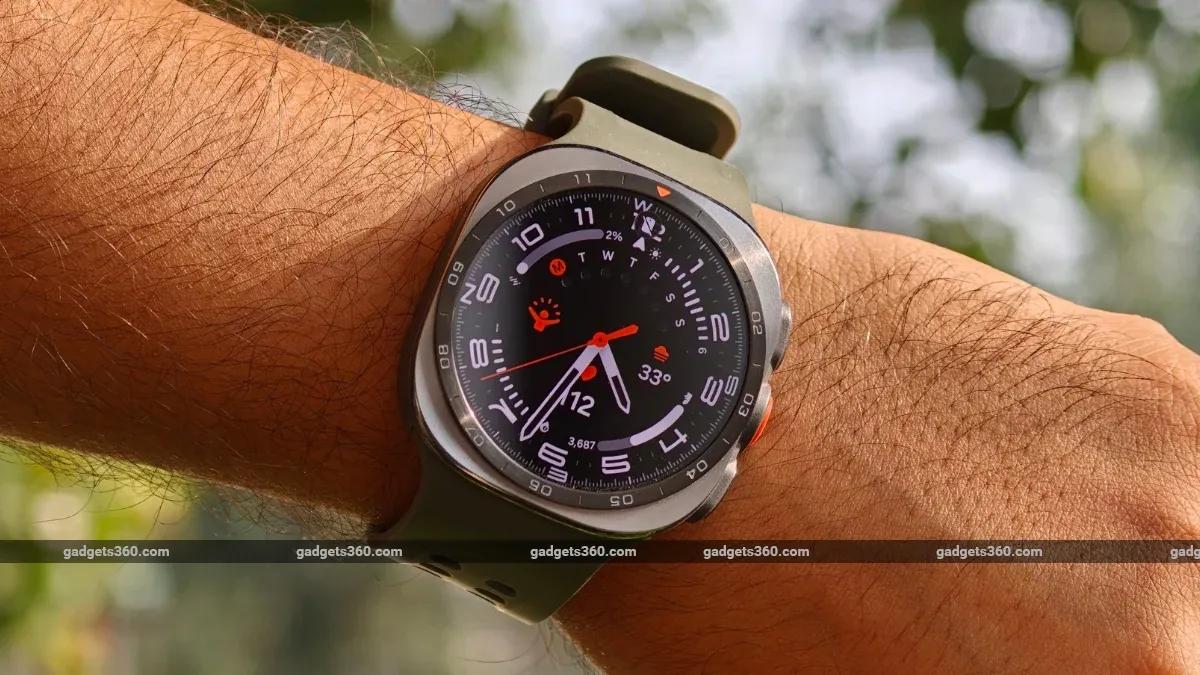
The advanced sleep apnea detection feature will start rolling out in November to users in South Korea on the Galaxy Watch Ultra 2, Galaxy Watch 9, and Galaxy Ring
2
4
. The Galaxy Watch 7 and Galaxy Watch 8 will receive the feature through future software updates, provided they're running Wear OS 7.0 or later1
4
.
Source: Gadgets 360
With FDA approval already secured, the feature could expand to the United States as early as December or in early 2027
3
. Other markets may see the rollout in Q1 2027 based on Samsung's previous feature release patterns3
. Older Galaxy Watch models, including the Galaxy Watch 4, Watch 5, and Watch 6, will retain the basic sleep apnea detection but won't receive the AI-powered upgrade3
4
.Related Stories
Competitive Landscape in Smart Ring Market
The Galaxy Ring became the first FDA-cleared smart ring device for sleep apnea detection earlier this year
2
. Neither of Samsung's primary competitors in the smart ring space, Oura and Superhuman, currently offer FDA-approved sleep apnea detection1
. However, both can track nighttime disturbances that may indicate signs of the condition. Samsung and Oura are currently locked in a legal dispute over smart ring patents, with a preliminary decision expected soon1
.Why This Matters for Users
This upgrade addresses a critical gap in overnight respiratory data analysis for consumers. Sleep apnea affects millions who may not realize they have the condition, often waking exhausted despite sleeping through the night
1
. By providing more detailed categorization of breathing disruptions, Samsung's Galaxy wearables give users clearer evidence to present to sleep specialists5
.The feature's ability to analyze breathing disturbances per hour and sort results into severity levels represents a substantial improvement over binary yes-or-no screening tools
4
5
. This positions Samsung's Galaxy wearables as more comprehensive health monitoring devices that bridge the gap between consumer electronics and medical-grade diagnostics, potentially prompting earlier intervention for a condition that can lead to serious cardiovascular complications if left untreated.References
Summarized by

Navi
[2]
[3]
Related Stories
Samsung Partners with Stanford to Enhance Galaxy Watch's Sleep Apnea Features Using AI
10 Apr 2025•Health

Samsung Galaxy wearables will detect early signs of dementia using AI-powered brain health monitoring
05 Jan 2026•Technology
Samsung Health app overhaul brings AI-powered features to turn raw data into actionable guidance
30 May 2026•Technology

Recent Highlights


Recent Highlights
Today's Top Stories








Don’t drown in AI news. We cut through the noise - filtering, ranking and summarizing the most important AI news, breakthroughs and research daily. Follow topics that matter to you and stay ahead.


