5 Sources
[1]
Samsung's updated Health app unsurprisingly comes with new AI-powered features - Engadget
The new app was designed to showcase the upcoming Galaxy Watches' capabilities. Samsung will start rolling out an update on June 8 that will make its Health app more useful in everyday life. The company says that updated app will translate "complex biometric data -- from overnight sleep to daily activity -- into simple, actionable guidance." It will also showcase features that will be found on the Galaxy Watches that the company is launching this year. As you've probably already expected, the features in the updated Health app will be powered by generative AI. The new Vitals feature, for instance, will use AI to analyze your heart rate, heart rate variability, respiratory rate, skin temperature and blood oxygen against their true resting baseline overnight. If the app detects meaningful deviations, it will send you a notification to say if you need more rest or if it's possible that you may be fighting an illness. It's the an upgraded version of the Energy Score in the old app The old Health app can already give you information on your vascular load, which is the work your heart has to do to pump blood throughout your body. Now, the app's Vascular Load function is turning into Heart Health Score. It combines metrics monitored by the Vascular Load feature, including sleep, stress and activity, with body composition data. The app will literally score your heart health and give you advice on how to improve it, such as taking more steps or eating bananas and other food rich in potassium. Another new feature called Daily Cardio Load can recommend optimal training targets and rest times while working out, based on your metrics and overall profile. Meanwhile, Fitness Index will analyze your daily steps and your metrics, such as your heartrate and VO2 max or the maximum amount of oxygen your body can use during intense physical exercise, and then compare them against your peers. It will then give you personalized goals so you can focus on specific fitness aspects you may want to improve, such as your endurance or your strength. While the Health app's features will work across Galaxy mobile phones and connected devices, Samsung says these advancements "will be fully realized with the launch of Samsung's next generation of Galaxy Watches." Samsung is expected to unveil the new Galaxy Watch 9 and Ultra 2 at an Unpacked event this July.
[2]
Samsung's next Galaxy Watch update could finally make your health data useful
AI-generated health reports may analyze patterns, predict trends, and offer personalized recommendations instead of simply displaying raw numbers. Tired of your smartwatch just throwing raw heart rate numbers and sleep scores at you without giving you any clue what to actually do with them? That age of passive tracking might soon be over. A new leak hints that Samsung is about to release the first beta for One UI 9 Watch, and it's said to bring a massive shift from basic data collection to predictive health coaching. According to tipster @TonySamsunglove on X, Samsung is preparing to roll out the One UI Watch 9.0 beta, with a major emphasis on deep Galaxy AI integration. The biggest change appears to be what Samsung does with health data. Galaxy watches are already collecting a wealth of information with the BioActive sensor, such as heart rate, sleep data, body composition, and activity tracking. The issue is that much of that data is often in charts and graphs that many users seldom look at again. That might change with One UI 9 Watch. The latest gossip points to Samsung working on developing AI-generated health reports and more intelligent insights that are no longer just about daily numbers. This means the software may look for patterns, predict trends, and give you more meaningful recommendations based on your habits rather than just telling you what happened. The source also says Samsung is optimizing the BioActive Sensor and working on more health metrics for the next release, but the details about those new measurements are not clear. The One UI 9 Watch will likely be based on Google's Wear OS 7 platform. Wear OS 7 will get new upgrades soon, including deeper Gemini integration, battery life optimizations, live activity updates, and improved workout tracking systems. Those platform-level upgrades could provide Samsung an even bigger base for its AI features. In terms of availability, Samsung is reportedly planning on a familiar beta strategy. If past launches are anything to go by, the first beta should be available for the Galaxy Watch 8 line in South Korea and the US before heading to other models. If these rumors turn out to be true, One UI 9 Watch could be Samsung's most ambitious attempt yet at turning raw health data into actionable insights.
[3]
Samsung Health is about to understand your body better than you do
Google rebranded the Fitbit app to Google Health and gave it a huge AI-focused overhaul to deliver a more personalized experience. Samsung is now doing something similar with Samsung Health, announcing one of its biggest revamps since its launch. The upgraded Samsung Health app will feature a new design divided into five sections: Sleep, Activity, Nutrition, Mindfulness, and Vitals. The home screen will display an AI-powered Energy Score, giving you a quick overview of your health and energy levels. In addition to the revamped design, Samsung Health will use AI to make your health data more actionable, personalized, and easier to understand. A new Vitals feature will analyze your overnight heart rate, heart rate variability, respiratory rate, skin temperature, and blood oxygen levels against their baseline scores. If there are any major changes, Samsung Health will send an alert, so you can take a step back to rest more or recover better. Apple offers a similar feature in its Health app. Building on last year's Vascular Load feature, Samsung Health is introducing Heart Health Score. It uses your sleep, stress, activity, and body composition data to provide a clearer picture of your heart health. Fitness Index and Daily Cardio Load are two other new metrics coming to Samsung Health. The first one will rate your overall fitness based on your heart rate, VO2 max, and daily step count. The latter measures the cardiovascular strain from your workouts and daily activity, then recommends personalized training plans based on your fitness level and recovery needs. Another notable new addition is Hearing Health, which will use your Galaxy Watch to measure the ambient noise and provide insights on how you can protect your hearing. New Samsung Health features may only go live with the Galaxy Watch 9 Based on Samsung's announcement, the next-generation Samsung Health update appears focused on turning the health data it collects into more personalized, actionable insights powered by AI. The revamped Samsung Health update will begin rolling out on June 8. However, Samsung's announcement suggests that most of the new health features will debut alongside the Galaxy Watch 9 series later this year. That could mean waiting for another couple of months, as rumors suggest the next Unpacked event will be scheduled on July 22.
[4]
Samsung Galaxy Watch users are getting a completely redesigned, AI-first app for a 'personalized experience', whether they like it or not -- and we only have to look at Fitbit to see how well that's going
* Samsung Galaxy Watch users are getting a completely redesigned health app with new features * These new features include Vitals, Cardio Load and a dedicated Heart Health score * The app is now AI-first, designed to turn Galaxy Watches into 'AI-powered health companions' Samsung Galaxy Watch and Samsung Galaxy Ring users are going to see some big changes in the Samsung Health app. Referred to as 'a new experience' by Samsung press material, the redesigned health app includes new metrics and AI-powered summaries to break it all down for you. Samsung says the new app 'uses AI to translate overnight and daily biometric data into personalized health guidance, helping users better understand everything from recovery and heart health to training load and overall wellbeing'. This sounds familiar. Fitbit has recently undergone a complete AI-first redesign, too, including a name change to Google Health. It's not all been sunshine and roses, as many Fitbit users intensely dislike the forced pivot to AI, with what was Fitbit Premium now entirely revolving around its new AI Google Health Coach tool. Samsung Health already uses AI in the background, such as using machine learning to calculate stats like your Energy Score, but this redesigned app is also shifting generative AI to the forefront. The timing of this move is likely to draw serious ire from Samsung users. Don't panic, Samsung users Fortunately, it's not as bad as all that, despite Samsung's similar AI-forward messaging and app redesign, so Galaxy Watch users can lower their pitchforks (for now). For one thing, Samsung hasn't introduced a paywall to Samsung Health; otherwise, there would be riots in the streets. Second, on closer inspection, the redesign is also slightly less drastic than Google's: rather than being entirely oriented around an AI chatbot, as Google Health has chosen to do, Samsung has instead decided to use GenAI to summarize and explain your metrics, adding new ones so the user can drill down into different aspects of their health in more detail. I've listed all the new metrics below. Existing tools such as Samsung's Sleep Score, Energy Score, and Antioxidant Index remain, and Samsung hasn't announced that it's removing any features -- again, unlike Fitbit and Google, which removed features like Badges and Challenges. I've listed all the new features below. Each of these features will get contextual AI summaries, explaining what the numbers mean and, where necessary, how to improve them. * Vitals: Similar to Apple Health's feature, Vitals will analyze 'five key overnight bio-signals -- heart rate, heart rate variability, respiratory rate, skin temperature, and blood oxygen -- against their true resting baseline'. Essentially, Samsung will notify you if one or more of these metrics are abnormal, indicating you might be getting sick. * Heart Health Score: Combining Samsung's Vascular Load metric with the Body Composition features on its watches, which can measure muscle and fat in the same way as the best smart scales. If you've got low Vascular Load and an in-range body fat percentage, your Heart Health Score is likely to be good. * Daily Cardio Load: Accumulated strain based on recent cardiovascular exercise, like runs and cycle rides. Will contribute to your Energy Score. * Fitness Index: A radar chart of five different metrics (Strength, Flexibility, Endurance, Cardio, Body Composition). The strangest so far: how Samsung intends to accurately measure flexibility with a Galaxy Watch remains a mystery to me. I've reached out to Samsung to clarify this. The timing of this upgrade is certainly interesting: reports recently surfaced of a Samsung Galaxy Fit 4 that, when paired with this AI-powered Samsung Health upgrade, would make for a real Google Fitbit Air contender. Follow TechRadar on Google News and add us as a preferred source to get our expert news, reviews, and opinion in your feeds.
[5]
Samsung's Galaxy Watch is about to get a lot smarter at making sense of your health data
Samsung's smartwatch health tracking has never really suffered from a lack of data. If anything, the problem has been the opposite. Galaxy Watches already collect data on heart rate, sleep patterns, body composition, and activity metrics, but much of that information ends up buried in graphs that most people glance at once and never revisit. That may finally be changing. According to a post shared by tipster TonySamsunglove on X, Samsung is preparing to launch the first beta version of One UI 9 Watch. From tracking your health to interpreting it For years, smartwatch makers have competed on how much health information they can collect. Apple, Samsung, Google, and others have packed their wearables with increasingly sophisticated sensors. The challenge now is turning that mountain of information into something useful. The latest rumors from TonySamsunglove's report suggest Samsung wants Galaxy AI to take on that role. Rather than simply showing your sleep score or resting heart rate, One UI 9 Watch is reportedly being developed around AI-generated health reports and deeper health insights. The software could identify long-term patterns, highlight potential trends, and offer recommendations based on your habits and behaviors. That shift matters. A user doesn't necessarily need to know that their average sleep score was 78 last week. What they do need to know is why it dropped, whether it's becoming a pattern, and what changes might improve it. That's the difference between collecting data and coaching users through it. The leak also claims Samsung is optimizing its BioActive Sensor and working on additional health metrics, though details about those new measurements remain under wraps for now. Wear OS 7 could make these upgrades even smarter The timing also lines up with Google's broader plans for wearables. One UI 9 Watch is expected to be based on Wear OS 7, which is set to bring deeper Gemini integration, battery-life improvements, live activity updates, and upgraded workout tracking features. Those platform-level improvements could give Samsung an even stronger foundation for its AI-powered health ambitions. Instead of simply collecting information from users, Galaxy Watches could begin connecting the dots between sleep, exercise, recovery, and overall wellness in a more meaningful way. Samsung is also expected to follow its familiar beta rollout strategy. If previous launches are any indication, the first One UI 9 Watch beta will likely arrive on the Galaxy Watch 8 lineup in South Korea and the U.S. before expanding to additional models. For now, it's worth treating these claims as rumors. But if TonySamsunglove's information proves accurate, One UI 9 Watch could mark Samsung's most significant step yet toward turning smartwatch health data into something genuinely useful rather than merely informative.
Share
Copy Link
Samsung is rolling out a major update to its Health app on June 8, introducing AI-powered features that transform complex biometric data into personalized health insights. The redesigned app features new metrics like Vitals, Heart Health Score, and Daily Cardio Load, designed to work seamlessly with the upcoming Galaxy Watch 9 series expected to launch in July.
Samsung is launching a comprehensive update to its Samsung Health app on June 8, marking one of the most significant redesigns since the platform's inception
1
3
. The revamped application aims to address a longstanding challenge in wearable technology: transforming mountains of collected health data into meaningful, actionable health guidance that users can actually understand and apply to their daily lives.
Source: Android Police
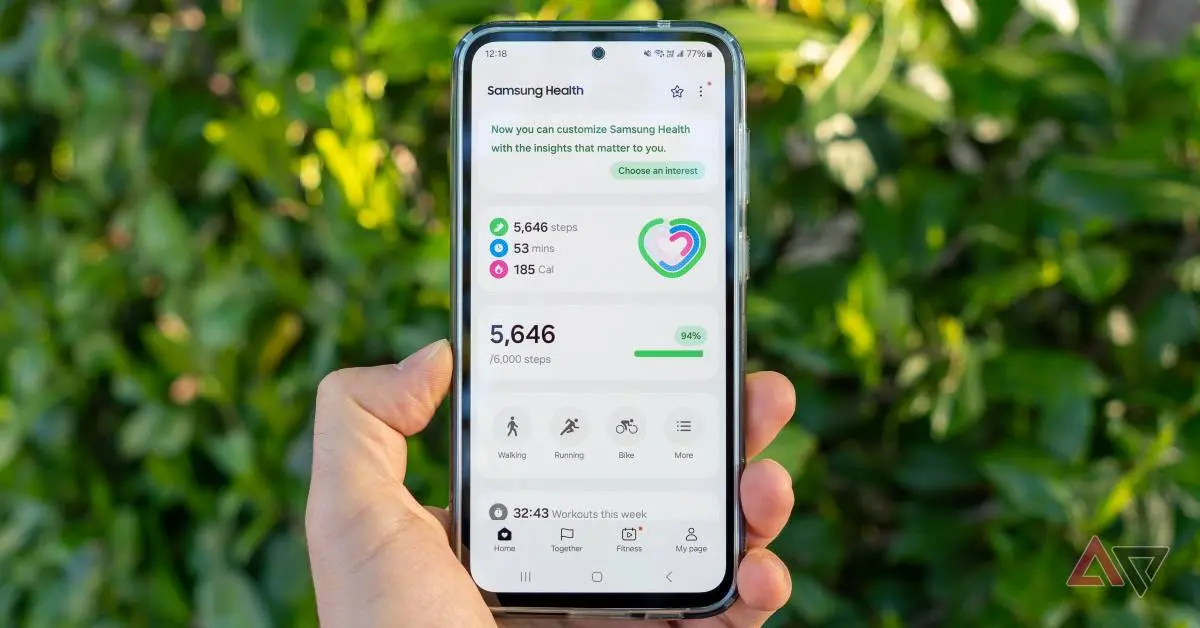
The updated Samsung Health app will use generative AI to analyze biometric data collected from Galaxy Watch devices and the Galaxy Ring, translating complex overnight and daily metrics into simple, personalized recommendations
1
. Rather than merely displaying raw numbers in charts and graphs that users rarely revisit, the AI-powered features will identify patterns, predict trends, and offer contextual advice based on individual habits and behaviors2
.The centerpiece of the update is a new Vitals feature that uses Galaxy AI to monitor five critical overnight bio-signals: heart rate, heart rate variability, respiratory rate, skin temperature, and blood oxygen levels
3
4
. The system analyzes these metrics against each user's true resting baseline, and if meaningful deviations are detected, the app sends notifications suggesting whether more rest is needed or if the user might be fighting an illness1
. This represents an upgraded version of the Energy Score feature from the previous app iteration.Building on last year's Vascular Load feature, Samsung is introducing a comprehensive Heart Health Score that combines metrics monitored by the BioActive sensor including sleep quality, stress levels, activity patterns, and body composition data
1
3
. The app will provide users with a numerical score representing their overall heart health and deliver specific advice on improvements, such as increasing daily steps or consuming potassium-rich foods like bananas1
.The update introduces Daily Cardio Load, which measures cardiovascular strain accumulated from workouts and daily activity
3
4
. This feature can recommend optimal training targets and rest periods based on individual metrics and overall fitness profiles1
.
Source: TechRadar
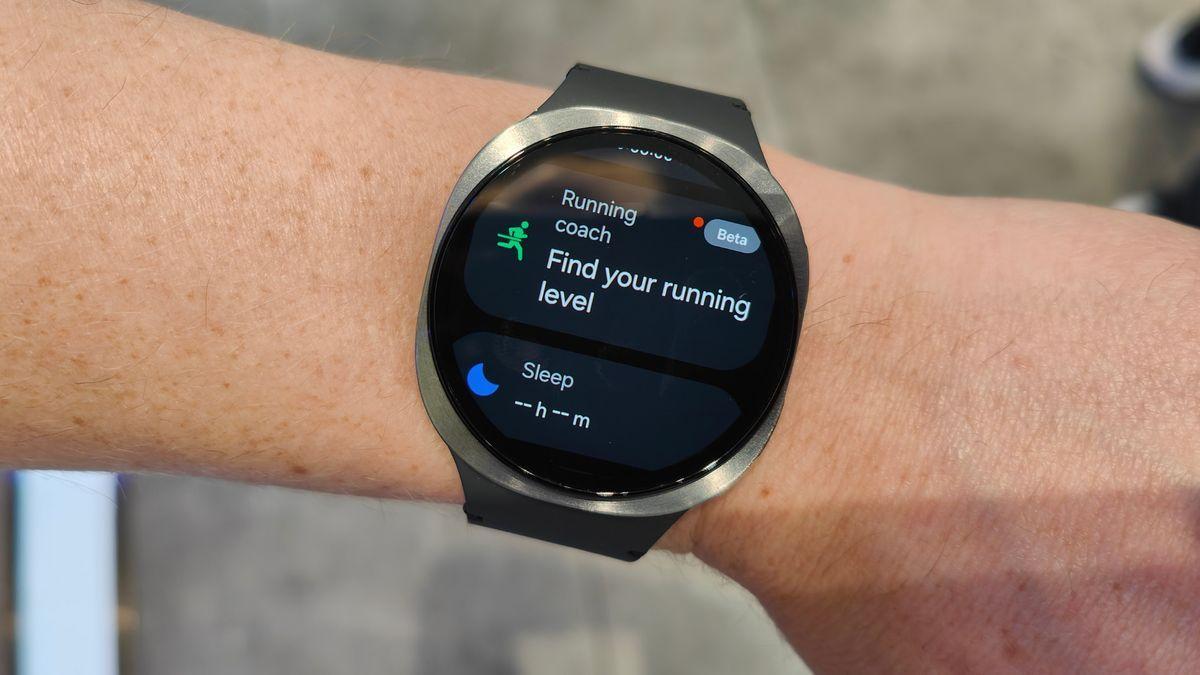
The Fitness Index feature analyzes daily steps alongside metrics such as heart rate and VO2 max—the maximum amount of oxygen the body can use during intense physical exercise—and compares results against peer groups
1
4
. Users receive personalized goals focused on specific fitness aspects they want to improve, whether endurance or strength.According to tipster TonySamsunglove, Samsung is preparing to roll out the One UI 9 Watch beta, which will bring even deeper Galaxy AI integration to the platform
2
5
. The software update will reportedly focus on AI-generated health reports that look for long-term patterns rather than just presenting daily numbers2
.The One UI 9 Watch update is expected to be based on Google's Wear OS 7 platform, which will bring deeper Gemini integration, battery life optimizations, live activity updates, and improved workout tracking systems
2
5
. These platform-level upgrades could provide Samsung with an even stronger foundation for its AI ambitions in the health tracking space.Related Stories
While the Samsung Health app update begins rolling out on June 8, Samsung has indicated that these advancements "will be fully realized with the launch of Samsung's next generation of Galaxy Watches"
1
. The company is expected to unveil the Galaxy Watch 9 and Ultra 2 at an Unpacked event scheduled for July 22, according to rumors3
.
Source: Android Authority
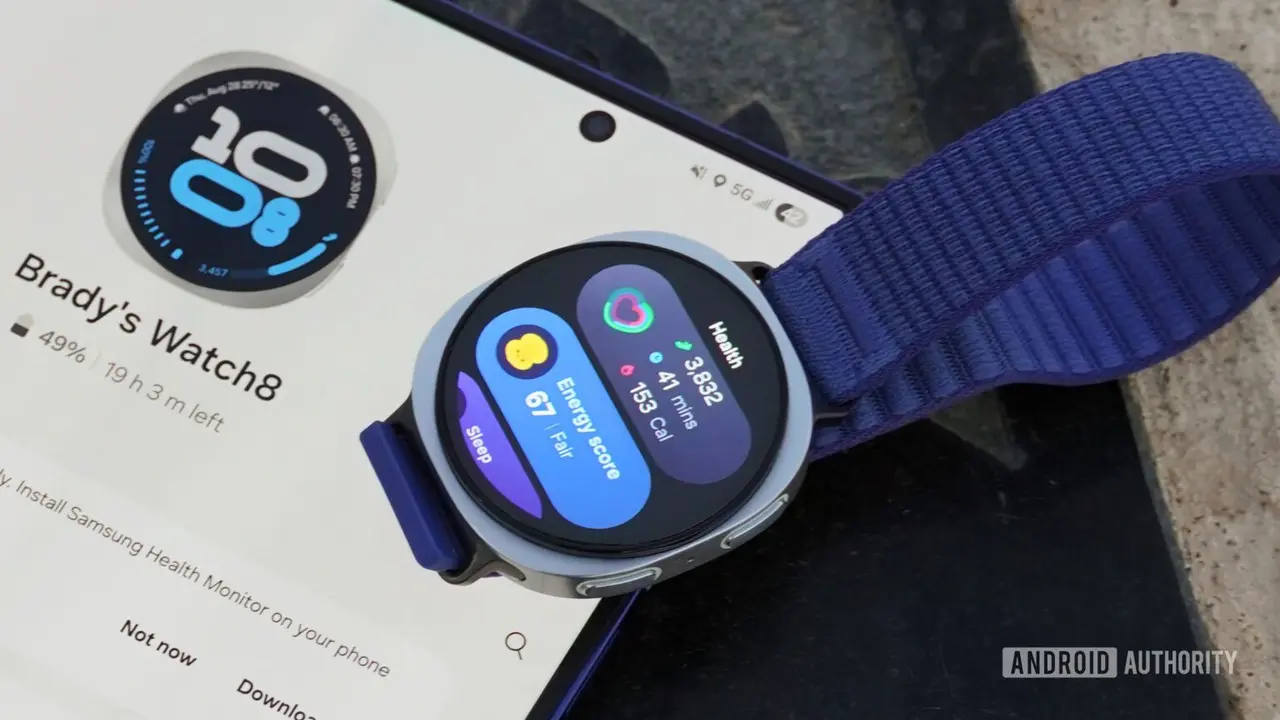
The redesigned app features a new layout divided into five sections: Sleep, Activity, Nutrition, Mindfulness, and Vitals, with the home screen displaying an AI-powered Energy Score for a quick overview of health and energy levels
3
. Additional features include Hearing Health, which uses the Galaxy Watch to measure ambient noise and provide insights on hearing protection3
.Unlike Google's recent overhaul of Fitbit—now rebranded as Google Health—which drew criticism for its forced pivot to an AI chatbot and removal of popular features like Badges and Challenges, Samsung's approach appears more measured
4
. Samsung has not introduced a paywall to Samsung Health, and existing tools such as Sleep Score, Energy Score, and Antioxidant Index remain intact4
.The shift represents Samsung's most ambitious attempt yet at turning raw health data into personalized health insights that users can act upon
2
. For users tired of smartwatches that simply throw numbers without context, this update could mark a meaningful step toward predictive health coaching rather than passive tracking2
.Summarized by
Navi
[1]
[2]
[3]
17 Sept 2025•Technology

10 Jul 2025•Technology

10 Apr 2025•Health

1
Startups

2
Policy and Regulation

3
Policy and Regulation