Satya Nadella says much of America's critical infrastructure can't be patched


4 Sources
[1]
Amidst fears of AI-cyberattacks, Satya Nadella says lots of critical infrastructure is 'unpatchable'
During his appearance at The New York Times' DealBook Summit on Wednesday, Microsoft CEO Satya Nadella lamented the fact that a lot of America's software systems -- including those governing everyday hardware and transportation systems -- suffer from unfixable software vulnerabilities that, in the
[2]
Watch: Satya Nadella on A.I.'s Threat to Global Infrastructure
In an interview at the DealBook Summit, the Microsoft chief executive said A.I. tools were finding bugs at a breakneck pace. DealBook Summit includes conversations with business and policy leaders at the heart of today's major stories, recorded live at the annual DealBook Summit event in New York
[3]
Video: Satya Nadella Explains How A.I. May Cause Future Outages
Satya Nadella, the C.E.O. of Microsoft, said that the rate at which software bugs are discovered and patched could increase the likelihood of future global software outages. The thing that I think we are facing right now as a consequence, quite frankly of A.I., is we now have a very powerful tool
[4]
A.I. Makes More Tech Outages Likely, Microsoft's Chief Warns
Satya Nadella said that A.I. tools were finding cybersecurity bugs at a breakneck pace, and that companies were having to create fixes and deploy them "instantaneously." Less than a week after Microsoft's global Outlook outage, Satya Nadella, the company's chief executive, warned that a prolonged
Share
Copy Link
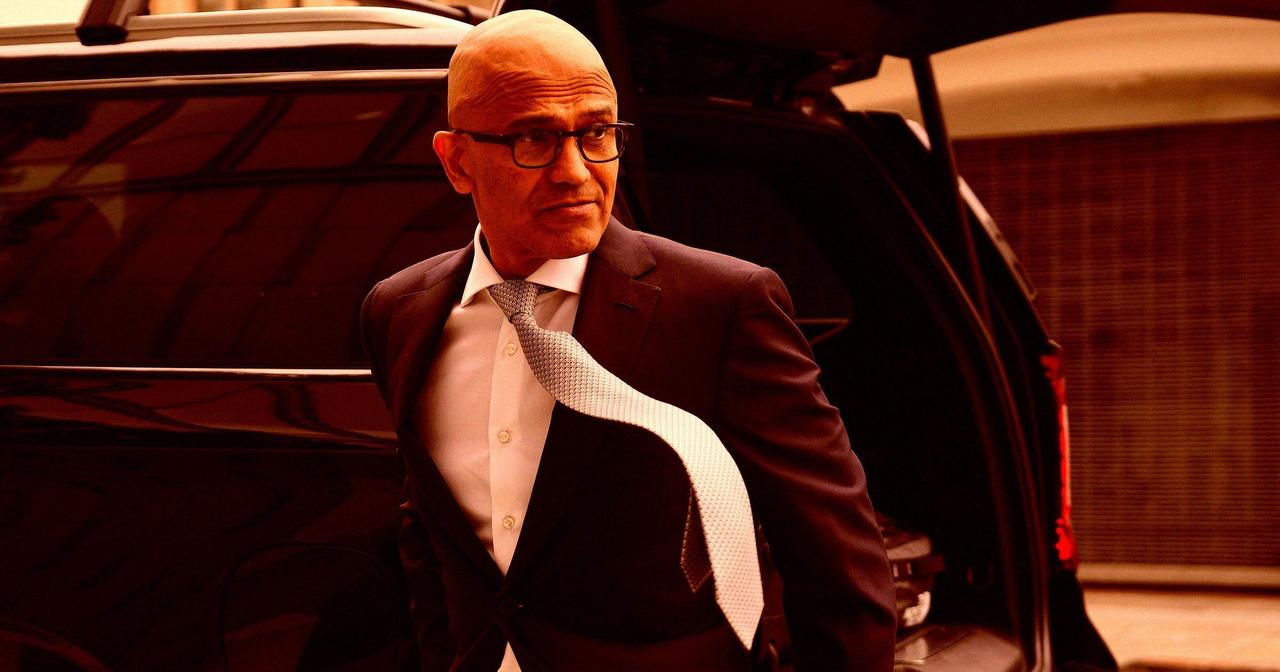
Satya Nadella, Microsoft's chief executive, said at the New York Times' DealBook Summit in New York on Wednesday that much of America's critical infrastructure runs software that cannot be patched, pointing to internet-connected firmware, chillers and heating and cooling systems
1
4
3
. Nadella's point was where the risk sits: not in corporate networks but in the everyday systems that keep buildings and transport running.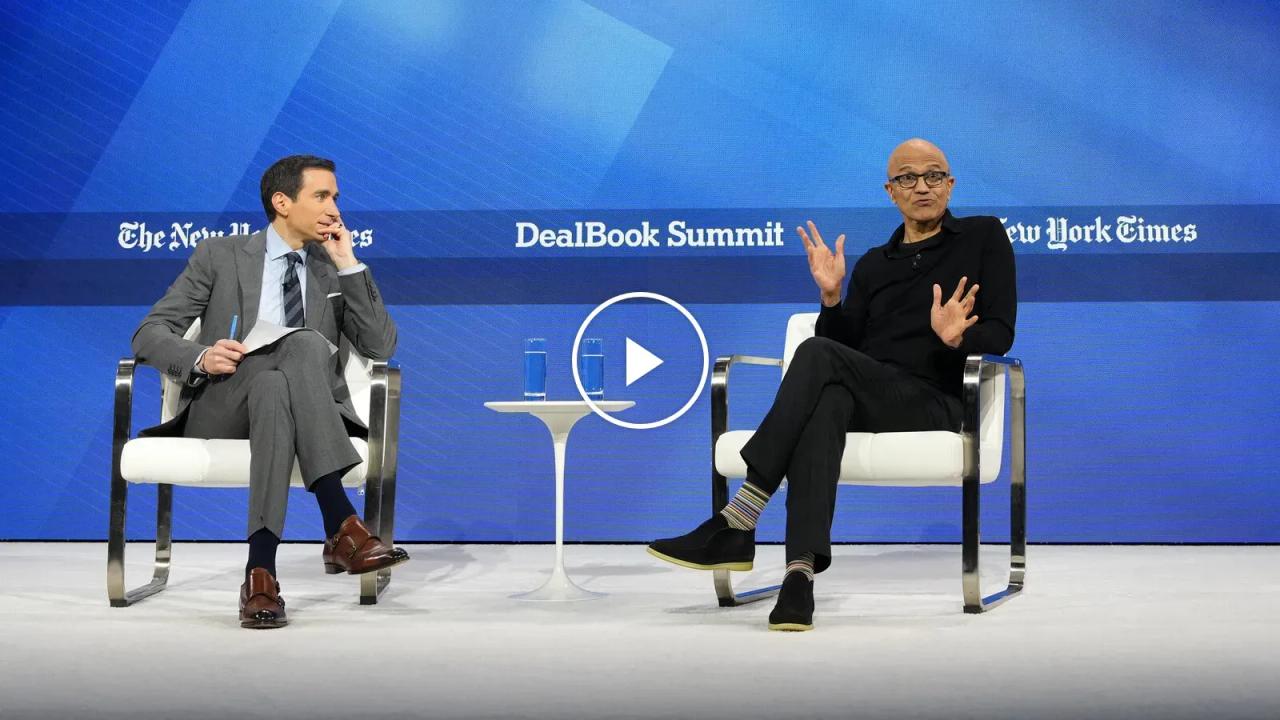
Source: NYT
Why he says it now
Nadella's warning came less than a week after a global Outlook outage that knocked millions of users, businesses and governments offline
1
4
. On the outage itself, which lasted about a day, he attributed it to what he called a latent bug set off by a combination of events, a perfect storm1
4
. Microsoft has put out an incident response, he said, and will take the learnings, both upstream architectural and operational, and fix it1
.Patching at AI speed
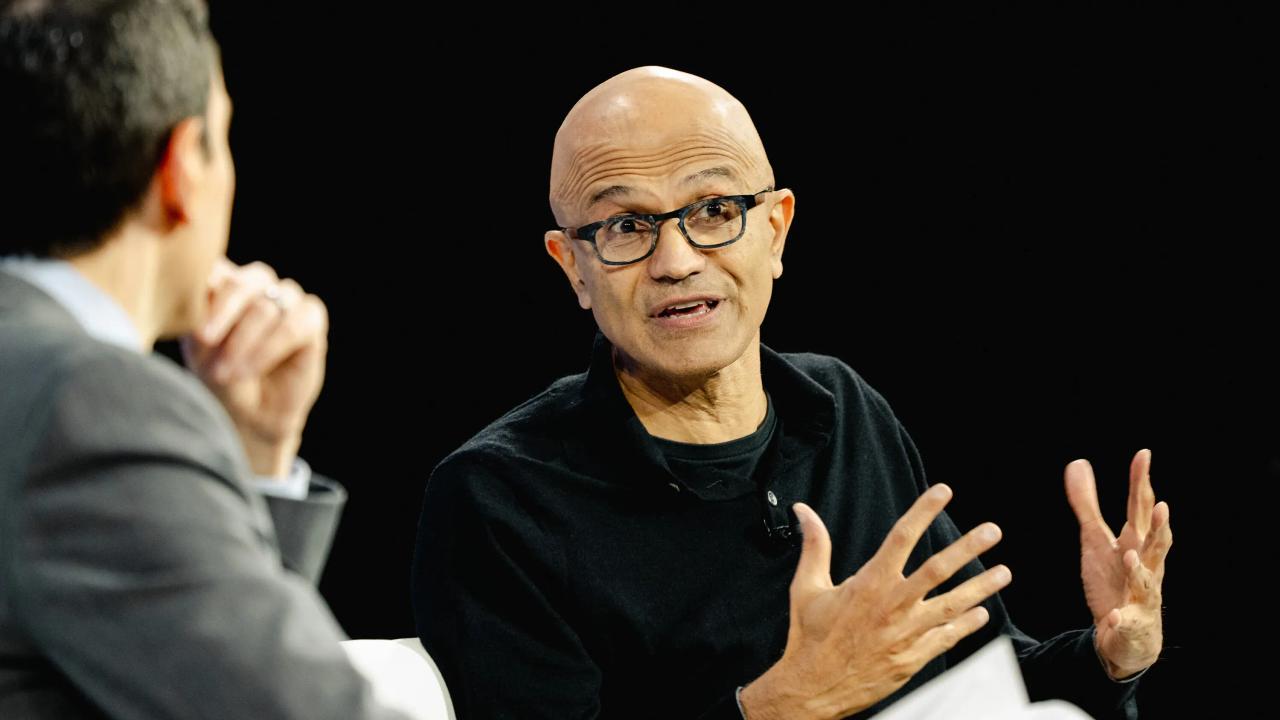
Nadella's reasoning, as he gave it: AI tools now find software vulnerabilities at breakneck speed, so patches have to go out almost as fast as they are discovered
4
3
. Companies, he said, no longer get the time to test them properly4
3
. "We now have a very powerful tool that finds vulnerabilities," he said1
.
Source: NYT
The contrast Nadella drew makes the pressure concrete. Patches that would once sit in testing for a week now go straight into production, because the bugs they fix are being exploited in the wild
1
3
. He said that will create instability1
.Nadella said AI has also lowered the barrier to attacks themselves
3
. Someone, he said, can now send a Telegram message to a graphics-card harness in the cloud and effectively run a nation-state-level attacker that sticks around3
. Nadella extended the same worry to transportation, relaying an account that such systems hold large amounts of firmware that is discoverable but unpatchable1
. Those systems, he said, must be modernized while threat detection and real-time defense are assessed1
.The warning landed amid a wave of recent large-scale outages involving Outlook, the National Security Agency, the Federal Aviation Administration and Apple
1
. Those outages had stirred public fears of cyberattacks, even though officials denied attacks were involved1
. "Remember, there is a lot of stuff in our critical infrastructure that's unpatchable," Nadella said1
. "So that means we have a lot of fragility, and we have to deal with it," he said3
.Related Stories
References
Summarized by

Navi
[1]
Related Stories
Microsoft's Satya Nadella demands emergency brake for AI models, calls for containment protocols
11 Oct 2026•Policy and Regulation

Satya Nadella warns AI risks losing social permission without tangible societal benefits
20 Jan 2026•Business and Economy
Microsoft CEO Nadella Expresses Concerns Over AI's Impact on Company's Future
20 Sept 2025•Business and Economy
Recent Highlights


Recent Highlights
Today's Top Stories







Don’t drown in AI news. We cut through the noise - filtering, ranking and summarizing the most important AI news, breakthroughs and research daily. Follow topics that matter to you and stay ahead.


