Scammers Use AI to Fake Missing Pet Photos and Demand Ransom, Threatening Death Without Payment


4 Sources
[1]
Scammers threaten to kill missing pets without rewards
When Stephanie Young's cat Buddy went missing from her garden in September last year, she flooded pet rescue sites and social media groups with information about him. Her hopes were raised when an image of him was sent through by a woman named Melissa, who claimed to have fed her cat and wanted
[2]
Scammers are using AI to fake images of lost pets, demand ransom for their return
AI-generated pet images are being used to trick missing pet owners into falling for scams. Credit: Jovanmandic via iStock / Getty Images Plus Thanks to AI, it's never been easier for cyber criminals to scam unsuspecting internet users. From "autonomous" AI agents to voice cloning capabilities,
[3]
Scammers are using AI to fake missing pet photos, and what happens next is horrifying
Criminals are using AI-generated pet photos to convince desperate owners their missing animals have been found, before demanding money and making disturbing threats. Losing a pet can be heartbreaking, and anyone who's experienced it knows how quickly you'd drop everything if someone called to say
[4]
AI scammers target pet owners with fake pics and demands for ransom -- or their fur baby dies
Scammers are holding people's pets ransom -- without even touching a hair on their heads. There's been a rise in swindlers using AI-altered photos of people's missing dogs and cats to demand exorbitant sums and threatening to put down their precious pets if they don't pay. In April, Florida man
Share
Copy Link
Cybercriminals are exploiting AI-generated images of lost pets to extort desperate owners with ransom demands reaching £40,000. When victims refuse payment via gift cards, scammers threaten to kill missing pets. UK fraud linked to AI surged to £1.3bn in 2025 as these cruel schemes spread.
AI Pet Scams Exploit Desperate Owners with Fake Images
Cybercriminals target pet owners searching for missing pets by weaponizing AI-generated images of lost pets to create convincing proof of discovery. Scammers scour social media groups and pet rescue sites, collecting photos owners post while desperately seeking their animals
1
2
. Using these images, fraudsters generate realistic photographs showing the pet in different locations, then contact owners claiming to have found their beloved companion. This emotional manipulation preys on the vulnerability of people who "would do anything" to recover their pets1
.
Source: Digital Trends
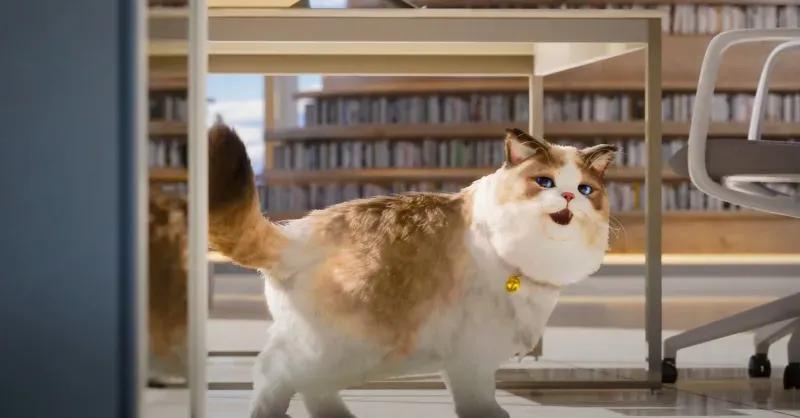
Stephanie Young from Birmingham experienced this firsthand when a woman named Melissa sent AI-generated images of her missing cat Buddy. Young was "100% certain" she had found her cat and withdrew money from the bank for a reward
1
. Similarly, Cam Chauhan received an "exact picture" of her cat Creed nine months after he disappeared, leading her to grab her cat bag and prepare for his return1
4
. The scammers' ability to create indistinguishable AI-generated images makes these schemes particularly effective.
Source: BBC
Ransom Demands Escalate from Gift Cards to Tens of Thousands
Once scammers hook victims with fabricated proof, demands for ransom begin. Initial requests often involve Apple gift cards, typically ranging from £200 to hundreds of pounds
1
4
. Fraudsters prefer gift cards because transactions are irreversible, making recovery impossible once victims send payment2
. In Young's case, the scammer pushed for 100 Apple gift cards after initially agreeing to meet for cash payment1
.More brazen cybercriminals demand astronomical sums. Sarah Robinson from Northampton was contacted by someone calling himself Kherson H who demanded £40,000 via money transfer link to return her cat Cookie
1
4
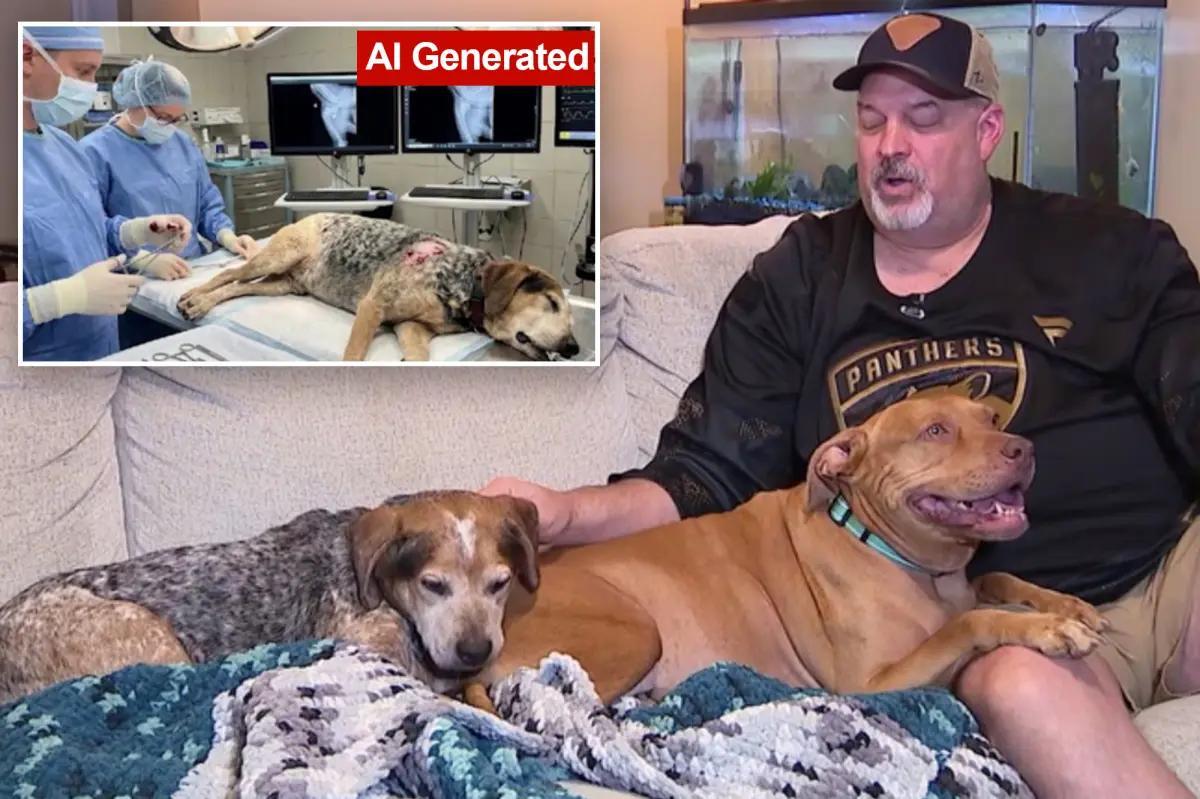
. In Florida, Bill Cosens nearly fell victim when scammers claimed his beagle mix Archer required a $2,800 operation after being hit by a car, complete with detailed AI-generated photos of the dog on an operating table4
.
Source: New York Post
The Federal Trade Commission warns that demands for payment exclusively through gift cards, payment apps, cryptocurrency, or wire transfer services are definitive signs of fraud
4
.Scammers Threaten to Kill Missing Pets When Victims Refuse
When pet owners question authenticity or refuse payment, scammers escalate to disturbing threats. Young received threats to "sell or murder" Buddy after she discovered the images were AI-generated and challenged the woman's legitimacy
1
. Robinson faced threats that Cookie would be killed without payment of the £40,000 demand, leaving her "really, really worried" despite knowing the claim likely wasn't real1
3
.In California, scammers posing as San Jose animal shelter personnel sent a message claiming a dog would be "euthanized" unless the owner paid for emergency treatment
4
. These death threats create urgency and pressure victims into irrational decisions. "It's horrible, because you know it's not real but you're terrified it might be," Robinson explained1
.Dr. Rasha Kassem from Aston University emphasized that criminals deliberately create this sense of urgency, advising victims against rushing to send money
1
. She does not encourage anyone to engage with criminals requesting money and threatening harm, instead recommending collecting information and reporting to authorities1
.Related Stories

AI Makes Fraud Accessible as UK Losses Reach £1.3 Billion
The rise of AI pet scams reflects broader trends in cybercrime. Cases of fraud in the UK surged as criminals adopted AI, with almost £1.3bn stolen by scammers in 2025
1
. In the United States, AI-assisted scams linked to over $893 million in reported losses across more than 20,000 reports, according to the FBI's Internet Crime report4
.Dr. Kassem noted that AI now plays a "major role" in online fraud because tasks that were once technically difficult are now "super easy, accessible and free"
1
. The technology enables scammers to create convincing content without ever seeing the actual pet, using only publicly available photographs from missing pet announcements3
. "Just because it looks genuine, doesn't make it real," she warned1
.Kassem expressed concern about lack of public awareness and guidance on staying safe from AI-generated fraud
1
. This knowledge gap leaves pet owners particularly vulnerable during emotionally charged situations when they're not thinking clearly2
.How to Verify Claims and Protect Against Extortion of Pet Owners
Experts recommend specific steps to verify claims before engaging with anyone claiming to have found a missing pet. Pawboost, a free online platform tracking lost animals, advises asking for specific proof like a short video of your pet or a video call showing unique features
1
3
. Video calls make it significantly harder for scammers using AI to fake images to maintain their deception.Arrange in-person meetings in safe, public places to confirm identity before offering any payment
1
3
. Ask questions only the genuine finder would know, such as collar type or personality traits not visible in online photos1
4
. City of London Police, which operates Report Fraud, advises staying alert and arranging to see pets in person before handing over money1
.Never send gift cards or money to strangers demanding them over internet or text message, regardless of scenario—experts warn it is always a scam
2
4
. Save threatening messages and report incidents to authorities like the FTC at ReportFraud.ftc.gov4
. Watch for red flags including vague location details, stumbling over words during phone calls, and refusal to meet until payment is sent1
3
.References
Summarized by

Navi
[3]
Related Stories
FBI warns criminals weaponize AI to create convincing virtual kidnapping scams with fake photos
06 Dec 2025•Policy and Regulation
AI scams cost victims $442 billion globally as deepfakes and voice cloning make fraud harder to detect
15 Jun 2026•Technology

AI-powered romance scams explode to $3 billion as deepfakes infiltrate dating apps
11 Feb 2026•Technology

Recent Highlights



Recent Highlights
Today's Top Stories







Don’t drown in AI news. We cut through the noise - filtering, ranking and summarizing the most important AI news, breakthroughs and research daily. Follow topics that matter to you and stay ahead.


