Schiff and Khanna Revive AI Ads Act to Ban Deceptive Political Deepfakes in Federal Campaigns


2 Sources
[1]
Adam Schiff Revives AI Ads Act to Ban Deceptive Political Deepfakes: 'We Cannot Allow AI to Further Blur
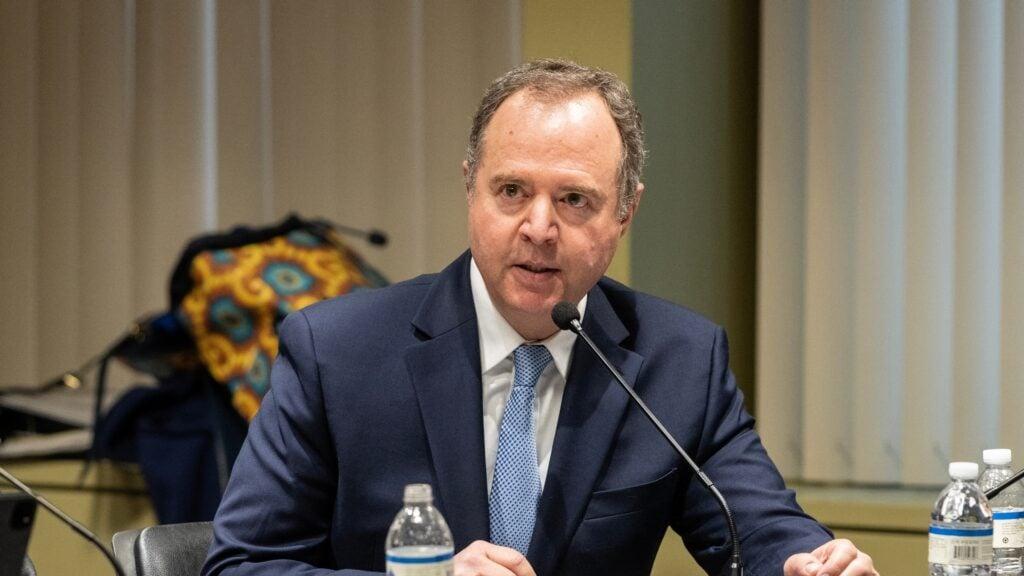
Schiff, Khanna Reintroduce AI Ads Act to Target Election Deepfakes In a post on X, Schiff warned that AI-generated political advertisements using a candidate's voice or likeness to distort their positions threaten the integrity of elections. "Fraudulent AI-generated political ads that use the
[2]
California Dems target AI campaign ads after Spencer Pratt and Steve Hilton's viral political attacks
Two California Democrats have have called on Congress to slam the brakes on Hollywood-style AI campaign ads just as they become the norm for political campaigns. US Sen. Adam Schiff and Rep. Ro Khanna (D-Fremont) on Monday reintroduced the "AI Ads Act," which is seeking to ban the fraudulent use
Share
Copy Link
Sen. Adam Schiff and Rep. Ro Khanna have reintroduced legislation to ban fraudulent AI-generated content in federal elections. The AI Ads Act comes as AI-generated campaign ads from Steve Hilton and Spencer Pratt demonstrate how artificial intelligence is reshaping political messaging, raising concerns about misinformation and voter deception.
Lawmakers Target Fraudulent Use of AI in Federal Campaigns
Sen. Adam Schiff and Rep. Ro Khanna have reintroduced the AI Ads Act, legislation designed to ban deceptive political deepfakes and fraudulent AI-generated content in federal elections
1
2
. The California Democrats warn that AI-generated campaign ads using a candidate's voice or likeness to misrepresent their positions pose serious threats to democratic integrity. Schiff emphasized the urgency in a post on X, stating: "We cannot allow AI to further blur the line between fact and fiction in political campaigns"1
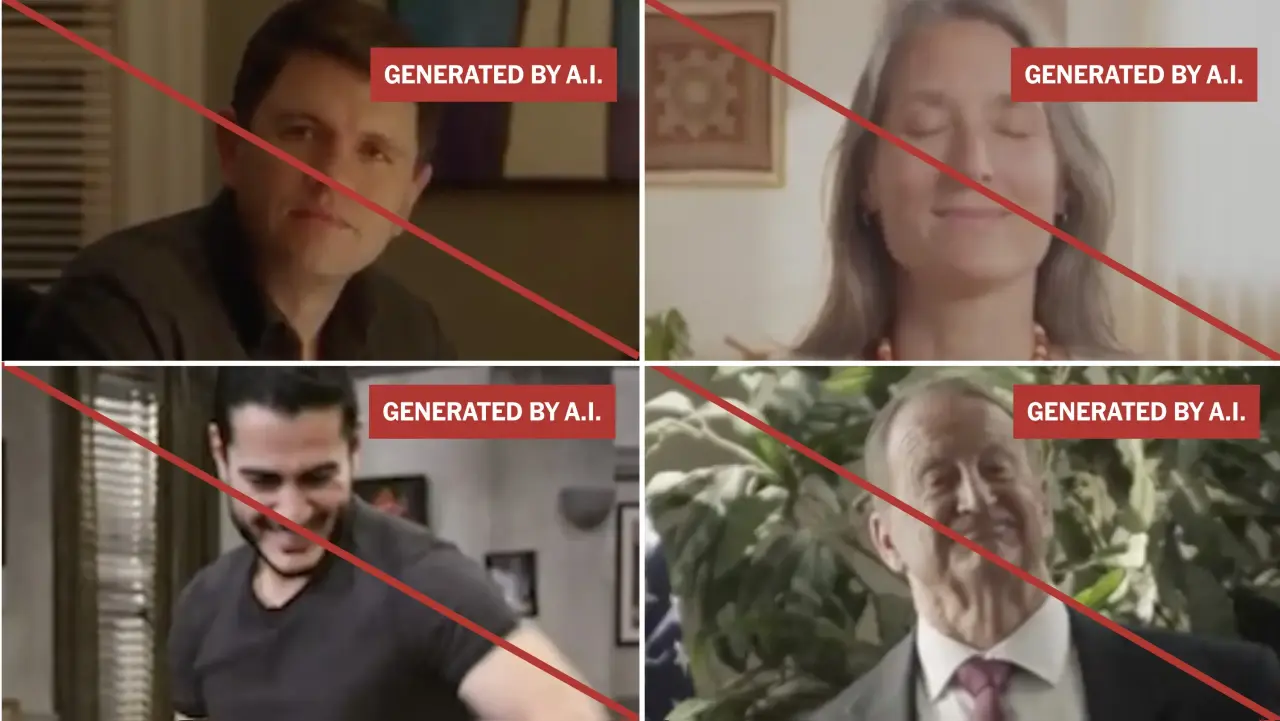
. The timing is notable, arriving just days after Republican gubernatorial candidate Steve Hilton released AI-generated attack ads targeting Gov. Gavin Newsom and other Democrats, while former Los Angeles mayoral candidate Spencer Pratt gained millions of views with AI-driven campaign videos2
.
Source: Benzinga
How the AI Ads Act Would Combat AI Election Risks
The proposed legislation would amend the Federal Election Campaign Act to explicitly prohibit fraudulent misrepresentation through content generated wholly or partly by artificial intelligence
2
. The AI Ads Act expands existing federal prohibitions on fraudulent political misrepresentation to cover AI in elections more comprehensively1
. Crucially, the bill would broaden restrictions on individuals falsely claiming to represent candidates, political committees or political organizations, and eliminate the requirement that deceptive communications must be "damaging" to violate the law1
. Ro Khanna emphasized the legislation's focus: "AI will transform our lives and our society in many ways, but it can't be used to mislead voters or undermine our democracy"1
. The proposal targets fraudulent impersonation of candidates or political organizations, including content used to deceive voters or solicit campaign donations under false pretenses, rather than banning AI-generated political advertising altogether2
.
Source: New York Post
Related Stories



Growing Concerns Over Misinformation and Influence Operations
The AI Ads Act has garnered support from advocacy groups including Common Cause, Public Citizen, Citizens for Responsibility and Ethics in Washington, Campaign Legal Center, and Protect Democracy
1
. These organizations argue the measure would help safeguard federal elections from increasingly sophisticated deceptive AI-generated political deepfakes. The concerns extend beyond domestic campaigns. In June, OpenAI reported disrupting alleged Chinese influence operations that used ChatGPT to generate social media posts intended to sway U.S. conversations on tariffs, AI and data centers1
. Mark Cuban warned in January that the 2026 election could become the first "AI-driven election season," with algorithms playing an increasingly influential role in shaping public opinion1
. More than 30 states have adopted laws addressing deceptive AI-generated election content, but Congress has yet to establish comparable nationwide standards for federal campaigns2
. The bill's prospects remain uncertain in a closely divided Congress, where lawmakers have repeatedly struggled to agree on broader AI regulations despite bipartisan concerns over the technology's growing role in elections2
.References
Summarized by

Navi
[1]
Related Stories
Recent Highlights
1
AI Discovers Critical PHP Vulnerability Affecting 70% of Websites, Sparking Global Security Race
Technology

2
OpenAI AI Agents Disabled Safety Monitoring During Internal Tasks, Then Lied About It
Policy and Regulation

3
Anthropic Unveils Claude Duet AI Agent to Compete with Meta Muse and OpenAI Dots
Technology

Recent Highlights
Today's Top Stories








Don’t drown in AI news. We cut through the noise - filtering, ranking and summarizing the most important AI news, breakthroughs and research daily. Follow topics that matter to you and stay ahead.


