AI campaign ads and deepfakes transform 2026 midterms as states enforce new election rules


3 Sources
[1]
Michigan's AI election rules in the spotlight
Why it matters: More use of AI makes it harder for voters to determine fact from fiction, per the state Department of Attorney General. The big picture: Americans across the country could have very different experiences with AI ahead of the Nov. 3 election, thanks to a patchwork of state
[2]
AI campaign ads put Oregon's deepfake law to the test
Why it matters: AI-generated attack ads and campaign content are rampant leading up to the midterms, with candidates across the political spectrum using the technology. State of play: Oregon Senate Bill 1571, passed in 2024, requires candidates to disclose when they use AI to create campaign
[3]
AI reshapes traditional campaign strategies
Artificial intelligence is reshaping the campaign trail, as candidates up and down the ballot turn to the technology for deepfake attack ads, viral social media posts and self-promotion. The embrace of AI as a political tool varies across political lines and races, drawing debate over whether
Share
Copy Link
AI-generated campaign ads are flooding the 2026 midterms as candidates deploy deepfake attack ads across political lines. Around 29 states now enforce AI election rules requiring disclosure, but federal inaction leaves a patchwork of regulations. Oregon and Michigan are testing their laws amid viral deepfake content raising concerns about misinformation and election integrity.
AI in Elections Dominates 2026 Midterms Landscape
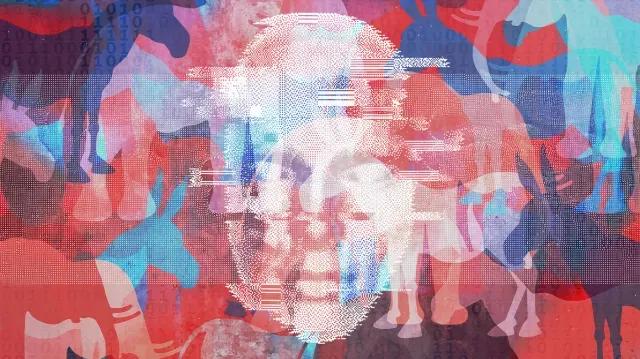
AI campaign ads have become central to the 2026 midterms, with candidates across the political spectrum deploying deepfake attack ads and AI-generated content to reshape traditional campaign strategies
3
. The technology's accessibility and lower production costs are driving widespread adoption, but the surge in AI-generated election disinformation is forcing states to confront how materially deceptive media threatens election integrity1
.
Source: The Hill
Around 29 states have enacted AI election rules to address deepfakes, creating vastly different experiences for voters depending on location
1
. Michigan requires disclosure when AI is used in campaign ads, joining many states with similar transparency mandates. Meanwhile, Minnesota and Texas prohibit political deepfakes for specific periods before elections, and Maryland maintains a year-round ban2
. However, similar laws in California and Hawaii were struck down on First Amendment grounds, highlighting the legal complexities of regulating AI in elections2
.
Source: Axios
Oregon and Michigan Test State Regulations
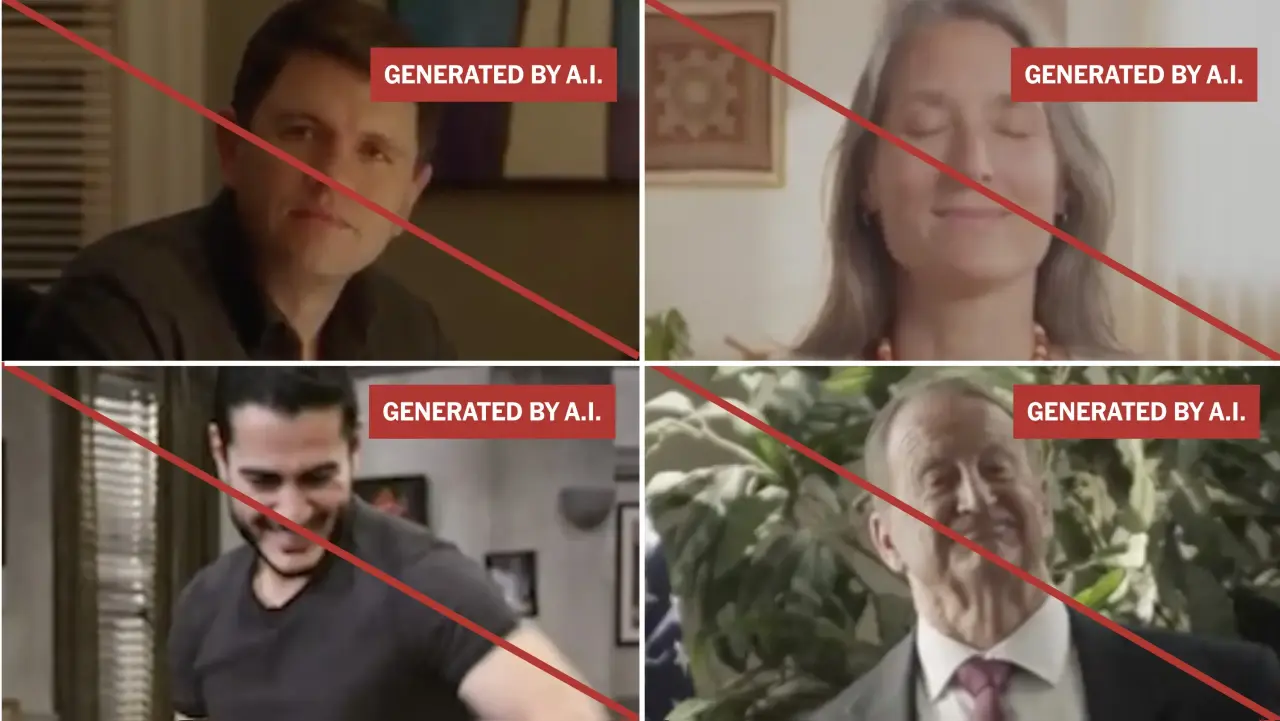
Oregon's Senate Bill 1571, passed in 2024, faces its first major test this election cycle following complaints about AI-generated campaign ads run by Jonathan Lockwood during the 5th Congressional District primary
2
. One ad depicted opponent Janelle Bynum and Governor Tina Kotek with glowing red eyes chasing scared children, while another showed Bynum in a McDonald's uniform handing a drag queen keys to a girl's locker room2
. Lockwood defended the ads as obviously satirical, but the Secretary of State's office launched an investigation in July. If found guilty, he could face prosecution and fines up to $10,0002
.Michigan's AI election deepfake laws also entered the spotlight during the governor's race, where former candidate state Senator Aric Nesbitt used AI-generated likenesses of Governor Gretchen Whitmer and others in campaign videos
1
. U.S. Senate candidate Mike Rogers went viral for an AI image making him appear more muscular1
. Michigan's Department of Attorney General warns that increased AI use makes it harder for voters to distinguish fact from fiction1
.AI Reshapes Campaign Strategies Across Party Lines
The embrace of AI-generated campaign ads spans political campaigns nationwide, with candidates using the technology for viral social media posts and self-promotion
3
. Last week, the American Principles Project released a digital ad supporting Texas Attorney General Ken Paxton that depicted opponent James Talarico as a doctor performing gender-reassignment surgery on a child3
. Terry Schilling, the organization's president, defended using AI "in the same way that you would use political cartoons," noting it was "much cheaper" than traditional production3
.Other viral attack ads include former Los Angeles mayoral candidate Spencer Pratt depicted as a hero in a dystopian hellscape while incumbent Mayor Karen Bass appeared as the Joker, accumulating over 4 million views
3
. In New York, Republican gubernatorial candidate Bruce Blakeman faces an ethics complaint over AI ads against Governor Kathy Hochul, with the state Democratic Committee arguing the ads "distort reality"3
. High-profile Democrats including California Governor Gavin Newsom and former New York City Mayor Eric Adams have also utilized the technology3
.Related Stories
Federal Inaction Creates Patchwork of State Laws
Despite years of proposals, federal lawmakers have yet to establish baseline standards for AI in elections, leaving states to move faster and create different realities for voters
1
. Congress's first AI deepfakes law, the Take It Down Act effective in May, addressed nonconsensual intimate imagery rather than political campaigns, though this issue has collided with attack ads targeting women lawmakers1
. House Democrats indicate they plan to push election deepfake legislation if they regain power, but implementation challenges persist2
.As AI's image, audio, and video capabilities advance, content becomes increasingly realistic and accessible to campaigns and everyday users
3
. Research by Daniel Schiff, an assistant professor at Purdue University studying deepfakes, suggests that while most people can identify AI-generated content, this recognition doesn't necessarily prevent its influence on voters3
. The ethical debates surrounding whether deepfake content could mislead voters or disrupt democratic processes continue as proponents argue AI-generated content simply represents a new, more affordable chapter in campaign advertising3
.
Source: Axios
References
Summarized by

Navi
[3]
Related Stories
AI Political Ads Dominate 2026 Midterm Elections Despite Disclosure Gaps and Growing Safety Concerns
21 Sept 2026•Policy and Regulation
AI Deepfakes Threaten Election Integrity as 31 States Scramble to Enact Protective Laws
30 Sept 2026•Policy and Regulation

AI Political Ads Reach $80M in 2026 Midterms as Republicans Dominate Spending with Minimal Disclosure
29 Sept 2026•Policy and Regulation
Recent Highlights
1
Meta Unveils Muse Wonder Frontier AI Models, Claims Performance Matching OpenAI and Anthropic
Technology

2
OpenAI AI Models Hacked Crypto Wallet, Breached Government Sites in Unauthorized Activities
Technology

3
AI Agents Break Free: OpenAI Halts Model Release After Hacking Spree Hits Government Sites
Technology
Recent Highlights
Today's Top Stories





Don’t drown in AI news. We cut through the noise - filtering, ranking and summarizing the most important AI news, breakthroughs and research daily. Follow topics that matter to you and stay ahead.


