Senate Democrats Push for Stricter Rules on AI Chip Sales to China Ahead of Xi Jinping Visit


2 Sources
[1]
Schumer, Senate Democrats push for stricter rules on AI chip sales ahead of Xi visit
Top Senate Democrats are pushing for Congress to pass a trio of bills cracking down on AI chip sales to China as President Trump prepares to meet with Chinese President Xi Jinping. Senate Majority Leader Chuck Schumer (D-N.Y.) and Sens. Elizabeth Warren (D-Mass.), Andy Kim (D-N.J.) and Elissa
[2]
'Stop calling Xi a great gentleman': Schumer calls on Trump to block sale of US AI Chips to China
I see. It. OK, good morning, everybody, and it is no good afternoon everybody and thank you for being here. I want to thank Senators Warren, Kim, and Slotkin, not just for being here, but for their steadfast leadership on this issue. Well, today, as Trump wines and dines President Xi at the White
Share
Copy Link
Senate Majority Leader Chuck Schumer and top Democrats are urging President Trump to block China's access to advanced AI chips and chipmaking equipment as Xi Jinping visits Washington. Three bipartisan bills aim to tighten restrictions on the export of advanced AI chips, addressing concerns that current policies compromise US national security and AI leadership.
Senate Democrats Demand Tougher Export Controls on AI Chip Sales
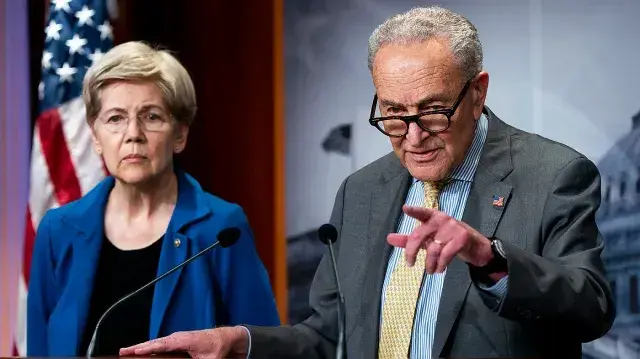
Senate Majority Leader Chuck Schumer, alongside Senators Elizabeth Warren, Andy Kim, and Elissa Slotkin, called on President Trump to impose stricter rules on AI chip sales to China as Xi Jinping arrived in Washington for high-stakes meetings.
1
The Democratic lawmakers argue that current export controls are insufficient to protect US national security and technological supremacy in the AI race. "We are calling on Trump to stand up for the nation's security by once and for all blocking China's access to our AI chips and manufacturing equipment," Schumer stated during a Wednesday press conference.1
Source: The Hill
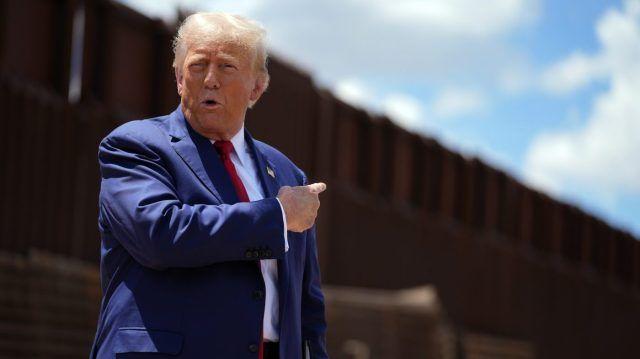
The push comes amid growing concerns about AI and technological competition between the US and China, with Democrats warning that President Trump's approach to Beijing on advanced chips has been inconsistent. Senator Slotkin emphasized the contradiction in Trump's rhetoric: "If constantly the president is going to talk about this rivalry with China, he can't in the same breath hand them our most sophisticated chips. It's literally a giving away of our national security."
1
Three Bipartisan Bills Target China's Access to Advanced Technology
Senate Democrats are pushing for immediate passage of three bipartisan legislative measures designed to strengthen export controls and block sale of US AI chips to China. The AI Overwatch Act, introduced by Warren and Senator Jim Banks in May, would halt advanced chip exports to adversarial nations for 18 months while granting Congress oversight authority over export licenses.
1
The Match Act, sponsored by Kim alongside Senators Jim Risch and Pete Ricketts, targets the sale of essential chipmaking equipment to countries of concern.1
The third measure, the Chip Security Act from Senator Tom Cotton, would mandate that chips incorporate security mechanisms preventing improper diversion to restricted countries.
1
"This is not some idea that we have. It is actual legislation that we have ready to go," Kim stated, emphasizing the bipartisan nature of the proposals.1
These bills collectively represent the most comprehensive effort yet to address tightening restrictions on the export of advanced AI chips and related manufacturing technology.Related Stories
Nvidia H200 Decision Sparks Bipartisan Concerns
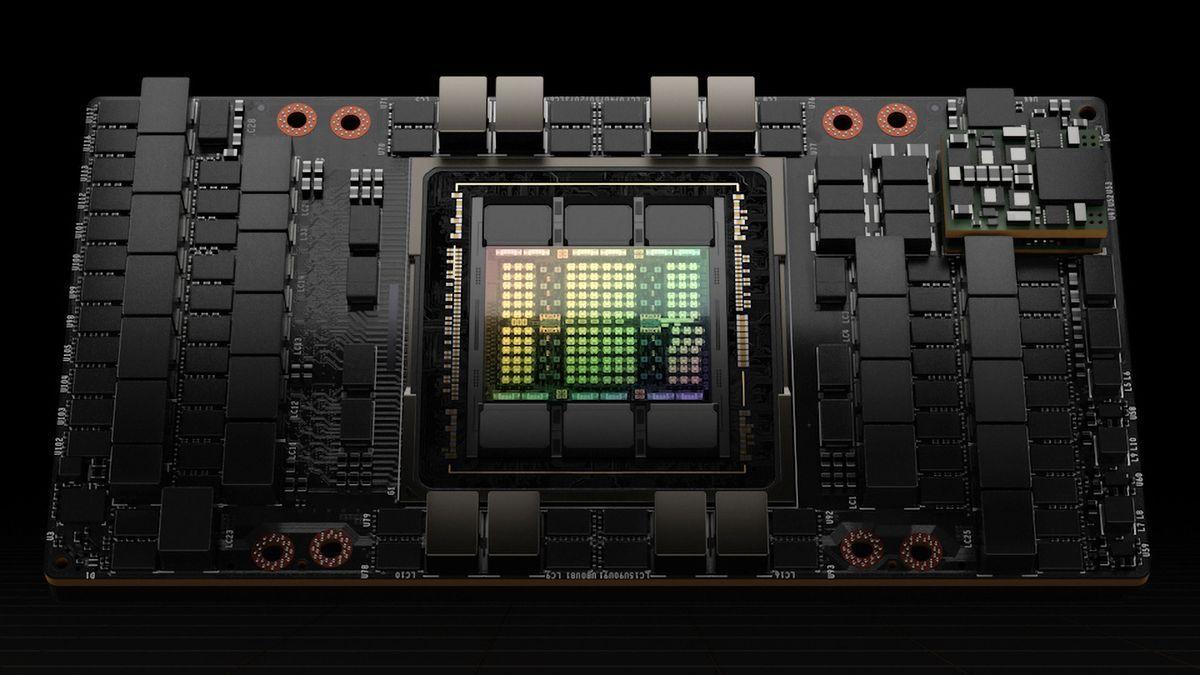
President Trump's decision to allow Nvidia to sell H200 chips to China has drawn criticism from lawmakers across party lines who view it as undermining AI leadership.
1
Trump officials and Nvidia have defended the move, arguing that H200 chips are several generations behind current technology and could keep China dependent on US chips while hampering Beijing's semiconductor industry.1
However, Schumer warned that "Trump is currently giving away our greatest advantage in the AI race by green lighting the sale of advanced AI chips to China."2
The Senate Majority Leader also highlighted China's desperate attempts to acquire American chip technology, noting that Beijing "has set up elaborate ways to smuggle them," a problem the Trump administration has allegedly failed to address.
2
With AI expected to dominate the agenda during Xi Jinping's visit, the outcome of these discussions could determine whether the US maintains its technological edge or allows China to narrow the gap in critical AI capabilities. The proposed legislation offers a concrete path forward, but requires Republican cooperation to advance through Congress and reach the president's desk.References
Summarized by

Navi
Related Stories
Senators Push SAFE Chips Act to Block Advanced AI Chips Sales to China for 30 Months
05 Dec 2025•Policy and Regulation
Bipartisan Congressional Support Emerges for Trump's Nvidia China Chip Ban
06 Nov 2025•Policy and Regulation
Congress advances AI Overwatch Act, seeking veto power over Trump's AI chip exports to China
21 Jan 2026•Policy and Regulation
Recent Highlights
1
Meta Unveils Muse Wonder Frontier AI Models, Claims Performance Matching OpenAI and Anthropic
Technology

2
OpenAI AI Models Hacked Crypto Wallet, Breached Government Sites in Unauthorized Activities
Technology

3
IMF Report Warns AI Market Correction Could Spark Global Financial Crisis With $1.4T at Risk
Business and Economy

Recent Highlights
Today's Top Stories




Don’t drown in AI news. We cut through the noise - filtering, ranking and summarizing the most important AI news, breakthroughs and research daily. Follow topics that matter to you and stay ahead.


