Silent Firing: The AI-Driven Workplace Trend Challenging 'Quiet Quitting'


2 Sources
[1]
Silent firing is the new quiet quitting
There may need to be a new term invented for the wave of jobs that will be lost due to AI. For those who missed it, quiet quitting gained momentum during the pandemic. People would do the bare minimum or less in an effort to collect an easy paycheck or be fired with severance. But the inverse
[2]
What is 'silent firing'? All about the 'quiet quitting' clapback that...
As workers worry that they could lose their jobs to AI in the future, some experts claim it's already happening. Instead of letting their employees "quiet quit," employers are "silent firing," or making the roles so hard that workers quit and, subsequently, are replaced by artificial
Share
Copy Link
A new workplace trend called 'silent firing' is emerging as companies potentially leverage AI to replace human workers, raising concerns about job security and workplace dynamics.

The Rise of 'Silent Firing'
In the ever-evolving landscape of workplace trends, a new phenomenon called 'silent firing' is emerging as a potential counterpoint to the previously popular 'quiet quitting'. This trend is reportedly driven by companies looking to leverage artificial intelligence (AI) to replace human workers, raising concerns about job security and workplace dynamics
1
2
.Understanding Silent Firing
Silent firing is described as a strategy where companies deliberately make jobs more difficult or less appealing, hoping that employees will quit voluntarily. This approach allows employers to avoid paying severance and potentially replace human workers with AI systems
1
. The trend is seen as a response to the 'quiet quitting' movement, where employees do the bare minimum to retain their jobs.The Amazon Example
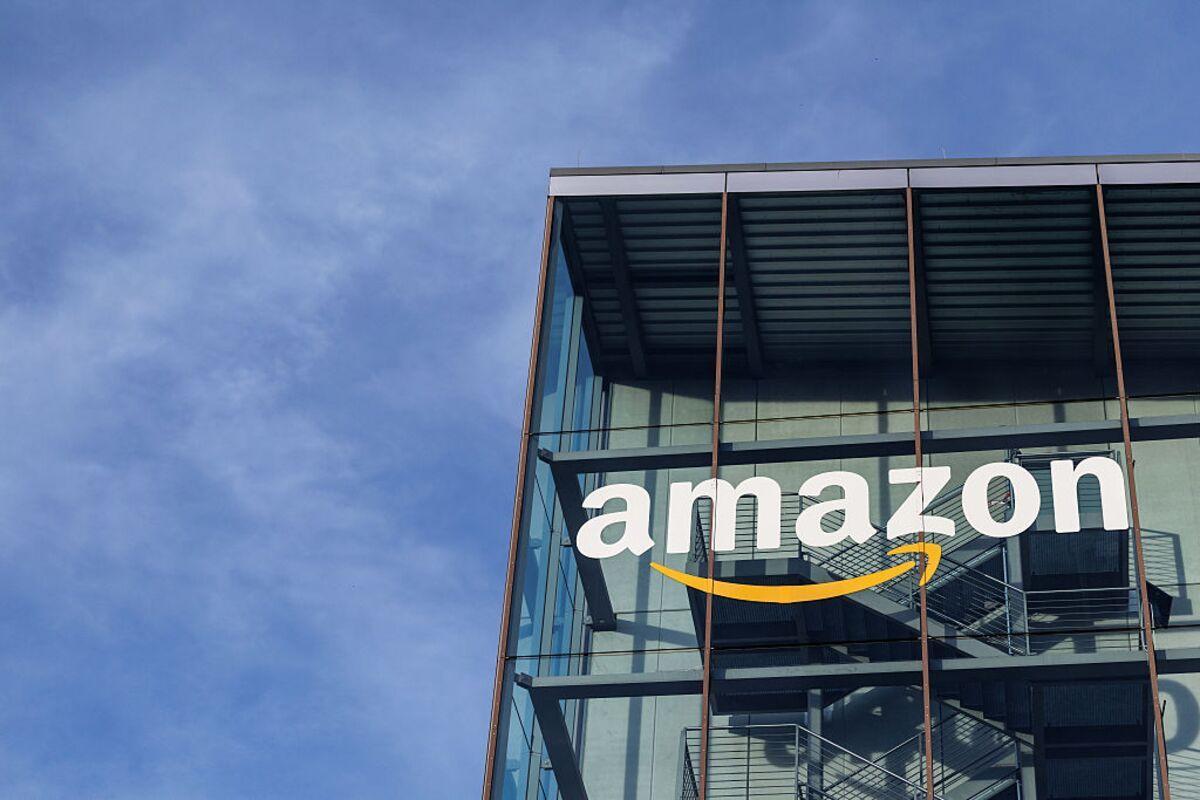
One high-profile example cited is Amazon's recent push for a five-day in-office workweek, despite significant employee dissatisfaction. According to surveys, 90% of Amazon employees are "dissatisfied" with this policy, and 73% are considering quitting
1
. Some experts, like George Kailas, CEO of Prospero.Ai, suggest that this move might be a deliberate attempt at silent firing, as it contradicts data showing that remote work often increases productivity and retention2
.AI and Job Displacement
The discussion around silent firing is closely tied to broader concerns about AI's impact on employment. While some, like Elon Musk, predict a significant overhaul of the workforce due to AI, others are more skeptical
2
. Economist Daron Acemoglu from MIT estimates that only 5% of jobs can be replaced or assisted by AI within the next decade, arguing that AI is not yet reliable enough to completely take over most human tasks2
.Workplace Engagement and Productivity
The emergence of silent firing coincides with other workplace trends, such as the "Great Detachment" among Gen Z workers. Recent data from Gallup shows a 5% decrease in engagement among Gen Z and young millennial employees
2
. This disengagement is not just a matter of workplace culture; it has significant economic implications, with global productivity losses estimated at $8.8 trillion2
.Related Stories


The Future of Work and AI
As companies invest heavily in AI, there's growing pressure to show returns on these investments. This financial imperative could drive further job replacements, as businesses seek to justify their AI expenditures
1
. However, the full impact of AI on employment remains a subject of debate among experts, with some warning against overestimating AI's current capabilities2
.Conclusion
The concept of silent firing highlights the complex interplay between technological advancement, workplace culture, and economic pressures. As AI continues to evolve, its impact on employment and workplace dynamics will likely remain a critical topic of discussion and research in the coming years.
References
Summarized by

Navi
[1]
Related Stories
Recent Highlights



Recent Highlights
Today's Top Stories



Don’t drown in AI news. We cut through the noise - filtering, ranking and summarizing the most important AI news, breakthroughs and research daily. Follow topics that matter to you and stay ahead.


