4 Sources
[1]
Synthetic-user startup Simile raises $200M at $2B valuation 5 months after $100M Series A
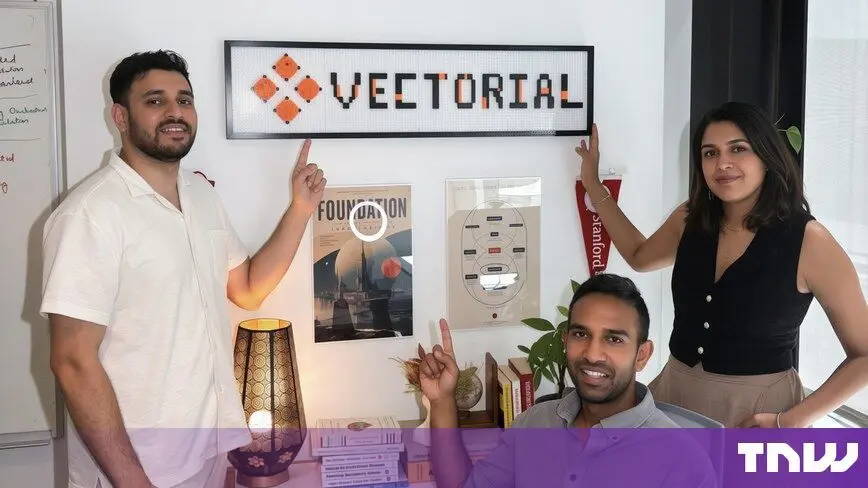
Add another member to the fast-and-furious AI unicorn club: Simile. Just five months after emerging from stealth and announcing a $100 million Series A led by Index Ventures, it has closed a $200 million Series B at a $2 billion valuation, the startup says. The B round was led by Greenoaks with participation from Index, Hanabi, Bain Capital Ventures, A*, Factory, Definition, and CVS Health Ventures. CVS is also one of Simile's marquee customers. The startup offers simulated users for areas like marketing and product research. It was founded by Stanford PhD graduate Joon Sung Park, whose dissertation involved a project called "Smallville" in which AI agents carried on simulated human lives, right down to holding parties. The startup's stated mission of simulating "all eight billion people on earth, accurately and honestly" is preposterous -- the whole reason to conduct market research is because humans are unpredictable, guided, as we are, by both emotions and reason. However, simulating users for research is a promising area. It's akin to vibe coding for product mock-ups. Other startups in this vein have also caught VC attention, such as Aaru, which raised a Series A in December, also at a hefty "headline" $1 billion valuation.
[2]
To Know What Your Customers Think, Just Ask Their A.I. Twins
Simile, a fast-growing start-up, says it can provide companies with accurate insights by surveying millions of A.I.-generated consumers. CVS Health wanted to know how to get people to take their medicine. Millions of patients never fill their prescriptions, and many don't finish them. It was one of many questions that the company sought to answer and improve for its customers. So last fall, it turned to data collected from 400,000 people to look for answers. There was just one catch: They weren't actually people. Instead, they were "agentic twins" of real people created with artificial intelligence. The company that handled the data was Simile, a year-old start-up in Palo Alto, Calif. Simile says its technology can predict human behavior by tapping into its growing database of A.I. agents. That allows clients to test the reaction to new products or evaluate how their brand is being perceived by consumers. And, Simile promises, they can do so faster and cheaper than by running traditional market research studies. "If you're able to simulate the world, you can basically test out countless interventions," said Joon Sung Park, Simile's chief executive and co-founder. "This is sort of the window into humanity." It's a bold sales pitch, and it appears to be working. In addition to CVS, Simile's fast-growing client list includes the consulting group Deloitte and Wealthfront, a financial services app. On Thursday, Simile is announcing $200 million in new funding at a $2 billion valuation. Less than six months ago, the company raised $100 million. Greenoaks led the latest round, which also included the existing investors Index Ventures, Hanabi, A*, Bain Capital Ventures, CVS Health Ventures and Definition. Dr. Park, who is 32, launched Simile last year while finishing his Ph.D. in computer science at Stanford. The blueprint was a research paper he co-wrote in 2023 about A.I. agents simulate human behavior, such as dating or going to work, in an interactive environment modeled after the popular game Sims. "The first sentence that Joon shared with me was to simulate the entire planet," said Shardul Shah, an Index Ventures partner. "As a sci-fi nerd -- like, I love "Hitchhiker's Guide to the Galaxy" -- this just lit my imagination on fire." Dr. Park's co-founders include Michael Bernstein and Percy Liang, both Stanford computer science professors. Dr. Bernstein is one of the authors of the seminal "ImageNet" paper, which laid the foundations for modern computer vision technology, and Dr. Liang was the lead researcher for a paper that coined the term "foundation model" in 2021. Lainie Yallen, who previously held go-to-market roles at the A.I. start-ups Hebbia and Valence, is also a founder. Simile built its initial model by conducting two-hour interviews with 1,000 participants, who were selected to represent the broader population. The company used that data to design its core model for human behavior, then tested its responses against new answers from the human panelists. Simile has since teamed up with Gallup and other partners to supplement its data with input from a few million people around the world. Simile's responses are now between 85 percent and 99 percent accurate, depending on the scenario and the population surveyed, according to the company's head of product, Mihika Kapoor. The start-up says it already has enough data to tap into the A.I.-simulated opinions of very specific population groups. The company's product is a web interface in which users can select different populations that they want to run a simulation on. Simile generates revenue based in part on the number of agents that it models for its customers. That can range from hundreds of thousands to millions of agents. "The larger the panel, the higher the price," Dr. Park said. Simile is not alone in the new field of A.I. simulation research. Start-up competitors include Helm, Artificial Societies, Rehearsals and Aaru. Dr. Park envisions expanding beyond survey-based market research. He said he planned to develop "dynamic simulations," in which A.I. agents are measured over time, such as testing products over the course of a week.
[3]
Simile raises $200M to survey AI 'twins' of real consumers
Simile, a year-old Palo Alto startup, has raised $200m at a $2bn valuation to build "agentic twins," AI-generated stand-ins for real consumers that companies can survey instead of running traditional market research. CVS, Deloitte and Wealthfront are already clients, and Simile claims 85-99% accuracy, though those figures are its own and the premise is contested. Its stated goal: to model all eight billion people on earth. A startup wants companies to stop asking real people what they think, and ask fake ones instead. Simile has raised $200m at a $2bn valuation to build "agentic twins," AI stand-ins for real consumers that firms can survey by the million. Greenoaks led the round, the New York Times reported, with Index Ventures and others returning. It is a fast turn. The year-old startup raised $100m less than six months ago. Surveying people who do not exist Simile's pitch is that it can predict how people will behave by simulating them. Companies use it to test a new product or gauge how a brand lands, faster and cheaper than a traditional market-research study. The customers are real even if the respondents are not. Last autumn, CVS Health used 400,000 agentic twins to work out how to get patients to take their medicine. Deloitte and the finance app Wealthfront are clients too. "If you're able to simulate the world, you can basically test out countless interventions," said Joon Sung Park, Simile's 32-year-old chief executive. He called it "a window into humanity." Real humans built the fake ones The founders come straight from the research that started this field. Park built Simile from a 2023 Stanford paper on AI agents that mimic human life, a kind of AI version of The Sims. His co-founders include Percy Liang, who helped coin the term "foundation model." The model itself started with real people. Simile ran two-hour interviews with 1,000 representative participants, then teamed with Gallup to add input from a few million more. It claims its answers are 85% to 99% accurate, depending on the group. Pricing follows the crowd. Simile charges partly by how many agents it models, from hundreds of thousands to millions. "The larger the panel, the higher the price," Park said. A bold, unproven idea The premise is contested. Those accuracy figures are Simile's own, and whether AI stand-ins truly capture how humans behave is exactly what critics doubt. Rivals such as Helm, Artificial Societies and Aaru are chasing the same idea, part of the wider hunt for measurable value from AI. There is irony in it, too. Simile leans on real human data to manufacture the fake kind. It does so on a web already flooding with AI agents, where proving you are a real person is its own business. Its stated goal, per Pulse 2.0, is to model all eight billion people on earth. It is the sort of promise enterprise buyers will judge on results.
[4]
Simile Raises $200 Million for AI Digital Twin Service | PYMNTS.com
The startup's Series B funding round values Simile at $2 billion and will help it develop what it called in the post "a first-of-its-kind confidence model that predicts the accuracy of every simulation." The company's goal is to simulate all 8 billion people on Earth. "With AI, anyone can now create a product, a campaign, a policy or a script," the post said. "The bottleneck has moved upstream. The hard question is no longer whether you can create something, but rather what to create, for whom, and how to bring it to life. These are fundamentally human decisions that should not be left to chance or handed off to an algorithm to decide." CVS Health turned to Simile last fall, The New York Times reported Thursday. Millions of patients never fill or don't finish their prescriptions, and the health solutions company wanted to figure out how to get people to take their medicine. The company sought answers from data collected from 400,000 people; only these people were "agentic twins" of actual people created using AI, with Simile handling the data, the report said. Simile developed its initial model using two-hour interviews with 1,000 people chosen to represent the larger population. The company designed its core model using that data, testing responses against new answers from the human panelists, according to the report. Meanwhile, financial institutions are replacing live customers with AI-generated stand-ins, or synthetic profiles that can test new products, such as credit cards. "The synthetic consumer doesn't just compress timelines," PYMNTS reported June 22. "It changes how banks bring products to market." U.S. Bank deploys synthetic audiences to model consumer segments, testing messaging and refining campaigns before launch. JPMorganChase generates synthetic financial data to simulate market behaviors for risk management and product design. NatWest, Monzo and Santander are using synthetic data ecosystems to train AI models. However, synthetic data is not inherently safe. "It can leak sensitive signals through inference and linkage risks," the report said. "It can also replicate and scale historical biases, embedding them behind a layer of abstraction that makes them harder to detect, audit and challenge." For all PYMNTS AI coverage, subscribe to the daily AI Newsletter.
Share
Copy Link
Simile, a year-old AI startup, secured $200 million in Series B funding at a $2 billion valuation just five months after its $100 million Series A. The Palo Alto company creates AI agentic twins—synthetic users that simulate real consumers for market research. CVS Health, Deloitte, and Wealthfront are already using these AI-generated replicas to test products and predict consumer behavior.
Simile, a Palo Alto-based AI startup, has closed a $200 million Series B funding round at a $2 billion valuation, marking a meteoric rise just five months after emerging from stealth with a $100 million Series A
1
. Greenoaks led the latest round, with participation from Index Ventures, Hanabi, Bain Capital Ventures, A*, Factory, Definition, and CVS Health Ventures1
. The rapid fundraising trajectory positions Simile among the fastest-growing members of the AI unicorn club, reflecting investor appetite for tools that promise to transform how companies conduct market research.
Source: TechCrunch
The company offers AI agentic twins—AI-generated replicas of real consumers that organizations can survey instead of conducting traditional market research
3
. These synthetic users enable companies to test reactions to new products, evaluate brand perception, and predict consumer behavior faster and cheaper than conventional methods2
. Simile's technology allows clients to simulate human behavior by tapping into its growing database of AI agents, with the stated goal of modeling all 8 billion people on Earth4
.
Source: PYMNTS
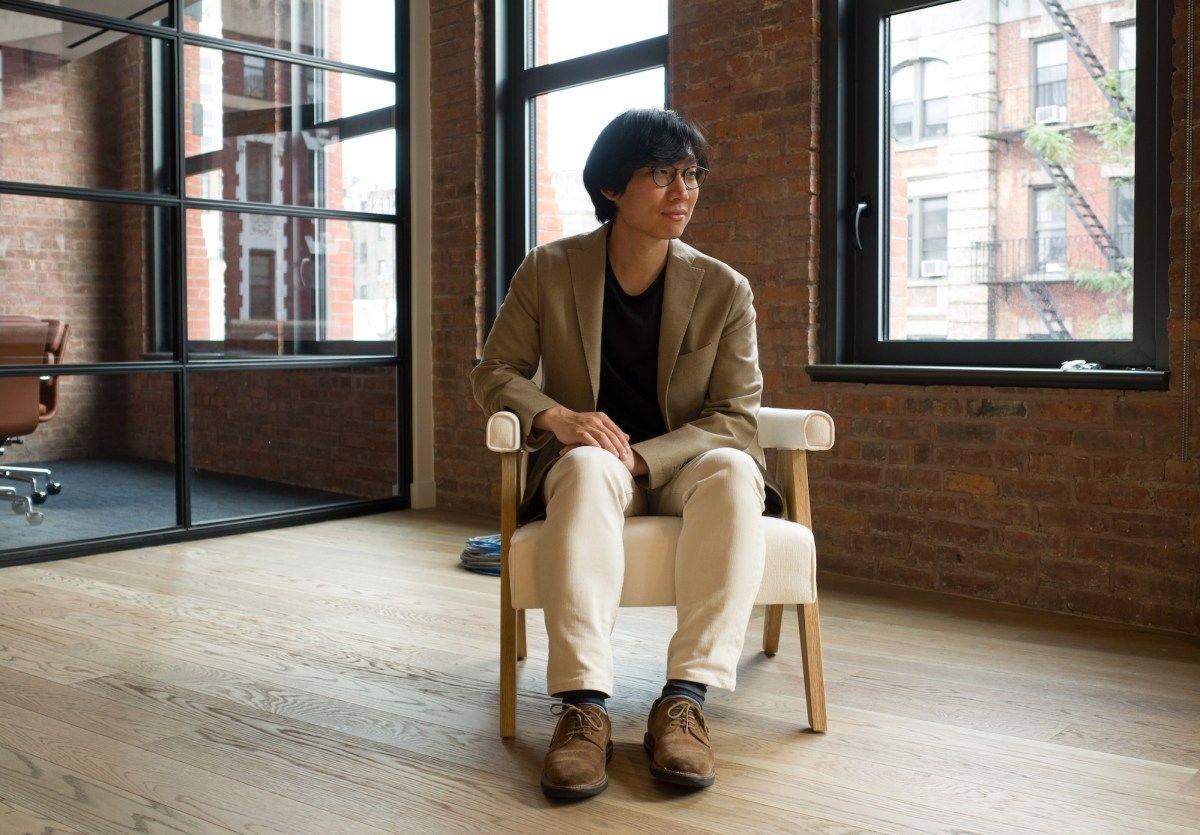
Founded by Joon Sung Park, a 32-year-old Stanford PhD graduate, Simile emerged from his 2023 research paper on AI agents that simulate human behavior in interactive environments
2
. Park's dissertation project, called "Smallville," featured AI agents carrying on simulated human lives, right down to holding parties1
. His co-founders include Stanford computer science professors Michael Bernstein and Percy Liang, who helped coin the term "foundation model"2
.CVS Health became one of Simile's marquee customers, using 400,000 agentic twins last fall to address prescription adherence challenges
2
. Millions of patients never fill their prescriptions or fail to finish them, and CVS Health sought to understand how to improve medication compliance4
. Deloitte and Wealthfront have also joined Simile's client roster, leveraging AI-driven simulation for product research and consumer insights3
.The company built its initial model through two-hour interviews with 1,000 participants selected to represent the broader population
2
. Simile then partnered with Gallup to supplement its data with input from a few million people worldwide2
. According to the company's head of product, Mihika Kapoor, Simile's responses now achieve 85 percent to 99 percent accuracy, depending on the scenario and population surveyed2
.Related Stories
Simile generates revenue based partly on the number of agents it models for customers, ranging from hundreds of thousands to millions of agents
2
. "The larger the panel, the higher the price," Park explained3
. The Series B funding will help develop what the company calls "a first-of-its-kind confidence model that predicts the accuracy of every simulation"4
. This addresses a critical question for enterprise buyers: whether AI stand-ins truly capture how humans behave.The premise remains contested, with critics questioning whether synthetic data can genuinely simulate human behavior driven by both emotions and reason
1
. The accuracy figures are Simile's own, and the company relies on real human data to manufacture synthetic users3
. Synthetic data also carries risks, as it can leak sensitive signals through inference and replicate historical biases, embedding them behind layers of abstraction that make them harder to detect and audit4
.Simile faces competition from startups including Helm, Artificial Societies, Rehearsals, and Aaru, which raised a Series A in December at a $1 billion valuation
1
. Park envisions expanding beyond survey-based market research to develop "dynamic simulations" where AI agents are measured over time, such as testing products over the course of a week2
. Financial institutions are already replacing live customers with AI-generated stand-ins to test new products like credit cards, with U.S. Bank, JPMorganChase, NatWest, Monzo, and Santander using synthetic data ecosystems4
.Summarized by
Navi
[1]
[3]
26 Jan 2026•Startups

15 Jan 2025•Business and Economy

17 Sept 2025•Startups

1
Technology

2
Technology

3
Technology