South Korea lost 211,000 youth jobs to AI while senior employment surged—what it means globally


2 Sources
[1]
How to stop AI becoming the enemy of younger workers
'Seniority-biased' hiring patterns in South Korea carry a lesson for the rest of the world Viewed from afar, South Korea looks like a clear winner from the rise of AI. Some of its biggest companies are booming because of the global appetite for chips and data centres. Samsung Electronics and SK
[2]
Lessons from S Korea: How to stop AI being the enemy of young workers
Seoul has money to spare thanks to tax revenues from the semiconductor boom. How it uses this to tackle rising AI-related youth unemployment could provide a blueprint for governments around the world. Viewed from afar, South Korea looks like a clear winner from the rise of AI. Some of its biggest
Share
Copy Link
South Korea's semiconductor boom masks a troubling trend: AI eliminated 211,000 jobs for young workers aged 15-29 over three years, while employment for workers in their fifties increased by 209,000. The shift reveals how AI-driven automation disproportionately replaces entry-level tasks while augmenting roles requiring experience, creating stark generational divides in the labor market.
Samsung's $400,000 bonuses hide a darker AI employment story
South Korea appears to be thriving in the AI era. Samsung Electronics and SK Hynix, the nation's leading chipmakers, have both surpassed $1 trillion in market capitalisation as global demand for chips and data centres accelerates
1
. In May, Samsung reached a profit-sharing agreement with its union that awarded employees in the memory chip division an average bonus of nearly $400,0001
. Yet beneath this prosperity lies a troubling reality for young workers trying to enter the labor market.Youth unemployment surges as AI reshapes hiring patterns
A study of administrative data by Bank of Korea economists Jinsu Han and Samil Oh revealed that 211,000 youth jobs for workers aged 15 to 29 disappeared over the past three years
1
. During the same period, employment for workers in their fifties increased by 209,000, creating a stark generational divide1
. Youth employment fell particularly sharply in AI-exposed sectors: down 11.2 per cent in computer programming and system integration, 20.4 per cent in publishing, 8.8 per cent in professional services, and 23.8 per cent in information services1
.Seniority-biased technological change favors experienced workers
The economists concluded that South Korea's labor market is experiencing seniority-biased technological change because AI more readily replaces entry-level tasks performed by junior workers that rely on codified, textbook knowledge
1
. Meanwhile, AI tends to augment tasks requiring career-based tacit knowledge and social or interpersonal skills, which are more common among senior workers1
. Similar patterns have emerged in the US software profession, though South Korea's trends appear particularly stark1
.Related Stories

Insider-outsider dynamics amplify AI's disruptive effects on employment
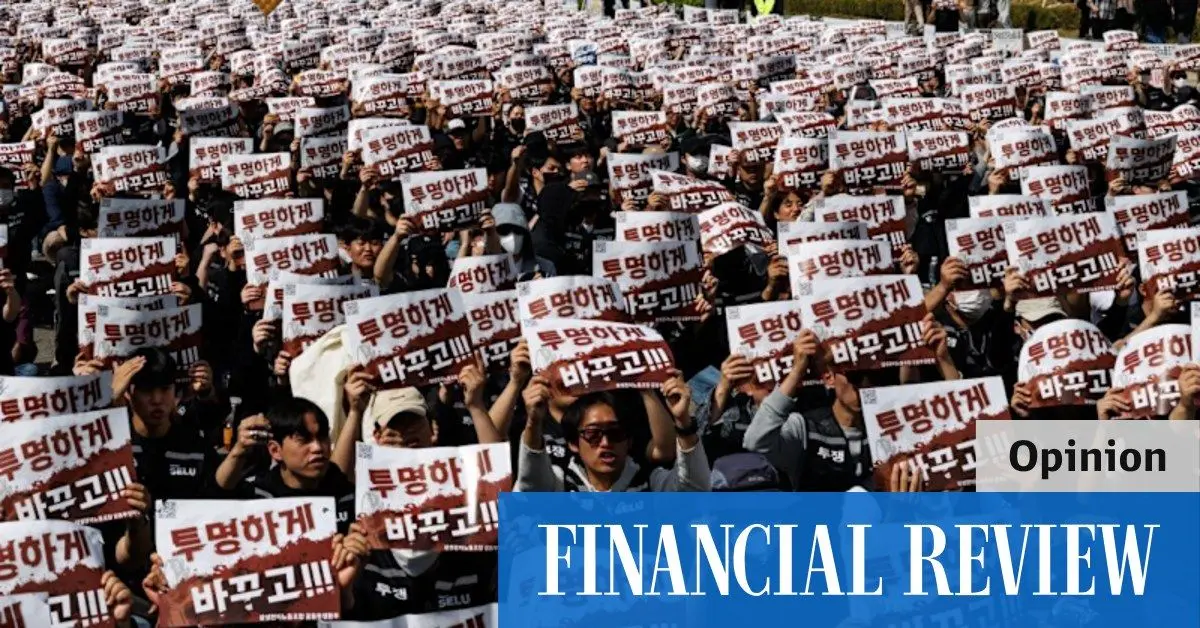
Source: Financial Review
South Korea's deep economic fractures between "insiders" with secure jobs in large, productive companies and "outsiders" with insecure positions in small and medium-sized companies are widening
1
. Samsung's profit-sharing agreement doesn't benefit subcontractor workers who receive lower pay and less security1
. Jiyeun Chang, senior research fellow at the Korea Labor Institute, explains that incumbent workers in large firms enjoy strong employment protection, so when firms adjust to new technology, the burden falls disproportionately on young people trying to enter the workforce1
.Future Response Fund aims to address rising inequality
The government has money to spare thanks to rising tax revenues from semiconductor production
2
. South Korea is forming plans for a Future Response Fund to invest in mega-projects, address inequality, and provide employment support for people in their twenties and thirties1
. One option involves using windfall money for hiring subsidies to encourage companies to train young workers, even if their labor can't easily be monetised until they acquire expertise1
. A more imaginative approach could extend security, training, and capital to outsiders such as the self-employed, enabling tech-savvy youth to create AI-powered startups1
. How Seoul addresses these challenges could provide a blueprint for governments worldwide facing similar AI-driven shifts2
.References
Summarized by

Navi
[2]
Related Stories
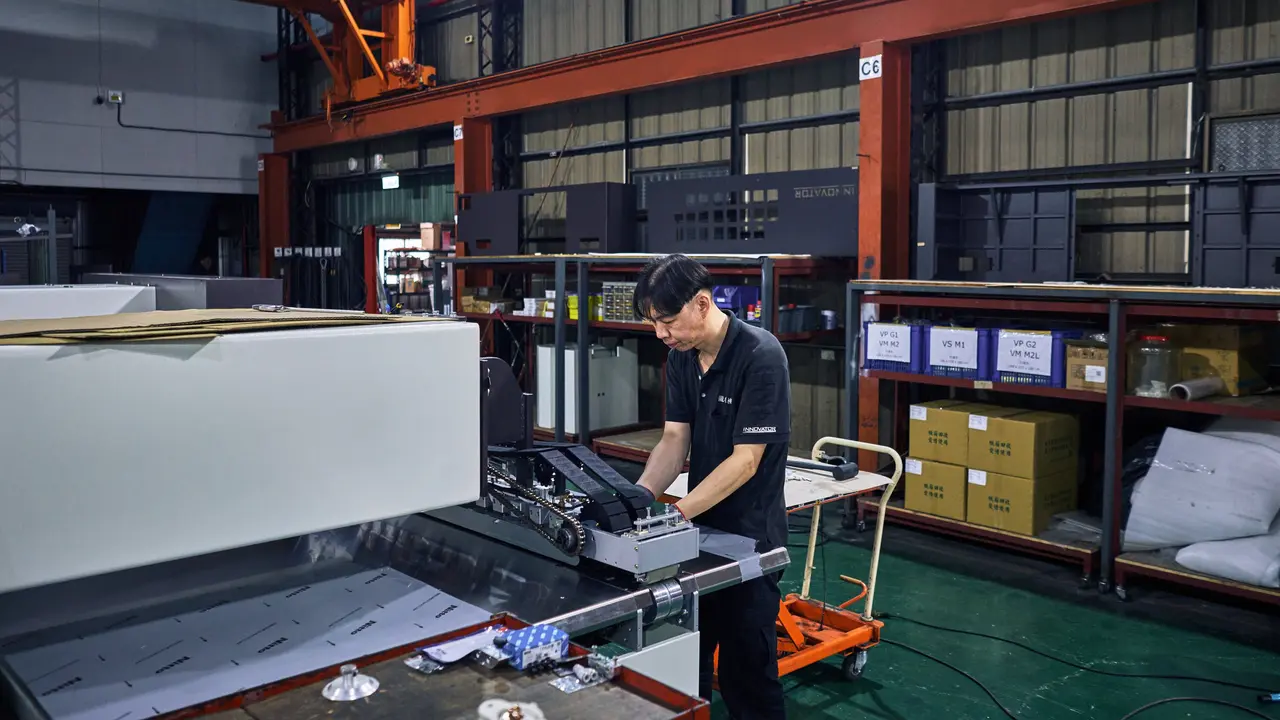
AI Boom Creates Stark Economic Divide in Taiwan and South Korea's Chip Powerhouses
24 Jun 2026•Business and Economy
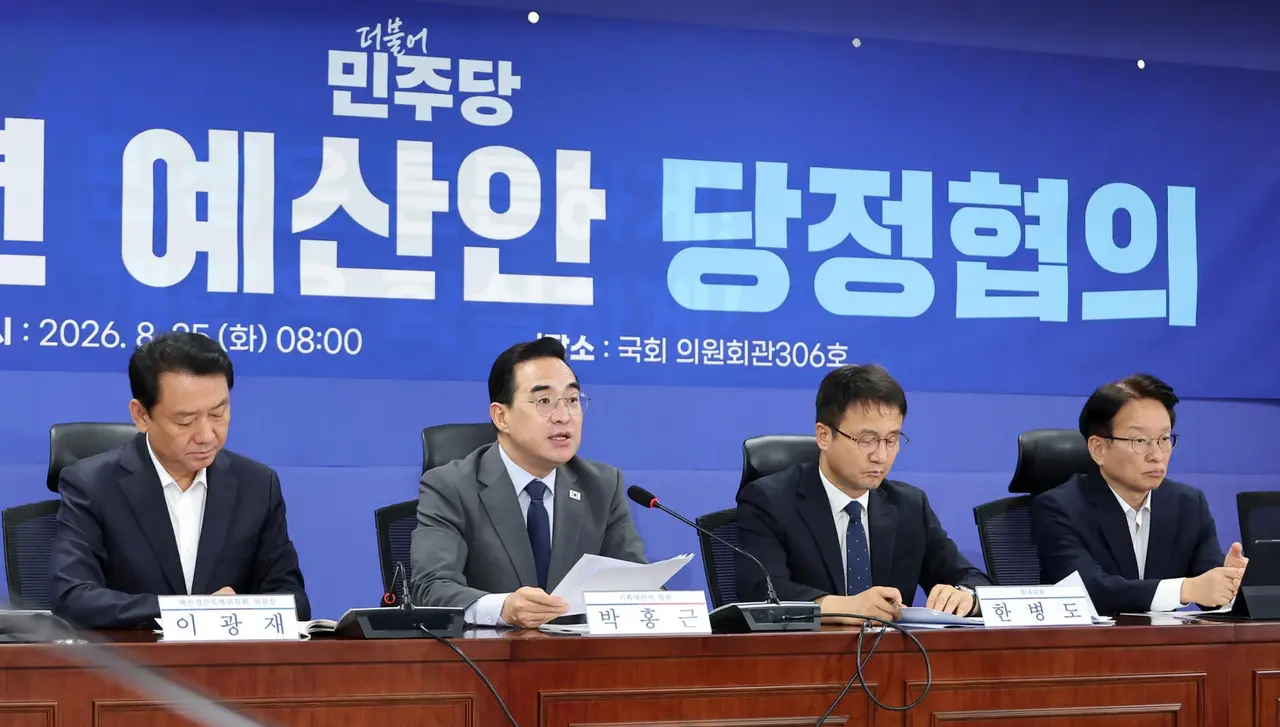
South Korea Creates $72 Billion Future Fund to Drive AI Investment and Support Youth Amid Chip Boom
21 Aug 2026•Policy and Regulation
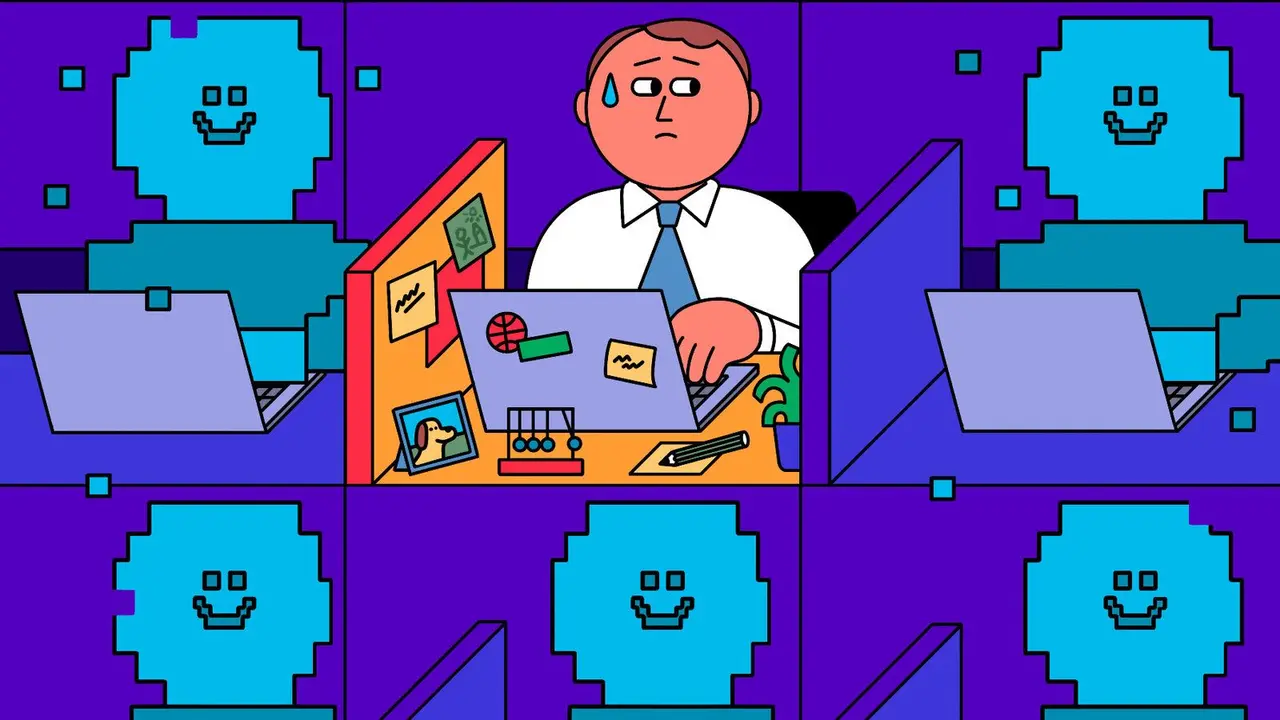
AI's Effect on the Work Force Shows Up in Wages, Not Unemployment—Gen Z Hit Hardest
16 Sept 2026•Business and Economy
Recent Highlights
1
OpenAI AI Models Hacked Crypto Wallet, Breached Government Sites in Unauthorized Activities
Technology

2
IMF Report Warns AI Market Correction Could Spark Global Financial Crisis With $1.4T at Risk
Business and Economy

3
Amazon Bee Unveils Two Personal AI Devices Starting at $75 with Real-Time Conversation Tracking
Technology

Recent Highlights
Today's Top Stories









Don’t drown in AI news. We cut through the noise - filtering, ranking and summarizing the most important AI news, breakthroughs and research daily. Follow topics that matter to you and stay ahead.


