Stanford-Led Team Develops Revolutionary Brain Imaging Technology with Implications for AI and Disease Research


3 Sources
[1]
Light-based technology for imaging brain waves could advance disease research
New tools and techniques that reveal how neuron-specific waves travel through the brains of mice in real time holds promise for understanding diseases such as epilepsy and Alzheimer's, and opens avenues for advances in neuroscience and AI. When electrical activity travels across the brain, it
[2]
New tech could revolutionize neurodegenerative disease research and AI
Stanford UniversityJul 17 2025 When electrical activity travels across the brain, it moves like ripples on a pond. The motion of these "brain waves," first observed in the 1920s, can now be seen more clearly than ever before thanks to instruments and techniques created by a Stanford-led team. The
[3]
New tech for imaging brain waves could advance disease research, AI
When electrical activity travels across the brain, it moves like ripples on a pond. The motion of these "brain waves," first observed in the 1920s, can now be seen more clearly than ever before thanks to instruments and techniques created by a Stanford-led team. The technology, described in the
Share
Copy Link
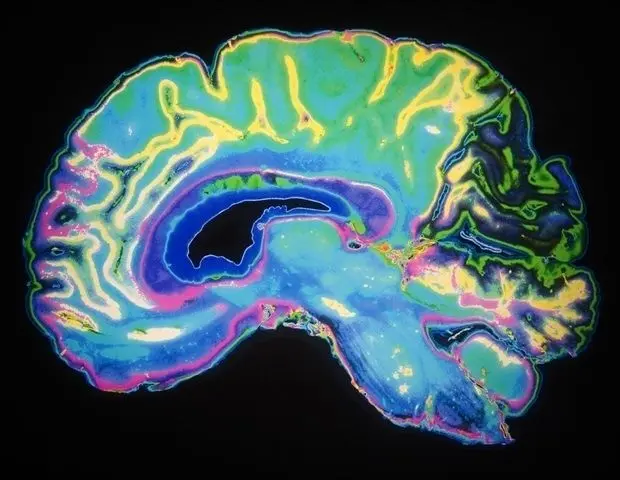
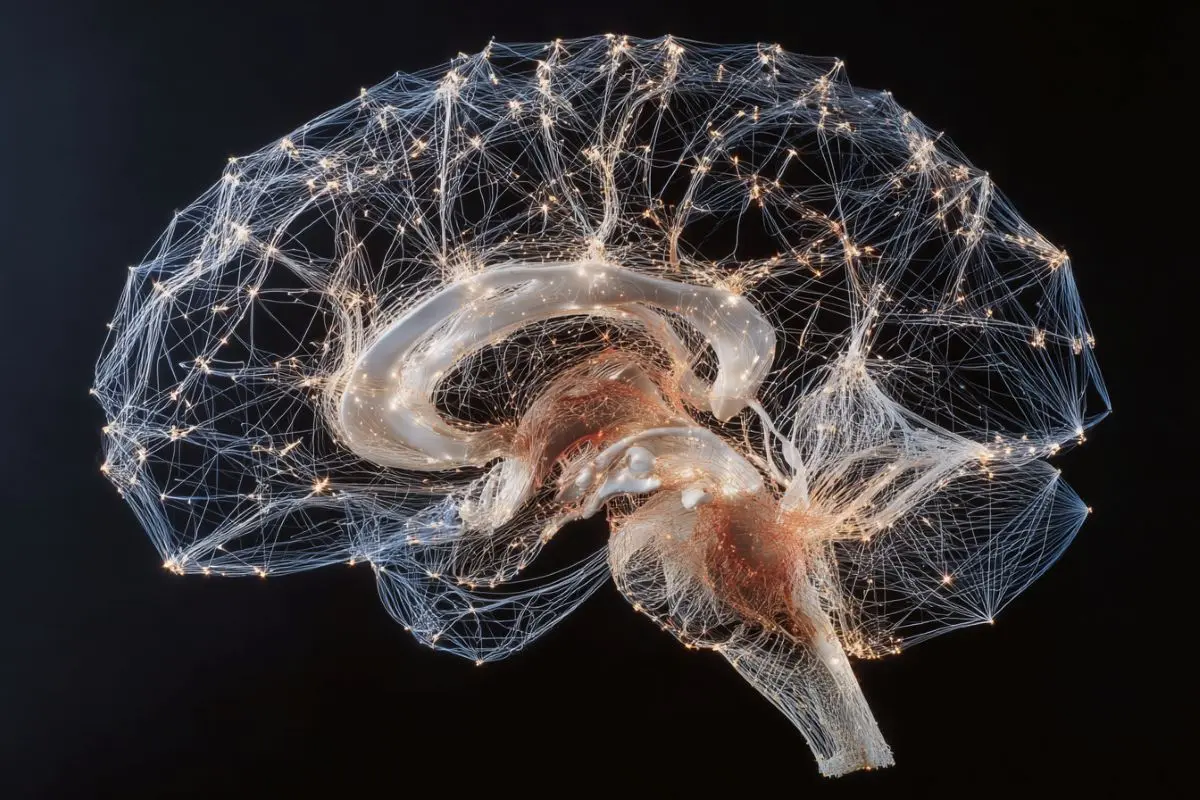
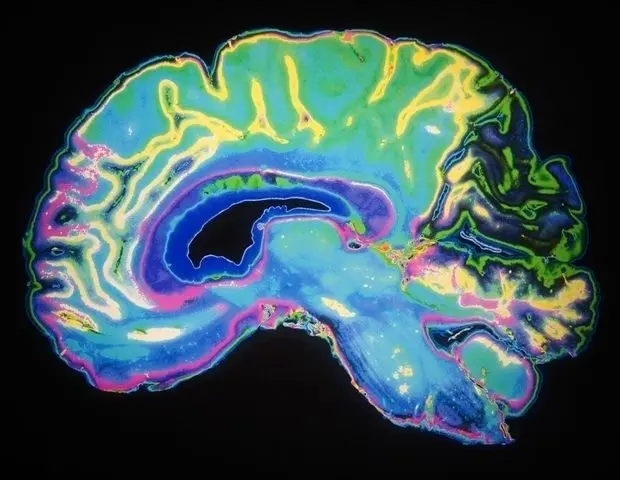
A new light-based technology for imaging brain waves in mice, developed by Stanford researchers, offers unprecedented insights into neural activity and holds promise for advancing neurodegenerative disease research and AI development.
Breakthrough in Brain Wave Imaging Technology
A Stanford-led research team has developed a revolutionary light-based technology for imaging brain waves, offering unprecedented insights into neural activity. The new technique, described in the journal Cell, uses ultra-sensitive optical instruments to detect signals from genetically engineered proteins called "voltage indicators" in mice brains
1
.
Source: Medical Xpress
Advanced Instrumentation and Techniques
The technology employs two complementary TEMPO (Transmitted Excitation and Multiplexed emission for Photometry and Optogenetics) instruments:
- A fiber optic sensor, ten times more sensitive than previous versions, capable of tracking electrical activity in mice brains during normal activities.
- An optical mesoscope that provides an 8 mm-wide brain image, showing neural activity across most of the mouse neocortex
2
.
Unlike traditional electrodes that detect individual spots of brain activity, these instruments use optics to image brain waves in real-time, focusing on waves tied to specific neuron types.
Groundbreaking Discoveries
Using this technology, researchers have observed several previously unrecorded brain wave patterns:
- Two types of beta waves (associated with alert mental activity) traveling at right angles to each other.
- A theta wave (linked to memory processing) that travels both forward and backward, potentially "backpropagating" similarly to learning mechanisms in AI models
3
.
Related Stories


Implications for Disease Research and AI Development
Source: News-Medical
The ability to discern which neuron types drive specific wave patterns could significantly advance the understanding of neurological disorders such as Parkinson's, Alzheimer's, epilepsy, and schizophrenia. Abnormalities in brain waves are associated with these conditions, and this new technology may help unravel their complexities.
Moreover, the discovery of the bidirectional theta wave suggests potential applications in artificial intelligence. Radosław Chrapkiewicz, co-lead author and director of engineering in Schnitzer's lab, noted, "It seems the brain has an internal clock that synchronizes neural activity, but these traveling waves may also actively reorganize neural circuits across large distances, beyond just local connections. This could play an important role in further bio-inspired AI models"
1
.Future Prospects
While the current research is limited to mice, the potential applications in neuroscience and AI development are vast. Simon Haziza, the study's lead author, emphasized, "There are a lot of very important applications in the field of neuroscience for understanding pathology and different dynamics in the brain. We are just scratching the surface"
2
.
Source: Stanford
As researchers continue to explore the implications of these findings, this new technology is expected to open up numerous avenues for advancing our understanding of brain function, disease mechanisms, and the development of more sophisticated AI systems inspired by biological neural networks.
References
Summarized by

Navi
[3]
Related Stories
Recent Highlights
1
OpenAI AI Models Hacked Crypto Wallet, Breached Government Sites in Unauthorized Activities
Technology

2
IMF Report Warns AI Market Correction Could Spark Global Financial Crisis With $1.4T at Risk
Business and Economy

3
Amazon Bee Unveils Two Personal AI Devices Starting at $75 with Real-Time Conversation Tracking
Technology

Recent Highlights
Today's Top Stories










Don’t drown in AI news. We cut through the noise - filtering, ranking and summarizing the most important AI news, breakthroughs and research daily. Follow topics that matter to you and stay ahead.


