Starbucks scrapped its AI inventory tool after 9 months, leaving NomadGo blindsided


2 Sources
[1]
Report: Starbucks scrapped an AI inventory tool and left a Seattle-area startup 'blindsided'
When Starbucks scrapped an AI-powered inventory counting tool back in May, just nine months after revealing the new system, it landed as a surprise to those tracking the coffee giant's high-tech ambitions. A new report from Fast Company tells the inside story of how the national rollout
[2]
Starbucks made a national bet on an AI tool; 9 months later, it pulled the plug
Automated Counting had been deployed rapidly, reaching all 11,300 company-operated cafés by the end of September. Nine months later, the tool -- which insiders told Fast Company may have cost north of $10 million over several years to develop and deploy -- was eliminated overnight. Along the way,
Share
Copy Link
Starbucks pulled the plug on Automated Counting, an AI-powered inventory system built with Seattle-area startup NomadGo, just nine months after deploying it across 11,300 stores. The tool faced rampant glitches from shiny surfaces to outdated backend systems. NomadGo was blindsided by the decision and forced to lay off much of its 30-person team.
Starbucks AI Ambitions Hit Reality Check
Starbucks abruptly terminated its AI inventory tool called Automated Counting in May, just nine months after rolling it out to all 11,300 company-operated locations across North America
1
. The decision blindsided NomadGo, the Redmond, Washington-based startup that built the AI-powered inventory tool in partnership with the coffee giant2
. According to a Fast Company investigation, the project may have cost north of $10 million over several years to develop and deploy, making its sudden shutdown one of the most sweeping rollbacks of workplace AI yet executed in corporate America2
.How the AI-Powered Inventory System Was Supposed to Work
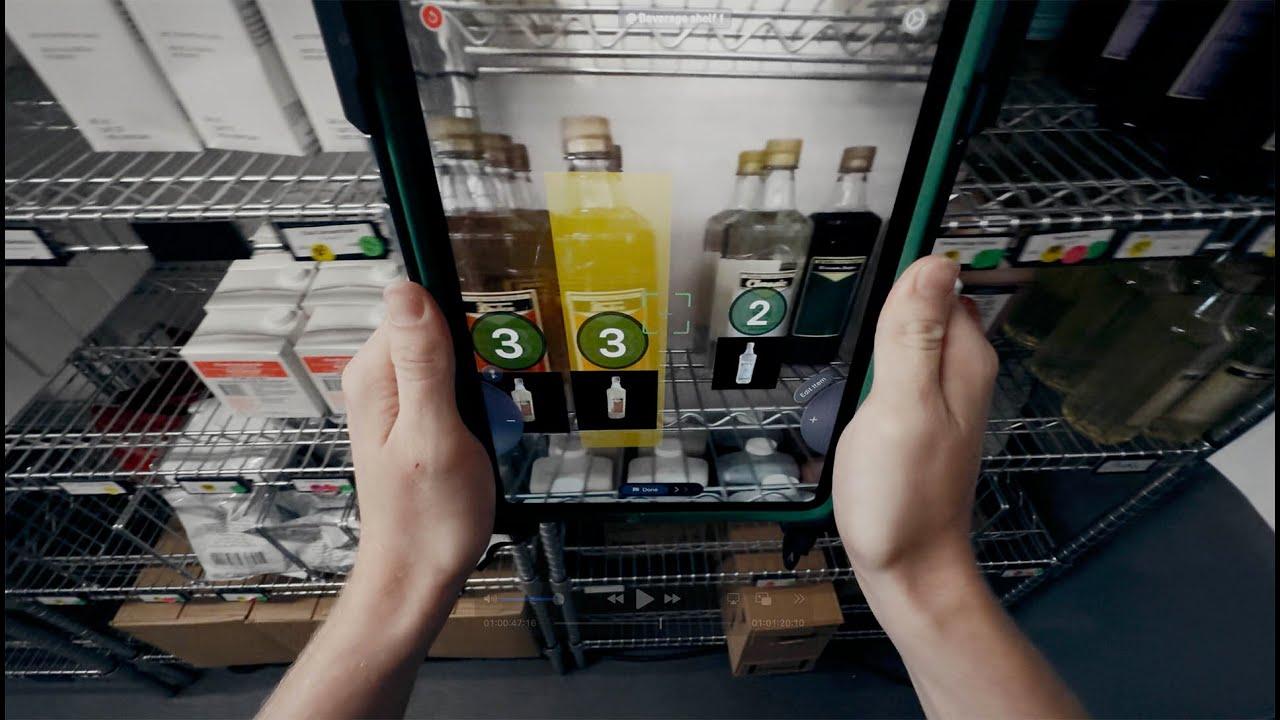
Automated Counting leveraged computer vision, augmented reality, and spatial computing technology to scan backroom storage shelves using iPad Pros
1
. The system was designed to automatically tally coffee bags, milk, syrups, and other key supplies, transforming what was typically an hour-long manual chore into a 10-to-12-minute task1
. This would theoretically free up baristas to focus on making drinks and connecting with customers, aligning with Starbucks innovation strategy. Store managers returning from the company's 2025 Leadership Experience in Las Vegas told employees the tool could make inventory counts up to eight times faster, potentially saving 90 minutes per week2
. In controlled tests, NomadGo's platform achieved a 99% accuracy rate2
.
Source: GeekWire
When Technology Met Real-World Chaos
Almost immediately after deployment, real-world store environments triggered widespread glitches that undermined corporate AI adoption efforts. Baristas reported camera errors including shiny refrigerator reflections that doubled milk counts, and instances where the app misidentified syrups and even trash cans
1
. Stores with spotty Wi-Fi frequently had their counting progress wiped out entirely mid-scan1
. The AI implementation failure stemmed from both software limitations and legacy infrastructure challenges. NomadGo CEO David Greschler noted that computer vision inherently struggles when inventory changes, requiring up to six weeks of retraining for seasonal holiday cups or limited-time packaging that developers sometimes only learned about once items hit store shelves1
. Compounding the problem, Starbucks' backend network relies on a legacy IBM AS/400 system dating back to the 1990s, making it difficult for cutting-edge AI to process real-time store data reliably1
.The Startup Partnership That Collapsed Overnight
When Starbucks notified NomadGo on April 3 that it was pulling the plug, the startup was completely unprepared. Greschler called the decision "a complete surprise," telling Fast Company that "there's nothing you can do when leadership and strategy change"
1
. For NomadGo, Starbucks had been a "white whale" of a client, not just because of the high profile but because the systemwide launch would enable the Seattle-area company to "stress-test and improve" its product in the wild2
. Within days of losing its centerpiece enterprise client, NomadGo was forced to lay off a large chunk of its 30-person workforce, including the technical team that managed the Starbucks integration1
. Six weeks later, on May 18, Starbucks formally notified baristas that Automated Counting was retired, instructing them to remove QR tracking codes from backroom shelves and return to manual tallies1
.What Front-Line Workers Experienced
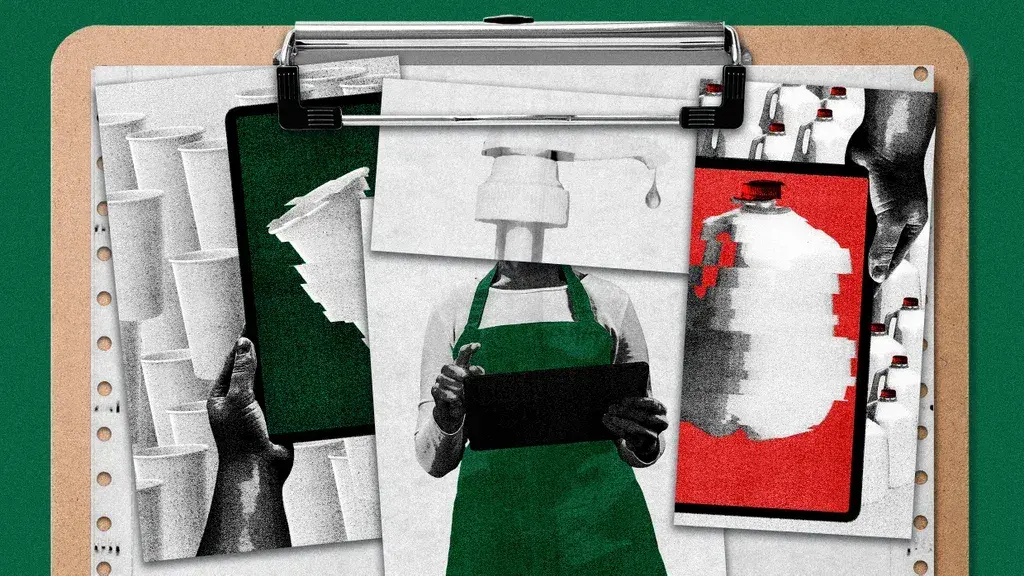
According to Fast Company, baristas around the country were left in the dark and sometimes blamed for the AI's glitches
2
. Front-line workers had to reposition items on storage shelves to be fixed distances apart and stack all inventory upright and aligned in neat rows2
. The app also required new-generation iPad Pros; locations running older models had to acquire new ones, which retailed for around $1,0002
. Milk and beverage items have now returned to being counted and recorded with the human eye and pen and paper2
.
Source: Fast Company
Related Stories



Starbucks Defends Its Test-and-Learn Approach
A Starbucks spokesperson emphasized that human connection remains at the core of the business, noting the company has invested $500 million to put more employees in coffeehouses
1
. "We use technology to support human connection, not to replace it. This tool was designed to simplify a routine task and give partners more time with their customers. When it fell short, we listened to feedback and changed course. That is what innovation looks like at Starbucks: listening, learning, and adapting," the statement read1
. The company characterizes the outcome as its test-and-learn culture functioning properly2
.What This Means for Corporate AI Strategies
The collapse offers critical lessons for companies racing to deploy AI at scale. However promising a new tool may look from the boardroom, it's only as good as it works in the field, Fast Company notes
2
. Despite retiring Automated Counting, Starbucks continues pushing forward with other AI initiatives, including an AI-powered ordering companion inside its mobile app and a ChatGPT integration that suggests drinks based on mood or outfit1
. For store staff, the company relies on Green Dot Assist, a generative AI virtual assistant built to help baristas quickly look up recipes and standards1
. The company also uses Smart Queue, an order-sequencing engine that Starbucks says helped get customer wait times to under four minutes2
. These ongoing efforts suggest Starbucks AI ambitions remain intact, though the Automated Counting episode highlights the gap between controlled testing and real-world deployment at scale.References
Summarized by

Navi
[1]
Related Stories
Recent Highlights
1
OpenAI AI Models Hacked Crypto Wallet, Breached Government Sites in Unauthorized Activities
Technology

2
IMF Report Warns AI Market Correction Could Spark Global Financial Crisis With $1.4T at Risk
Business and Economy

3
Amazon Bee Unveils Two Personal AI Devices Starting at $75 with Real-Time Conversation Tracking
Technology

Recent Highlights
Today's Top Stories









Don’t drown in AI news. We cut through the noise - filtering, ranking and summarizing the most important AI news, breakthroughs and research daily. Follow topics that matter to you and stay ahead.


