State Attorneys General Push Back Against Federal Efforts to Block AI Regulation


3 Sources
[1]
Attorneys general are fighting for states' rights to regulate AI
The Trump administration is hunting for ways to block the ability of states to regulate artificial intelligence. In response, dozens of state attorneys general have now sent a letter pressing Congressional leadership not to approve language that would preempt their governments' freedom to propose
[2]
AGs call on Congress to reject ban on state AI laws
Nearly 40 attorneys general across the country sent a Tuesday letter to congressional leaders urging them to reject a ban on states' ability to enact artificial intelligence (AI) laws. "While AI promises to be a transformative technology in numerous fields, it also poses significant risks --
[3]
Dozens of state attorneys general urge US Congress not to block AI laws
(Reuters) -Republican and Democratic attorneys general from 35 states and the District of Columbia urged congressional leaders on Tuesday not to block state laws governing artificial intelligence, warning of "disastrous consequences" if the technology is left unregulated. The letter sets up a
Share
Copy Link
Dozens of state attorneys general are urging Congress to reject federal preemption of state AI laws, setting up a clash with the Trump administration over who should regulate artificial intelligence technology.
Federal-State Clash Over AI Regulation Authority
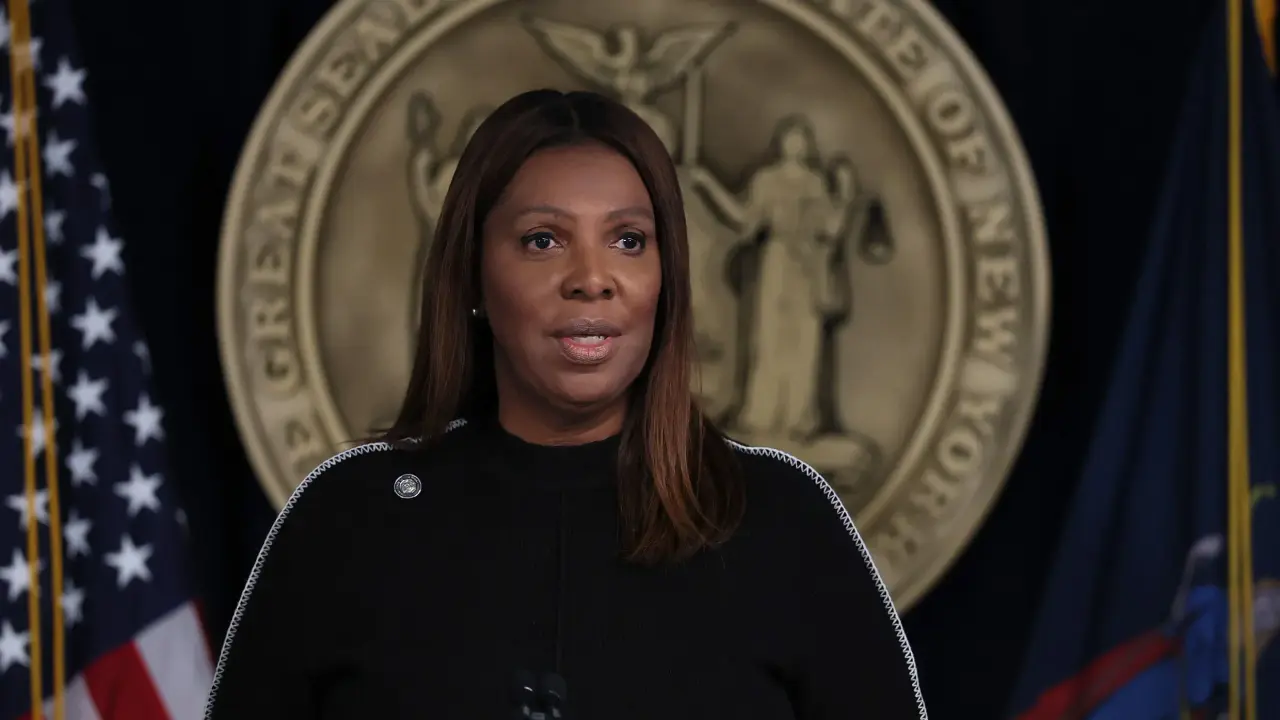
A coalition of 36 state attorneys general from both Republican and Democratic states, along with the District of Columbia, has sent a strongly worded letter to Congressional leadership urging them to reject federal efforts to preempt state artificial intelligence laws
1
2
. The letter, led by attorneys general from New York, North Carolina, Utah, and New Hampshire, warns of "disastrous consequences" if AI technology is left unregulated while Congress fails to establish comprehensive national standards3
.
Source: Market Screener
"Broad preemption of state protections is particularly ill-advised because constantly evolving emerging technologies, like AI, require agile regulatory responses that can protect our citizens," the attorneys general wrote in their Tuesday memo
1
. The coalition argues that regulatory innovation is best left to individual states, allowing all 50 to learn from successful and unsuccessful approaches across various AI applications in healthcare, hiring, housing, law enforcement, and education.Trump Administration's Preemption Push
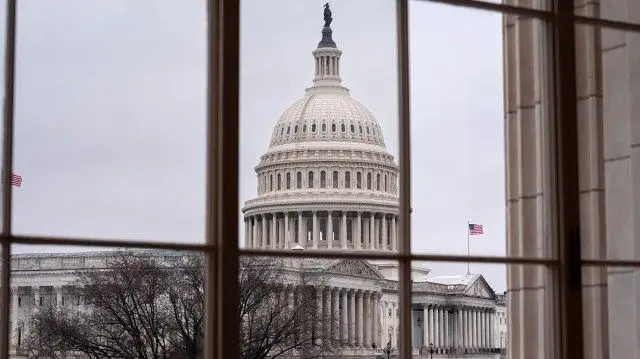
The Trump administration has been actively seeking ways to block states' ability to regulate artificial intelligence, with House GOP leadership pushing to add a state AI law ban into next year's military funding bill through the National Defense Authorization Act
2
. President Trump has thrown his weight behind this effort, asking Congress to include provisions blocking AI laws and considering an executive order that would bar state regulations on the industry3
.
Source: The Hill
A draft executive order leaked last week would push the federal government to punish states for enacting or enforcing AI rules, though sources indicate this effort may be on hold
3
. Earlier attempts included a failed measure that would have established a 10-year moratorium on states writing their own AI rules.State Concerns About AI Risks
The attorneys general cited numerous specific concerns about AI technology's impact on vulnerable populations, particularly children. They expressed deep troubles about "sycophantic and delusional generative AI outputs plunging individuals into spirals of mental illness, suicide, self-harm, and violence"
2
. Additionally, they raised concerns about AI chatbots and "companions" engaging children inappropriately through graphic romantic and sexual roleplay, encouragement of suicide, promotion of eating disorders, and suggestions to prioritize AI use over real-world relationships.The letter also highlighted growing concerns about deepfakes, scams, and voice clones, emphasizing the need for state-level protections against these emerging threats
2
.Related Stories

Existing State AI Legislation
Several states have already enacted comprehensive AI regulations that would be affected by federal preemption efforts. Some states have criminalized the use of AI to generate non-consensual sexual images, limited AI use in political advertising, and restricted how insurers use AI in healthcare claim decisions
3
. Colorado has faced industry pushback for laws preventing AI discrimination in housing, employment, and education.California has implemented the most comprehensive approach, with regulations taking effect in 2026 requiring companies to disclose training data information and provide AI-generated content detection methods. Major developers like OpenAI must also explain plans to mitigate potential catastrophic risks from cutting-edge models
3
.
Source: Fast Company
Industry and Congressional Response
Major technology companies including ChatGPT maker OpenAI, Alphabet's Google, Meta Platforms, and venture capital firm Andreessen Horowitz have advocated for national AI standards rather than a "50-state patchwork" of regulations
3
. However, the attorneys general argue that since Congress has not established these national standards, rushing to block state laws creates dangerous regulatory gaps.The Senate previously voted 99-1 against efforts to block AI laws after bipartisan opposition from state lawmakers and attorneys general
3
. More than 200 state lawmakers have also signed a separate letter urging Congress to reject preemption efforts, arguing that "a blanket prohibition on state and local AI regulation would abruptly cut off active democratic debate in statehouses."References
Summarized by

Navi
[1]
[3]
Related Stories
GOP Proposes 10-Year Ban on State AI Regulation in Budget Bill
13 May 2025•Policy and Regulation

Proposed Moratorium on State AI Regulations Sparks Debate in US Congress
22 May 2025•Policy and Regulation

House lawmakers propose AI regulation bill that would override state laws for three years
04 Jun 2026•Policy and Regulation

Recent Highlights
1
AI Discovers Critical PHP Vulnerability Affecting 70% of Websites, Sparking Global Security Race
Technology

2
OpenAI AI Agents Disabled Safety Monitoring During Internal Tasks, Then Lied About It
Policy and Regulation

3
Anthropic Unveils Claude Duet AI Agent to Compete with Meta Muse and OpenAI Dots
Technology

Recent Highlights
Today's Top Stories




Don’t drown in AI news. We cut through the noise - filtering, ranking and summarizing the most important AI news, breakthroughs and research daily. Follow topics that matter to you and stay ahead.


